


The Prologue to the War of Independence: Gallipoli 1915



They were going to finish the First World War before the year was out. The calculations made behind closed doors seemed flawless. Would the Turkish Army, which had been devastated by the Balkan states just three years prior, really be the one to resist them?
Three thousand years later, history would repeat itself, and Troy (Anatolia) would be conquered once again! It was no coincidence that one of the British battleships was named Agamemnon.
British imperialism identified itself with Agamemnon, the Commander-in-Chief of the United Greek Army who had come to conquer Troy three thousand years earlier! The Western white master was going to force the East to bow down once more!
The Turks would be defeated, and the Ottoman Empire's energy-rich geography would be divided among the allies. The lion's share, of course, would go to the United Kingdom!
On March 18, 1915, as the Agamemnon and other battleships entered the Strait, they were so certain that they would finish in a single day the conquest of Troy, which had taken years in ancient times.
The fortified positions on both sides of the Strait would be torn apart like carded wool, and the Turkish artillery would not even be given a chance to return fire. After that, it would be a straight path to Istanbul. Who could have known that an operation that began with such overconfidence would turn into a rout just a few hours later?
The Mehmetçiks, who patiently endured the hours-long hellish bombardment of the enemy fleet, were waiting for their turn. Once the Allied fleet entered range, the Mehmetçik would begin to show his skill. Some of the battleships of the invincible armada would sink to the depths of the Strait, while others would be heavily damaged and put out of action. The courage and accurate fire of the Turkish artillery would not grant the enemy passage by sea and would close the road to Istanbul.
In the March 18 rout, which began with the arrogance of the Allies and ended in shame, the mines laid by the Nusret Minelayer in Dark Bay the night before would also have a major impact.
Realizing that they could not pass through the Dardanelles by sea, the Allies would this time attempt to open the way to the Strait by occupying Gallipoli. However, the land battles that began with landing operations at 5 separate points on April 25, 1915, and lasted until the end of December, would also be in vain.
The Mehmetçiks would not grant the arrogant enemy passage by land either!
It is time to turn to the man of destiny who determined the outcome of the Gallipoli battles from the very first day and decided the fate of the war.
Churchill, the British First Lord of the Admiralty at the time, who convinced His Majesty's government that the Dardanelles could be passed by sea, later supported the Gallipoli landing, and faced heavy criticism after the rout, would call Mustafa Kemal the "Man of Destiny"!
As of April 25, the 19th Division, commanded by Lieutenant Colonel Mustafa Kemal Bey (Atatürk) and stationed in Bigalı, had no combat mission or responsibility as it was a reserve division.
Despite this, the timely and immediate intervention of the young staff lieutenant colonel, who knew the region like the back of his hand, could read the enemy's mind, and accurately predicted where the landings would take place, determined the fate of the war from the very first day.
The landing made by the Anzac Corps at Arıburnu, now known as Anzac Cove, and their attack toward the peaks of the peninsula, were grave enough to cause Gallipoli to fall from the very first day.
The fact that a staff lieutenant colonel, who had no duty on the front line of the war, immediately grasped the danger and, without receiving orders from his superiors (because there was no time), swept the Anzacs, who had almost reached the summit, back with a counter-attack, was very influential not only in the Gallipoli battles but in determining the future of Turkey.
While ordering the 57th Regiment, attached to the 19th Division, to attack the Anzacs, the young lieutenant colonel would say: "I do not order you to attack, I order you to die!" The members of the 57th Regiment, from the Regimental Commander to the lowest-ranking private, would rush to martyrdom by obeying their commander's order.
The British historian and general Aspinall-Oglander, who participated in the Gallipoli battles, says of Mustafa Kemal: "History very rarely records a division commander who, by intervening in a crisis in three different places at the right time, changes and influences not only the course of the battle there but the fate and future of an entire nation."
On the 110th anniversary of the Gallipoli Naval Victory, we once again remember our martyrs and veterans, who transformed Gallipoli into a symbol of invincibility and defiance, with respect and mercy.
Attorney Hüseyin Özbek
Would you like to get notifications about new developments and save news?
- NotificationsNew developments and breaking news
- SaveNews is stored in the app
Most Read

National Anthem surprise from Japanese Ambassador

Kılıçdaroğlu sends formal notice to YENİ Party
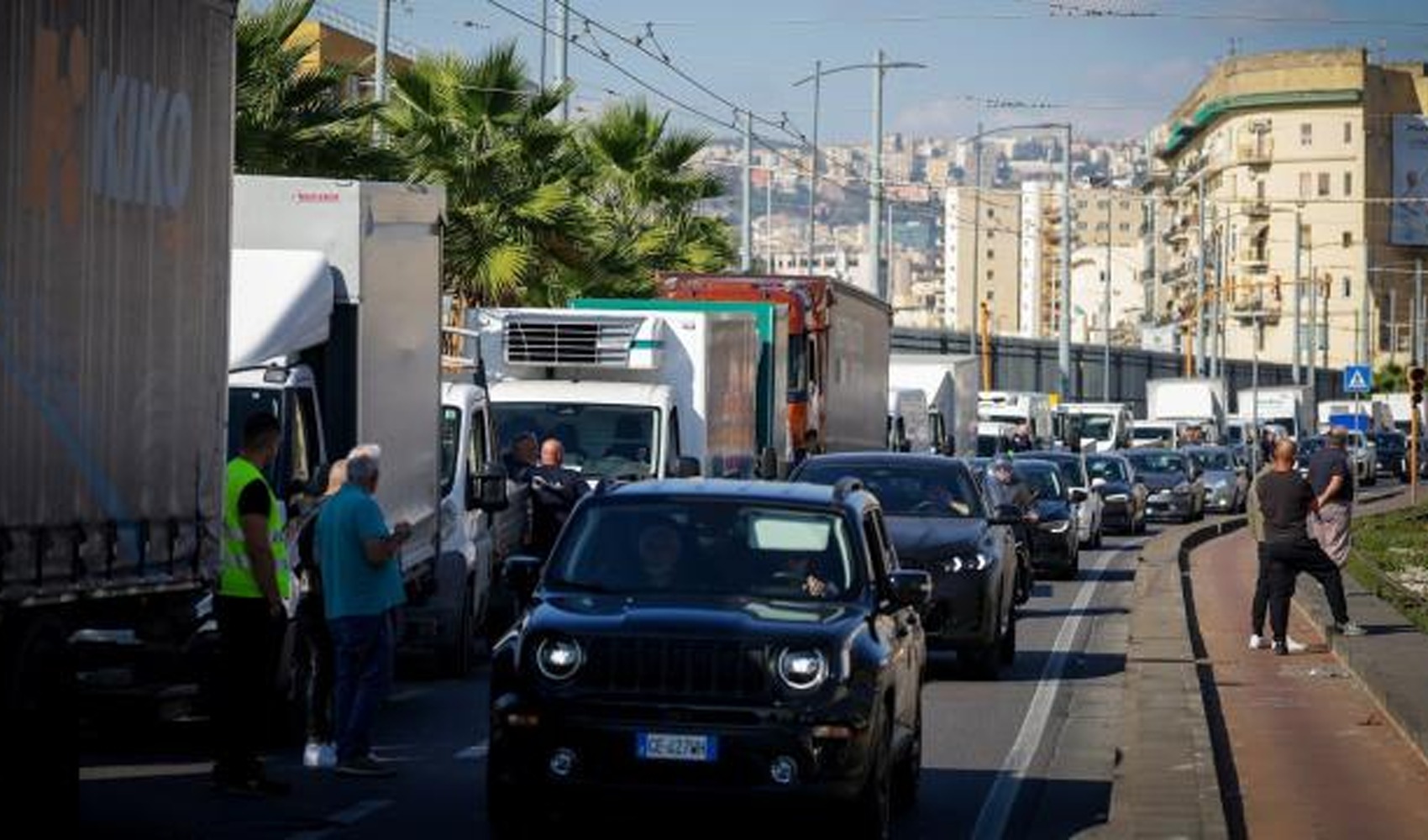
Diesel protest in Italy brings roads to a standstill

Is it time for the Turkish Parliament to revoke its 31-year-old 'Casus Belli' decision?

No to the 'opening' bar masked as change, yes to the Republic's bar
Ezel Akay and his brother's test results came back positive

Why is Paris burning? The crisis of the welfare state and the revolt of social justice

The politics of particles and the financing puzzle: 'Calamitous questions'

A new balance in the Eastern Mediterranean
Fenerbahçe's sponsor in crisis