


The return from Lausanne to Sèvres and the principle of parallelism in procedure



The principle of parallelism in procedure is a concept in Administrative Law. It means that the procedure applied in the creation of an act must also be valid for the revocation of that act. In other words, it is the application of the same method used to establish a new status quo when dismantling that status quo and returning to the previous state. We can liken this to zipping and unzipping a zipper.
To see the trap being laid for Turkey, one must know international law and international relations along with recent history. If you have sufficient knowledge about the collapse of the Ottoman Empire, the periods of occupation, liberation, and foundation, you will instantly recognize the haste to return from the status of Lausanne to the status of Sèvres, and the insidious steps of parallelism in procedure, before the effect of the anesthesia injected to destroy social memory and national sensitivity wears off.
Dostoevsky, when speaking of Gogol’s story The Overcoat, said, “We all (Dostoevsky, Chekhov, Gorky) came out of The Overcoat,” describing the extraordinary influence of the work on the writers who followed him. Without knowing the overcoat from which all the pro-Kurdish organizations in our country emerged—that is, the Society for the Rise of Kurdistan (Kürdistan Teali Cemiyeti)—you can understand neither the KCK nor the PKK.
The root ancestor of the separatist terrorist organization is the Society for the Rise of Kurdistan. Born in the occupied Istanbul of the armistice period, in a British maternity ward, in the arms of a British midwife, the Society for the Rise of Kurdistan would begin its activities on November 19, less than a week after November 13, 1918, when the Allied Fleet anchored in the Bosphorus (official establishment date: December 30, 1918). The other two treasonous organizations of the armistice period that were allies of the Society for the Rise of Kurdistan, the Society of the Friends of England (İngiliz Muhipleri Cemiyeti) and the Society for the Rise of Islam, were also products of the same maternity ward!
Leaving the Society of the Friends of England—of which Vahdettin, Damat Ferit, Ali Kemal, Sait Molla, İskilip’li Atıf, and Sheikh-ul-Islam Mustafa Sabri were members—and the Freedom and Accord Party (Hürriyet ve İtilaf Partisi), which was associated with these three treasonous organizations, for a separate article, let us return to the PKK’s root ancestor, the Society for the Rise of Kurdistan.
The Society for the Rise of Kurdistan, whose founders were feudal leaders of tribes and families living in Istanbul such as Şemdinan, Bedirhan, Babanzade, Berzencizade, Yemlekizade, Hetzanizade, and Cemilpaşazade, was in pursuit of an Independent Kurdistan under British protection. The United Kingdom, meanwhile, was calculating how to secure Mosul’s oil by using the Kurdish tribes in the region. As you can see, the promise of a Kurdish state was brought to the agenda as a lollipop extended to convince feudal lords and tribal leaders to act as guards of oil wells on behalf of England!
The project of the Society for the Rise of Kurdistan—of which the PKK is the spiritual heir—to raid the Sivas Congress, eliminate Mustafa Kemal, and destroy the Grand National Assembly of Turkey (TBMM), which was to open in Ankara on April 23, 1920, before it was even born (the failed attempt by Malatya District Governor Bedirhanzade Halil), and the Koçgiri rebellion and other uprisings it incited while the Greek Army was advancing toward Ankara, would not be able to prevent the National Struggle from reaching victory. It should be noted as a cautionary document that in an advertisement the Society gave on March 31, 1920, to the Peyam-ı Sabah Newspaper, the flagship of the armistice media where Ali Kemal was the editor-in-chief, it described the National Forces (Kuvayı Milliye) as “homeless vagabonds with Bolshevik ideas,” revealing who the real homeless were.
The first station of extinction was the Armistice of Mudros, and the final station (the death station) was the Treaty of Sèvres. The first station of the liberation achieved through a three-year life-or-death struggle from May 19, 1919, to September 9, 1922, was the Armistice of Mudanya, and the final station was the Treaty of Lausanne.
It must be seen that what is being fed to the nation under the guise of peace, brotherhood, and stopping the bloodshed is hemlock. It must be realized that the insidious plot being set up is nothing more than sending the Turks back from the Lausanne station to the Sèvres station, taking them on a journey to hell while promising paradise!
So, if what is being discussed is a Kurdistan that is a puppet of imperialism, a regional hitman, and a guard of oil wells, then the rest is just detail, is it!
Just as Mudanya led to Lausanne, the plan is to convince the nation to return from Lausanne to Sèvres using the method of parallelism in procedure, is it!
From a nation-state, unitary-based, secular, modern Republic of Turkey to a confederation of ethnicities, tribes, and religious communities, is it!
Would you like to get notifications about new developments and save news?
- NotificationsNew developments and breaking news
- SaveNews is stored in the app
Most Read

National Anthem surprise from Japanese Ambassador
Kılıçdaroğlu sends formal notice to YENİ Party
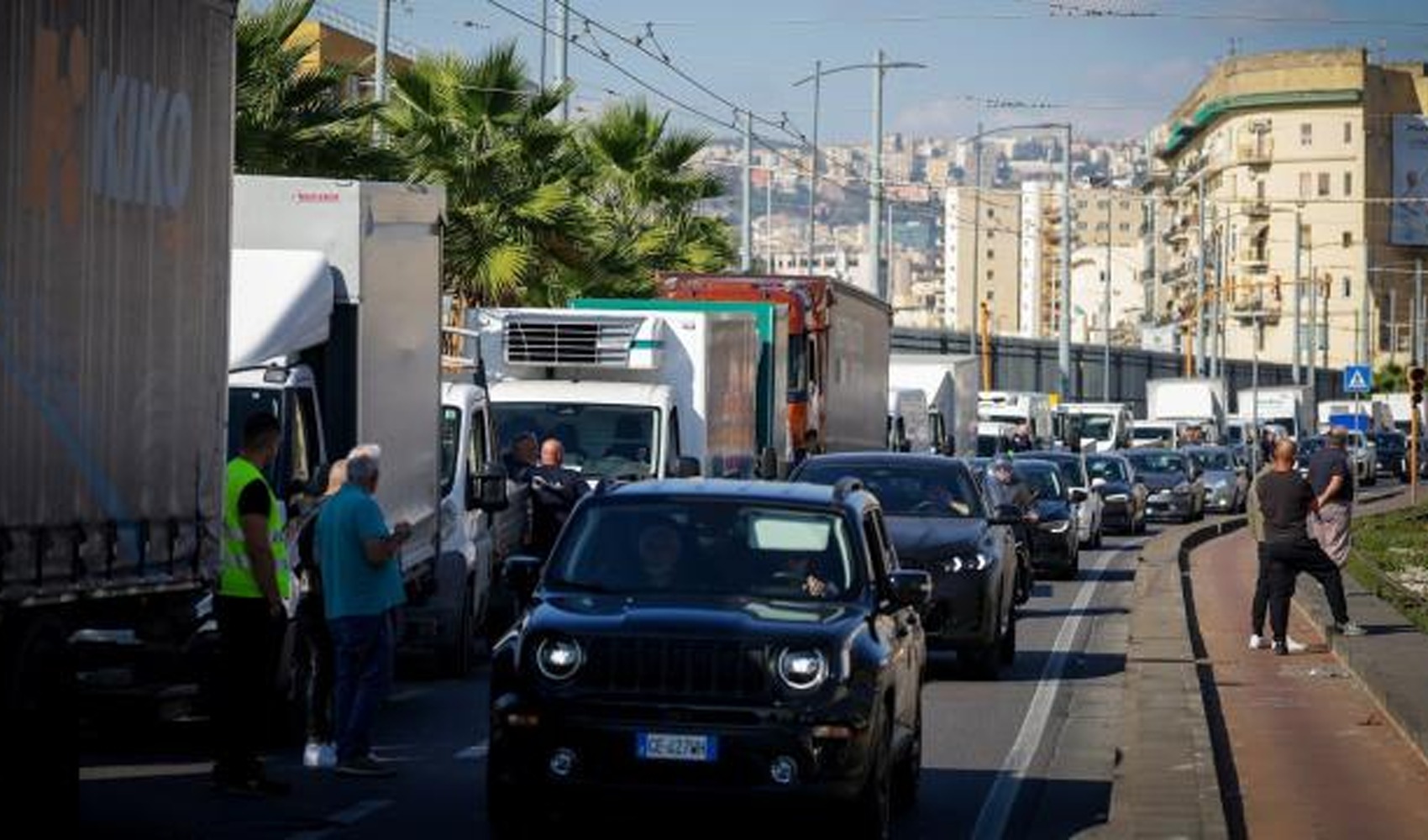
Diesel protest in Italy brings roads to a standstill

Is it time for the Turkish Parliament to revoke its 31-year-old 'Casus Belli' decision?

No to the 'opening' bar masked as change, yes to the Republic's bar
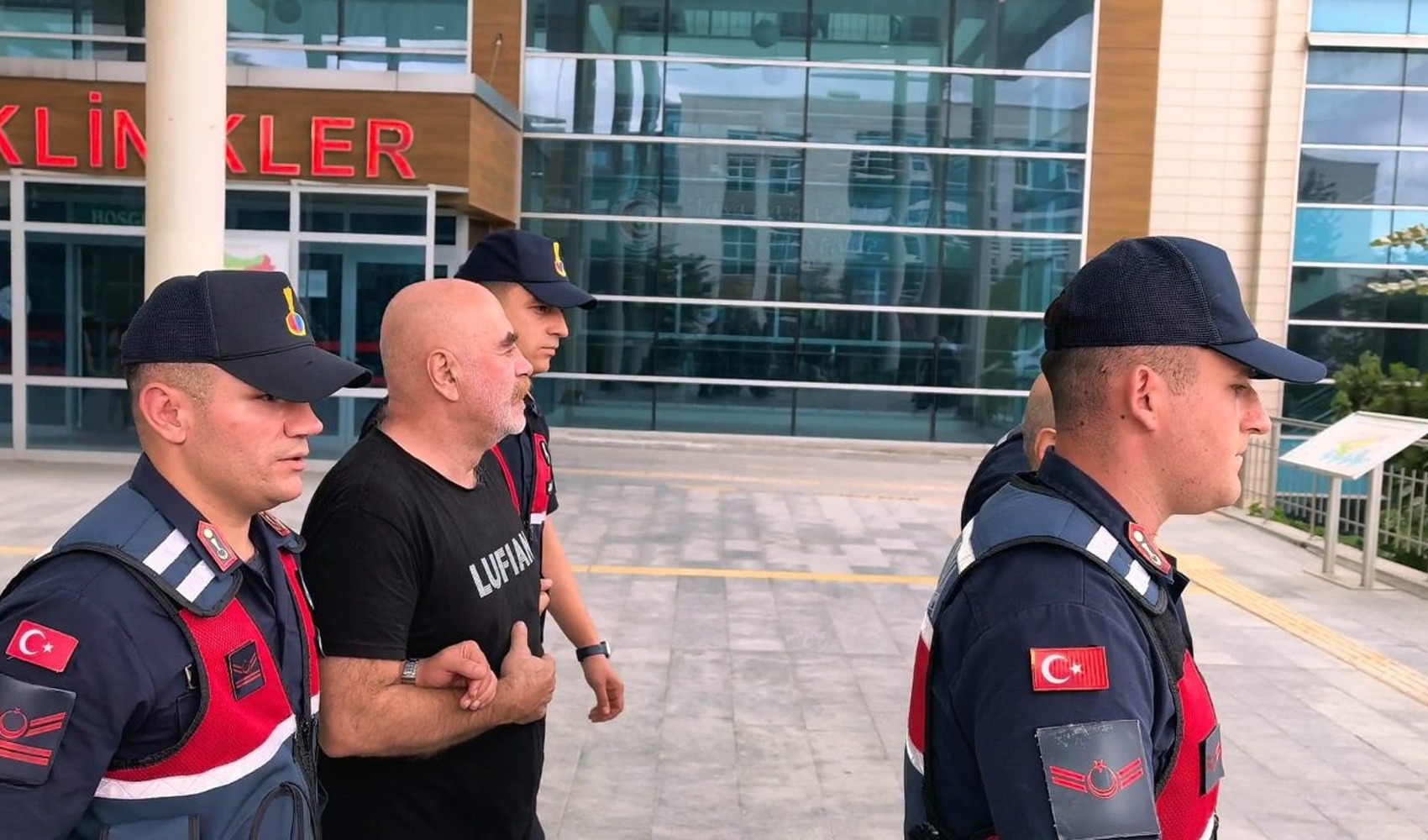
Ezel Akay and his brother's test results came back positive

Why is Paris burning? The crisis of the welfare state and the revolt of social justice

The politics of particles and the financing puzzle: 'Calamitous questions'

A new balance in the Eastern Mediterranean
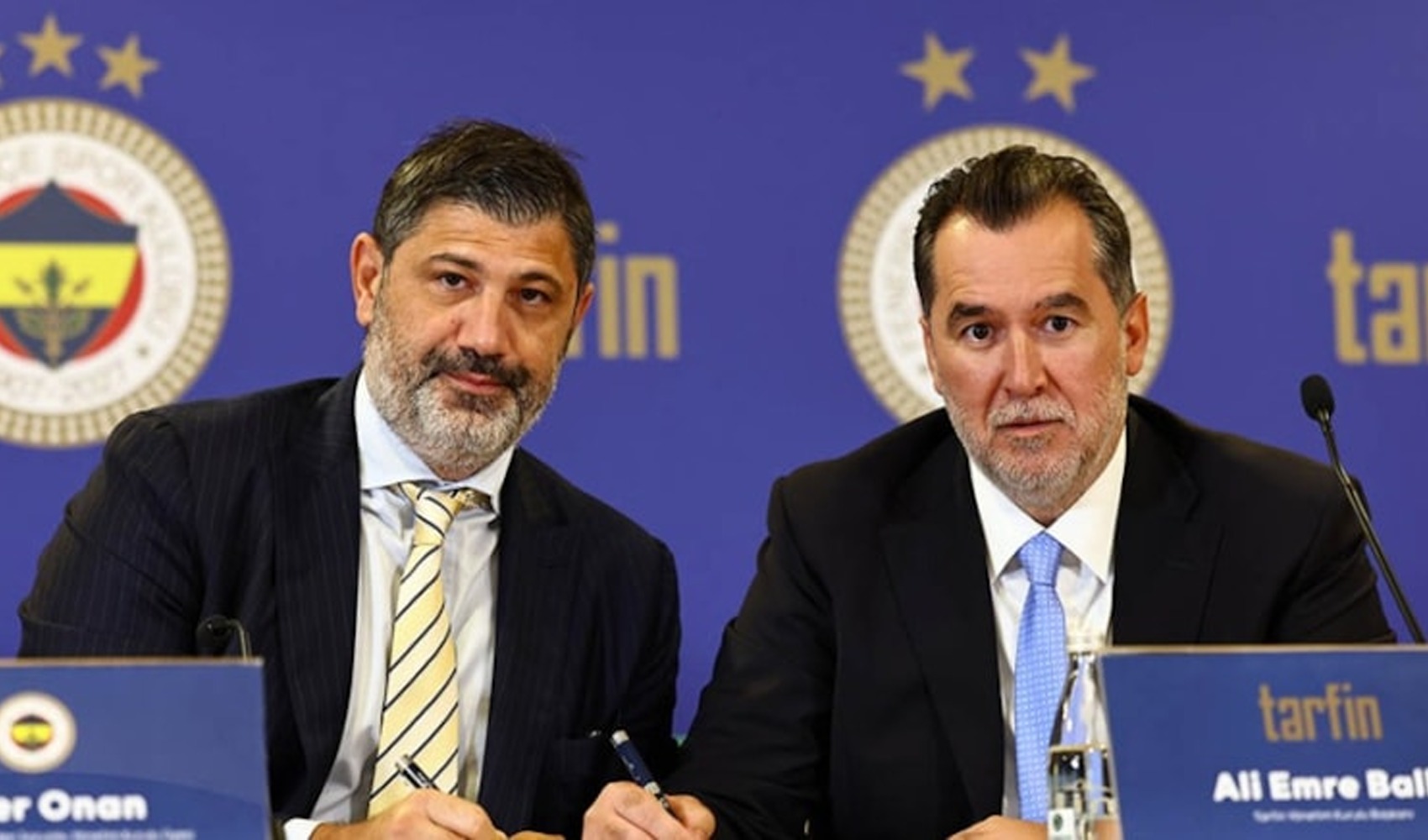
Fenerbahçe's sponsor in crisis