


The 'Turk' obsession of those who govern Turkey



The period of the Ottoman Empire's decline and collapse was also a period of reverse migration from the periphery to the center. The Ottoman Rumelia, which expanded through conquests until the end of the 16th century, was populated by Yörük/Turkmen communities migrated from Anatolia to the Balkans. The Ottomans called the settlement of Yörük/Turkmen people in newly conquered lands "şenlendirme" (making prosperous/populating). These elements, who were migrated from Anatolia especially to Rumelia, are called "Evladı Fatihan" (Children of the Conquerors).
After every defeat during the Ottoman decline and collapse, ethnic cleansing, ruthless brutality, and forced migration were triggered against the Evladı Fatihan. We are talking about a period where people left behind the lands and homes their ancestors had made prosperous and cultivated for centuries, and only those who could reach the other side of the border with the pots, pans, and mattresses they could load onto their oxcarts were able to save their lives. After every defeat, the hundreds of thousands who hit the road again with their oxcarts along with the lost territories were no longer called Evladı Fatihan, but refugees!
Moreover, the massacres triggered by Slavic and Greek chauvinism in the Balkans were not directed solely at Turks. They also encompassed elements such as Bosniaks, Albanians, and Pomaks, who had religious, cultural, and emotional ties to the Ottoman Empire. These ethnicities, sharing the same fate, chose our country to live with us, both during the Ottoman period and the Republican period. Adopting Turkey as a homeland and voluntarily embracing a Turkish identity is the natural result of centuries of interaction.
The Caucasus peoples, who resisted the occupation of Tsarist Russia for many years, also turned to Turkey for mass migration after their defeat. Following the great migration after 1864, the Turkish Nation embraced those who came to the land of the Caliph-Sultan as brothers and shared their bread and meals. The settlement in Jordan, Syria, Lebanon, and the Balkans, which were Ottoman territories before World War I, was an event of providing new homes to these communities expelled from their lands.
Up to this point, we have tried to explain the political, social, and cultural background stemming from the Ottoman era regarding the Republic of Turkey's acceptance of individuals and groups of Turkish descent and within the Turkish cultural sphere into citizenship by including them in the definition of immigrants. Turkey, the final station of centuries of migration from the Ottoman Balkans and the Caucasus, is undoubtedly the common homeland of everyone who has adopted Turkishness as a sense of belonging, even if they have different ethnic roots.
The statement in the first sentence of Article 66 of the Constitution, titled "Turkish Citizenship," which says, "Everyone bound to the Turkish State by the bond of citizenship is a Turk," is another expression of the historical process described above. Instead of other and coercive criteria for Turkishness, the bond of citizenship has been taken as the basis. The definition of Turkishness in the Constitution is the result of an embracing understanding, not an exclusionary or restrictive one.
October 29, 1923, is the ingeniously designed political architecture of a state and regime design. The establishment of the Republic based on a nation-state and unitary structure should never be seen as an arbitrary choice. This choice is the result of painful lessons learned from history. The nation-state and unitary structure are the political beams and columns that keep the Republic of Turkey standing and ensure its continued existence. The fact that the bond of citizenship is seen as sufficient for Turkishness facilitates the formation of Turkish identity on a voluntary basis.
It is worrying that those who govern the state do not see Turkish identity as a unifying, integrating common denominator, but define it as a coercive model of an oppressive, chauvinistic, and anti-democratic understanding. It is terrifying that while Turkish identity is recklessly eroded and devalued, other ethnicities are brought to the agenda as alternatives to Turkishness, encouraged, and almost sanctified.
Attempts to create ethnic motivation by reminding certain individuals and communities who have combined their fate and identity with Turkishness—and have become Turkish in this sense—of their past origins can be described as nothing other than betrayal, if not sheer ignorance!
In short, the root of the problem lies in the fact that those who are responsible for ensuring the unity of the Turkish Nation and protecting and developing its language and culture have not been able to internalize Turkishness due to their obsession with sub-identities.
Would you like to get notifications about new developments and save news?
- NotificationsNew developments and breaking news
- SaveNews is stored in the app
Most Read

National Anthem surprise from Japanese Ambassador
Kılıçdaroğlu sends formal notice to YENİ Party
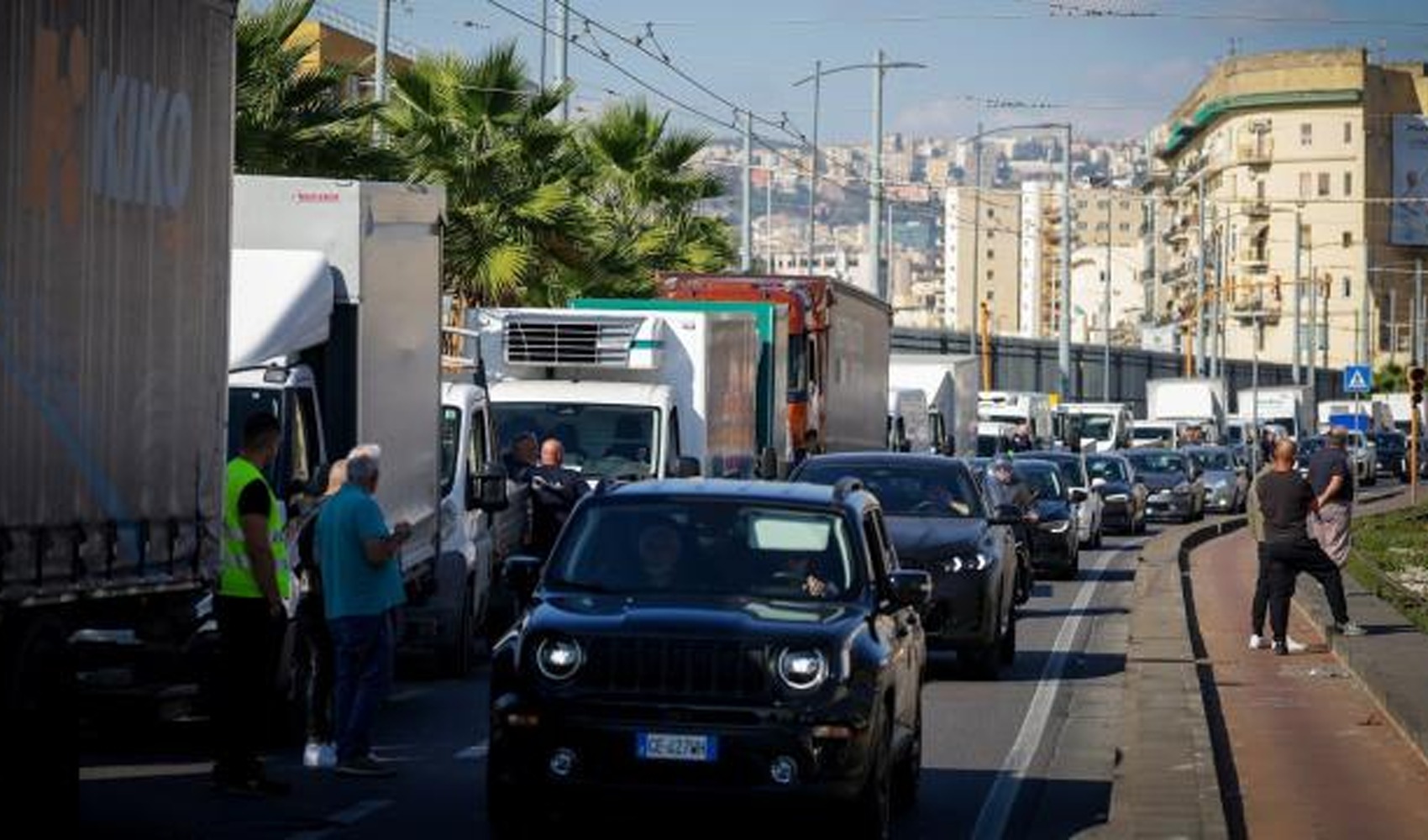
Diesel protest in Italy brings roads to a standstill

Is it time for the Turkish Parliament to revoke its 31-year-old 'Casus Belli' decision?

No to the 'opening' bar masked as change, yes to the Republic's bar
Ezel Akay and his brother's test results came back positive

Why is Paris burning? The crisis of the welfare state and the revolt of social justice

The politics of particles and the financing puzzle: 'Calamitous questions'

A new balance in the Eastern Mediterranean
Fenerbahçe's sponsor in crisis