


Honey and the finger: Cyanide, politics, and power



CYANIDE GOLD DIARIES FROM BERGAMA-31
According to data from the Republic of Türkiye Ministry of Energy and Natural Resources for June 2026, a total of 28.21 tons (28,210 kilograms) of gold was produced in Türkiye in 2025.
This amount, obtained using cyanide, is based on official production records.
However, it is not clear from publicly available data to what extent the potential discrepancies between company reports and actual production are audited.
The market value of the gold produced by Türkiye in 2025, based on October 2026 prices (1 ounce of gold at 4,190 dollars), is approximately 3.8 billion dollars.
This amount corresponds to only 0.24 percent of Türkiye's 2025 national income.
Moreover, this entire sum does not represent the value added to the national economy.
Conversely, the economic cost of the damage caused by gold mining to nature has not been included in this calculation.
The excavated soil, destroyed forests, degraded agricultural lands, consumed water resources, and the mine waste left behind...
Some carcinogenic, some lethal chemical waste: heavy metals; cyanide compounds, arsenic, cadmium, etc.
Their effects can be instantaneous or last for generations.
Therefore, one must ask: Is it worth risking nature and humanity to this extent to create such a limited economic value within the national income?
This is where the social problem begins.

(“He who possesses gold can acquire all he desires.” -Christopher Columbus, 1503; cited by Karl Marx, Capital)
***
There is also no precise or aggregate data on how much cyanide was used in Türkiye to obtain this amount of gold.
The amount of cyanide used in gold mining varies depending on the gold content of the ore and the production method applied.
Assuming that one ton of ore contains an average of 1.5 grams of gold (more or less in some mines), that 85% of this is recovered, and that 0.5 kilograms of sodium cyanide is consumed in processing one ton of ore, it is calculated that approximately 22 million tons of ore may have undergone cyanide processing and 11 million kilograms (11 thousand tons) of sodium cyanide may have been consumed to obtain 28.21 tons of gold.
That is, 22 million tons of ore being poisoned and turned into toxic waste.
And if we assume the amount of “waste rock” is 1–1.5 times the extracted ore, there is the existence of approximately 22–33 million tons of “waste rock”—that is, the rock and soil excavated to reach the ore that is not processed—and the damage these can cause to the environment…
In total, 44–55 million tons of toxic waste and waste rock.
If this waste were collected in a single place, it would form a mountain approximately 250 meters high with a base exceeding 650 meters. Nine to twelve times the size of the Great Pyramid of Giza. For a single year's production.
When the years since Bergama-Ovacık are added up, the mountain turns into a mountain range.
And this is a cautious assumption; the actual amount could be higher.
This is a terrifying amount.
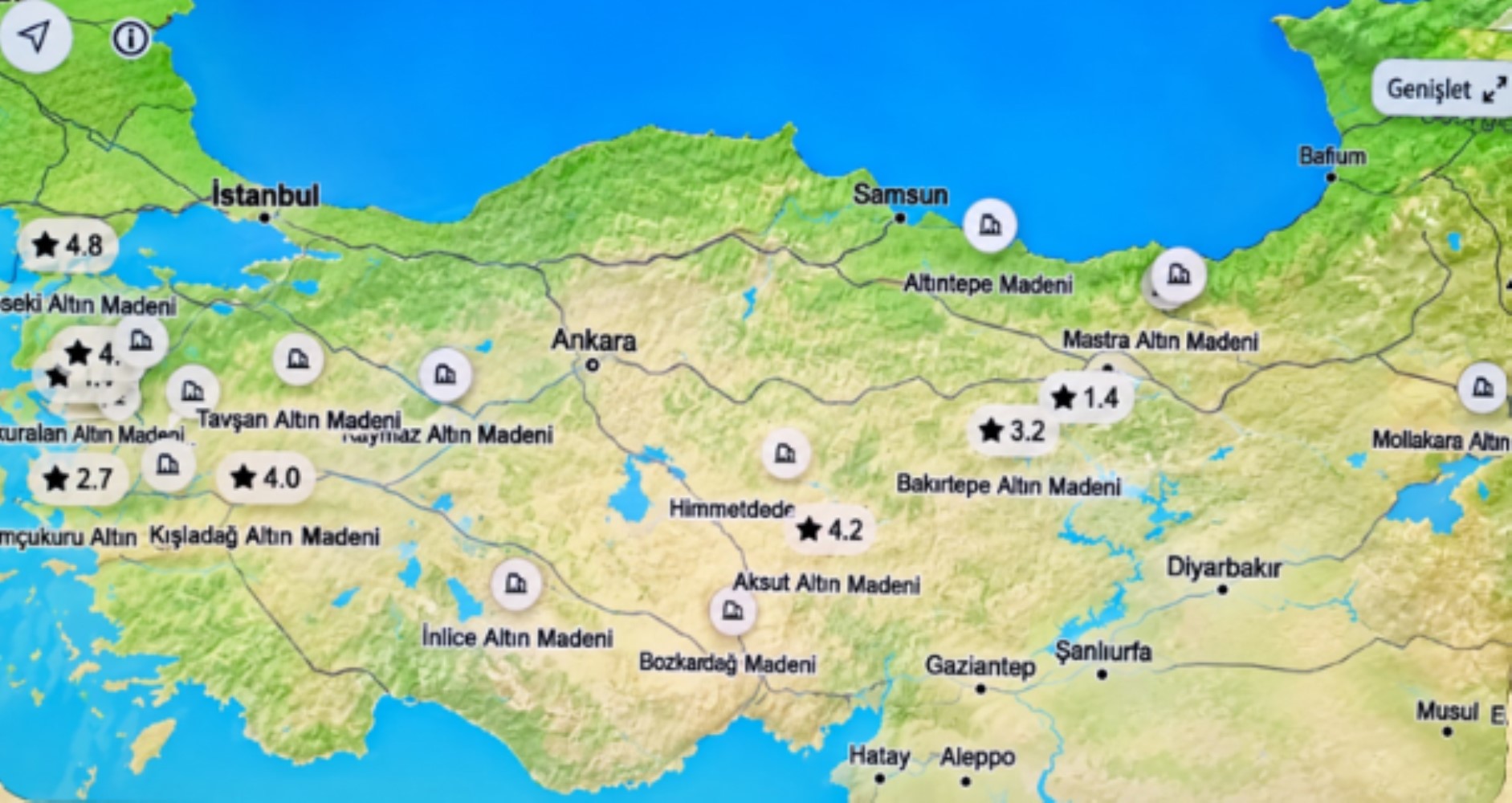
(Most of the cyanide/toxic gold mine sites currently operating in Türkiye)
However, these are not precise official usage data, but approximate amounts based on assumptions.
Although not all of the cyanide used is released into nature, the processing of millions of tons of ore with cyanide and the management of the resulting toxic waste can pose serious risks to the environment and human health.
It should not be forgotten that even one gram of sodium cyanide is a poison powerful enough to threaten human life.
In this context, to understand the point reached today, one must return to those years, to the days when cyanide gold mining, which caused environmental disasters in many places around the world, was trying to enter Türkiye.
Because this process contains important lessons and warnings that remain valid today from political, social, scientific, and legal perspectives.
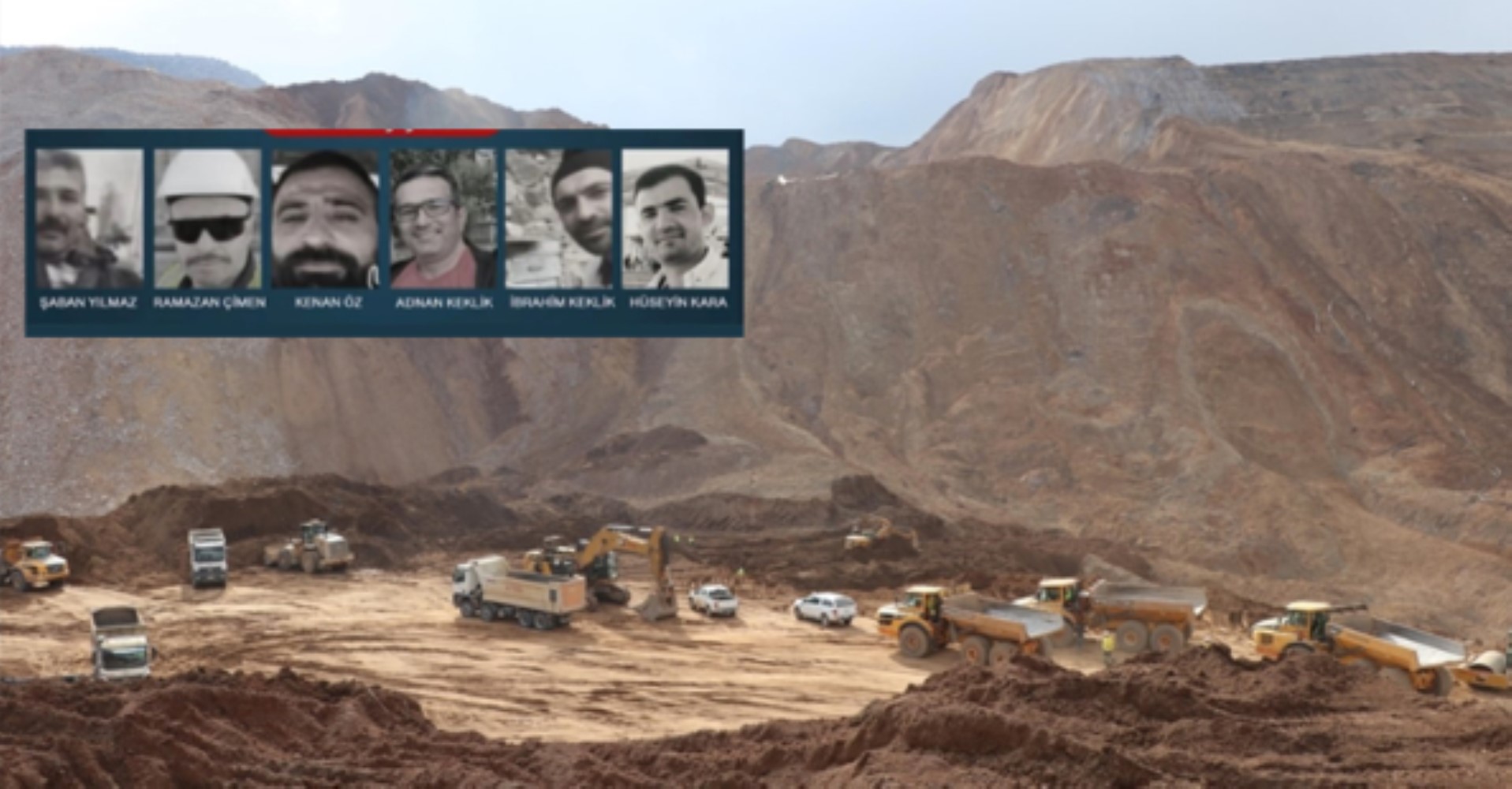
(The situation at the cyanide gold mine in Erzincan-İliç after the environmental disaster that occurred on February 13, 2024, and the workers who died after being buried under toxic waste)
***
The mid-1990s were years when Türkiye was tested not only by political coalitions but also by its understanding of the environment, development, and democracy.
On one side were short-lived governments, economic crises, and shifting political balances; on the other, there was an environmental struggle rising in Bergama that gradually transcended the country's borders.
The debate shaped around the cyanide gold mine intended to be established in Ovacık-Çamköy near the city of Bergama eventually went far beyond a mining project; it turned into a democracy test that questioned the state's decision-making processes, the public's right to participate in governance, the value of scientific knowledge, and the attitude of the political institution toward social demands.
In this process, while deputies from different parties, ministers, bureaucrats, scientists, and villagers became parties to the same debate, Bergama emerged from a small district of Anatolia and turned into a symbolic field of struggle for Türkiye's environmental history.
In this environment, a power that grew larger every day was accumulating in the squares of Bergama-Çamköy, in the courts of İzmir, and on European platforms: an organized, conscious, and indomitable public will.
The state could not take a clear stance on the cyanide gold issue; some ministers like Teoman Rıza Güneri offered partnerships to the company on behalf of the state and tried to persuade the villagers, while others left their seats without being able to keep their promises.
But the villagers did not leave; they resisted.
Women who memorized the 1990 Bergen Declaration, which proposed granting the public the right to have a say in the face of potential environmental damage, village headmen who learned the chemistry of cyanide, and environmentalists who knew their rights and laws stood tall.
Against them, neither coalition games, nor the changing winds of Ankara, nor various types of persuasive efforts could hold up.
However, in the following years, the rigid stance of high-level state officials who ignored court decisions and the dirty slanders cast upon the leaders would rise against this will.
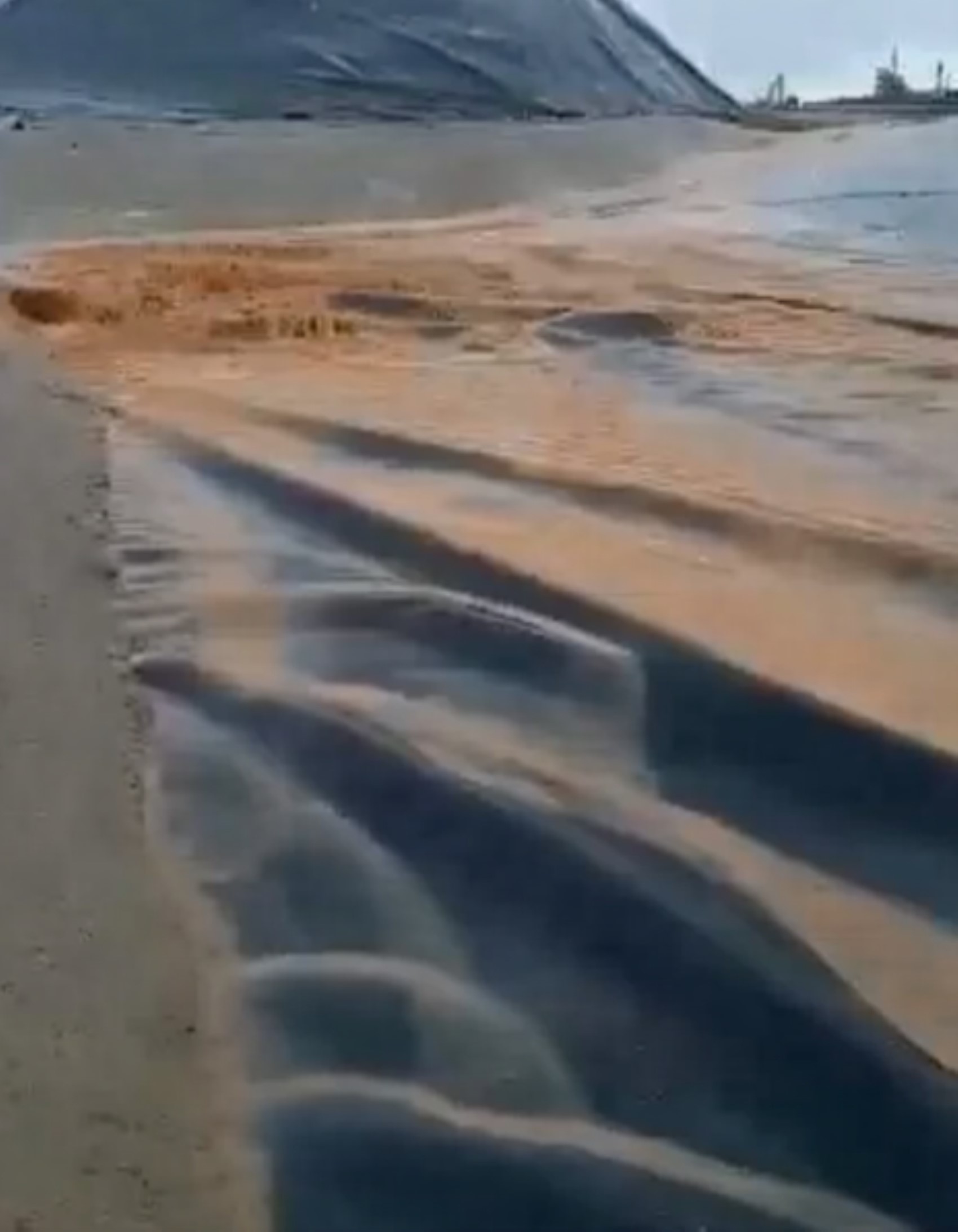
(The environmental disaster caused by the toxic waste spill at the cyanide gold mine operated by Altıntepe Madencilik Sanayi ve Ticaret A.Ş., affiliated with Bahar Madencilik, in Ordu-Fatsa. March 2023. : Odatv: https://www.facebook.com/watch/?v=544606854226172)
)
***
The general elections held on December 24, 1995, are a breaking point in Türkiye's political history.
The DYP–CHP coalition government (52nd Government) led by Prime Minister Tansu Çiller lost power with these elections.
This loss was not just a change of government; it was also decisive in terms of the disintegration of the center-right, the rise of political Islam, and the deepening of coalition crises.
The heavy social cost created by the 1994 economic crisis, high inflation, unemployment, and loss of income had seriously eroded the voters' trust in existing political actors; this situation led to a rapid melting of the voter base of traditional center parties.
The competition between the DYP led by Tansu Çiller and the ANAP led by Mesut Yılmaz shattered the integrity of the center-right; similarly, the fragmentation on the center-left led by Bülent Ecevit and Deniz Baykal prevented the emergence of a strong and stable alternative.
Within this fragmented structure, the Welfare Party (Refah Partisi) led by Necmettin Erbakan rose to the position of the first party by gaining broad voter support with its rhetoric of social justice, anti-corruption, and a “just order.”
However, the fact that no party could come to power alone condemned Türkiye to weak and short-lived coalitions; this situation both reduced the effectiveness of the executive branch and increased the tensions between bureaucracy, politics, and the economy.
Therefore, the December 24, 1995 elections can be evaluated not just as a ballot box result, but as a historical threshold where state-society relations, forms of political representation, and power balances began to be reshaped.
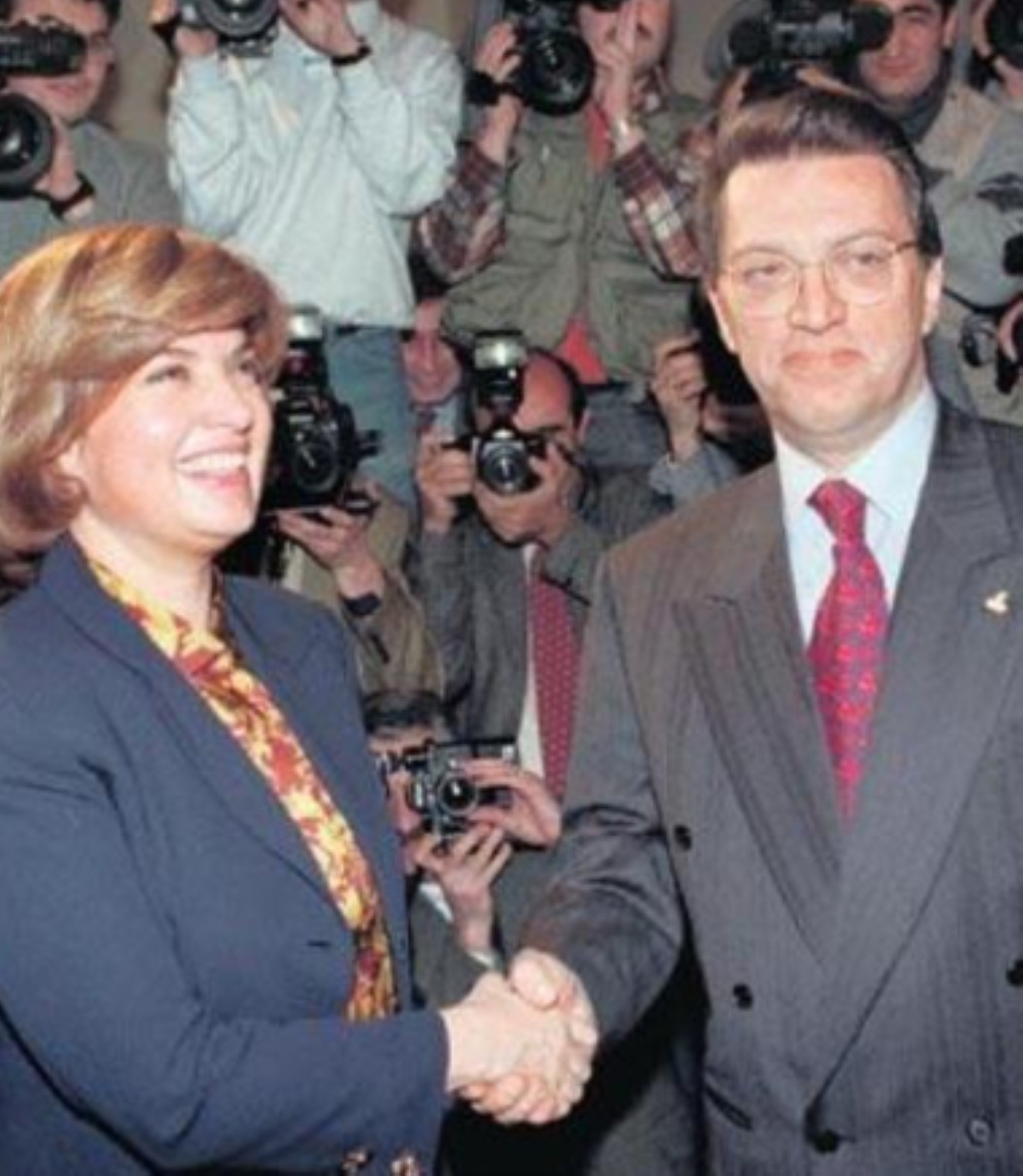
(Tansu Çiller and Mesut Yılmaz)
***
The Welfare Party emerged from the December 24, 1995 elections as the first party: 21.4%.
It was followed by ANAP (19.7%) and DYP (19.2%). DSP remained at 14.6%, and CHP at 10.7%.
MHP and HADEP remained below the threshold.
The interesting thing was this: ANAP had received more votes than DYP but entered Parliament with fewer deputies. A quirk of the electoral system.
A single-party government had not emerged from the ballot box.
However, many deputies were eager to take office in the government that could be formed.
Together with the newly elected ones, the ANAYOL (ANAP + DYP) 53rd Government was formed on March 6, 1996, under the premiership of Mesut Yılmaz.
Interestingly, Adana Deputy İmren Aykut, who expressed that she was an environmentalist, became the “state minister responsible for family issues” in this cabinet, and Gaziantep Deputy Mustafa Taşar became the “minister of environment.” Both were from ANAP.
In those days when the actions of the Bergama villagers were peaking and their justification was widely accepted by the public, it was rumored that Minister of Environment Mustafa Taşar, author of the book “Nationalism, Conservatism, Democracy,” was cold toward cyanide mining.
Mustafa Taşar was an interesting personality.
In 1991, when Turgut Özal was President and his wife Semra Özal was a candidate for the ANAP İstanbul Provincial Presidency, Mustafa Taşar, who was conducting political work at The Marmara Hotel in Istanbul to support Semra Özal, alluded to the US commander of the Gulf War, Norman Schwarzkopf, and said, “Just as the commander of the Gulf War, Norman Schwarzkopf, is the ‘Desert Bear,’ I am the ‘Hotel Bear.’”
These words resonated widely in the press, and the nickname “Hotel Bear” became identified with Mustafa Taşar. (https://www.internethaber.com/kendini-otel-ayisi-ilan-etmisti-60727).
Mustafa Taşar, who had such recognition and was also the Minister of Environment, showed sensitivity against the invasion of the country by “cyanide gold miners.”
When Bergama Mayor Sefa Taşkın learned of this situation, he took action. An appointment was made with Minister Mustafa Taşar for April 24, 1996, through CHP deputies Aydın Güven Gürkan, Ali Rıza Bodur, Veli Aksoy, and Birgen Keleş. The Bergama issue was explained in the group meeting attended by the deputies.
Mustafa Taşar knew that his own Ministry had given a positive EIA report for cyanide gold mining in Bergama in 1994, and that the Eurogold company had received operating licenses from some state institutions regarding this.
It was understood that the state's Minister of Environment saw that the cyanide gold mining entering Anatolia via Bergama was not a good thing, and he was uneasy about this situation.
Mustafa Taşar clearly declared in front of the CHP deputies and the Mayor that he would do his best to ensure this mine was not operated.
Look at that!
For the first time, a high-level official at the ministerial level within the state hierarchy was opposing cyanide gold mining in Bergama.
Should one rejoice?
However, the 53rd Government lasted about three months due to disagreements and political crises within the ANAYOL coalition and collapsed.
Mustafa Taşar, who gave the impression that he would take a stance toward saving the country from the cyanide gold scourge, also left the Ministry of Environment.
It is unknown what would have happened if he had remained in office, but that was his situation.
Mustafa Taşar lost his life in a traffic accident in Afyonkarahisar on January 3, 2007.
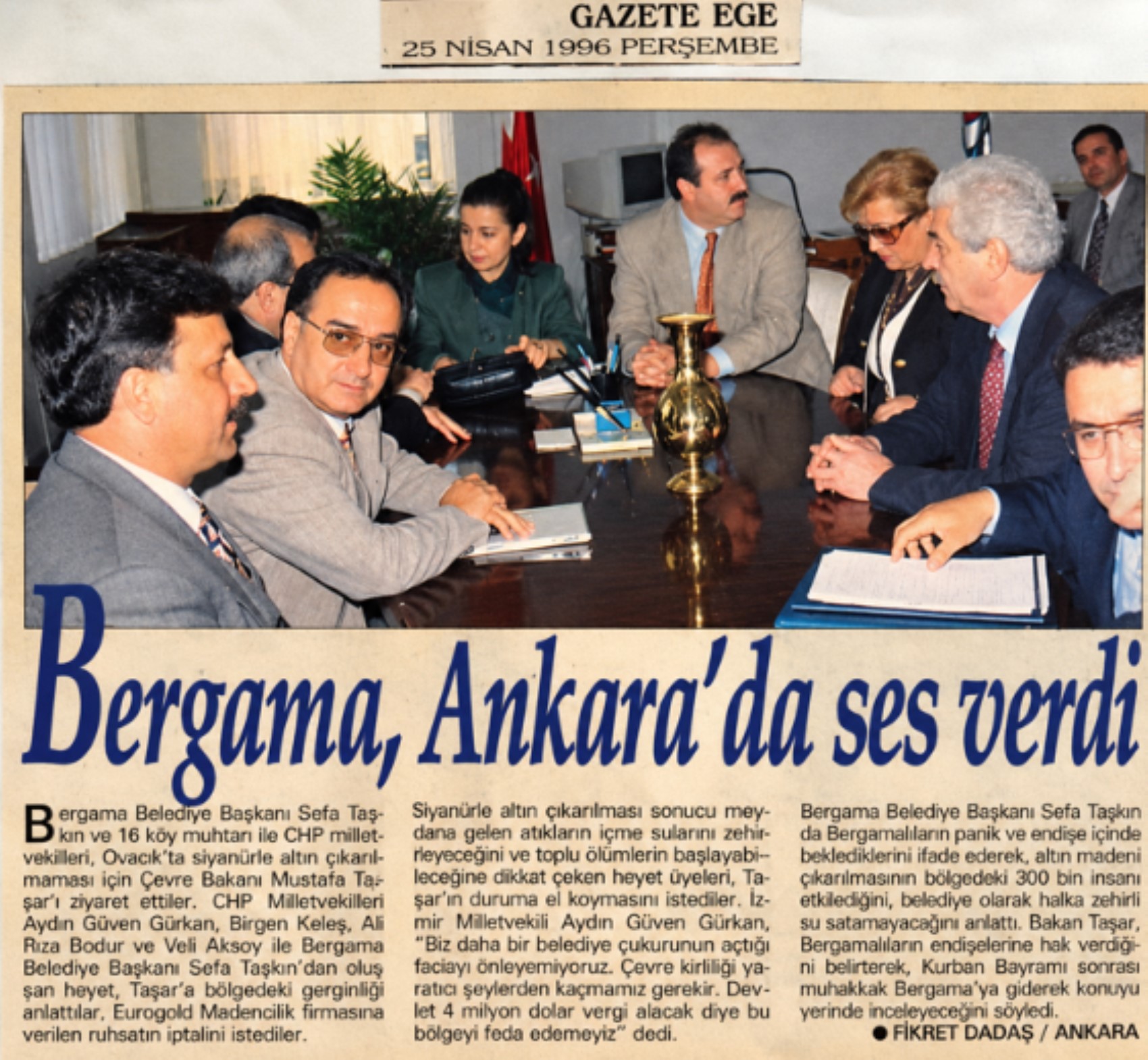
(A historical photo: Deputies Birgen Keleş, Ali Rıza Bodur, Aydın Güven Gürkan, Veli Aksoy, Mayor Sefa Taşkın, and Minister Mustafa Taşar and a ministry official at the Ministry of Environment: He was against Cyanide Gold Mining. He left office shortly after)
***
Subsequently, the 54th Government of the Republic of Türkiye, known as “Refahyol,” was formed on June 28, 1996, by the Welfare Party (RP) and the True Path Party (DYP).
Necmettin Erbakan was Prime Minister, and Tansu Çiller was Deputy Prime Minister.
Ağrı Deputy Ziyaettin Tokar was appointed as Minister of Environment.
In the new political environment, the Bergama cyanide gold incident was also frequently on the agenda.
The debates of scientists in universities, the cases heard in İzmir courts, the occasionally rising resistance of the villagers, and the determined stance of the Bergama Municipality were also attracting attention in the Turkish Grand National Assembly (TBMM).
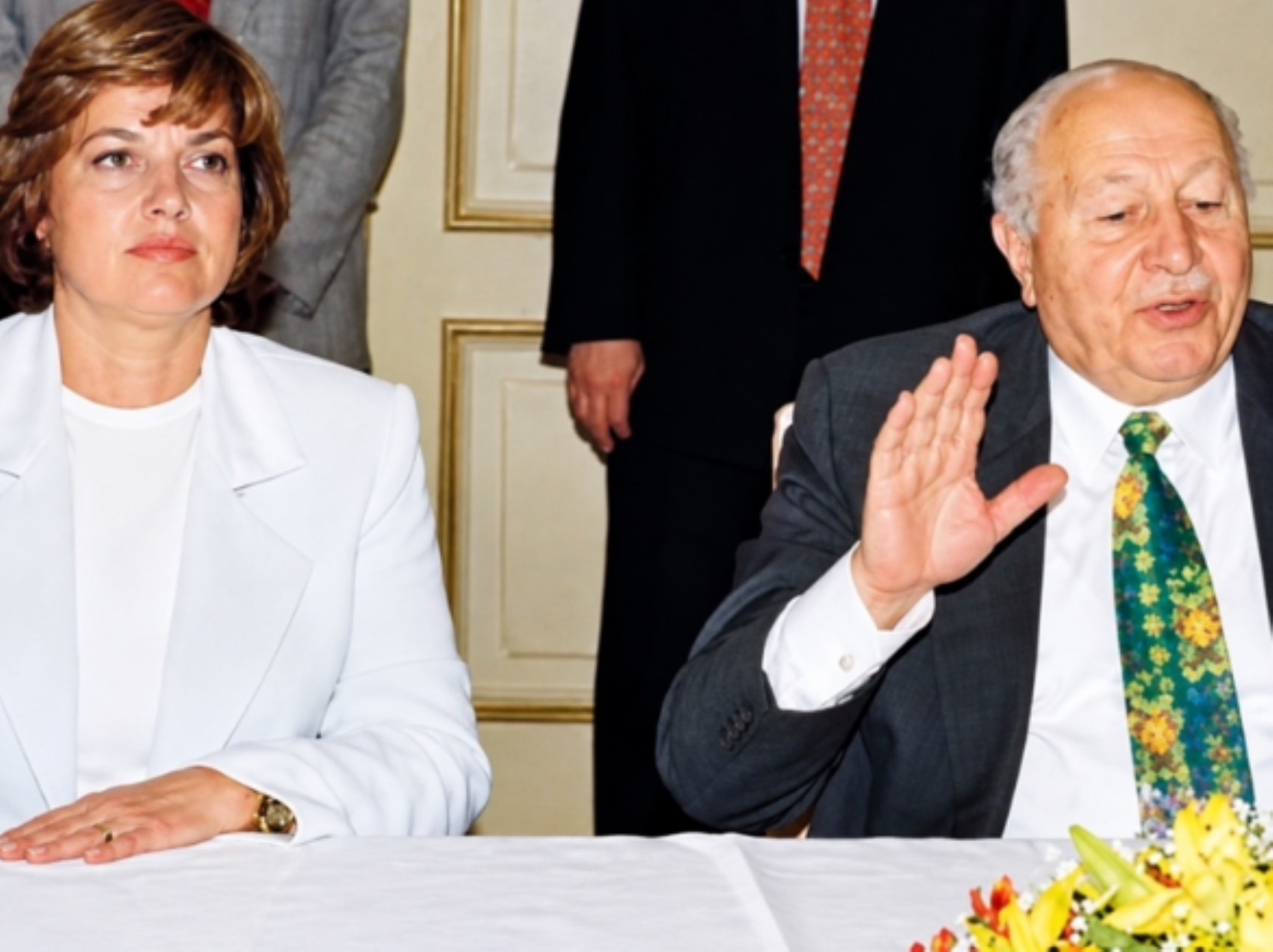
(Tansu Çiller and Necmettin Erbakan)
Not only CHP deputies but also deputies from other parties wanted to help the people of Bergama.
Işın Çelebi from ANAP and Rıfat Serdaroğlu from DYP were following the issue closely.
The Bergama events were gradually becoming a national issue. In fact, they already had.
While developments were continuing in this environment; Adana Deputy İmren Aykut (ANAP), who was following the situation in Bergama and appeared to want to help the villagers and environmentalists against the cyanide users, called Bergama Mayor Sefa Taşkın via teleconference in mid-July 1996, along with İzmir Deputy Şükrü Sina Gürel (DSP), after the new government was formed.
İmren Aykut was a politician who had served as a minister before, and Şükrü Sina Gürel was a professor very close to Bülent Ecevit who would later become a minister.
In the conversation held with both of them, the deputies said in unison that they were very impressed by the actions taken by the Bergama villagers, that they understood their troubles, found them justified, and wanted to help.
So, even though they belonged to different political parties, they had talked among themselves before and a consensus had formed on this issue...
This was a good situation!
How beautiful these approaches were for the sheep, lambs, butterflies, mothers, and their children!
In addition to CHP politicians, non-CHP deputies were also listening to the voice of the people.
As the Bergama villagers said, when “cyanide” entered human blood, it did not ask anyone, “Are you CHP, DYP, or ANAP?”
It did not distinguish anyone; it affected them immediately.
Cyanide was an extremely powerful poison that prevented cells from using oxygen. Its effect could begin in seconds and lead to death within minutes.
Environmental protection was a common problem for humanity.
If there is no healthy environment, there is no life!
In Bergama; deputies from ANAP, DYP, and DSP were joining the CHP deputies in the political leg of the “Ecological Paradigm,” which consisted of the public, science, law, communication, and peaceful actions.
Sefa Taşkın informed his friends and the villagers of this situation.
Some rejoiced: “It can't be done without politics!”, they said, “but one must be consistent.”
Others shrugged: “You can't trust a politician!”.
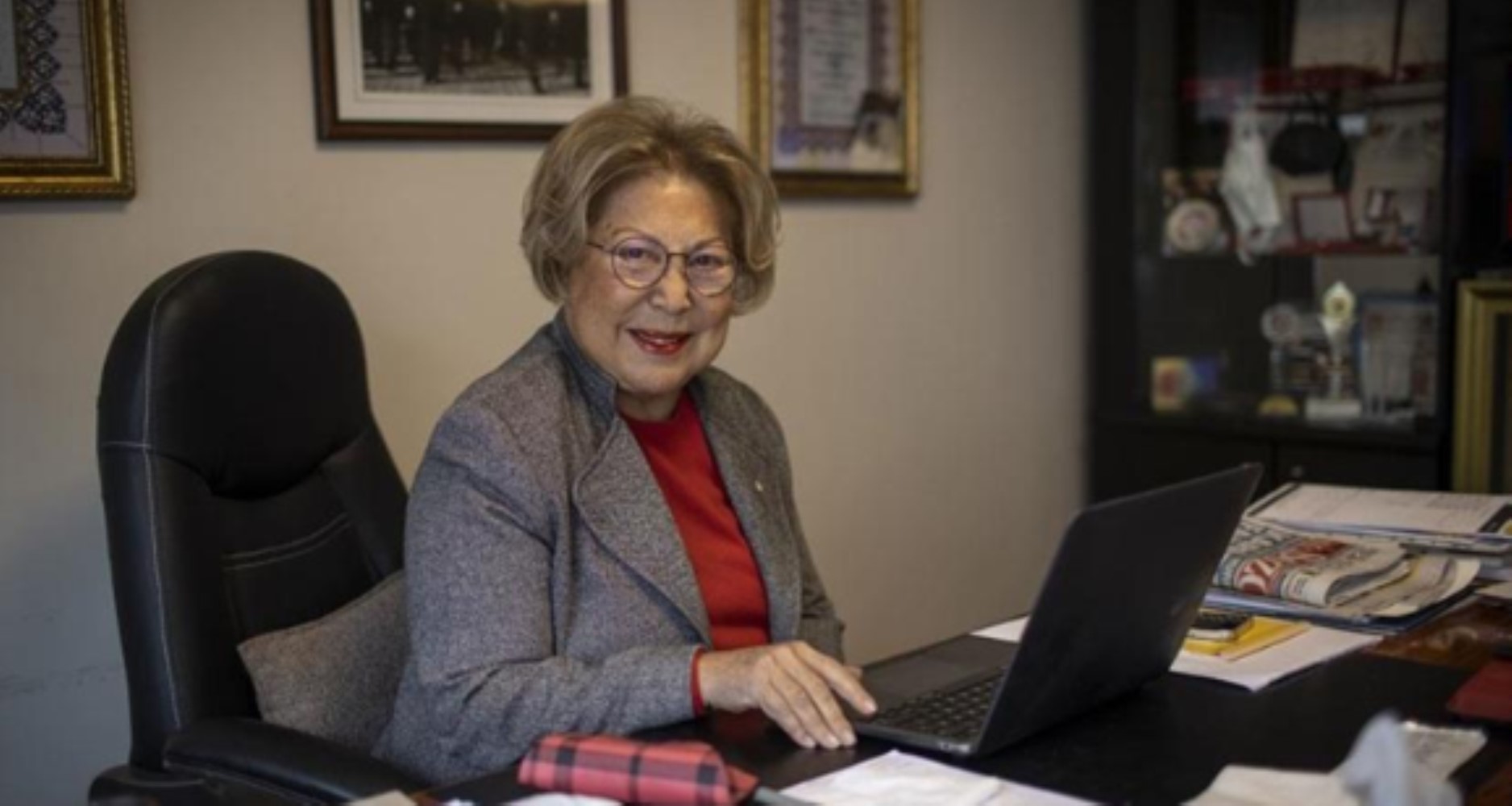
(İmren Aykut)
***
The most interested among this duo was ANAP Adana Deputy İmren Aykut.
During this process, İmren Aykut frequently called the Bergama Mayor and expressed her support.
Weren't women at the forefront of the Bergama environmental actions?
This support was for now only in words, but politics would show itself in another way.
The 54th Government led by Necmettin Erbakan would not last long either; it would receive a heavy slap from a segment of the state on February 28, 1997, resign on June 18, about a year after its establishment, and leave its place to ANASOL-D on June 30.
Mustafa Taşar, who appeared against the cyanide users in this 54th Government, and İ. Aykut and Ş. S. Gürel, who wanted to help the Bergama villagers, were not there, but there was Teoman Rıza Güneri, a deputy elected from Konya.
(Environment-conscious citizens distributing leaflets in Bergama)
***
Teoman Rıza Güneri was born in Konya in 1960, and even in his high school years, he had listened to the conversations of Mehmet Zahit Kotku Hoca Efendi and benefited from his lessons.
During his high school years, he had served in the National Turkish Student Union and the Akıncılar organization. During his university years in Sakarya and Istanbul, he had attended the Hoca Efendi's conversations every week to reinforce his spiritual education.
Between 1978 and 1980, he attended the conversation at the İskenderpaşa Mosque in Istanbul every weekend, sometimes stayed in Istanbul for a day or two, held consultations with his Islamist friends struggling in universities, and tried to be in solidarity with them.
(https://www.emirdag.com.tr/index.php/haberler-mainmenu-2/13-ekonomi/7577-devlet-eski-bakan-teoman-r-za-gueneri)
Teoman Rıza Güneri graduated from the Mechanical Engineering Department of the Istanbul Technical University Sakarya Engineering Faculty, worked as a production manager in a packaging factory, engaged in construction contracting, and served as the general manager of the Merhaba Newspaper published in Konya and as a board member of KONTV. (https://tr.wikipedia.org/wiki/Teoman_R%C4%B1za_G%C3%BCneri)
He seems to have been a conservative, quite social young man with a close interest in politics.
In later years, he did not withdraw from politics or social activities. He served in the organizations of the National Salvation Party and later the Welfare Party, was elected as a Konya deputy from the Welfare Party in the 1995 elections, and served as a Konya deputy in the TBMM during the XX. and XXI. Terms.
After the closure of the Welfare Party, he served in the Virtue Party, the Felicity Party, and the HAS Party, served as the Deputy Chairman of the HAS Party, and acted together with Numan Kurtulmuş, the founder of this party, during the process of the HAS Party joining the AK Party.
Teoman Rıza Güneri served as a State Minister in Erbakan's 54th Government, but his ministry did not have a legally defined framework.
He was known in the public eye especially as the State Minister responsible for mining and became one of the names representing the government in the Bergama Ovacık Gold Mine debates.
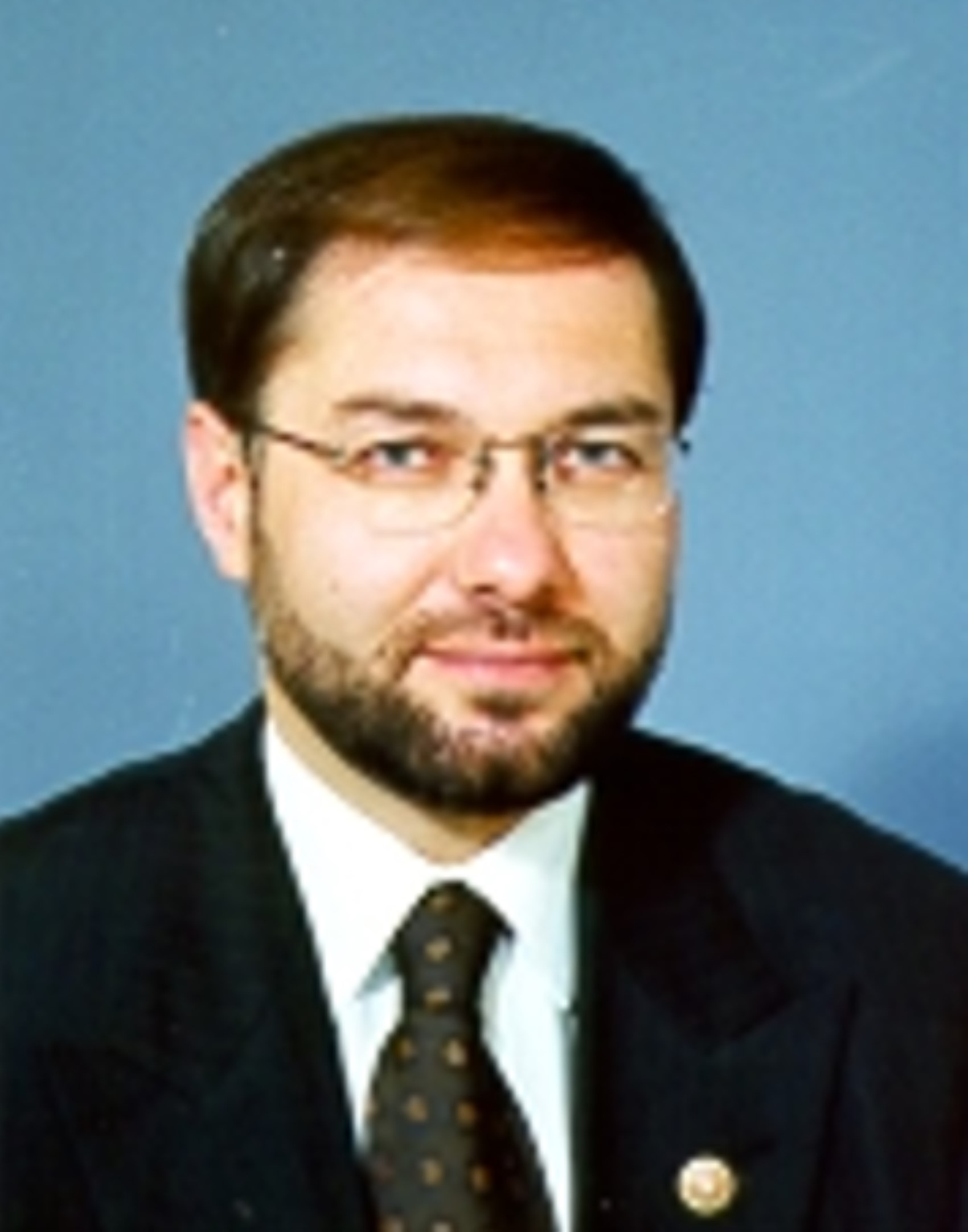
(Teoman Güneri)
***
One government was leaving, another was coming, but the Eurogold company, the Bergama branch of the international Cyanide Octopus that was attempting to invade to pollute Türkiye's lands, was weaving its webs stitch by stitch through its connections in Ankara.
Like a black spider!
It was convincing state echelons step by step and obtaining permits.
However, the resistance of the villagers and the raising of voices by environmentalists at home and abroad were delaying the final decision of visible or invisible state officials regarding handing the country over to the mercy of the cyanide users at the threshold of Bergama; these officials were asking the cyanide company to convince the public on one hand, while probing company officials through different channels on the other.
The frequently changing coalition governments had not yet taken a clear step due to the different tendencies they contained.
The wealth that gold would bring, which the cyanide users talked about with such relish, was not failing to dazzle eyes.
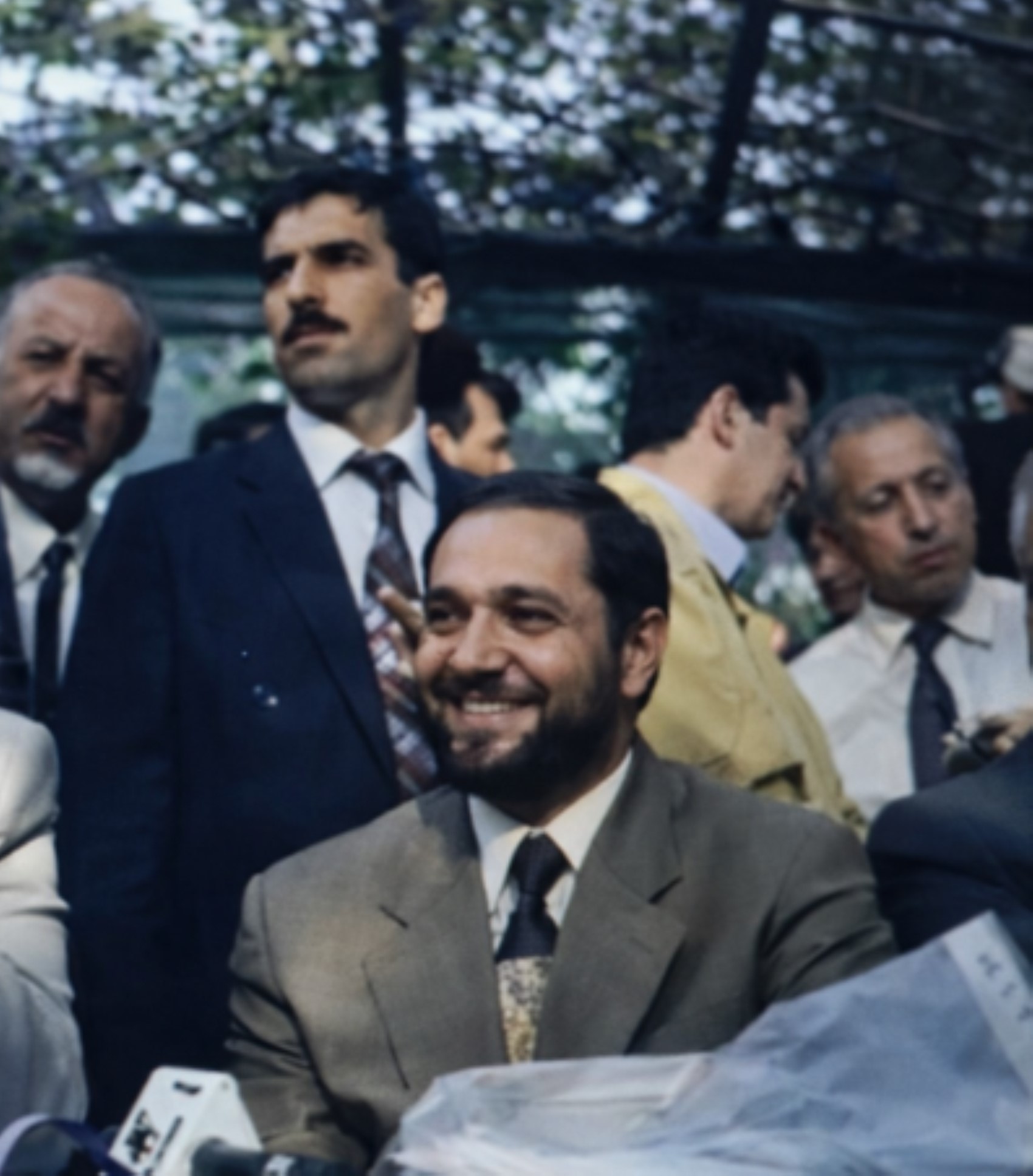
(Minister Teoman Güneri trying to persuade the public in Bergama-Çamköy)
Was he who holds the honey going to lick his finger!
Let's see what the government of Erbakan, who held the “national view,” would do.
Teoman Rıza Güneri, who was tasked with taking the necessary steps in this regard, was a reliable person known for his past in the eyes of those with the national view.
He had both gone through the training of the İskenderpaşa community and had not left Erbakan's side since the National Salvation Party.
How would the national view and Minister Teoman Rıza Güneri fare in a thorny issue like the Bergama Cyanide Gold Mine?
It is useful to once again convey what was told by Engineer Ali Vedat Oygür, who said he participated in the meetings as a state official and ministerial advisor, who would later serve as a professional employee of the cyanide users and who took on the role of chronicler for the cyanide users. (https://12punto.com.tr/yazarlar/sefa-taskin/ordunun-dereleri-aksa-yukari-aksa-134731)
Does history repeat itself if lessons are not learned?
The French General Manager Jacques Testard of the multinational Eurogold company, in which the company BRGM, affiliated with the French state, was the majority partner, visited the State Minister responsible for Mining (Konya Deputy) Teoman Rıza Güneri that year (1996):
“He requested help for the opening of the Ovacık Gold Mine. Güneri, stating that he knew the importance of Ovacık (Bergama), which was Türkiye's first gold mine, said, ‘Eurogold cannot get out of this impasse alone.’”
Wow, wow, wow!
Güneri was of course speaking on behalf of the government, even the state. He had witnesses with him.
“The state wants the mine to be operated, but the multinational company cannot manage this alone.”
What needs to be done then?
Güneri offered J. Testard to “put the name of Etibank on the mine in exchange for (!) Eurogold transferring half of its shares to the state (Republic of Türkiye). Of course, the management would still belong to Eurogold.”
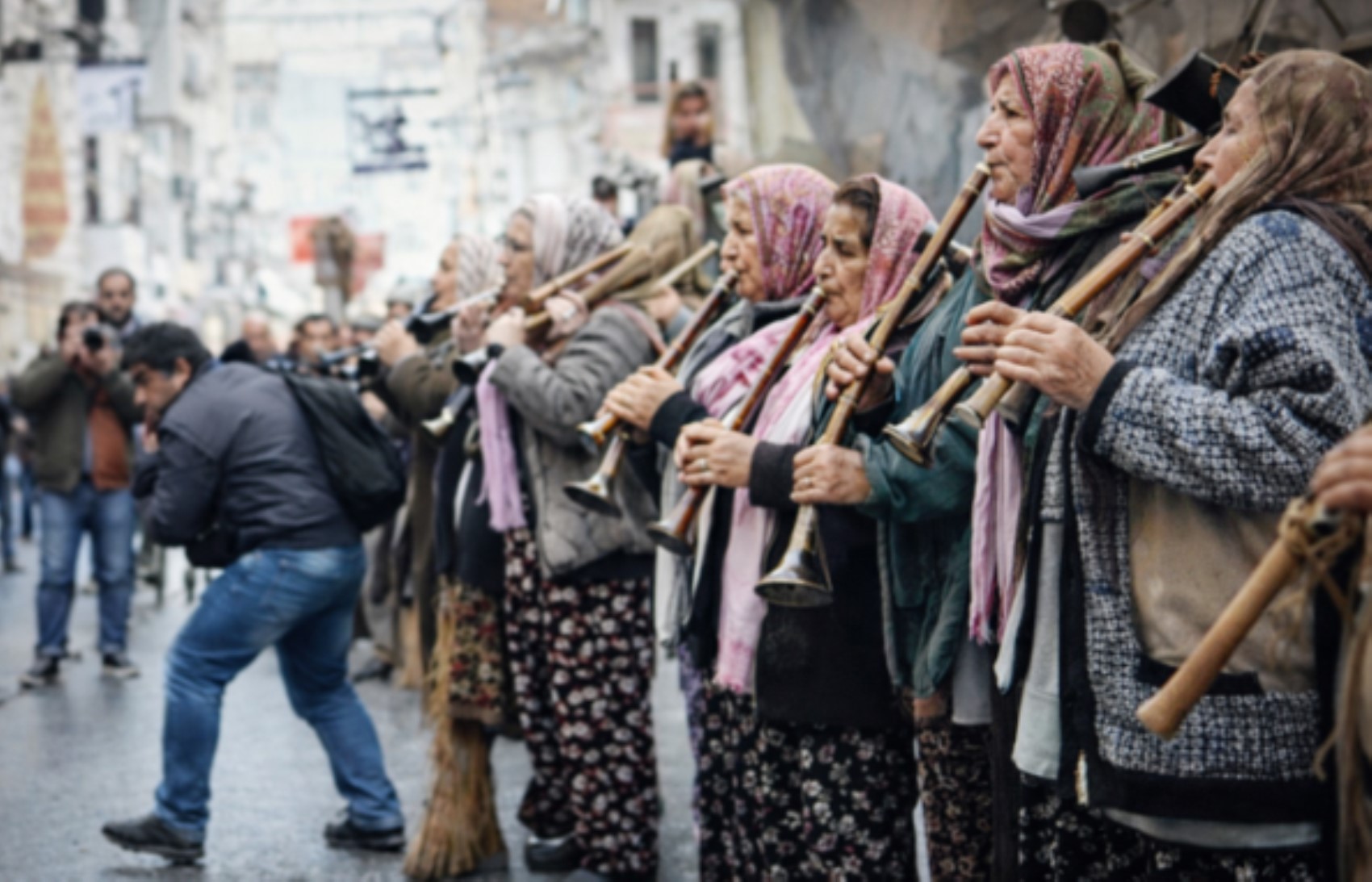
(The voice of resistance against cyanide in Bergama rises this time from the zurnas of women in İzmir)
While environmental resistance was spreading everywhere in the country, cases were continuing in the courts, and scientific circles were condemning cyanide mining, the national-view state minister of the Republic of Türkiye was offering a partnership to the poisoner company, and naturally, following this, he was promising to save it from the impasse, that is, to ensure the mine operated.
What a nice deal!
Who in the higher echelons would get a share of this happiness?
And the people!
Let them just bear their fate!
Cyanide enthusiast Ali Vedat Oygür expresses the result of the offer as follows:
“The company (Eurogold) does not lean toward this proposal.” (https://alivedatoygurmadencilik.wordpress.com/2018/01/06/ovacik-altin-madeni-bugunlere-nasil-geldi.dip.13/
The cyanide gold cake is very sweet.
It is not shared!
National-view Minister Teoman Rıza Güneri could not persuade the company to become a partner.
Time would show who else would want to be a partner in this deadly mine, and who would become one.
Perhaps what partnerships would be established in dark environments!
In later dates, one of them, Akın İpek, would be sought as a fugitive suspect in FETÖ cases, trustees would be appointed to his companies, and it would be registered by a Supreme Court decision that the holding financed the organization.
History does not forget!
Sefa Taşkın
18.10.2026
Dikili-Bergama/İzmir
Would you like to get notifications about new developments and save news?
- NotificationsNew developments and breaking news
- SaveNews is stored in the app
Most Read
Streets of Paris in turmoil, Yellow Vests return to the scene
New footage of Ahmet Derin, who went missing in the Sarıyer flood

What is Yemen to us?

Who profited from the heist?

What did Kamer Genç propose for the terrorist leader?!
Court of Cassation ruling on annual leave pay

Hitler's piano
Ministry of Trade fines social media advertisements

Dynamic Democracy in the age of artificial intelligence

Honey and the finger: Cyanide, politics, and power