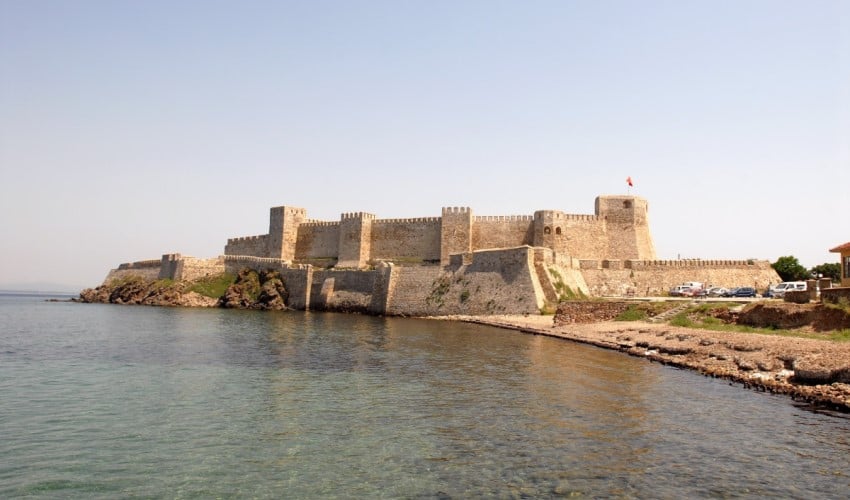
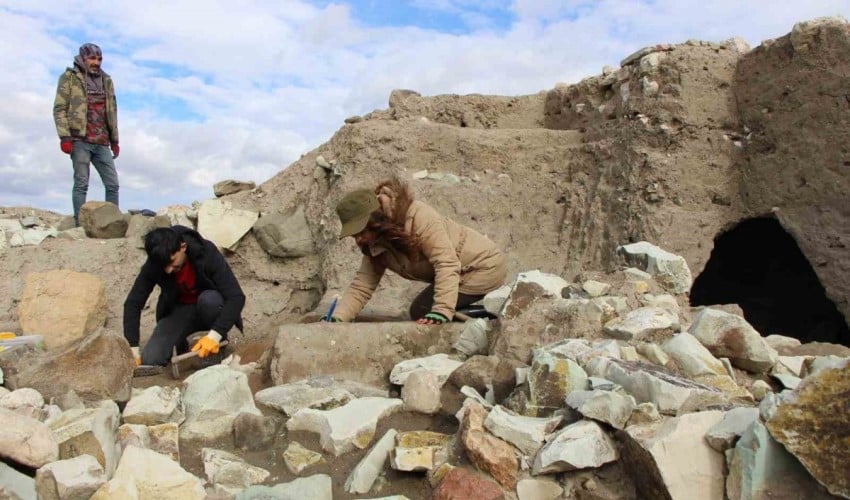
Bozcaada Castle, located in the Bozcaada district of Çanakkale and visited by approximately 50,000 people each year, was the site of its first archaeological excavations in 2023 as part of the Tenedos Excavations.
The studies, which yielded significant information, revealed findings indicating that Bozcaada Castle—built by the Venetians and modified during the Ottoman period—was inhabited during the Byzantine and Roman periods prior to its initial construction, and that it was also settled during the Late Bronze Age.
FINDINGS ON CULTURAL STRATIFICATION
During the excavation work carried out by a team led by Prof. Dr. Turan Takaoğlu, a faculty member of the Archaeology Department at Çanakkale Onsekiz Mart University, significant information was obtained regarding the cultural stratification of Bozcaada Castle.
The study revealed findings indicating that Bozcaada Castle, built by the Venetians and modified during the Ottoman period, was inhabited during the Byzantine and Roman periods prior to its initial construction, and that it was also settled during the Late Bronze Age.
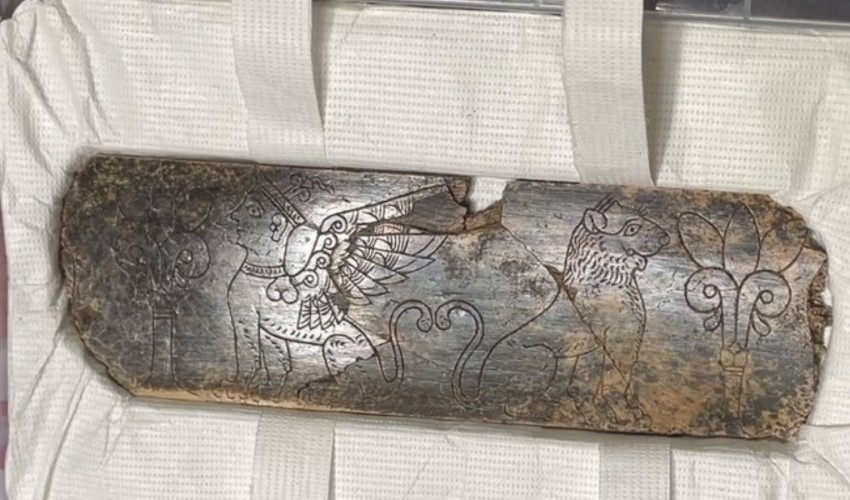
The archaeological excavation work also uncovered some findings regarding daily life within the castle.
'STRUCTURES NEED TO BE BROUGHT TO LIGHT'
Evaluating Bozcaada Castle, which is visited by approximately 50,000 people annually, Excavation Director Prof. Dr. Turan Takaoğlu stated, “Bozcaada Castle, which controls the entrance to the Dardanelles and has been the scene of significant military and political events throughout the Ottoman period due to its location, deserves to be evaluated as a Castle Museum that tells its own story well. To achieve this, structures known to exist within the castle—such as the Castle Mosque, bathhouse, supply depot, cistern, armory, and fountain, which are partially preserved or currently buried underground—need to be brought to light and restored.
It would be a correct approach to support the information contained in Ottoman archives, traveler records, and the diaries of Allied soldiers who were on the island during the Gallipoli Campaign regarding the structures within Bozcaada Castle and life in the castle with archaeological excavations.
The contributions of archaeological excavations are of great importance in reaching information that historical documents do not convey,” he said.
News Source: İHA