Hilal Özdemir
"Wherever I am not, I feel as though I would be well”
- Charles Baudelaire-
Released 2 years ago, Nuri Bilge Ceylan’s film “About Dry Grasses” seems destined to be written about much more, both in terms of the trajectory of NBC cinema and its cinematography.
The film, for which lead actress Merve Dizdar won the Best Actress award at Cannes, also stars Deniz Celiloğlu and Ece Bağca in the other lead roles.
The film focuses on the positions of Samet, who dreams of being appointed to Istanbul after teaching for 4 years in a remote village in Eastern Anatolia, and his colleague Nuray, both in relation to each other and to society.
Sevim, a student close to Samet, is also a character that allows us to journey into the depths of Samet’s spiritual climate.
While the school administration is searching students' belongings in the classroom, a love letter written to Samet is found in Sevim’s bag. Realizing that Samet lied about destroying the letter, Sevim becomes angry. Samet, along with his teacher colleague Kenan, becomes the target of a sexual abuse accusation.
Just as in Baudelaire’s sentence, Samet thinks he would be happy in Istanbul instead of a remote village.
However, it is our own thoughts that we carry with us along with our bodies, which we toss from place to place.
Samet is a narcissist. In addition to his need for his desires to be prioritized and to be admired, he is arrogant.
Let us detail this subject now, specifically regarding Samet.
People have trouble belonging to places they do not know, but as time passes, they find something to connect with that place due to the events they experience. However, Samet’s arrogance blinds him so much that he sees being there as a punishment. Despite living in a small village for 4 years and spending time with a small number of people, he does not form a real connection with anyone.
Even sitting with his colleagues in the teachers' lounge makes Samet feel humiliated. Making it clear at every opportunity that he is different from the others, Samet begins to spend time in a storage room used as a shed. Every time, Samet underlines with thick lines that he is not from there and never will be.
He is similarly distant and lacking in empathy toward his students. As a teacher who does not maintain professional boundaries, what happens between Samet and Sevim stems from his efforts to satisfy his own ego. He keeps the letter not to protect Sevim, but to stroke his own pride. This situation creates heartbreak in Sevim’s heart and leads her to accuse Samet and Kenan of harassment. Due to his egocentric nature, Samet accepts this accusation as an insult directed at him and adopts a surly attitude toward his students. He takes out the pain of what he has experienced on them.
There is a scene in the film where the students are tired of drawing mountains and stones and say, “Let’s draw the sea and the sun.” Samet’s arrogant personality shows itself here as well. He says, “I am having you draw things you know; how will you draw something you haven’t seen?” He insults the students by saying, “You are all condemned to this place.”
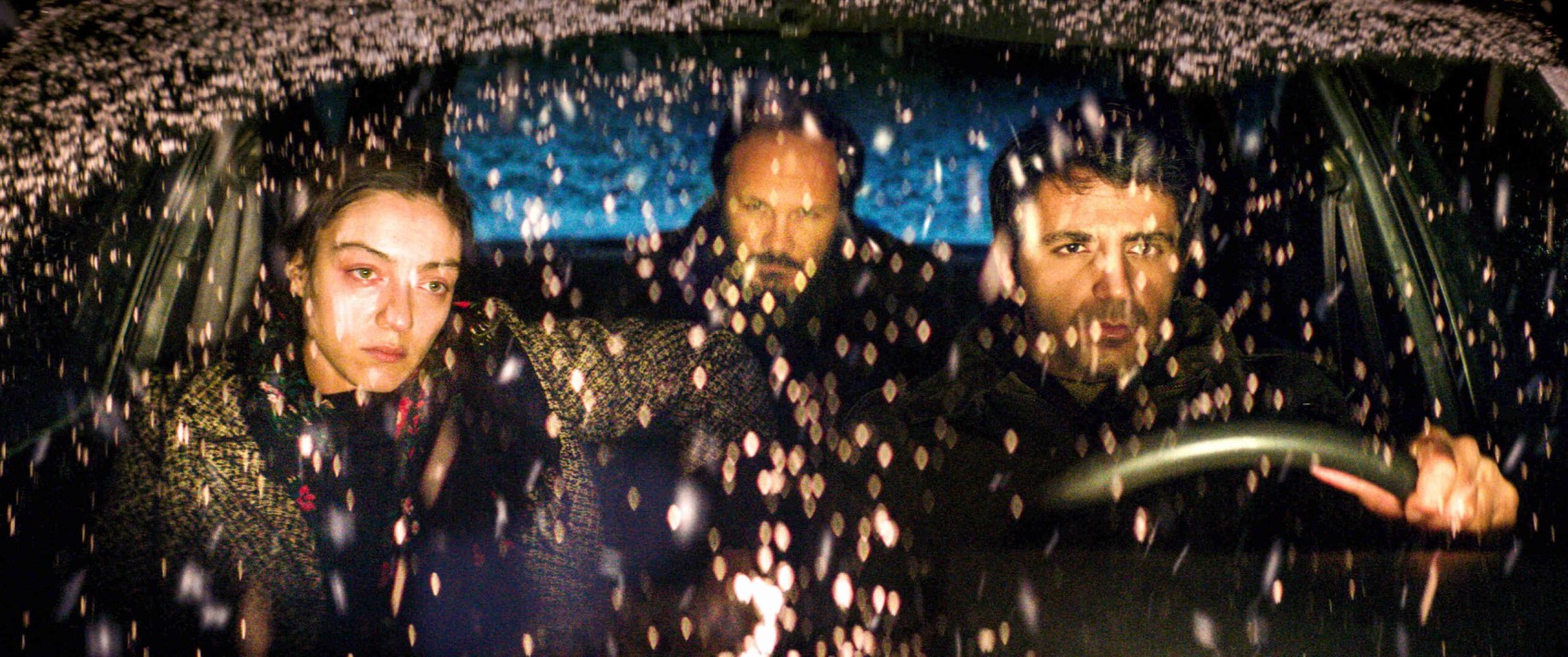
One of the main characters of the film is Nuray. Nuray lost her leg in the Ankara Train Station bombing. Nuray, whom Samet first introduces to Kenan and thinks they will be compatible, later begins to attract Samet’s interest. However, Samet does not do this with pure feelings.
He tries to satisfy his existential crises and narcissistic personality through women. He always wants the attention to be on himself. That is why he gets together with Nuray to rebuild his pride, which he had deemed suitable for his friend but was subsequently damaged. Thus, Samet both takes his own form of revenge for his student Sevim’s slander and ensures that the attention he lost is gathered back onto his own body.
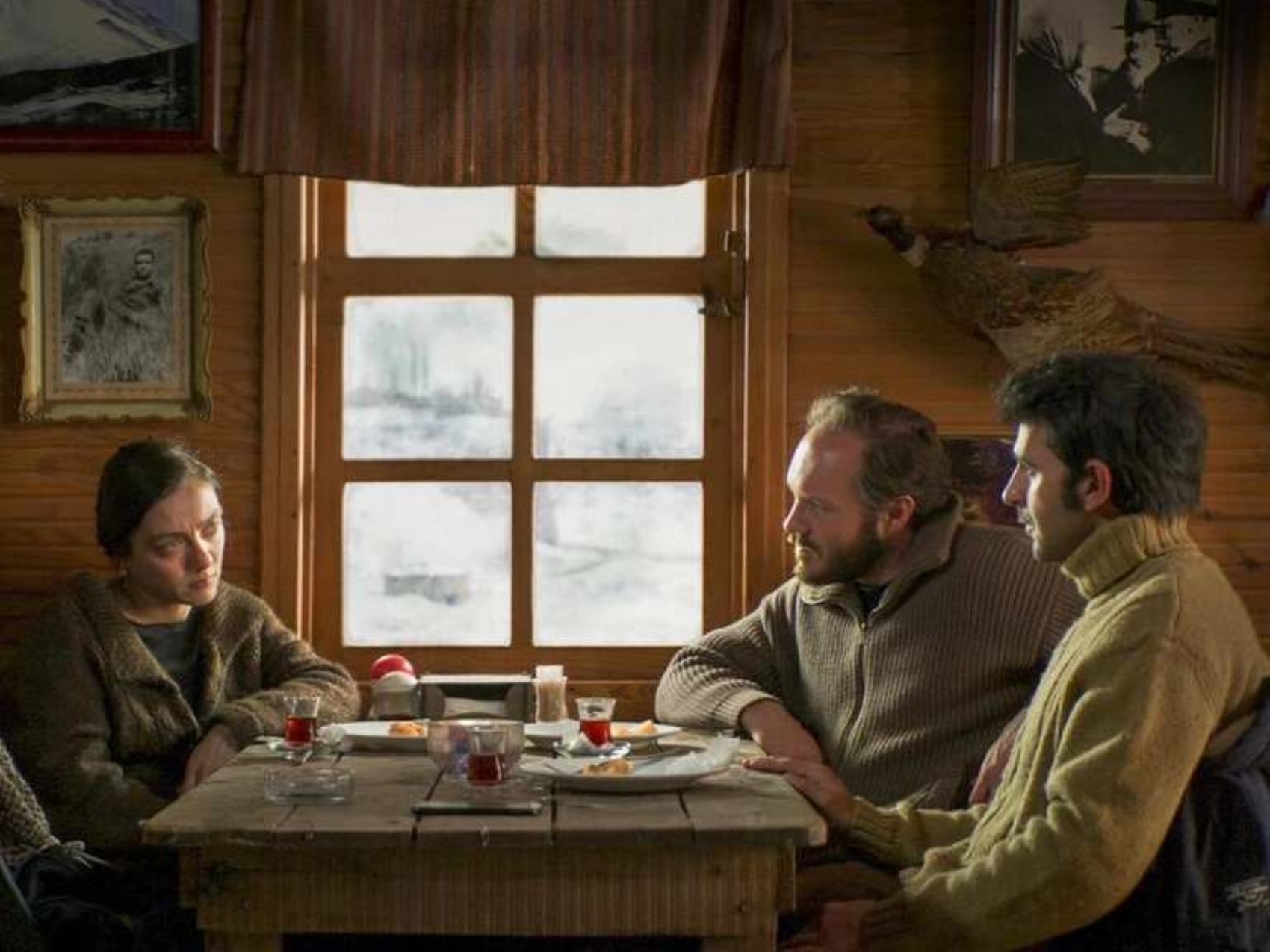
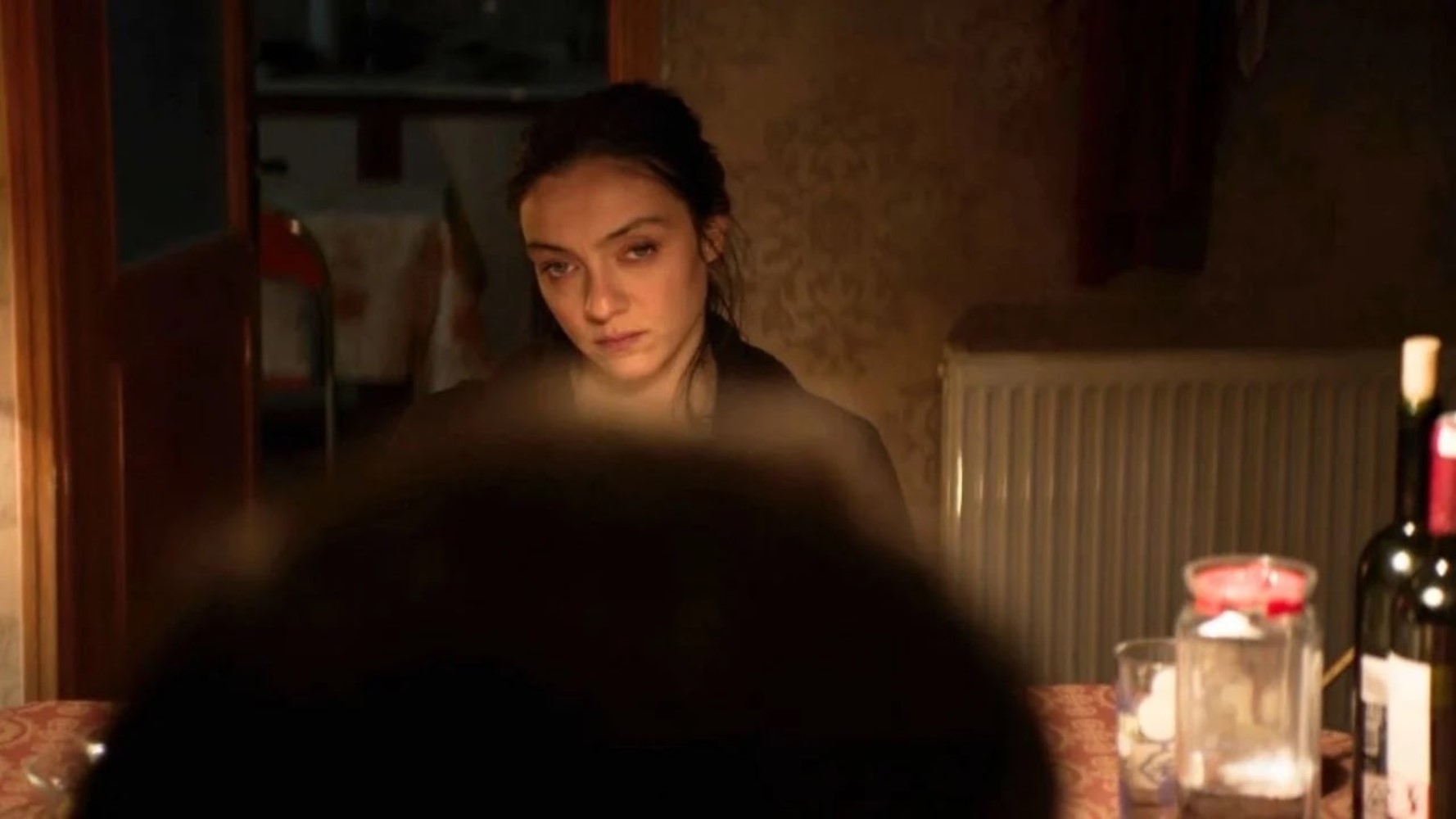
One of the important scenes in the film is the long conversation between Nuray and Samet at the dinner table. On one side is Nuray with her heavy political identity, and on the other is Samet, who opposes what Nuray says and defends individualism. The conversations between them contain deep meanings and allow us to think more specifically about the characters.
However, this scene is overly didactic. Nuray explains herself with overly theoretical sentences, while Samet defends his own views from a more intellectual perspective. I think that if this conversation between two dominant characters had been reflected on the screen with a bit more internalization, it would have been better assimilated by the audience.
Another turning point of the film is the scene where we see the leg Nuray lost in the bombing. Here, I think Nuri Bilge Ceylan takes the easy way out and engages in agitation. Considering Ceylan’s filmography, we have seen that he has told the emotion he wanted to convey not by showing, but by making it felt. Here, too, instead of seeing Nuray’s leg clearly after sleeping with Samet, it would have been more effective if we had tried to understand the situation through what Samet felt after sleeping with such a body.
Because Samet, by nature of his personality, is someone who thinks he deserves everything. Considering that he could not adapt to the village where he spent many years, did not form a bond with anyone, and had the thought of going to Istanbul at every opportunity, his being with someone like Nuray already catches the audience off guard. And the reason he does this is actually feeling excluded from a possible union between Nuray and his own roommate Kenan... Considering all this, it would have been more effective if we had tried to understand it through Samet’s behavior instead of seeing Nuray’s severed leg so clearly.
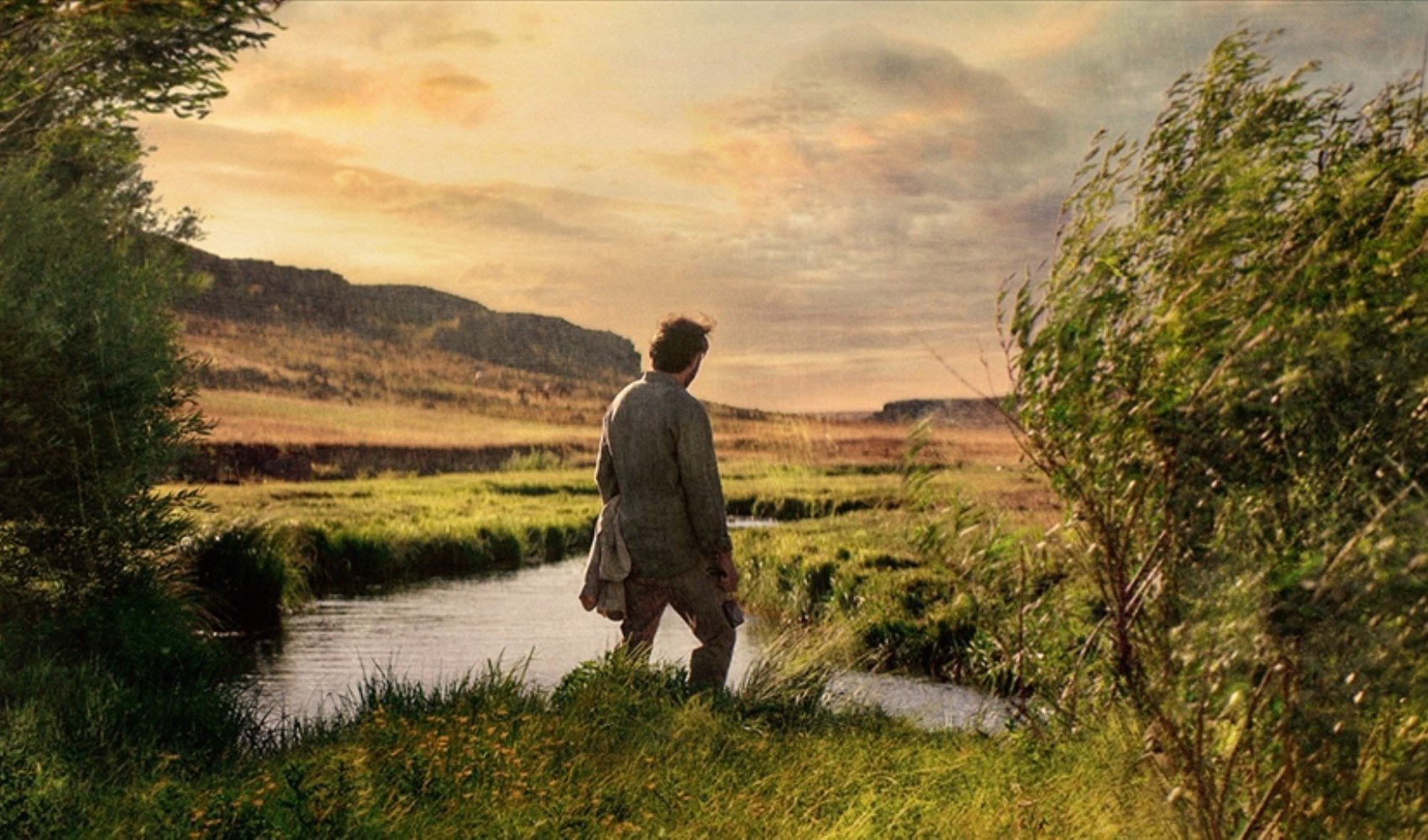
As we approach the end of the film, we see that the intense winter is left behind and the dry grasses that give the film its name appear. Samet, Nuray, and Kenan walk around an ancient site and take photos. Samet leaves the others and climbs up alone. Here, even though he seems to be with his friends, the summit he climbs shows that all the events that occurred did not create a change in him and that being at the summit always gives him pleasure.
In the film About Dry Grasses, Nuri Bilge Ceylan turns his direction to the provinces again by doing what he knows best. Ceylan’s mastery in character creation is an undeniable fact. In the film About Dry Grasses, he has managed to reflect the character of Samet onto the silver screen by passing him through a deep narrative filter.
Perhaps not Samet, but we might learn lessons from the winter we have lived through and enjoy the sun on the dry grasses.
News Source: 12punto