Hilal Özdemir
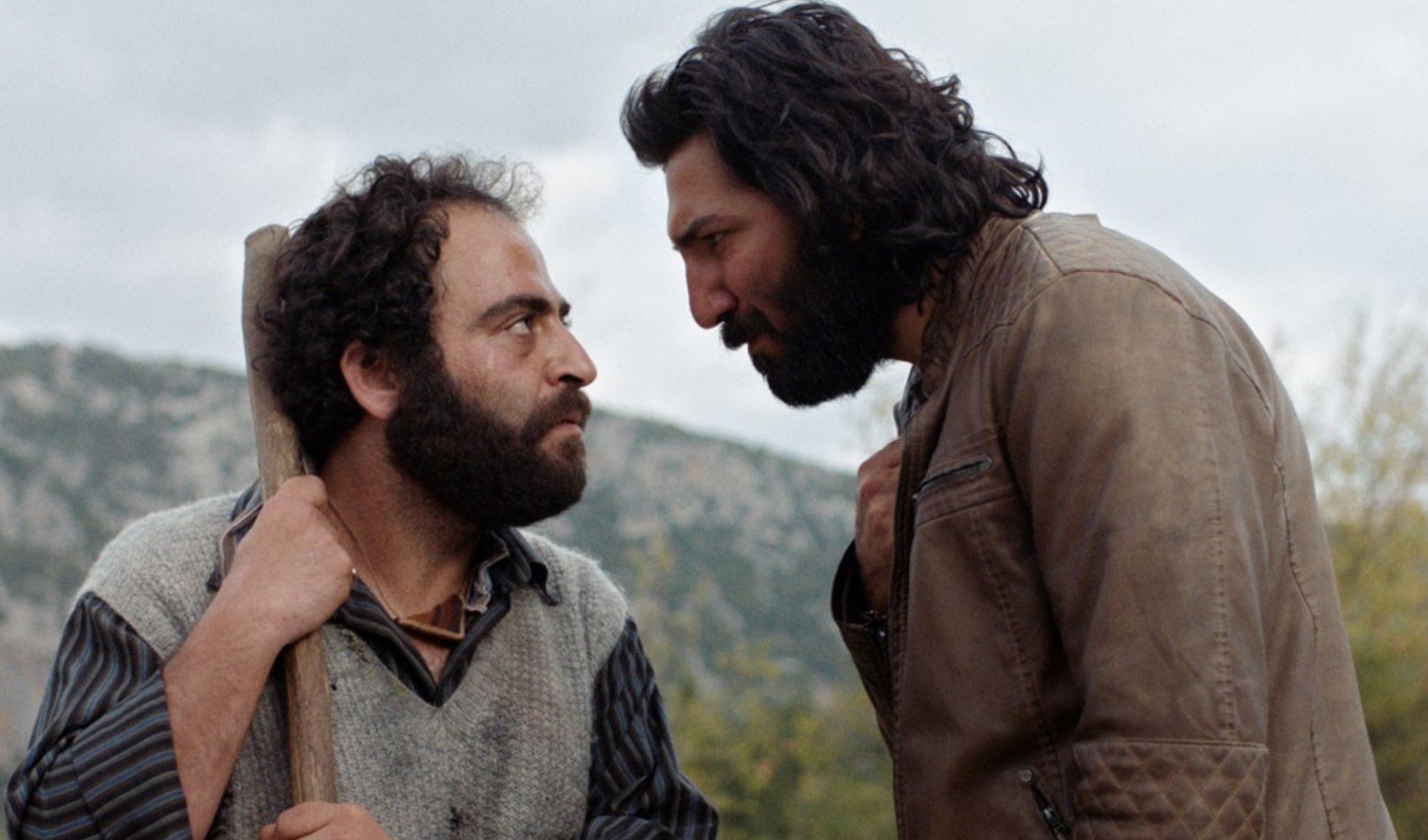
‘Dark Night’ (Karanlık Gece) is a 2022 film directed by Özcan Alper. Starring Berkay Ateş, Cem Yiğit Üzümoğlu, Sibel Kekilli, and Pınar Deniz, the film is shaped around a profound examination of conscience.
VICTOR HUGO: ‘CONSCIENCE IS GOD WITHIN MAN’
The film is built upon the story of İshak, one of the perpetrators of a murder committed in a moment of ‘masculine’ pride, who can no longer silence the voice of his conscience that has been gnawing at him for years.
İshak is a traveling musician. A lynching incident he was involved in 7 years ago does not leave him alone when he returns to his town. Facing the other five perpetrators—his childhood friends—and the townspeople who support them, İshak struggles with the overwhelming sense of guilt that has descended upon him.
Through flashback scenes, we trace the path leading to the murder, while in the present, we watch İshak’s struggle to bring the crime to light. We see his efforts to resolve the traces of the friendships he left behind within the oppressive atmosphere of the town.
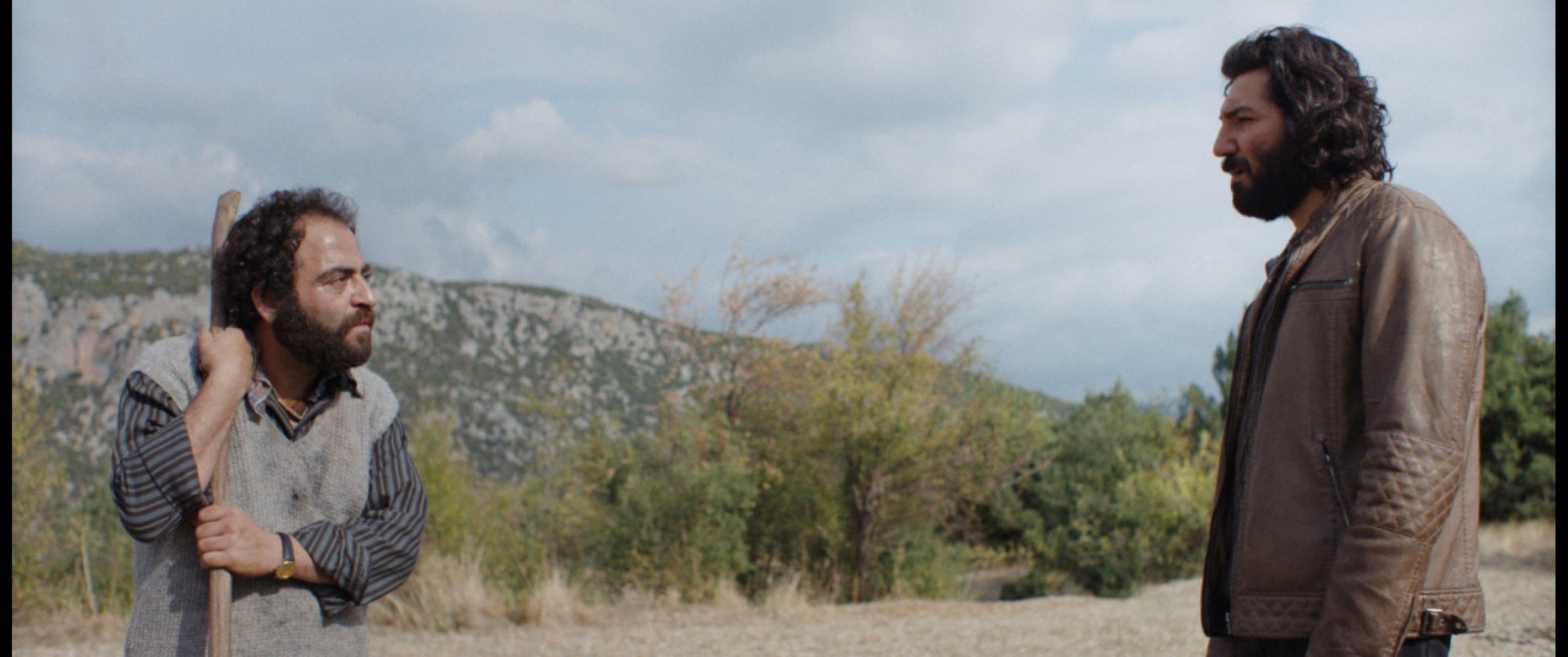
In the flashback scenes, we watch the growing friendship between Ali and İshak. The closeness of Ali and İshak, who enjoy spending time together and singing folk songs, disturbs the villagers. The townspeople see those who are not like them as a threat. To handle their affairs more easily and live more comfortably in the order they have established, they begin to provoke İshak.
İshak has a relationship with Sultan, the beautiful girl of the village. Sultan wants to take the university entrance exam and go to the city. Taking advantage of the two lovers growing apart and Sultan’s closeness to Ali, the villagers tell lies that drive İshak into a fit of jealousy.
At this point, the film progresses in a way that evokes Plato’s allegory of the cave.
In the allegory of the cave, the person who frees themselves from their chains encounters the existence of another world. The person who steps outside learns about the real world and begins to question. In his allegory, Plato equates the cave with society, the prisoners in the cave with the individual, the chains with social rules, and the shadows reflected on the wall with the truths accepted by society.
We can think of the town as the cave. In the film, just as in Plato’s allegory, the townspeople only know what they are given in the small world they live in. Those who rule them do not want the villagers who serve them to know of the existence of a different world. In the film, the person who will show them the existence of a different world is Ali, the young civil servant assigned to the village.
The bait they use to hunt Ali is İshak.
After the collective murder, while everyone returns to their own sense of normalcy, İshak is left alone with a deep sense of guilt.
While watching the film, we can also think of the “hunter” metaphor in Sufi thought. In Sufism, it has generally been used to express meanings such as “the self (nafs), spirit, intellect, gnostic, lover.”
It would not be an exaggeration to say that Yunus Emre’s words, “It is the self that leaves you on the road; he who follows the self remains on the road,” serve as the subtext of the film.
Like the first person to leave the cave in the allegory, İshak returns alone to the cave he once left with Ali. His friends, who do not believe there is any living space other than the cave, cut the rope he uses to climb up. İshak tries to silence the voice of his conscience by returning to the very beginning, attempting to cleanse it with the light that faintly leaks into the cave.
Sometimes one must take a step back to move forward. İshak returns to where it all began with his conscience that he cannot silence. When he looks up from the cave, he sees a green tree and raindrops falling on it. The director’s open-ended finale makes the audience consider many possibilities.
However, the tree and the rain we see signal that İshak’s conscience will be cleansed and will flourish once again.
Finally, I would like to mention the film’s music. As in his other films, Özcan Alper has frequently included folk songs in Dark Night. The folk songs we hear from Hacı Taşan accompany the journey between the past and the present so beautifully that they allow us to catch our breath where we feel crushed by the weight of the story.
News Source: 12punto