Hilal Özdemir
On the occasion of March 8, International Women's Day, and in keeping with the significance of the day, I wanted to write about the film 'Kurbağalar' (Frogs), which focuses on women.
The film 'Kurbağalar', which won an award at the Three Continents Film Festival held in Nantes, was directed by Şerif Gören.
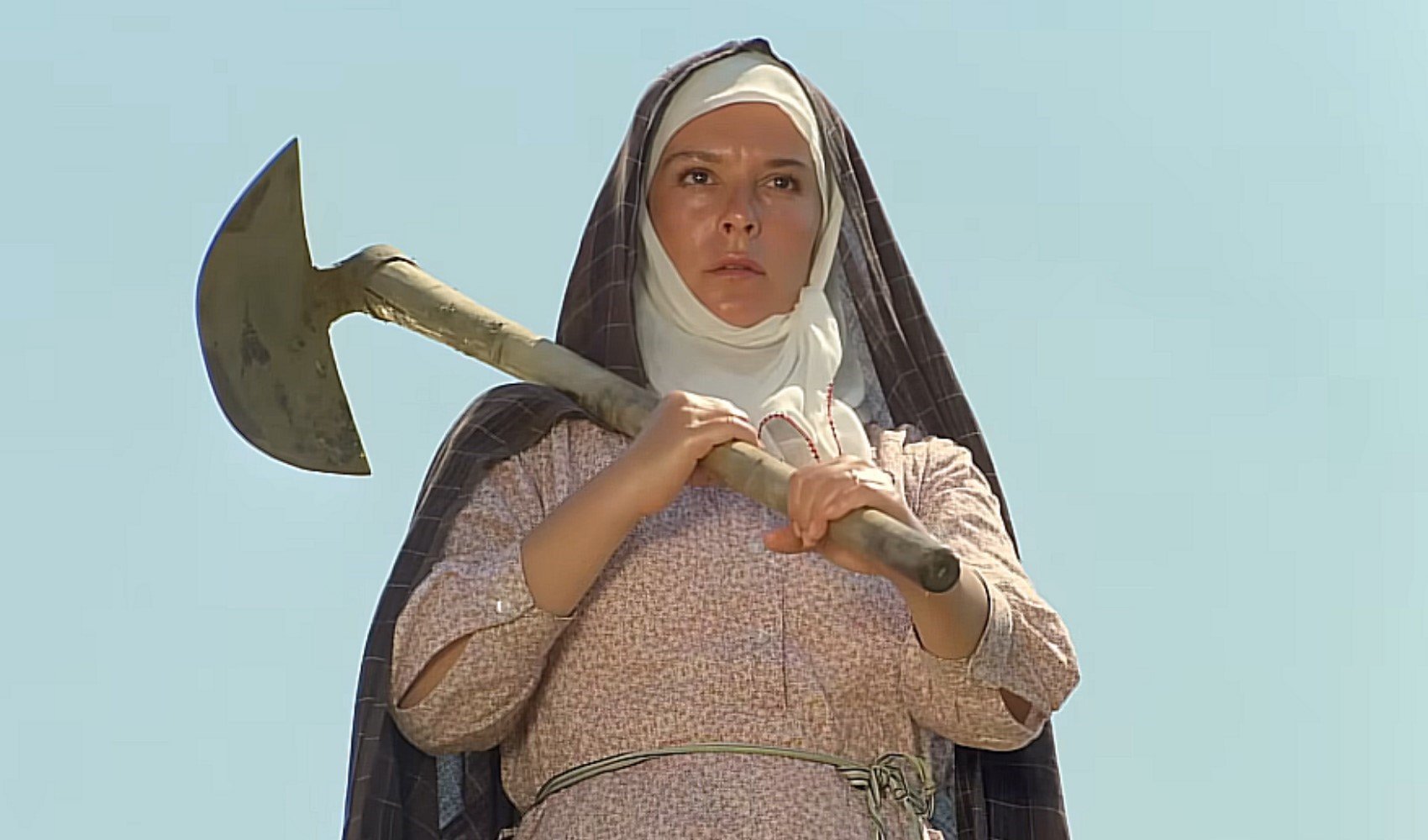
Starring Hülya Koçyiğit, Talat Bulut, and Yaman Okay, 'Kurbağalar' tells the story of a woman trying to survive in her village after her husband is murdered.
Filmed in 1985 in the village of Sultaniçe in Edirne, the screenplay was adapted from the work of Osman Şahin.
Elmas lives in the village with her husband, Halil, and their son. Her husband, who goes out to collect frogs, is killed while returning from work. Left a widow, Elmas begins to work without even having time to mourn due to the debts left behind by her husband. Meanwhile, Balkanlı Ali, who has been released from prison, returns to the village. Elmas and Ali, who has been in love with her for years, become the subject of village gossip.
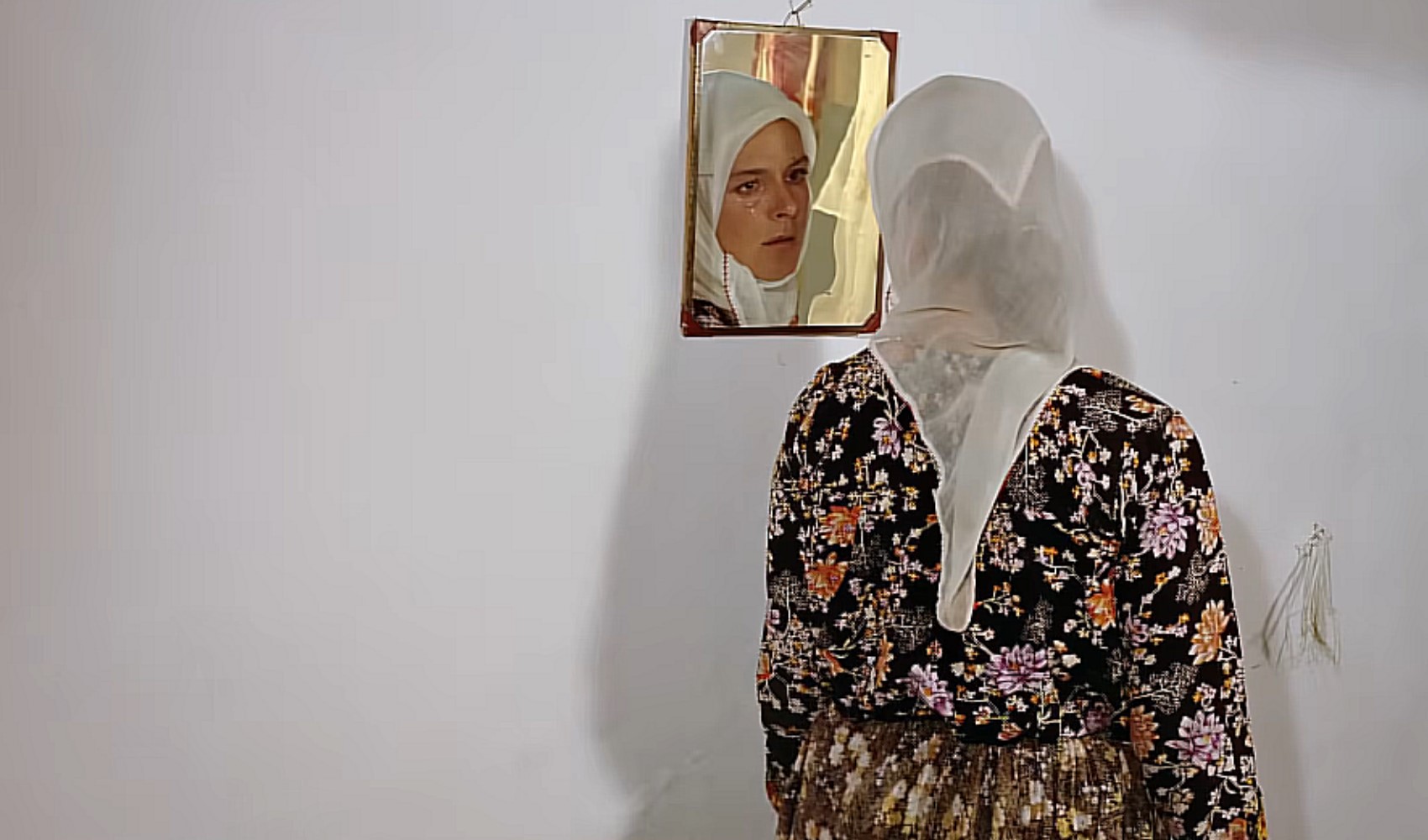
'To me, widowhood means being half a maiden. In maidenhood, there is the fear of losing one's virginity; in marriage, there is the fear of a husband. Know the value of your widowhood.'
Left alone with her son after her husband's death, with her only goal being to provide for herself and pay off her debts, Elmas is now a 'disturber of the peace' in the eyes of the villagers.
The women are anxious that the widowed Elmas will haunt their husbands; the men, meanwhile, are worried that Elmas, who is ostensibly unattached, will bring shame upon the village's ‘honor.’ However, the men's true goal is not to protect the village's honor, but to possess Elmas.
Seeing a woman as an individual and appreciating her achievements is difficult, whether in a big city or a remote village. This is because, from the past to the present, women have always been viewed as subordinates to men.
“What good can come from a woman who goes out at night to catch frogs?”
Realizing she cannot pay off her debts by working in the rice fields alone, Elmas begins working at night catching frogs. However, the male gaze follows her there as well, and those who claim that catching frogs is not women's work try to force Elmas to quit.
In the film, the frogs are like a representation of women... Frogs are caught by men. Just like how a father, whose word is considered the most valid in the family, marries off his daughter to a man without giving her a say. Afterwards, the frogs have their heads cut off and their skins peeled. In other words, the characteristics that make a frog a frog are taken away. Only their skin and bones remain. Women, too, are ‘taken’ by men, silenced, and imprisoned in the home.
Elmas doing a job that only men do, like collecting frogs, means stepping into their world. Thus, as a woman, Elmas becomes someone who, just like men, makes her own decisions, is no longer the one being chosen but the one who chooses, and directs her own life.
For Elmas, the problem is not just the male perspective. The women in the village also add fuel to the fire instead of standing by Elmas and silencing the gossip. In other words, Elmas is a source of danger not only for the men who see her as a “sexual object” but also for the women.
Balkanlı Ali’s mother says: I don’t want a widowed woman with a child in my house at my age. Don’t get too close to that bride Elmas. She will lead you astray. Your old days have flared up again. She didn’t choose you, she chose Pehlivan Halil. Halil ate her pepper. There are plenty of girls in the village. Go eat one of their peppers by the fountain. I want a virgin at my door. You can never trust a widow.
The phrase mentioned here ‘eating her pepper’ is significant. Because, as a village tradition, young girls plant peppers next to the fountain in the square. Men ask for peppers from the girls they like. Girls who offer the peppers they have grown to the men become lovers with those men. Halil had eaten the pepper Elmas planted back in the day. However, the passing years did not make Ali forget Elmas, and since her husband died, he has gained the opportunity to be with her again. Elmas is not indifferent to Ali either.
Elmas walks past the village coffeehouse with her newly sprouted pepper seedlings, goes to the fountain, and plants them there along with her wedding ring. In doing so, she shows the entire village that she wants to be with someone again. In other words, Elmas both asserts her presence in professional life and demonstrates that she is free to choose her own partner.
As we reach the end of this piece, let us consider the film's final scene. Elmas makes her own decision and, without caring what the villagers might say, chooses to be with Ali.
However, Ali sees a photograph of Elmas and her late husband in the room. This is where 'masculine' pride comes into play. He abandons the woman he cannot tolerate seeing—even in a photograph—with another man, even though that man is Elmas's recently deceased husband.
Kurbağalar is a highly successful film in terms of its subject matter, execution, and the performances of its actors. The character of Elmas, portrayed brilliantly by Hülya Koçyiğit, moves her away from the roles associated with the 'acceptable woman' image of Yeşilçam and positions her in a different place. In this context, it is also worth recalling Koçyiğit's performances in Susuz Yaz, the Gelin-Düğün-Diyet trilogy, Almanya Acı Vatan, and Derman.
Şerif Gören is one of the primary directors of the second generation of the social realism movement, which significantly influenced pre-1980 Turkish cinema, initiated by Metin Erksan and Ömer Lütfi Akad, and brought to its golden age by Yılmaz Güney. Gören, who masterfully handles themes such as social events, migration issues, and the sense of alienation brought about by urbanization in his films, also strikes a chord with the 'woman as a social issue' theme in Kurbağalar.
Let us conclude our piece with a few film recommendations for March 8th. Naturally, when one thinks of films about women, titles that come to mind include Atıf Yılmaz's Ah Belinda and Adı Vasfiye; Pelin Esmer's Oyun, which has the feel of a half-film, half-documentary and focuses on the process of women living in the Taurus Mountains staging a play; Kartal Tibet's unforgettable film Şalvar Davası; and Teyzem, directed by Halit Refiğ and starring Müjde Ar...
News Source: 12punto