



12punto.com.tr /EXCLUSIVE
The World Health Organization (WHO) has declared a global public health emergency due to the mpox virus, also known as monkeypox, which has been observed on the African continent.
The Ministry of Health, meanwhile, announced that no cases linked to the disease have been detected in Turkey and that no additional measures are deemed necessary.
This infectious disease, which began in the Democratic Republic of Congo and is rapidly spreading to neighboring countries, has killed at least 524 people so far.
'CONCERNING'
WHO Director-General Tedros Adhanom Ghebreyesus stated that the possibility of further spread on the African continent and beyond is "very concerning." Furthermore, more than 14,000 mpox cases have been recorded in the Democratic Republic of Congo since the beginning of 2024.
KLIMIK WARNS
According to a statement by the Turkish Society of Clinical Microbiology and Infectious Diseases (Klimik), 15,000 people have fallen ill and 461 people have lost their lives in the outbreak in Congo alone since January 2024.
The disease has also spread to neighboring countries such as Rwanda, Burundi, and Uganda.
For this reason, the Africa CDC declared an international public health emergency for the Mpox outbreak on August 13, 2024, and the WHO followed suit on August 14, 2024.
It was noted that the main purpose of this declaration is 'to warn countries to take necessary measures regarding diagnosis, surveillance, immunization, and treatment, to allocate resources for these, and thus to ensure that the outbreak is brought under control.'
HOW IS THE MPOX VIRUS TRANSMITTED?
The virus is transmitted to humans as a result of close contact with infected animals, infected humans, or inanimate objects contaminated with the virus (clothing, towels, sheets, etc.). While the virus enters healthy individuals through invisible cracks/scratches on the skin, mucous membranes (mouth, nose, eyes), or the respiratory system, transmission from infected animals to humans (zoonotic) can occur through bites, scratches, contact with the animal's blood and body fluids or meat, direct contact with lesions, or indirectly through inanimate materials contaminated with all of these.
It is known that human-to-human transmission of the virus occurs primarily through direct contact with the body fluids or skin lesions of an infected person, or indirectly through contact with inanimate objects contaminated with them, via the skin and mucous membranes. While close contact during sexual intercourse, especially among men who have sex with men, was an important route of transmission during the 2022 outbreak, it has been reported that in the current ongoing outbreak in Congo, transmission occurs both through contact during heterosexual sexual intercourse and through close contact within the household, and that the disease is also seen in children and women.
SIGNS AND SYMPTOMS
Mpox disease causes fever, headache, fatigue, widespread body aches, swollen lymph nodes, and skin lesions (rashes), with complaints appearing on average 6-13 days after contact with the virus.
In the first 5 days of the disease, fever, severe headache, swollen lymph nodes, back pain, and extreme weakness are observed. Although most of these signs and symptoms are seen in many diseases, the presence of swollen lymph nodes plays an important role in distinguishing it especially from smallpox, chickenpox, and measles.
Skin rashes appear within 1-3 days after the onset of fever and are seen more on the face, arms, and legs than on the torso. Lesions can be seen on the palms and soles of the feet, inside the mouth, in the genital area, and in the eyes.
Lesions start as a flat redness, can become raised from the skin, and fill with clear fluid.
These blisters scab over, and the lesions disappear when the scabs fall off.
This process usually takes 2-4 weeks, and the disease resolves on its own.
In immunocompromised individuals, the disease can progress severely.
ARE THERE CASES IN TURKEY?
According to information from Klimik, cases were detected in Turkey during the Mpox outbreak that affected the whole world in 2022, but the Ministry of Health did not disclose the total number of cases. According to data from the American Centers for Disease Control and Prevention (CDC), 12 cases had been identified.
There are no cases identified so far in countries outside of Africa, and therefore in Turkey, linked to the Mpox outbreak that emerged in Congo, spread to neighboring countries, and for which an emergency was declared yesterday.
FLIGHTS CONTINUE
According to data from Skyscanner, which provides brokerage services for flights, hotels, and car rentals, flights from N'djili Airport (FIH) in Kinshasa, the capital of the Democratic Republic of Congo (DRC), to Turkey continue.
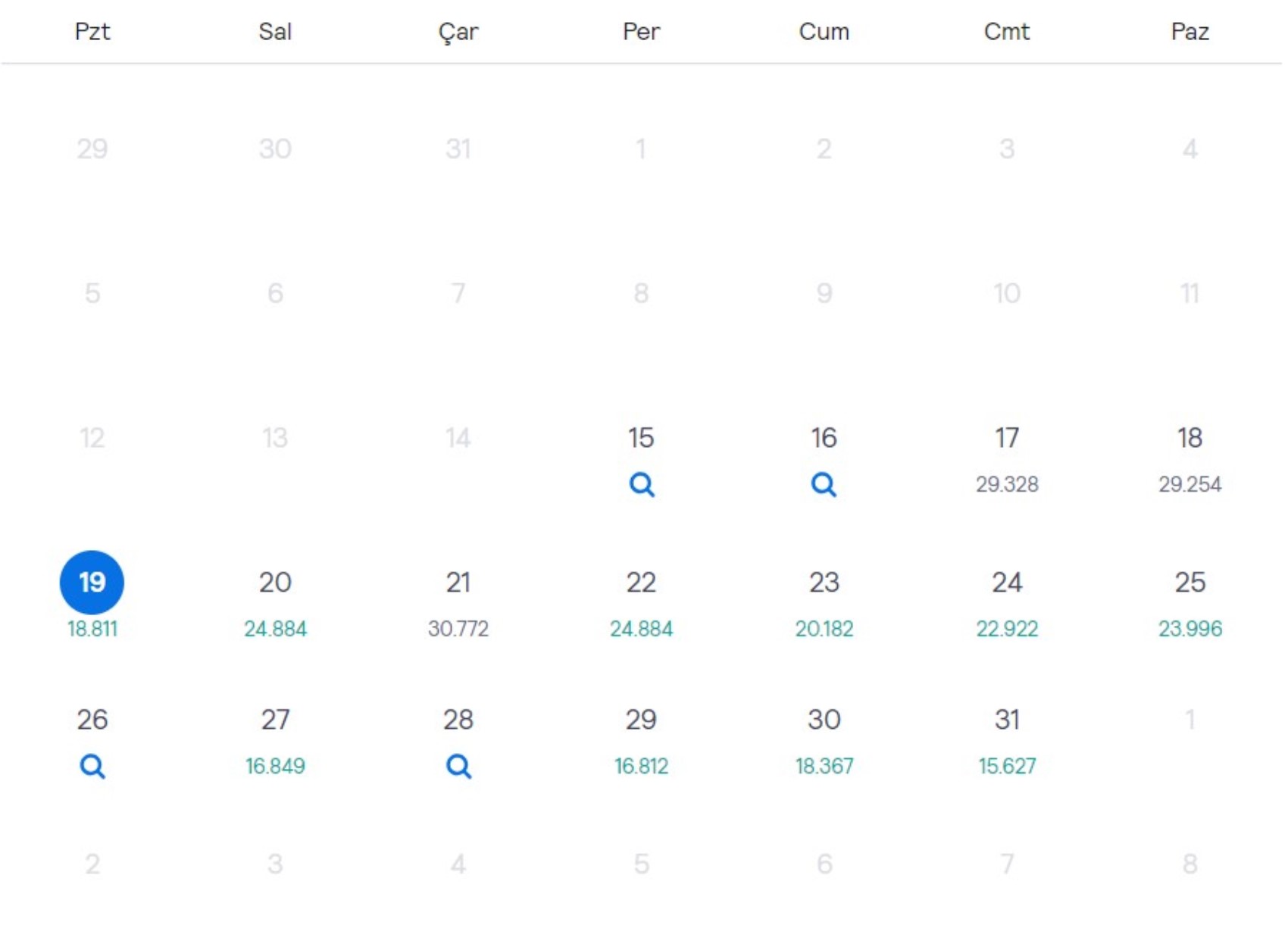
There are daily one-way flights from N'djili Airport (FIH) to Istanbul throughout the month of August.
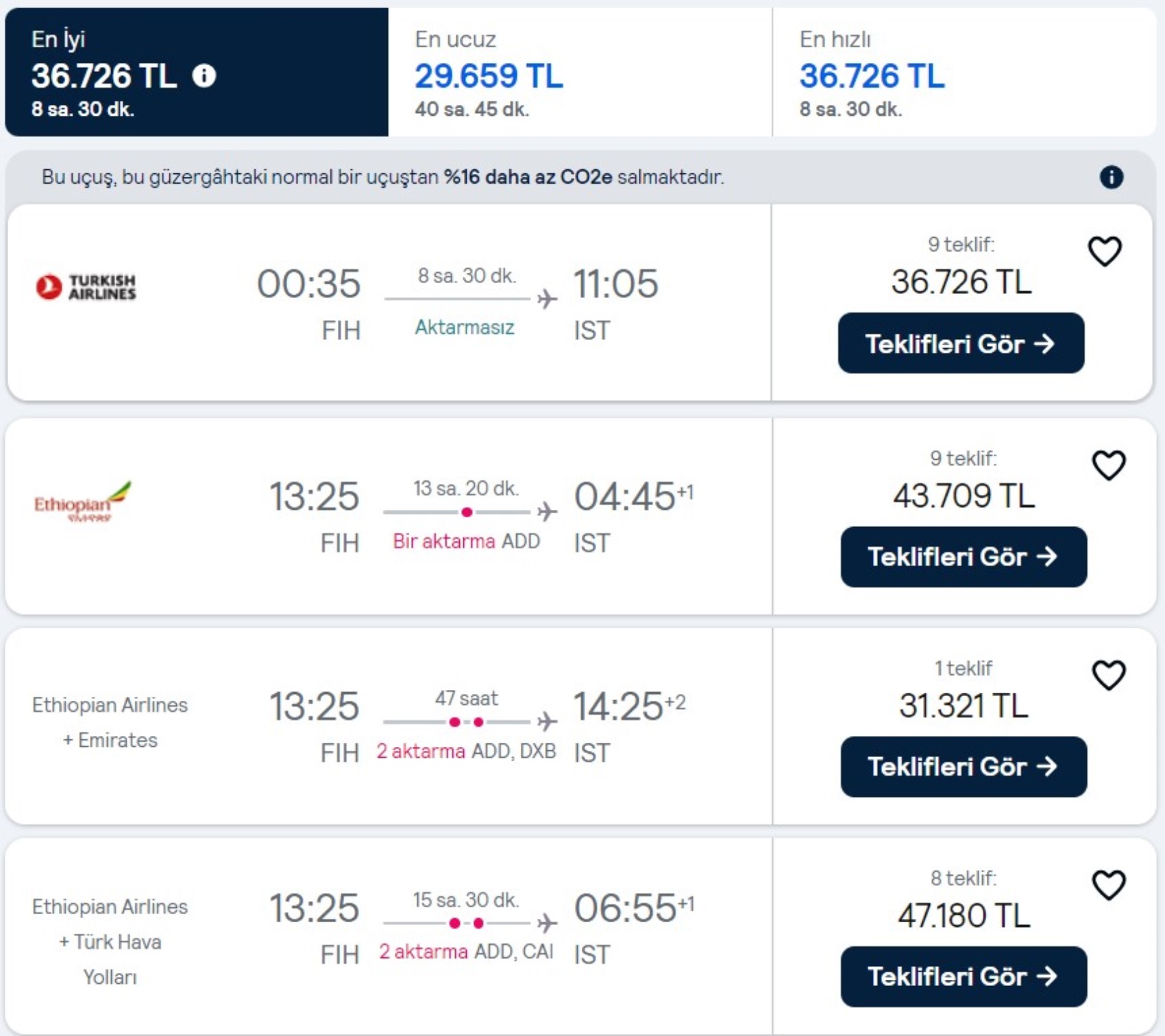
While there are 4 flights tomorrow (Friday), one of which is non-stop, there are no warnings from airport companies regarding the flights.
News Source: 12punto









