Istanbul Technical University (ITU) Faculty of Mines, Department of Geophysical Engineering faculty member Prof. Dr. Tuncay Taymaz, within the scope of "November 5 World Tsunami Awareness Day," stated that Turkey is located on the Alpine-Himalayan mountain belt, which is a very young and earthquake-prone region in tectonic terms.
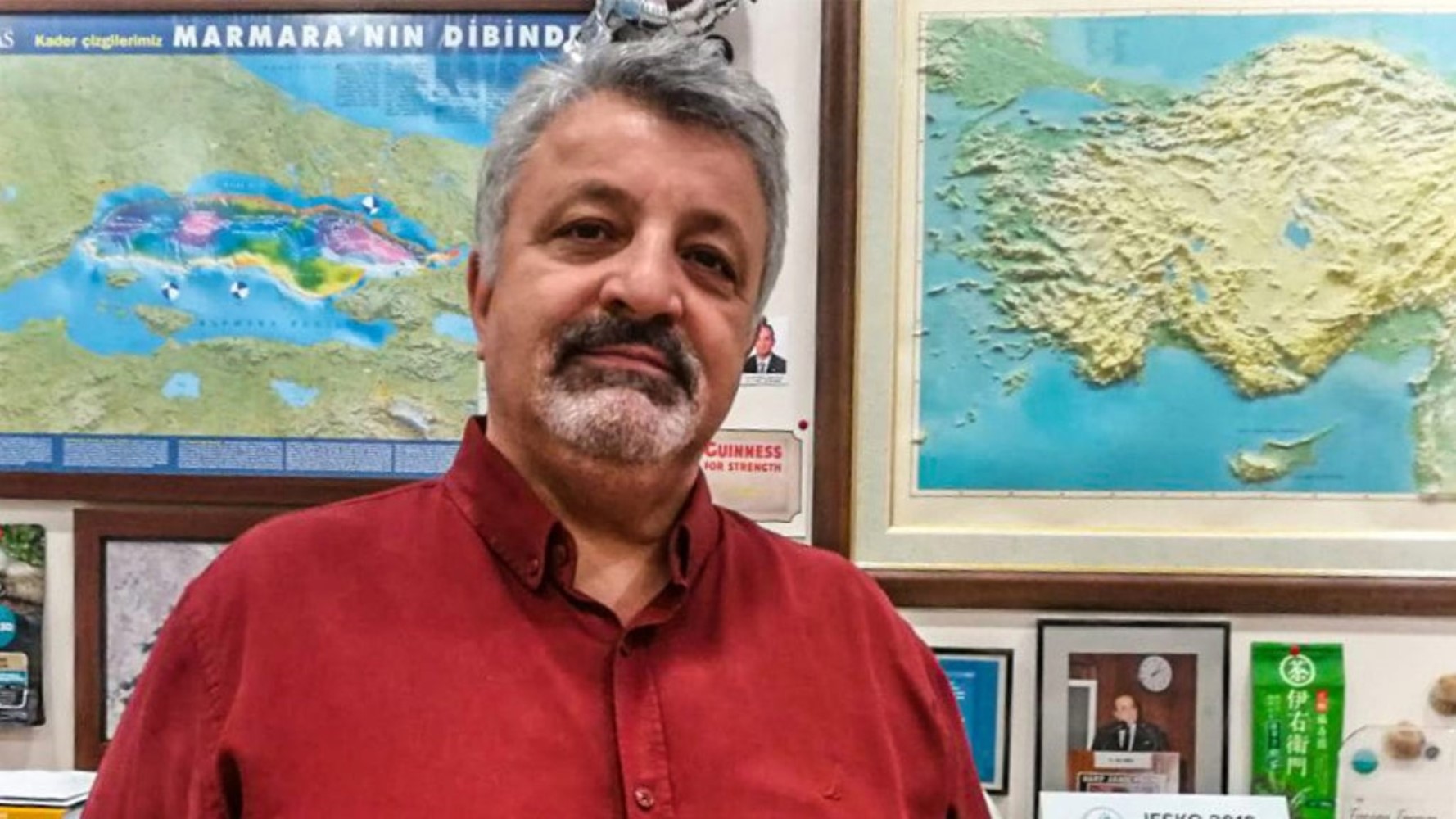
Stating that tsunamis can be caused by volcanic eruptions or landslides on the seabed, Taymaz recalled that the 2020 earthquake in the Aegean Sea near Samos Island also generated a tsunami.
Prof. Dr. Taymaz noted that during the August 17, 1999 Marmara Earthquake, a tsunami occurred from the Kavaklı coast to the Hersek Delta in the Gulf of İzmit, and that its height could vary depending on the seabed morphology, water depth, and the magnitude and geometry of the earthquake, adding, "We have active faults on the seabed that threaten Turkey and are capable of generating tsunamis that could reach at least 3 meters in height."
Pointing out that the coasts of the Sea of Marmara are at risk in terms of a potential earthquake and tsunami, Taymaz stated the following:
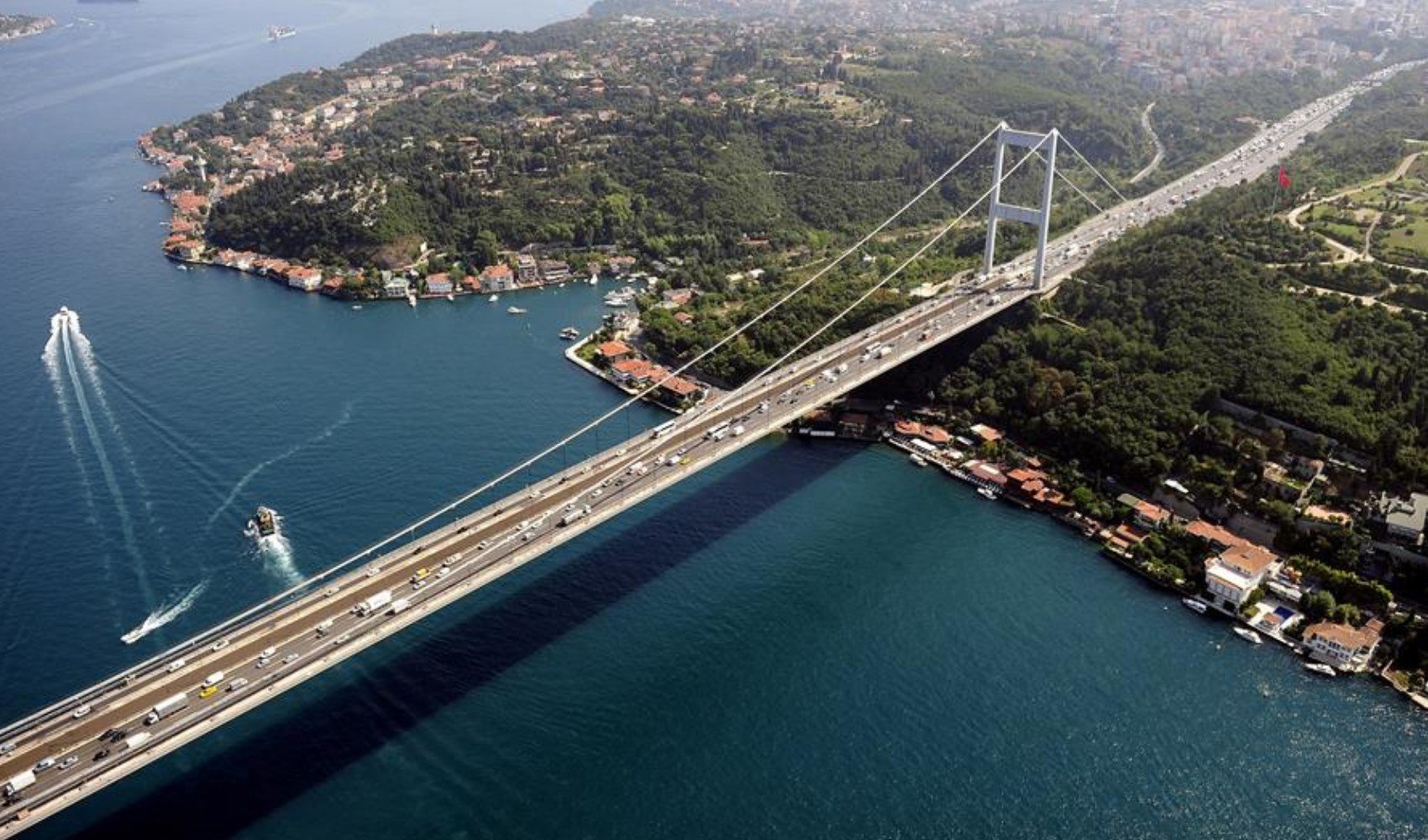
"Because the Marmara region is an area with very dense urbanization, industry, and agriculture. Both the southern and northern slopes are in areas threatened by branches of the North Anatolian Fault. After the 6.8 magnitude 1963 Çınarcık earthquake, we experienced the August 17, 1999 Gölcük earthquake and subsequently the November 12, 1999 Düzce earthquake. That was also 7.2. For example, tsunamis that could be generated by an earthquake occurring in the Çınarcık Basin, the Central Marmara Trough, or on the branch extending from Gaziköy off the coast of Tekirdağ Marmaraereğlisi to Saros pose a risk for the coasts of Tekirdağ, Marmaraereğlisi, and the southern coasts. If we look at the Çınarcık Basin, we have risks extending to the Armutlu Peninsula, Yalova, Karamürsel, the Hersek Delta, Mudanya, and further south."
Prof. Dr. Taymaz said that the effects on the coastline could vary depending on the magnitude of the tsunami.
Emphasizing that the risk of tsunamis and earthquakes should not be ignored in matters concerning national security, Taymaz stated that high technologies are used in this regard.
"TSUNAMI RISKS THAT COULD BE TRIGGERED BY EARTHQUAKES EXIST"
Taymaz underlined that the effect of a tsunami that could occur on the Marmara coasts can differ depending on the fault geometry in the region it passes through, its distance to the coastline, and changes in the water morphology on the seabed, and continued as follows:
"In our own geography, there are tsunami risks and coasts that could be affected by earthquakes exceeding magnitude 6 and pushing 6.5, depending on the seabed or which fault branch is involved. There are metro designs against tsunami risks that earthquakes might create in Marmaray, in areas crossing the Golden Horn, and in Yenikapı. These were all taken into account while the Eurasia Tunnel was being built. In earthquakes larger than 6.5, there are tsunami risks that could be triggered by earthquakes with heights exceeding 1 meter and reaching up to 3 meters in some places."
Pointing out that a major earthquake occurs in the Marmara region every 30 years, Taymaz explained that natural sciences cannot be predicted in advance, only forecasted.
Prof. Dr. Taymaz assessed, "The probability of an earthquake of magnitude 7 or greater occurring in Istanbul is very high. We have already exceeded the time limit for this. In other words, the probability of an earthquake larger than 6.8 has been exceeded, but natural sciences are not like life sciences or engineering sciences; two plus two does not equal four. Statistics do not work; it is chaotic."
News Source: AA