




With the ministry's publication of the list, the issue of food safety, which has been on the agenda for years, has been opened for discussion once again.
Evaluating the brands and products on the list, the health effects of these forms of fraud, and the responsibility of the Ministry of Agriculture and Forestry for Gazete Duvar, food engineer Bülent Şık emphasized that the actual elements threatening public health in food are not being detected, stating, "Announcing the firms that engage in imitation and adulteration is just showing the tip of the iceberg. It is like saying, 'Keep yourselves busy with these.'"
Emphasizing that while the issue of imitation and adulteration is important, there are matters that go far beyond this and lead to serious health problems, Şık said, "The most critical issue in our country regarding food safety is the issue of toxic chemicals that contaminate food, but the ministry does not make a sound about this issue."
Stating that "We have a well-structured control and inspection system in our country; the problem is that this system does not function," Bülent Şık underlined that despite inspections conducted in previous years and previously announced lists, firms continue to commit these offenses.

"FINDING PORK IS A PROBLEM BUT..."
Let's start with Köfteci Yusuf, which is on the agenda... Pork was detected in its products. While the use of pork despite the brand's 'halal' certificate caused reactions, the Ministry's responsibility was also opened for discussion. How do you evaluate this debate? It is not just Köfteci Yusuf; there are also 'objectionable' products at the forefront of the published list. What happens if we consume these? Offal, single-hoofed animal meat, food coloring, adulteration in honey and oil, etc...
Finding pork in the products of the firm named Köfteci Yusuf is, of course, a problem, but the issue extends far beyond just imitation and adulteration and the deception of citizens. The legal legislation in the country should introduce certain rules and sanctions not only for food safety or public health but also to ensure that consumers do not suffer financial losses. Acting against this set of rules and sanctions is considered a crime. That is, in a produced food product, for example, meat from animals not permitted by legislation cannot be used in a meat product, or other oils cannot be mixed into olive oil, and fraud cannot be committed in honey. However, I must say that in terms of food safety, the issue contains other problems that are much more important than imitation and adulteration.
HE WARNED BY SAYING "IT IS MUCH MORE IMPORTANT FOR PUBLIC HEALTH"
You asked about finding pork in Köfteci Yusuf's products, but there are serious deficiencies and problems in the control of meat products in general, not just that firm. For example, checking whether there are residues of hormone-based substances, antibiotics, certain pesticides, or heavy metals like arsenic in the meat products offered to citizens; or determining the amount of additives like nitrites and nitrates, or investigating the presence of carcinogenic nitrosamines is much more important for public health.
The "Regulation on the Classification and Maximum Residue Limits of Pharmacologically Active Substances That May Be Found in Animal Foods of the Turkish Food Codex," published in the Official Gazette dated May 4, 2012, and numbered 28282, specifies what pharmacologically based chemical substances such as antibiotics and various insecticide-based toxic substances that may have residues in animal foods are. Checking for residues of chemical substances that threaten human health, which are included in this 38-page regulation, in food is one of the most important tasks that needs to be done. So, is there any study or statement on this subject regarding the control of the chemical substances specified in this regulation? No.
THE REAL DANGER: PYRROLIZIDINE ALKALOIDS
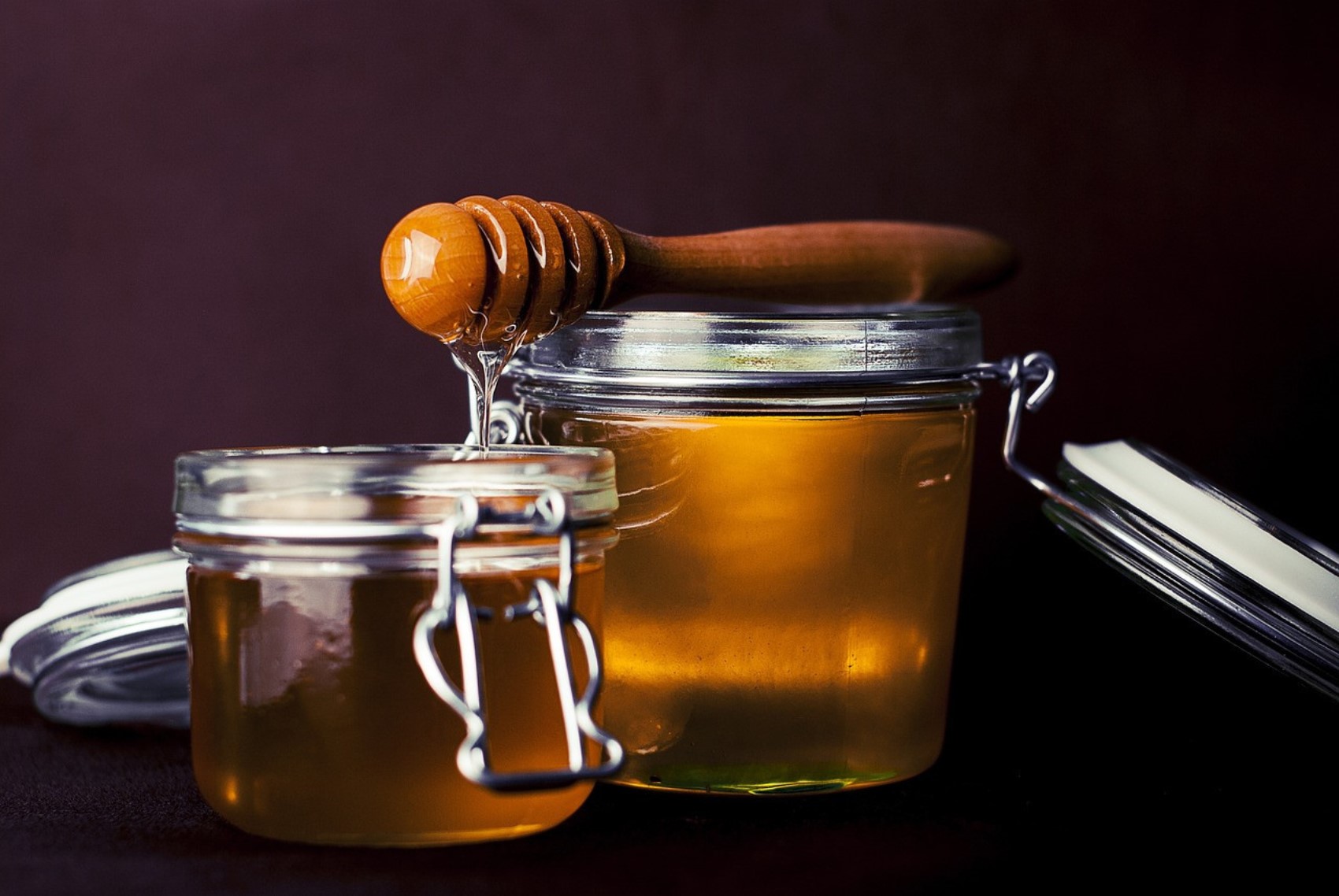
Another critical example is honey. It is perceived as if the only problem in bee products like honey or pollen is committing fraud. This is very wrong. It is much more important to investigate whether pyrrolizidine alkaloids, which cause liver cancer, are present in bee products like honey and pollen.
It is very important, especially for child health and liver patients. Pollen sales exploded during and after the Covid-19 pandemic, but pollen is a problematic product; the issue of pollen and pyrrolizidine alkaloids, which is a serious topic of debate in almost every country abroad, is not even on our agenda. There is not even a single statement from the ministry on these issues.
Therefore, the issue of exposing firms should not be seen as focusing on the issue of consumers being careful and taking precautions; our fundamental issue is that the public administration is not fulfilling its responsibility to protect public health. The public control system in the field of food safety in Turkey is not functioning.
"THE QUESTION OF WHAT USE THESE LISTS WILL BE IS IMPORTANT"
The list was published, and in addition to imitations, 'objectionable' and 'unhealthy' substances were also detected in many products of many brands. From this point on, is the responsibility the ministry's or the consumer's?
The responsibility belongs entirely to the ministry, of course. It is not new for the ministry to expose inappropriate brands and firms; you may remember that the publication of imitation and adulteration lists began in 2012, and the last list was published in March 2022. Lists had not been published for the last two and a half years. Therefore, the question of what will change with the statement made by the ministry and what use the publication of these lists will be, other than informing consumers, is important.
"THEY CONTINUED TO COMMIT THE SAME CRIME"
Furthermore, there is a very critical question that needs to be discussed, such as whether the most important problem concerning consumer health is imitation and adulteration. However, first, it is necessary to evaluate whether the work done is of any use. When we look at the practice that lasted for 10 years in the past, it is seen that the ministry's exposing of firms operating inappropriately did not provide a significant sanction. When the lists published at certain intervals between 2012 and 2022 are reviewed, it can be determined that many firms continued to commit the same crime, that is, they continued their production despite the ministry's detection of non-compliance.
So we can think that the sanctions or penalties are not working. If the contrary is claimed, they should explain what kind of criminal sanctions were applied to the firms on the lists and why these firms are still able to continue making irregular production despite these sanctions. The responsibility for explanation lies primarily with the ministry officials, of course.
THE MINISTRY DOES NOT MAKE A SOUND
Products containing imitation and adulteration have become the agenda, but are these the real elements that endanger food safety?
Imitation and adulteration are important, of course. It is also important for the ministry to expose firms that deceive the public, but we are no longer in the century before last. There are issues that go far beyond imitation and adulteration and lead to serious health problems. The most critical issue in our country regarding food safety is the issue of toxic chemicals that contaminate food, but the ministry does not make a sound about this issue.
THE REAL PROBLEM IS NOT IMITATION
For example, if the seed oil added to sunflower oil or olive oil is rapeseed, the issue is not limited to just imitation and adulteration. Rapeseed contains a toxic chemical called erucic acid. Erucic acid causes various health problems. If the seed oil used is canola instead of rapeseed, it points to another problem: A large portion of canola oil produced in the world is GMO. In this case, the question arises as to whether GMO canola oil is imported into our country. These details are not included in the firm exposure list prepared by the ministry.
WHAT ABOUT THOSE NOT ON THE LIST?...
What about the products that are not detected, whether they are on this list or not?.. Carcinogens, pesticides... What kind of inspection mechanism should the ministry establish?
First of all, let me say this: we have a well-structured control and inspection system in our country; the problem is that this system does not function. Let me try to explain the gravity of the situation through the bee products example I mentioned earlier. The Ministry of Agriculture and Forestry published a draft text regarding the communique on bee products in 2021, and it became law last April. But there are serious differences between the draft text and the final text published. For example, the draft text included the statement that pollen and products made from pollen cannot be sold to children under four years old. This is a correct statement. However, we then see that this statement is not included in the published text. That is, that statement was removed from the communique. This seems like a simple detail, but it is not.
THE DANGER IN HONEY
There has been a very serious debate in the academic literature and various health institutions in recent years regarding bee products and herbal teas. Institutions such as the European Food Safety Authority and the German Federal Institute for Risk Assessment have taken restrictive measures to protect public health regarding pyrrolizidine alkaloids that can be found in pollen and herbal teas. Pyrrolizidine alkaloids are very toxic chemical substances that can be found in various plants in nature and can contaminate the products we consume, leading to liver cancer without giving any prior symptoms. Therefore, it is necessary to check whether they are present in products and to take measures to reduce the consumption of sensitive groups, especially pregnant women, children, the elderly, and liver patients.
"WE DO NOT KNOW THE ANSWERS TO THESE QUESTIONS"
But when we look at our country's market, you go to any online sales site and encounter suggestions stating that it is appropriate for even one-year-old babies to consume pollen by the spoonful morning and evening.
Now the question is: Why did the ministry remove the provision that was in the draft text and prohibited children from consuming pollen from the text? Who decided this? Who were the people on the commission that played a role in the issuance of the bee products communique, that is, who were the sector representatives and who were the academics on the commission? We do not know the answers to these questions. Let us demand that the ministry also give clear answers to these questions and ask this then: Why is the issue of pyrrolizidine alkaloids, which is a serious food safety problem in bee products and herbal teas in our country, not on the ministry's agenda, why was the protective provision in the draft text removed, and why is no measure being taken to protect public health, especially child health?

EU SENDS THEM BACK
As long as we do not get a serious answer to these questions, announcing the firms that engage in imitation and adulteration in honey or thyme is just showing the tip of the iceberg. It is like saying, 'Keep yourselves busy with these.' Moreover, the issue of pyrrolizidine alkaloids is just one of many issues; I can multiply the examples on this subject. For example, the issue of pyrrolizidine alkaloids also applies to thyme; thyme is at the top of the list of products sent from our country to EU countries but rejected because it contains pyrrolizidine alkaloids. Through the example of thyme or honey, the issue is far beyond imitation and adulteration.
WHAT SHOULD CONSUMERS DO?
What can the consumer do, how can they know what they are eating?
The answer to this question extends far beyond what the consumer can do. Food safety is closely linked to a series of issues such as environmental health, agricultural production, worker health, child policies, education, and urbanization.
A great responsibility falls on various institutions, primarily the Ministry of Agriculture and Forestry, the Ministry of Health, and the Ministry of Environment, in the fields of food and nutrition. As citizens, it is necessary not to give up on persistent follow-up to ensure these institutions do their jobs well, but I am also aware that this is very difficult in the current political climate. A feeling of helplessness, hopelessness, or that nothing will change is increasingly taking root in society. People are looking for a reliable answer. But the question of what the consumer will do is the question that should be left for last if we were to make a priority list.
Ensuring food safety is always a public issue, and public institutions, the judiciary, academic institutions, and the media have certain roles in the solution of this issue. However, it is also a fact that in the current political situation, these institutions have been hollowed out and turned into dysfunctional or even crisis-producing institutions. Although, while determining that the political power in office and the institutions are not doing their jobs well, one should also look at what the opposition is doing.
I cannot see the opposition as a focus of solution that will solve the existing food safety problems and multiply hope rather than despair. Yet, it should be said to society that there is a solution to the problems we are facing, and a great responsibility falls on the opposition parties in this regard. Because we are not facing unsolvable problems, but we do not know what answers the opposition parties give to food safety problems.
We do not know if they have a political program that they share with the public and that analyzes the current situation and proposes solutions. There is no discussion. They have a state of being locked into submitting parliamentary questions, making press releases, and sharing on social media. They also have a state of being locked in terms of political activity. I do not think the importance of the food and nutrition issue is sufficiently grasped. The political horizon on this subject is limited only to the field of agricultural production.
FOOD CRISIS
Local governments should produce responses to problems in the fields of food and nutrition more seriously and by creating mechanisms that involve citizens. There are good initiatives on this subject, and it is necessary to support and grow them. For example, the food crisis that marked the last two years and the abnormal increases in food prices have created a serious nutritional problem in the child population, and local governments are trying to find remedies for this problem within their means. I find this valuable. Because it is necessary to remember that healthy nutrition is the most fundamental human right and that public institutions have a great responsibility in ensuring this right.
INDEPENDENT FOOD SAFETY AGENCY
One of the things that is a dream, but I say it would be very good if it existed, is to be able to create a reliable and independent food safety agency that will assess the situation, carry out analytical studies, and make reports in both food and environmental fields. I wish professional organizations and non-governmental organizations could take on such a task and think about how we can do it.
News Source: 12punto









