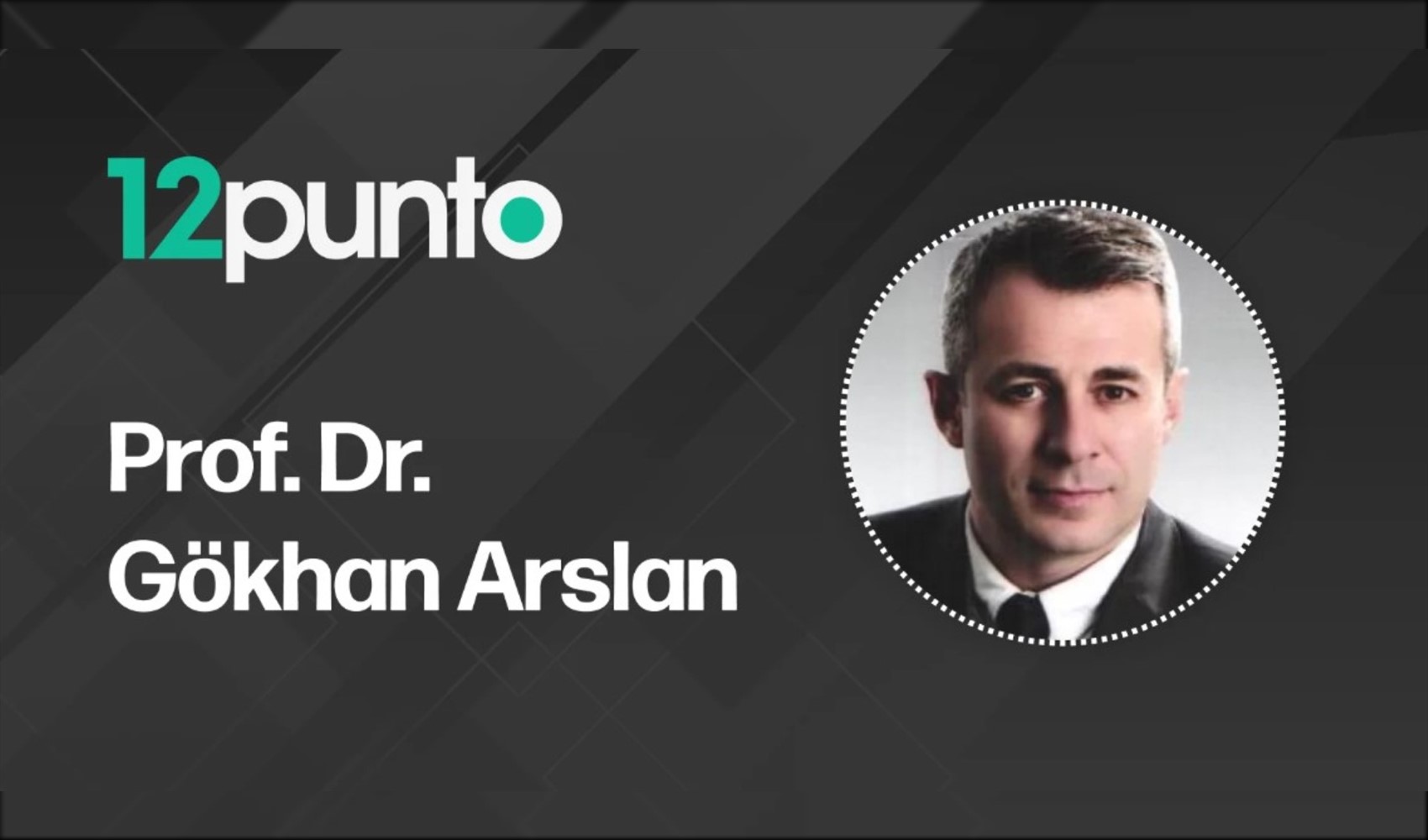
Prof. Dr. Hasan Sözbilir, Director of the Dokuz Eylül University Earthquake Research and Application Center, announced that 30 active fault lines across Turkey have been identified as being "due for an earthquake." Sözbilir pointed out that construction on these fault lines must be urgently reviewed.
'SEISMIC GAPS ARE SENDING DANGEROUS SIGNALS'
Prof. Dr. Sözbilir stated that following the 2023 Kahramanmaraş-centered earthquakes, fault lines across the country were re-examined, noting, “Of the 485 faults identified since 2011, 30 of them, which are characterized as seismic gaps, have the potential to produce an earthquake at any moment. These faults have been accumulating energy for a long time.”
Sözbilir emphasized that the frequency of past earthquake production on these faults was analyzed using a method called paleoseismology. According to the findings, the time elapsed since the last earthquake on some fault lines could be a harbinger of a potential new earthquake.
ISTANBUL AND AEGEAN WARNING
Prof. Dr. Sözbilir stated that the Kumburgaz, Adalar, and Avcılar segments located in the south of the Sea of Marmara also have the potential for a destructive earthquake. In Western Anatolia, segments such as İzmir Tuzla, Balıkesir Gökçeyazı, and Eskişehir draw attention; while in Central Anatolia, the Tuz Gölü and Kayseri-Erciyes faults, and in the East, the Yedisu, Malatya, and Ovacık faults were stated to be among the risky regions.
In Southeastern Anatolia, the Şirvan, Cizre, and Yüksekova faults were identified as segments that have been accumulating stress for a long time but have not produced earthquakes.
Sözbilir emphasized that urgent urban planning must be carried out in the regions under threat:
“The construction status on these faults must be re-evaluated. With the implementation of a ‘fault avoidance zone,’ new construction on these lines must be prevented, and existing structures must be subjected to risk analysis.”
Furthermore, stating that the impact that existing building stocks would face during a potential rupture must also be calculated scientifically, Sözbilir touched upon the importance of addressing structures with a high risk of damage within the scope of urban transformation.
'REPORTS SUBMITTED TO MUNICIPALITIES'
Prof. Dr. Sözbilir said that the field studies and technical analyses conducted have been forwarded to the relevant municipalities and that this data has also been shared with the Ministry of Environment, Urbanization and Climate Change. He emphasized that authorities must take this scientific data into account in their planning.
News Source: 12punto