 1 / 5
1 / 5
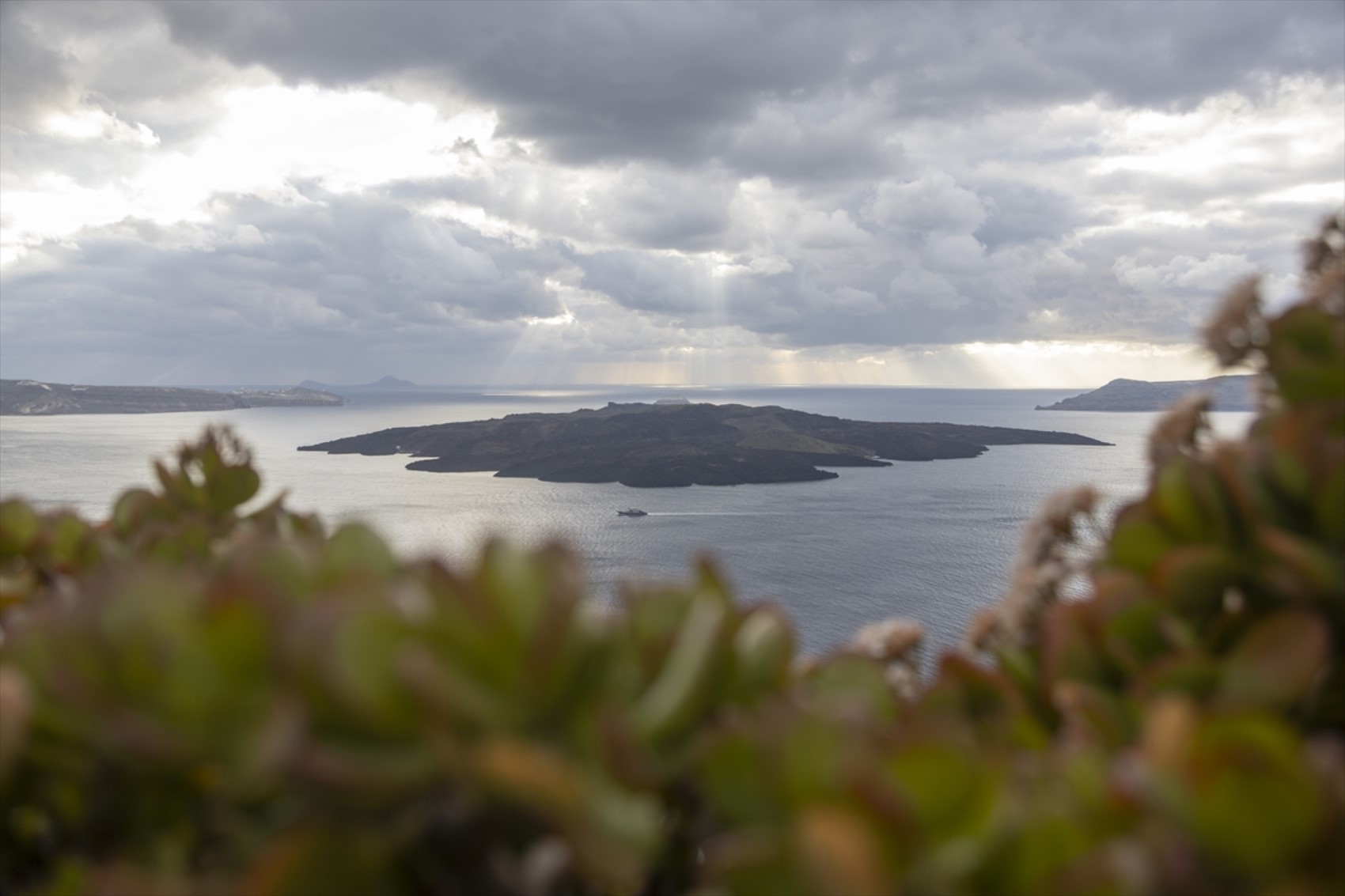
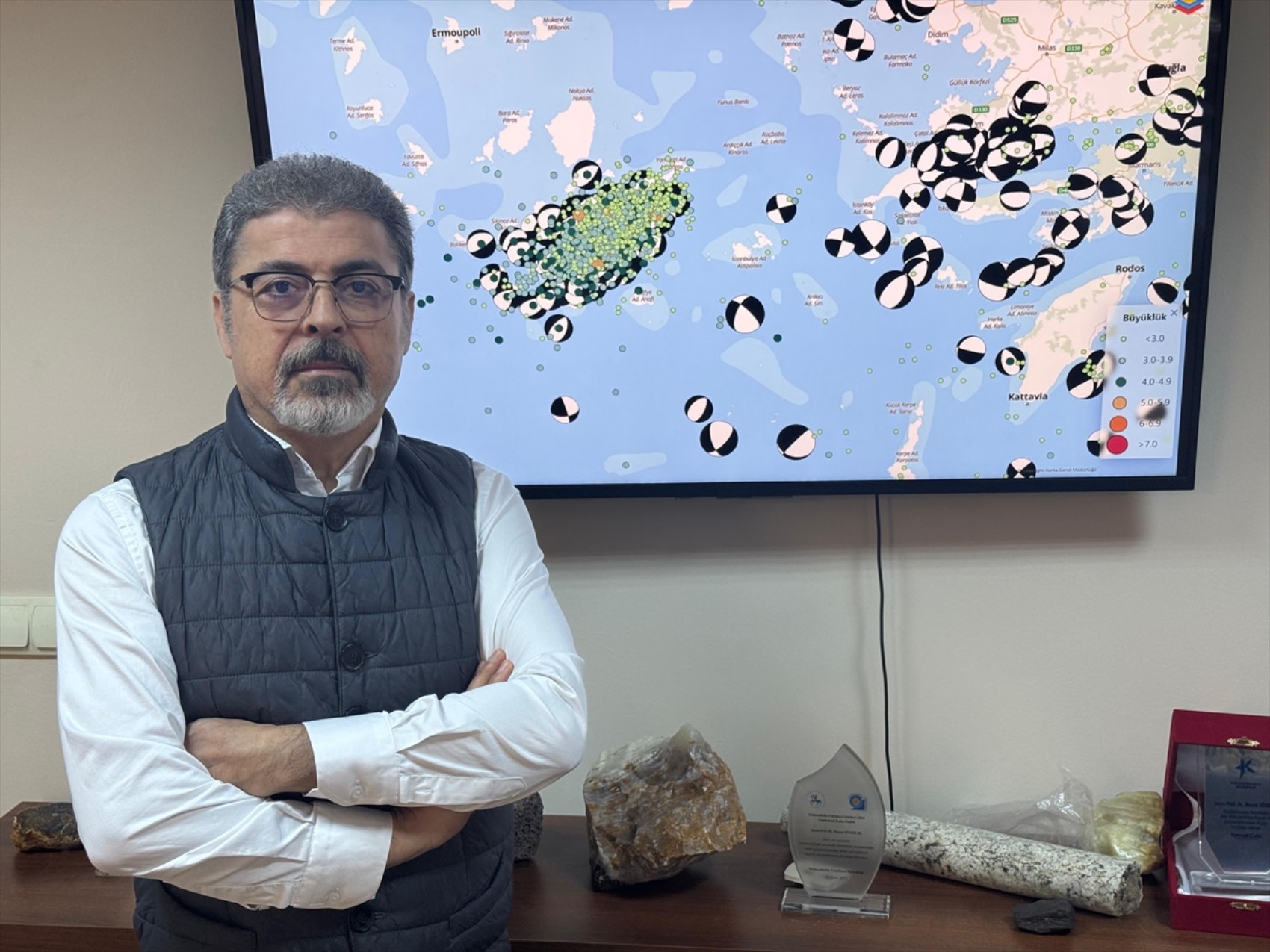
Dokuz Eylül University (DEÜ) Earthquake Research and Application Center Director Prof. Dr. Hasan Sözbilir made important statements regarding the seismic activity occurring on Santorini Island.
Stating that the activity in the region began as of January 28, Sözbilir said that nearly 4,000 earthquakes have been recorded. According to data from Greek scientists, however, up to 20,000 volcanic-origin tremors have occurred.
 2 / 5
2 / 5
Noting that these tremors are not direct earthquakes, Sözbilir said, "These are called 'tremors,' meaning they are not direct earthquakes; we could call them 'micro-earthquakes.'"
 3 / 5
3 / 5
NUMBER AND INTENSITY OF EARTHQUAKES HAVE DECREASED
Prof. Dr. Sözbilir emphasized that the seismic activity in the region has changed over time, stating that while 3-5 earthquakes were seen daily at the beginning, this figure rose to 400 on some days.
However, he noted that currently, between 15 and 50 earthquakes are recorded daily, and both the magnitude and the number have decreased.
Stating that this indicates volcanic and tectonic movements are working together, Sözbilir said, "Currently, both micro-earthquakes caused by magma movement and earthquakes caused by the fault in the region are triggering each other."
 4 / 5
4 / 5
Stating that volcanic-origin earthquakes are effective in the region, Sözbilir explained that the movement of magma underground is trying to reduce pressure by breaking the crust.
Sözbilir said, "This situation shows that tectonic and volcanic movements are connected to each other. As the magma below moves, the faults in the region also break, trying to reduce stress and pressure."
Expressing that in this process, earthquakes could trigger each other and last longer, Sözbilir stated that the region is experiencing a phase of uncertainty.
 5 / 5
5 / 5
"WE CAN SEE THAT THE FAULT IS BREAKING"
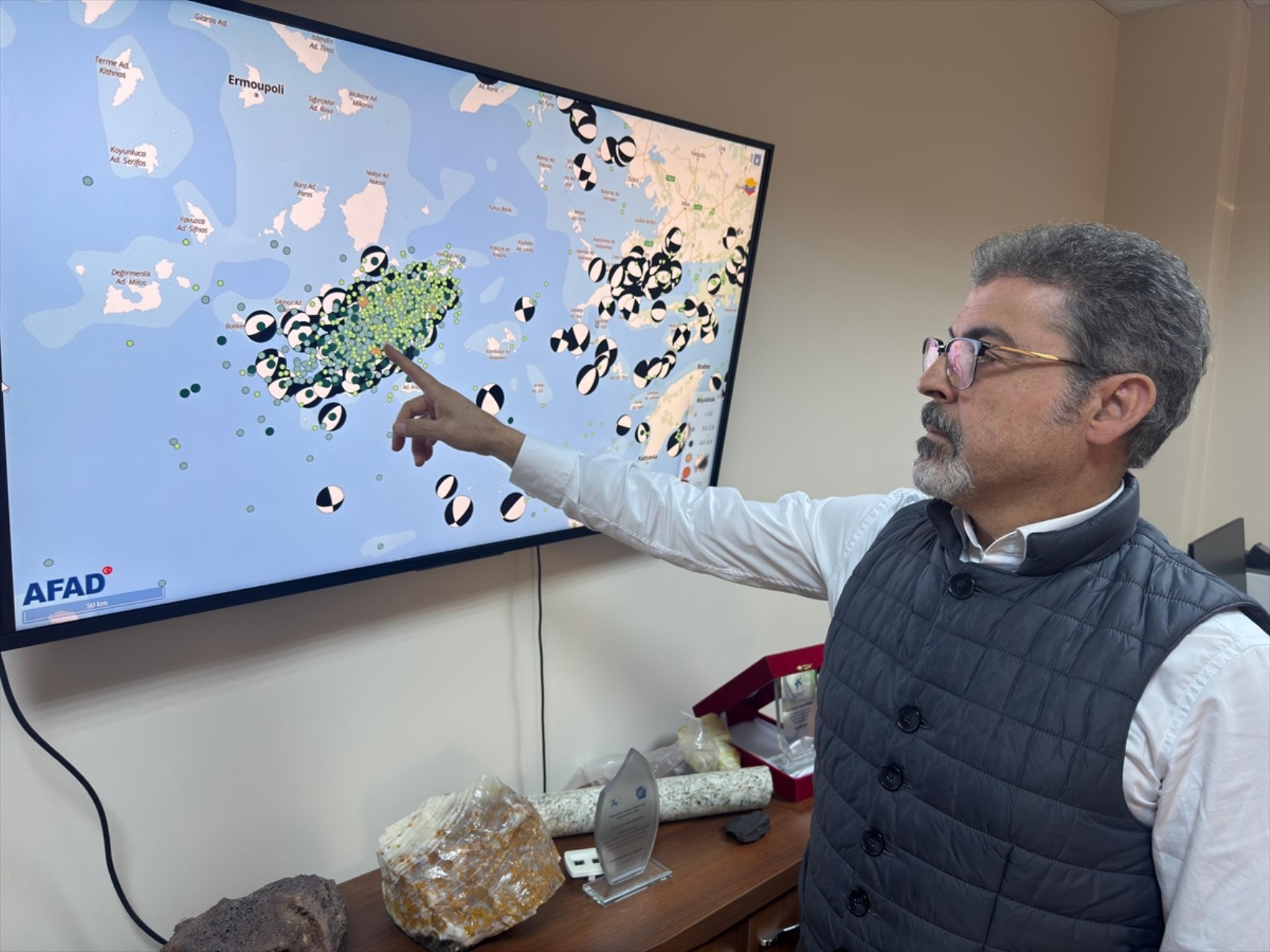
Sharing information about the structure of the fault breaking near Santorini Island, Prof. Dr. Hasan Sözbilir said that according to AFAD's fault analyses, the rupture is occurring on a northeast-trending fault.
Sözbilir said, "AFAD has solutions regarding what kind of fault is breaking there. When we look at them, we can see that a northeast-trending fault is breaking."
News Source : AA