 1 / 8
1 / 8
Although 110 years have passed since the Gallipoli Land Battles, striking details contained in the war diaries continue to draw attention.
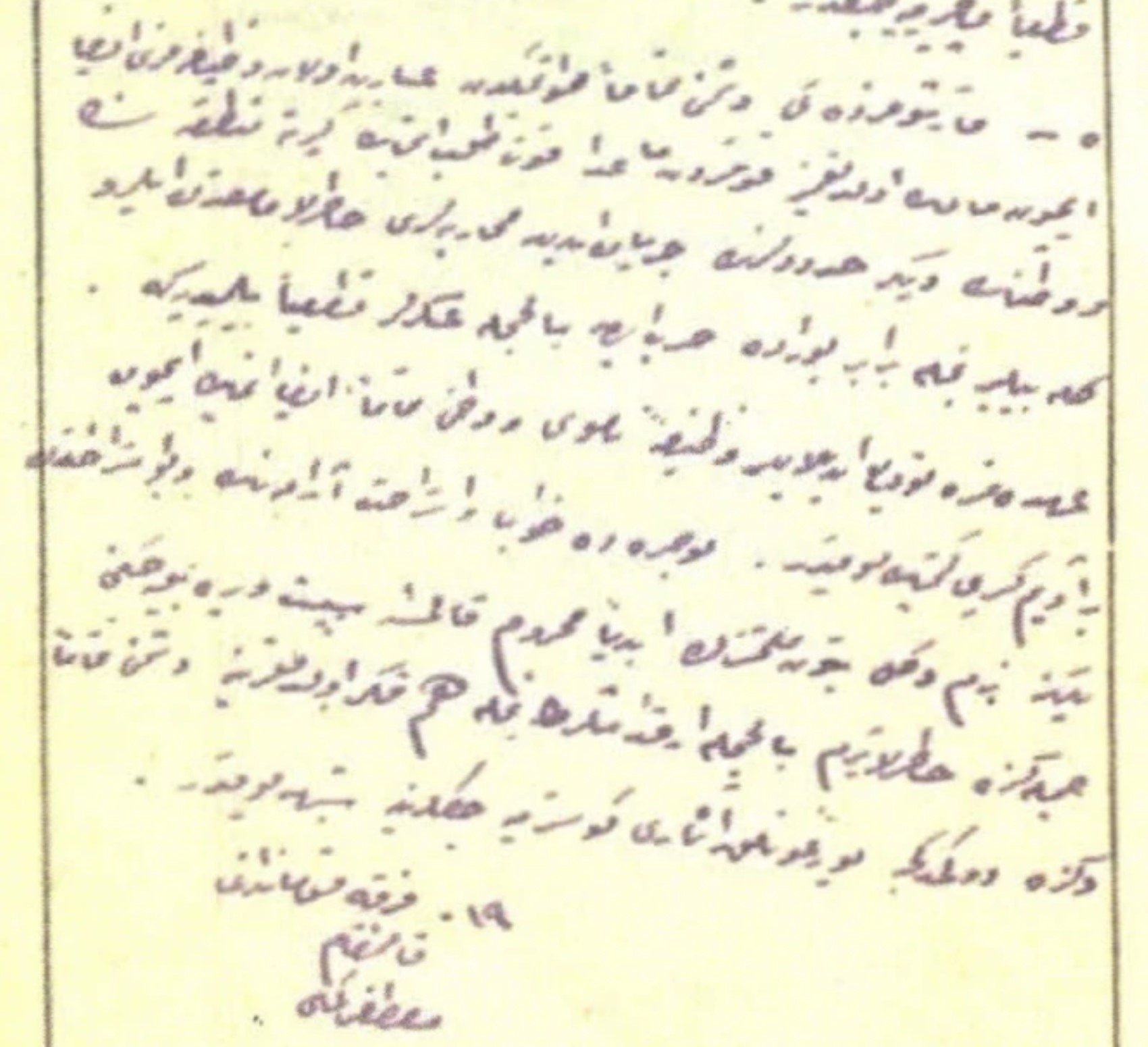
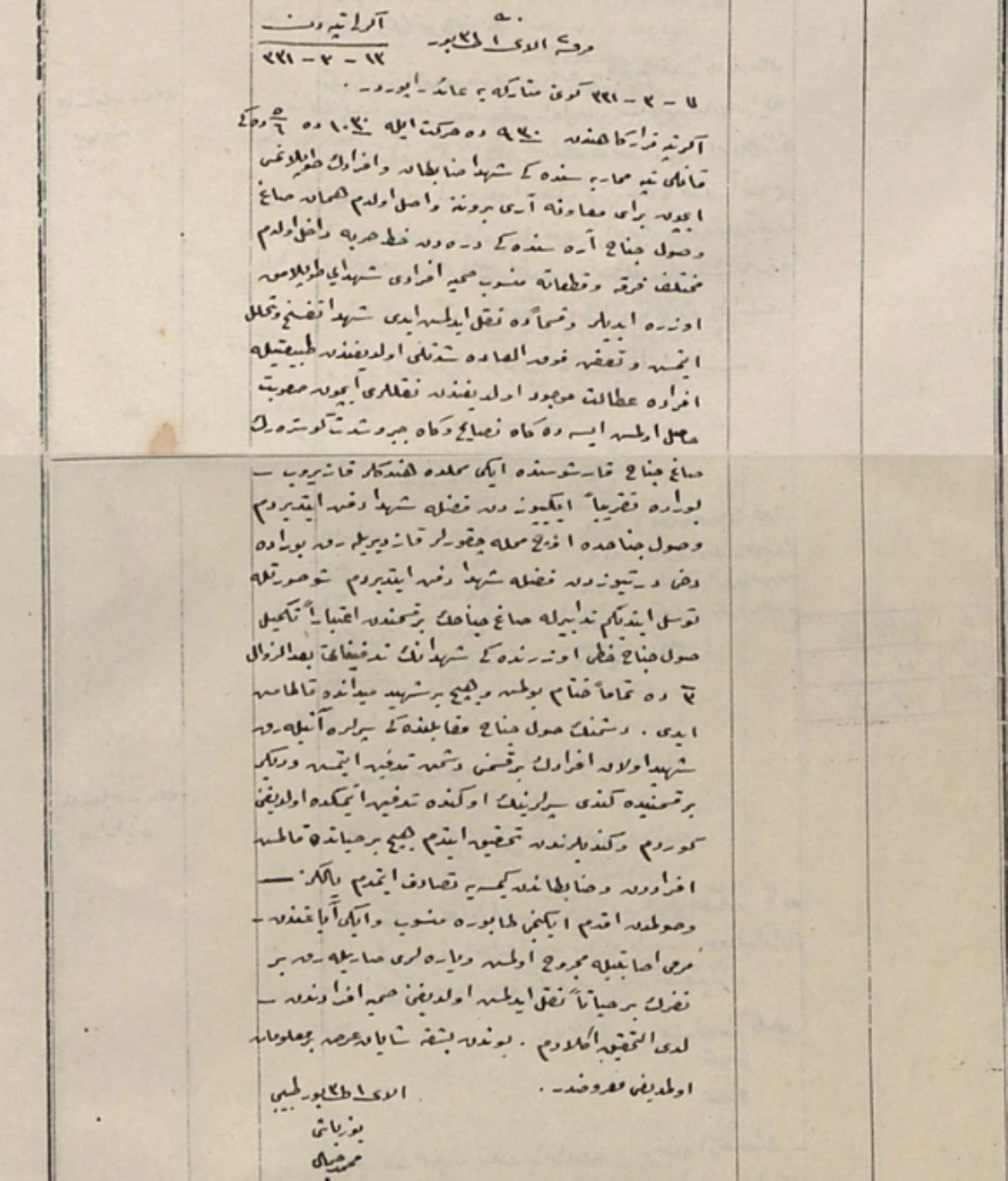
Dr. İsmail Sabah, Deputy Director of the Çanakkale Onsekiz Mart University (ÇOMÜ) Atatürk and Gallipoli Battles Research Center (AÇASAM), stated that the report by Captain Mehmet Cemal, a battalion doctor for the 3rd Battalion of the 1st Regiment attached to the 2nd Division, who served during the collection of fallen soldiers during the ceasefire on May 24, 1915, following the Turkish offensive on May 19, 1915, reflects the events with complete clarity.
 2 / 8
2 / 8
Dr. İsmail Sabah stated that out of the 42,000 Turkish soldiers who participated in the offensive, approximately 10,000 were martyred or wounded, and 948,000 bullets were fired at the Turkish units. Dr. Sabah noted that on May 3, 1915, Mustafa Kemal Atatürk issued an important order during the Gallipoli Battles, stating, "'There is not a single step to be taken back in order to fully fulfill the duty of honor and homeland entrusted to us. I remind you all that seeking sleep and rest during this time will deprive not only us but the entire nation of this sleep and rest,' he said, drawing attention to the fact that the struggle would continue."
'SPOTTED BY BRITISH AIRCRAFT'
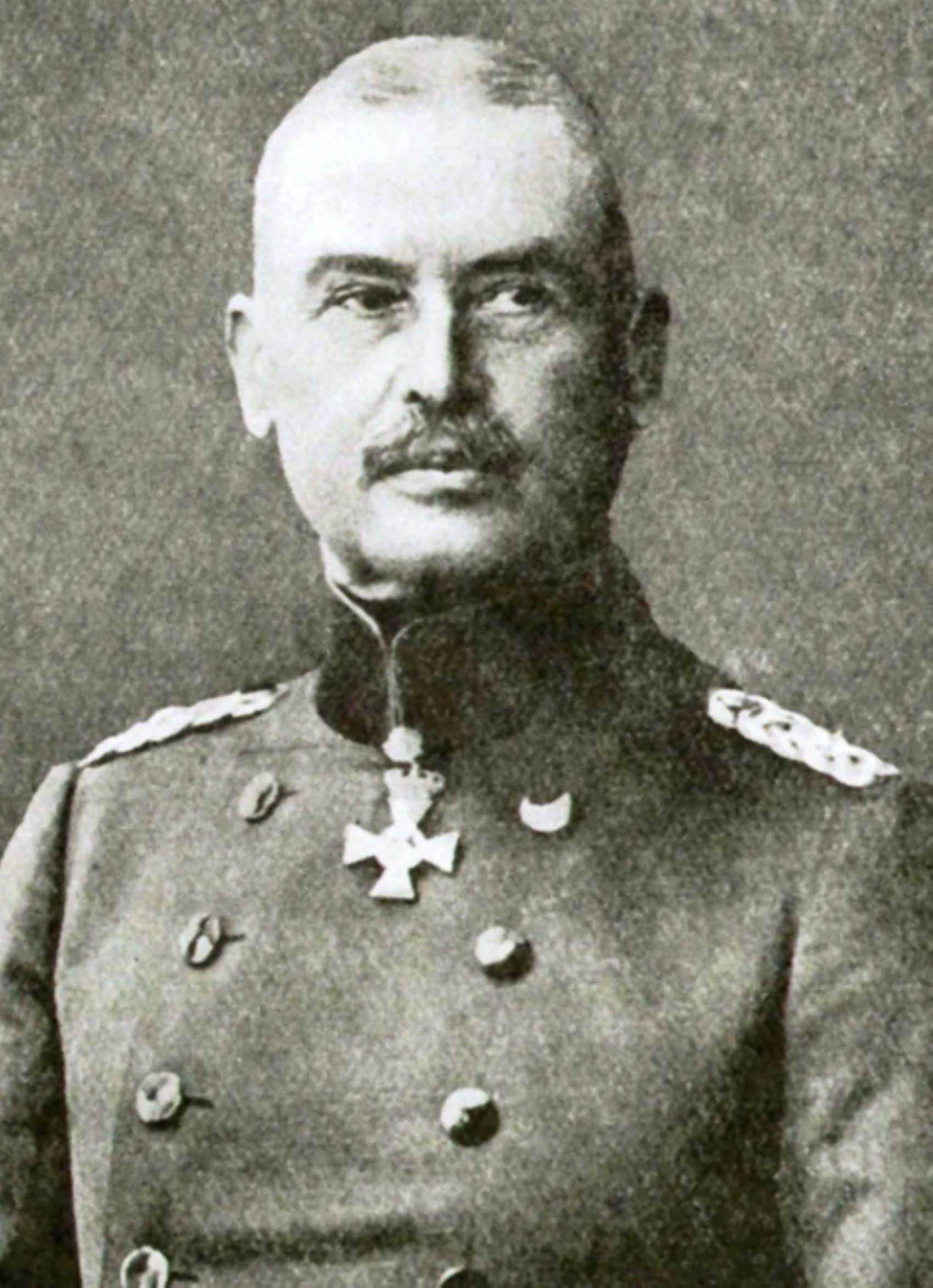
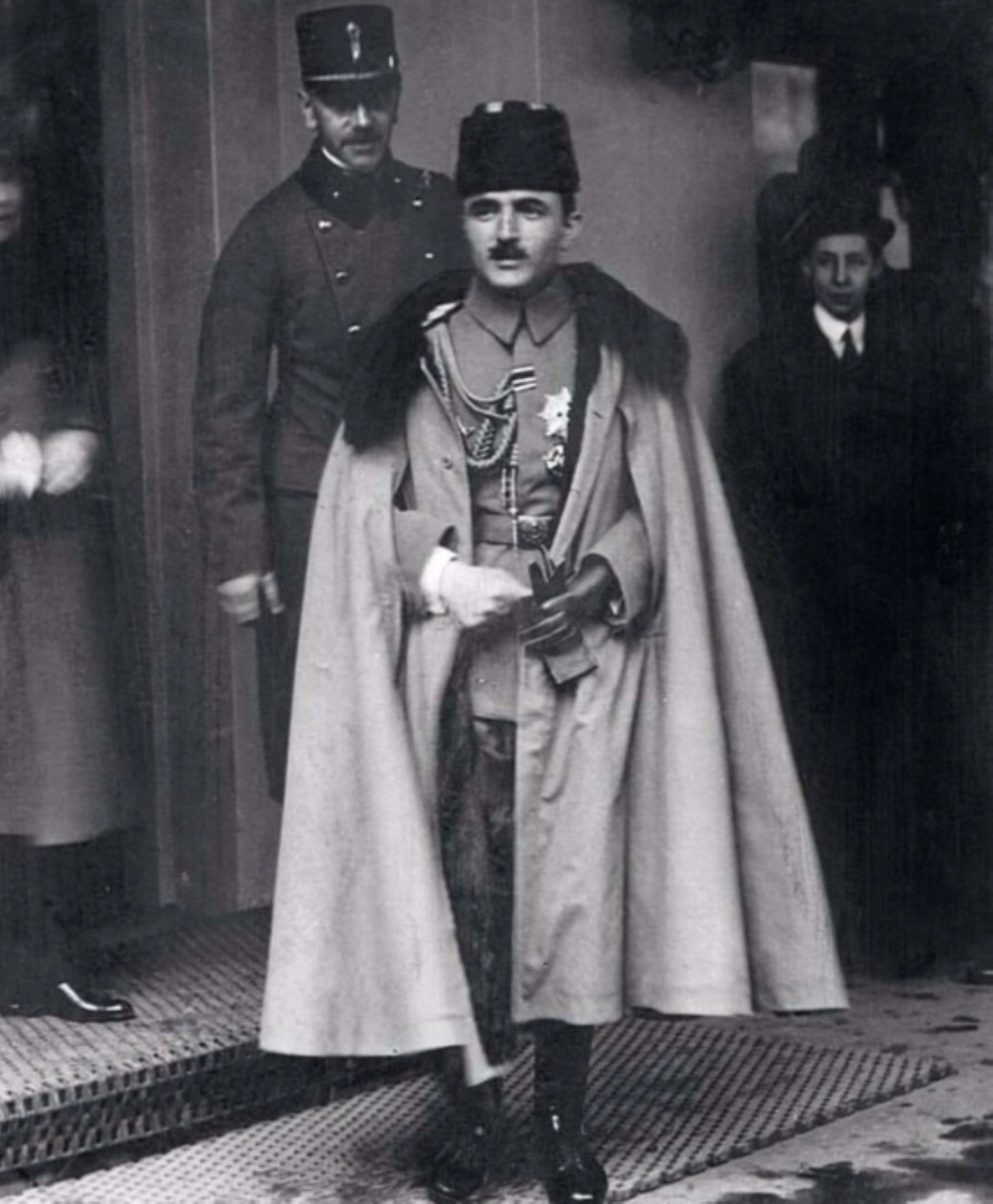
Dr. Sabah said, "Following this order, a telegram sent by Minister of War and Deputy Commander-in-Chief Enver Pasha to the 5th Ottoman Army emphasized the urgency of achieving a result on the Gallipoli Peninsula. Enver Pasha visited the front on May 11, and after his meeting with Marshal Liman von Sanders, the decision was made to attack the enemy at Arıburnu. The offensive was planned to take place on the night connecting May 18 to May 19 at 03:30, in the style of a surprise raid using only bayonets. As the 2nd Division moved to the front, it was spotted by British aircraft, alerting the Anzac Corps to a potential Turkish offensive. The Anzac soldiers, who would normally have been at their posts at 03:30 against a dawn raid, were already in position at 03:00 that night. When the offensive began, the Anzac Corps was waiting in readiness. When the Turkish soldiers moved in the style of a raid, a disaster began simultaneously. Because the Anzac soldiers began firing at the Turkish soldiers advancing toward them under the darkness of the night," he said.
 3 / 8
3 / 8
'THE HORRIFYING NATURE OF THE SCENE'
Dr. Sabah quoted the expressions in the 2nd Division war diaries as follows:
"'Those who emerged from the trench were immediately mowed down.' The 2nd Battalion Commander, Major Cemil Bey, picked up a hot piece of shrapnel, climbed onto the trench, and inspired his men with the heroic address: 'Look, my children, these are enemy bullets. They do not kill a man.'"
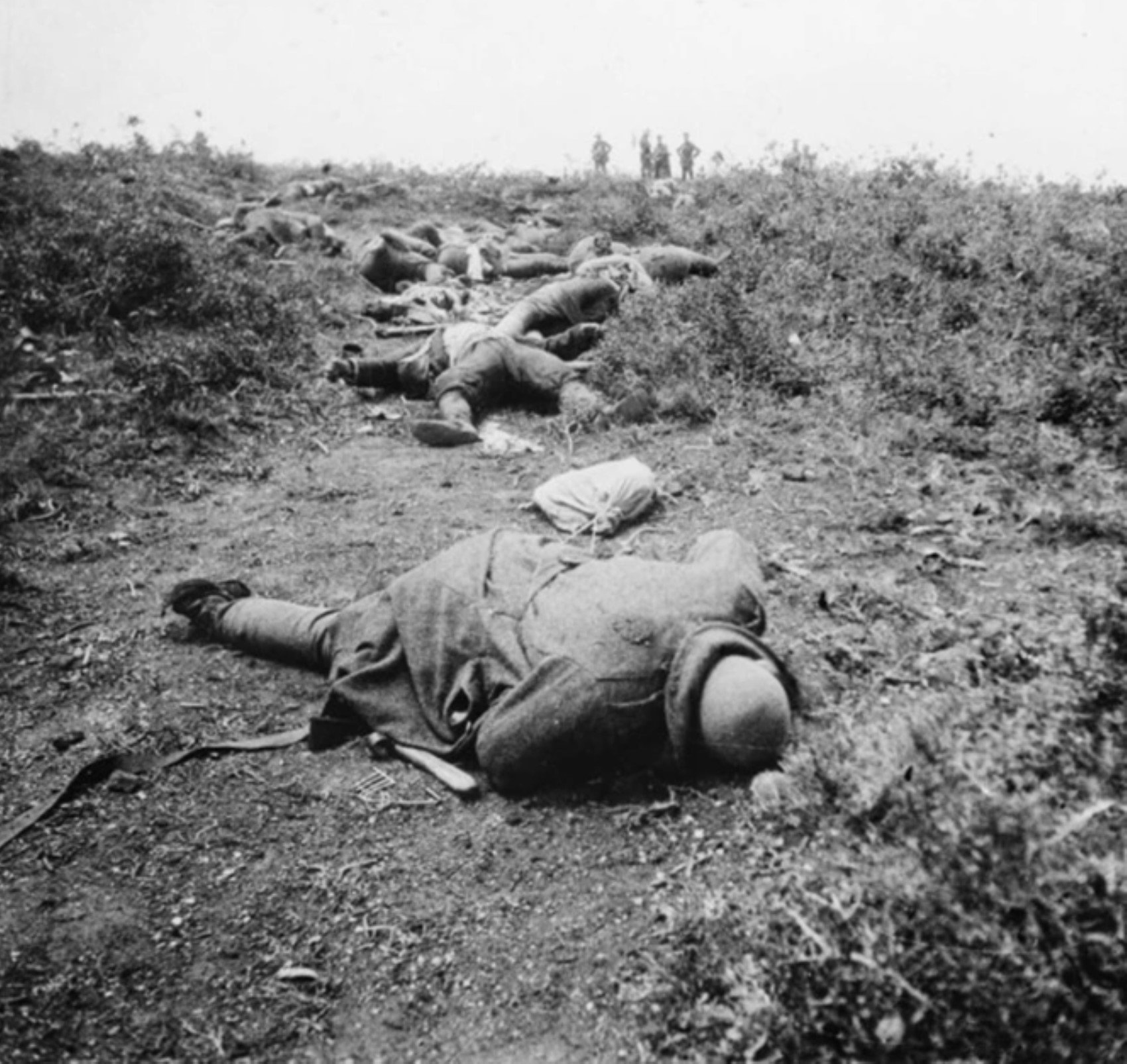
Dr. Sabah stated that the offensive lasted until 10:00 the next morning and that the resulting scene was horrifying.
 4 / 8
4 / 8
'THEY OFFERED MONEY TO BE ABLE TO FIRE'
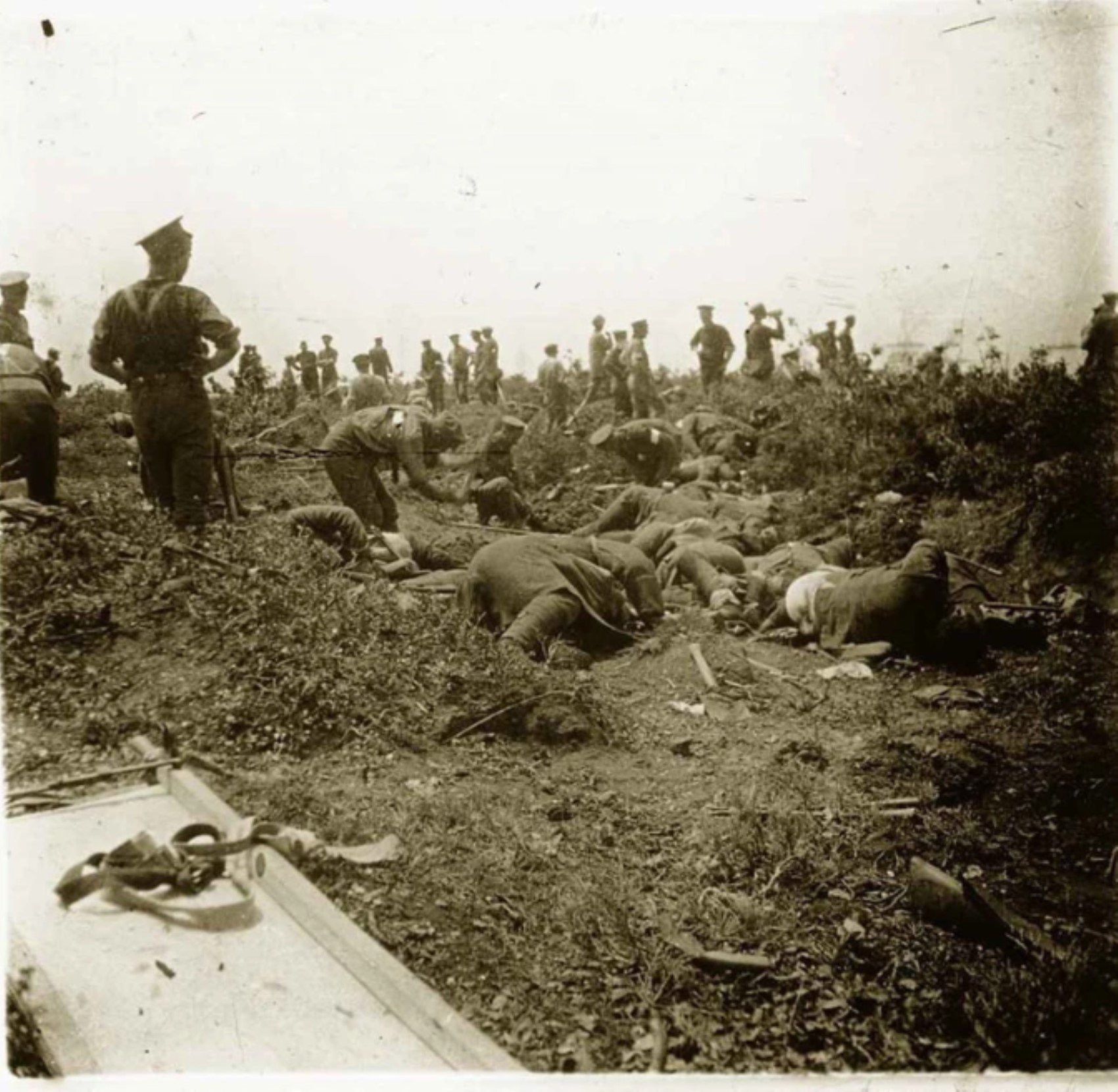
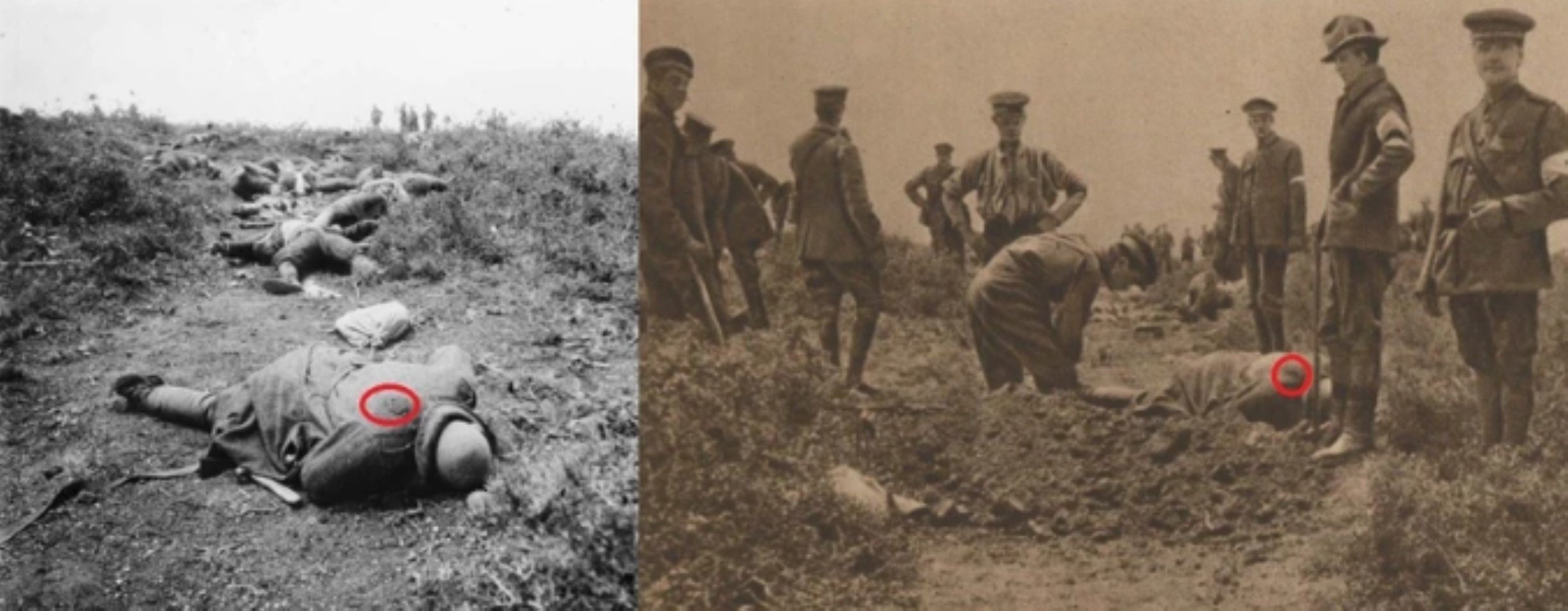
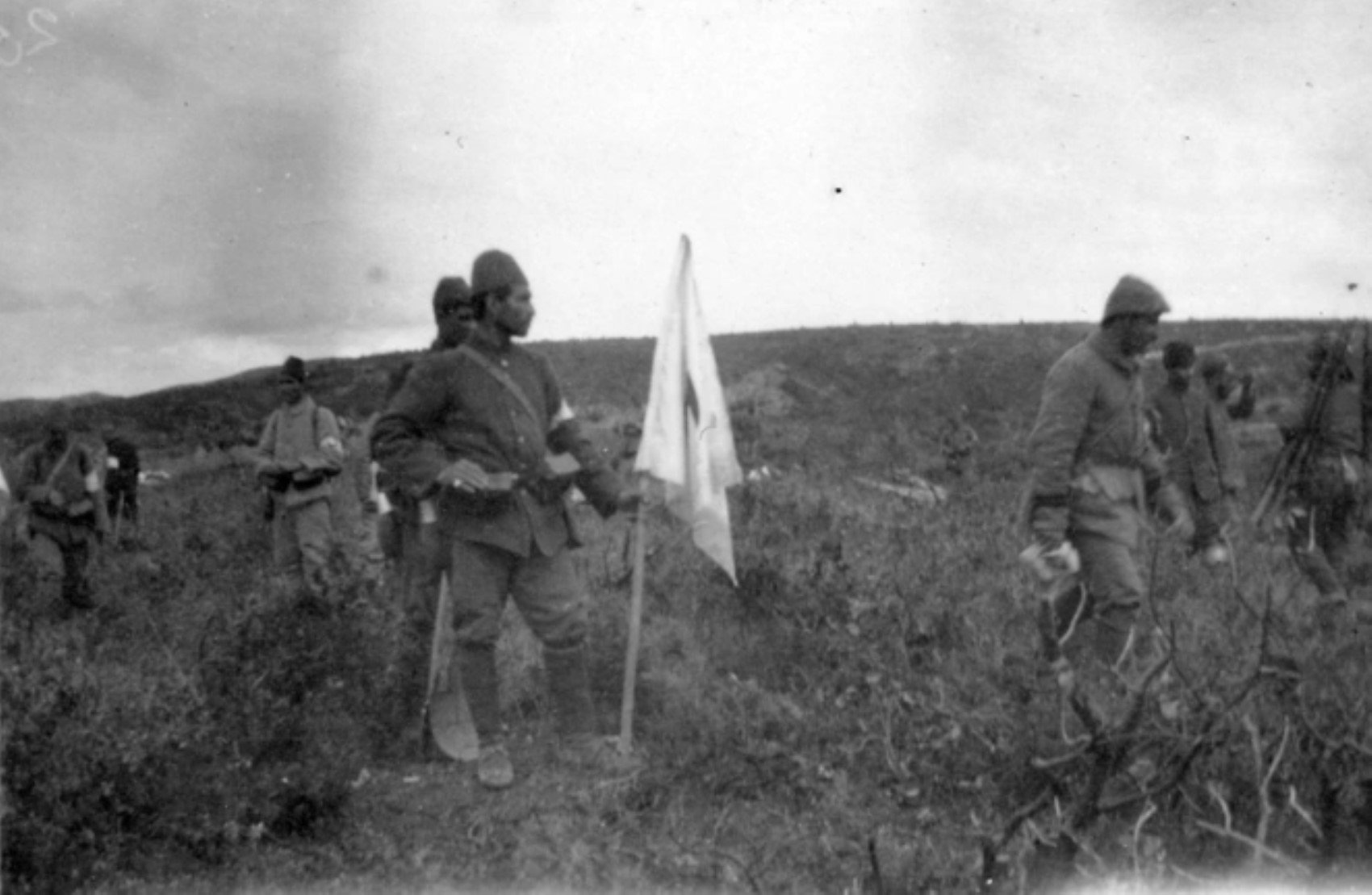
Stating that the bodies of the Turkish martyrs left between the trenches as a result of the offensive posed a danger to both sides, Dr. Sabah said, "Concerned about the risk of disease, the parties reached an agreement on May 23, 1915, which would be the first and last time during the Gallipoli Battles, and upon this, a ceasefire was declared on May 24, 1915, exactly 110 years ago today, which would be the first and last time in the Gallipoli Battles. When we look at the official history of Australia, we see that the offensive that took place on the night of May 18/19 is described as a 'massacre.' The official history of Australia provides some valuable details about this offensive. Looking at the records of that day, we see that Anzac soldiers, Australian and New Zealander soldiers, went out of their trenches to get a better shooting position and sat cross-legged. We see from the official history of Australia that soldiers serving in the second line even offered money to their friends in the first line to be able to fire," he explained.
 5 / 8
5 / 8
'THE NUMBER OF BULLETS FIRED AT TURKISH UNITS WAS 948 THOUSAND'
Stating that "Turkish units ran almost to their deaths to fulfill their duties," Dr. Sabah noted that the number of bullets fired at Turkish units on the same night at Arıburnu alone was 948,000, and that nearly 1,500 artillery shells were also used. Dr. Sabah said, "This horror was revealed in all its nakedness on May 24, during the first and last ceasefire of the Gallipoli Battles. During this ceasefire, which would last about 9 hours, the Turkish martyrs left between the trenches were collected, and one of the eyewitnesses of that day was the 3rd battalion doctor attached to the 1st Regiment of the 2nd Division."
 6 / 8
6 / 8
'WE HAD BURIED THEM ALL'
Dr. Sabah also shared the statements in the report provided by Captain Mehmet Cemal. The report included the following expressions:
"The smell was unbearable. The soldiers were hesitant to work because of the smell. Sometimes with advice, sometimes with difficulty, I carried out the burial of the martyrs. The martyrs were buried in the wide pits that were dug. Those who could not be moved were buried where they were, and when the ceasefire ended in the evening, there were no martyrs left between the trenches, and thus we had buried them all."
 7 / 8
7 / 8
'REMAINED AS HISTORICAL DOCUMENTS'
Dr. Sabah stated that New Zealander Lieutenant Colonel Percy Fenwick, one of the eyewitnesses of the same day, expressed what happened that day by saying, "The Turkish dead were lying so thickly that it was almost impossible to pass without touching them. The smell was unbearable." Dr. Sabah said, "Thus, the first and last ceasefire of the Gallipoli Battles, exactly 110 years ago today, was completed. These archival materials remain as very important historical documents in terms of reflecting the details and horror of that day," he said.
 8 / 8
8 / 8
News Source : 12punto