



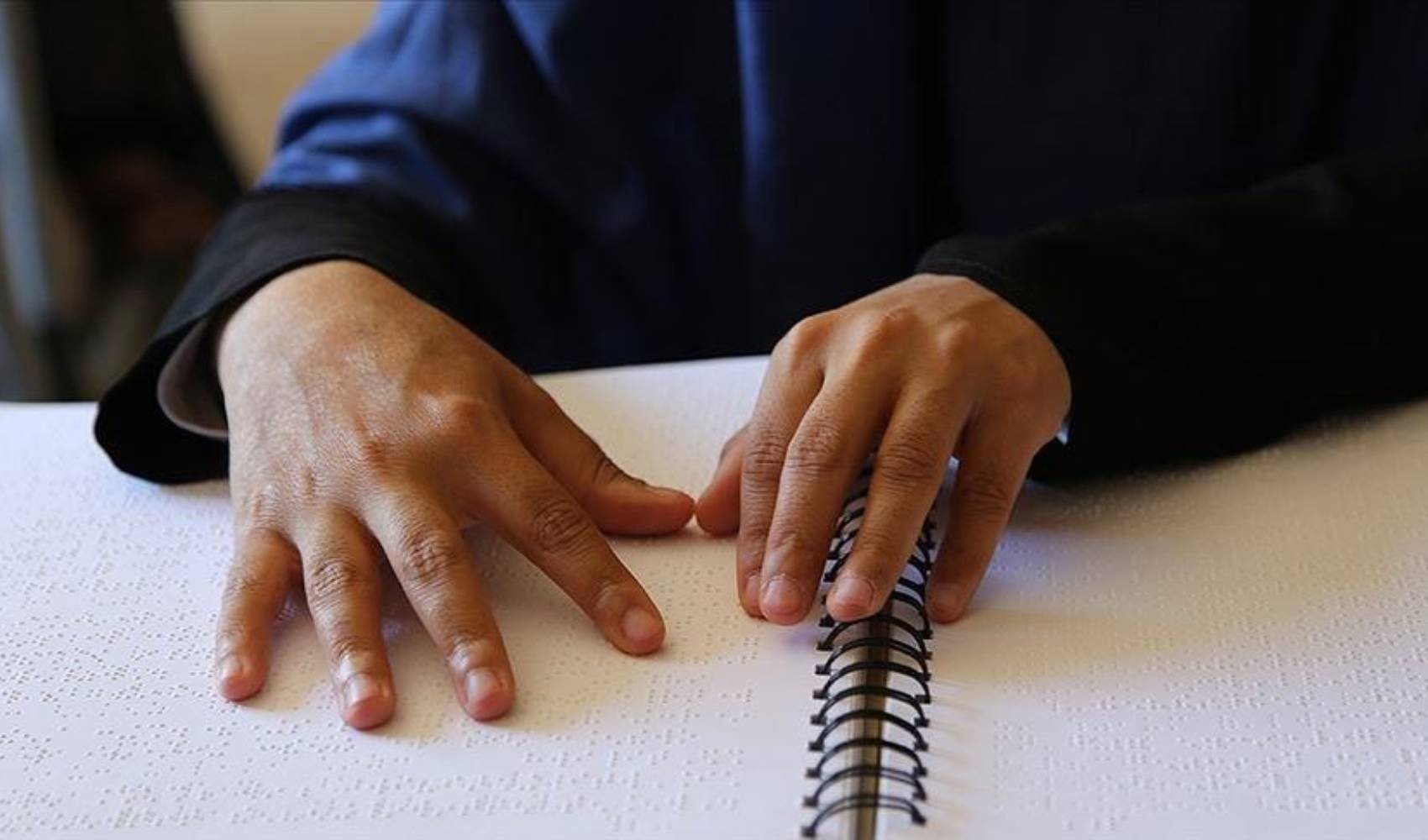
The "Bill on the Provision of Free Transportation and Accessible Cities for the Disabled," submitted to the TBMM Presidency by Tunceli MP Ayten Kordu, contains comprehensive regulations aimed at the full and independent participation of disabled individuals in social life. This 13-article proposal aims to redesign not only transportation but also the physical structure of cities.
Here are the key highlights of the legislative proposal:
1. "Unlimited" Free Right to Transportation
The proposal expands the right to transportation to alleviate the burden of economic difficulties on disabled individuals:
Scope: Individuals with a disability of 40% or more, those receiving medical support, and one accompanying person will benefit from free use of municipal, public, and private urban vehicles.
Intercity Transportation: State Railways, maritime lines, intercity buses, and domestic flights will also be included in the free coverage.
Quota Ban: No quota restrictions may be applied to the use of transportation vehicles by disabled individuals.
2. Accessible Cities and Physical Standards
Article 5 of the proposal defines making all public areas suitable for disabled access as an "obligation":
Sidewalks and Roads: Tactile surfaces for the visually impaired and standard sloped ramps for wheelchairs will be mandatory.
Elevators and Passageways: Underpasses/overpasses will feature audio guidance, non-slip flooring, and fully equipped elevators. Sanctions will be applied to relevant institutions for individuals whose transportation is hindered due to non-functioning elevators.
3. Technology and Safety in Public Transportation
Article 7, which draws attention to the multiple forms of discrimination experienced particularly by disabled women, stipulates the following:
Audio stop announcement systems and visual information screens will become mandatory.
"Emergency support buttons" and accessible application mechanisms will be established in vehicles for disabled women, children, and the elderly.
4. Oversight and Rural Support
A strict oversight mechanism is proposed to ensure the implementation does not remain only on paper:
Accessibility Boards: Oversight boards will be established in local governments where disabled and women's organizations, as well as professional chambers (architects, urban planners, etc.), are represented.
Sanctions: Institutions that do not comply with the standards will be fined, and proceedings will be initiated against their administrators.
Rural Support: Special free transportation programs will be created to ensure access to education and health for disabled individuals living in areas far from city centers.
The general justification for the proposal argues that current social policies make disabled individuals dependent on others and "confine them to their homes." With this regulation, in accordance with the United Nations Convention on the Rights of Persons with Disabilities and the principle of equality in the Constitution, it is aimed to remove the structural barriers preventing disabled individuals from leading a dignified and independent life.
News Source: 12punto









