 1 / 15
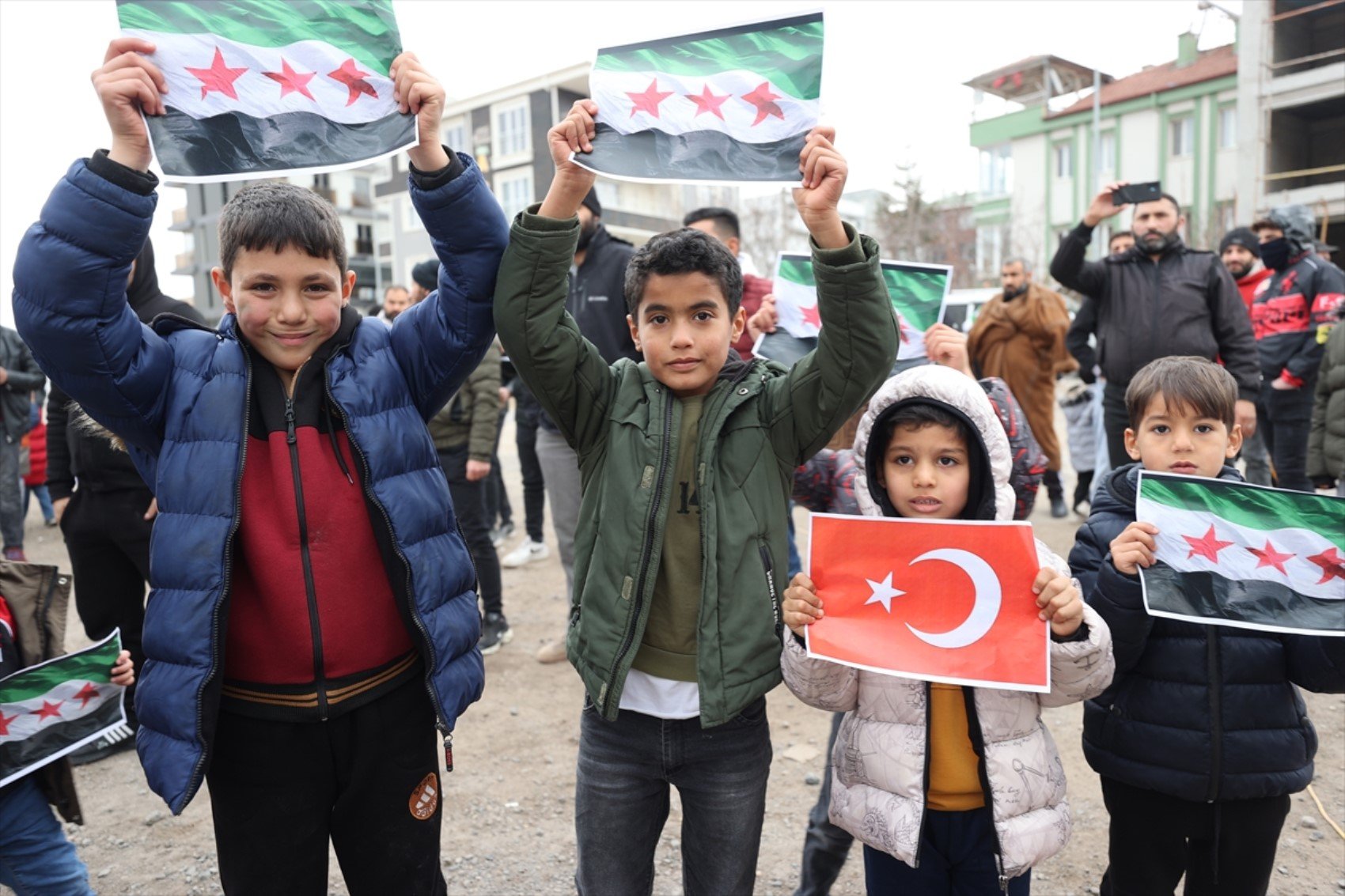
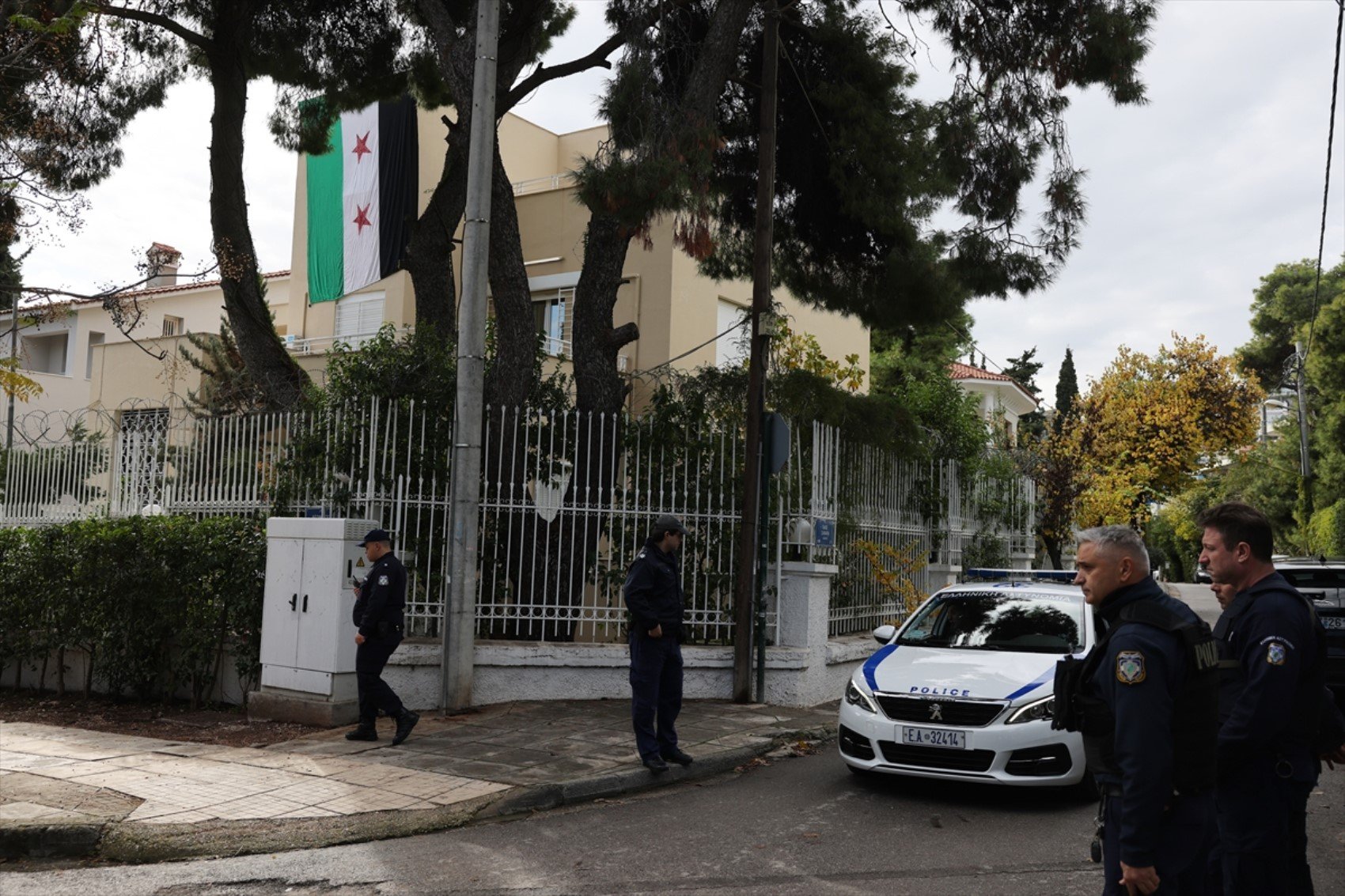
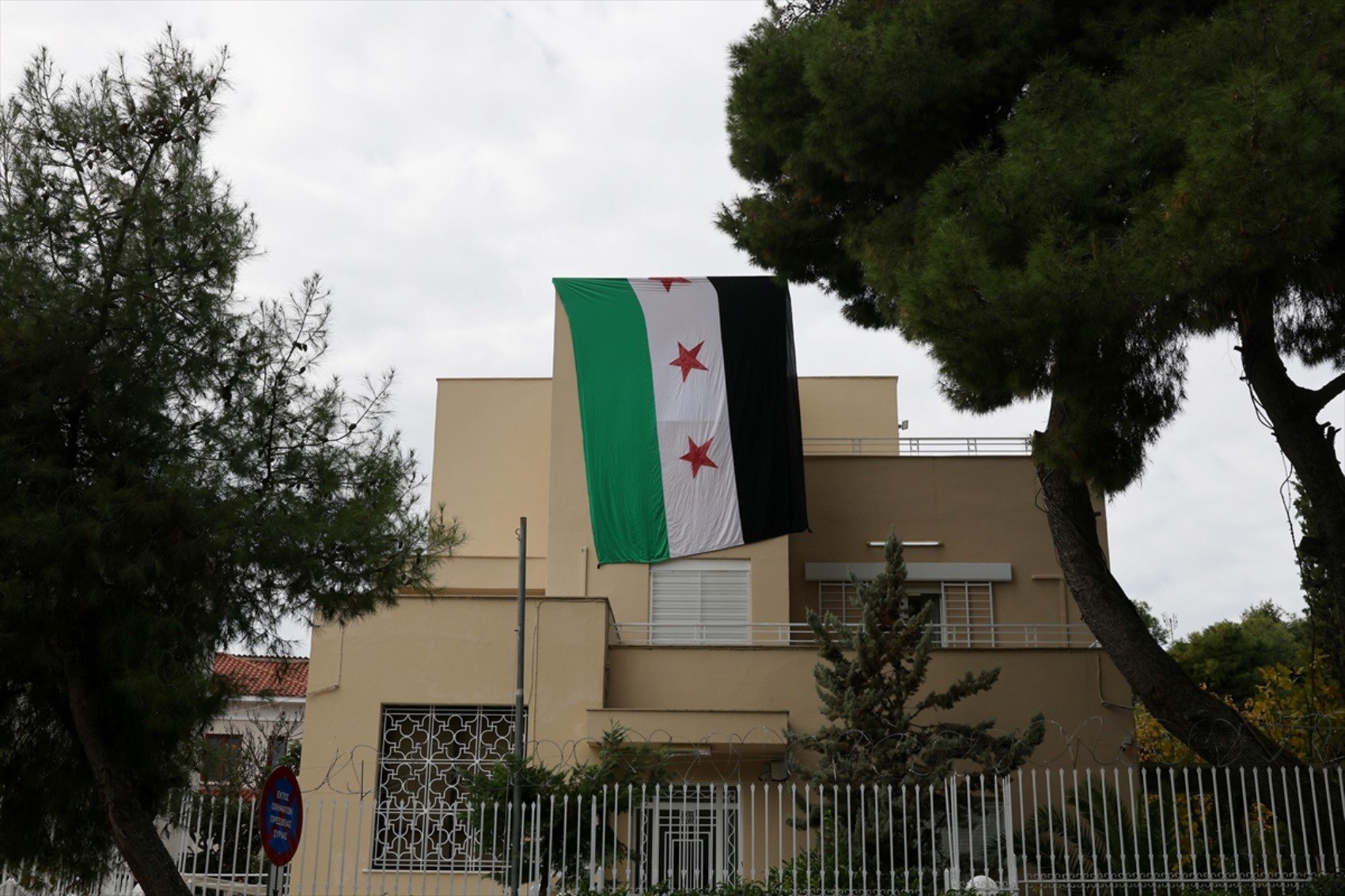
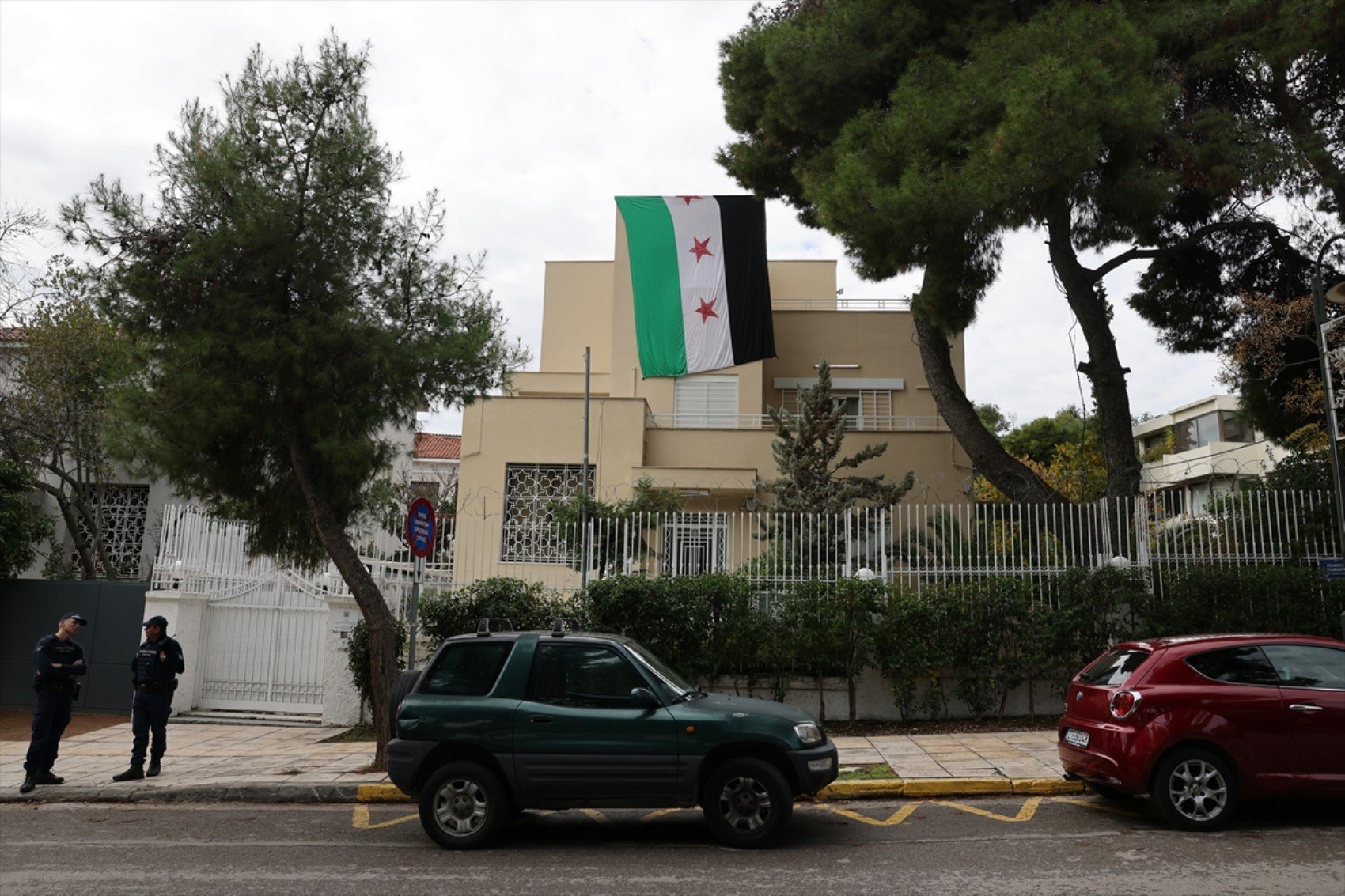
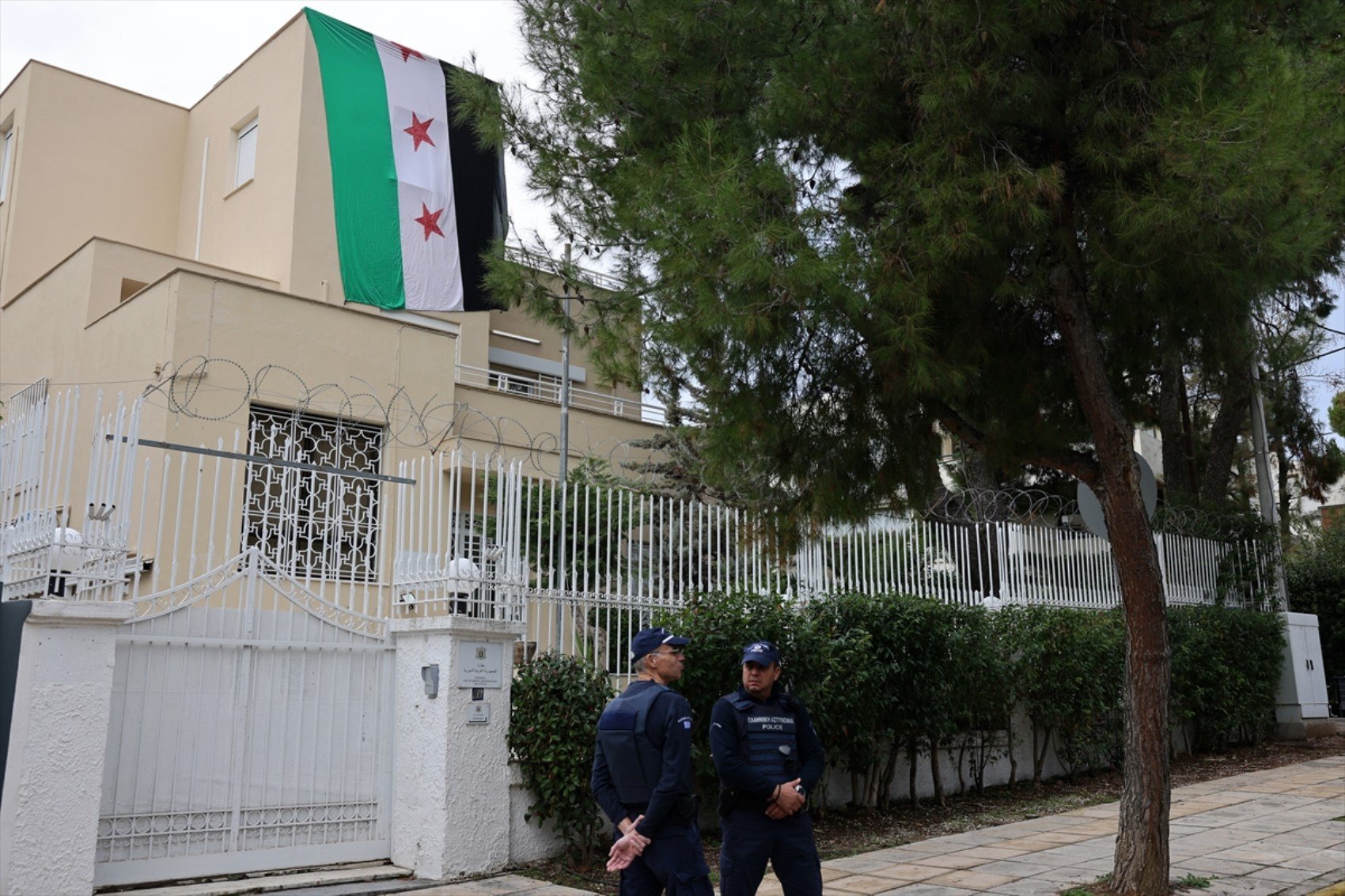
The BAAS regime, which began in Syria in 2011 and had continued for over 40 years, has come to an end. It was announced that Bashar al-Assad left Damascus following the latest developments in the region.
 2 / 15
Speaking about the chaotic process in Syria, Foreign Minister Hakan Fidan stated in Doha, the capital of Qatar, that Syrians could now return to their country.
 3 / 15
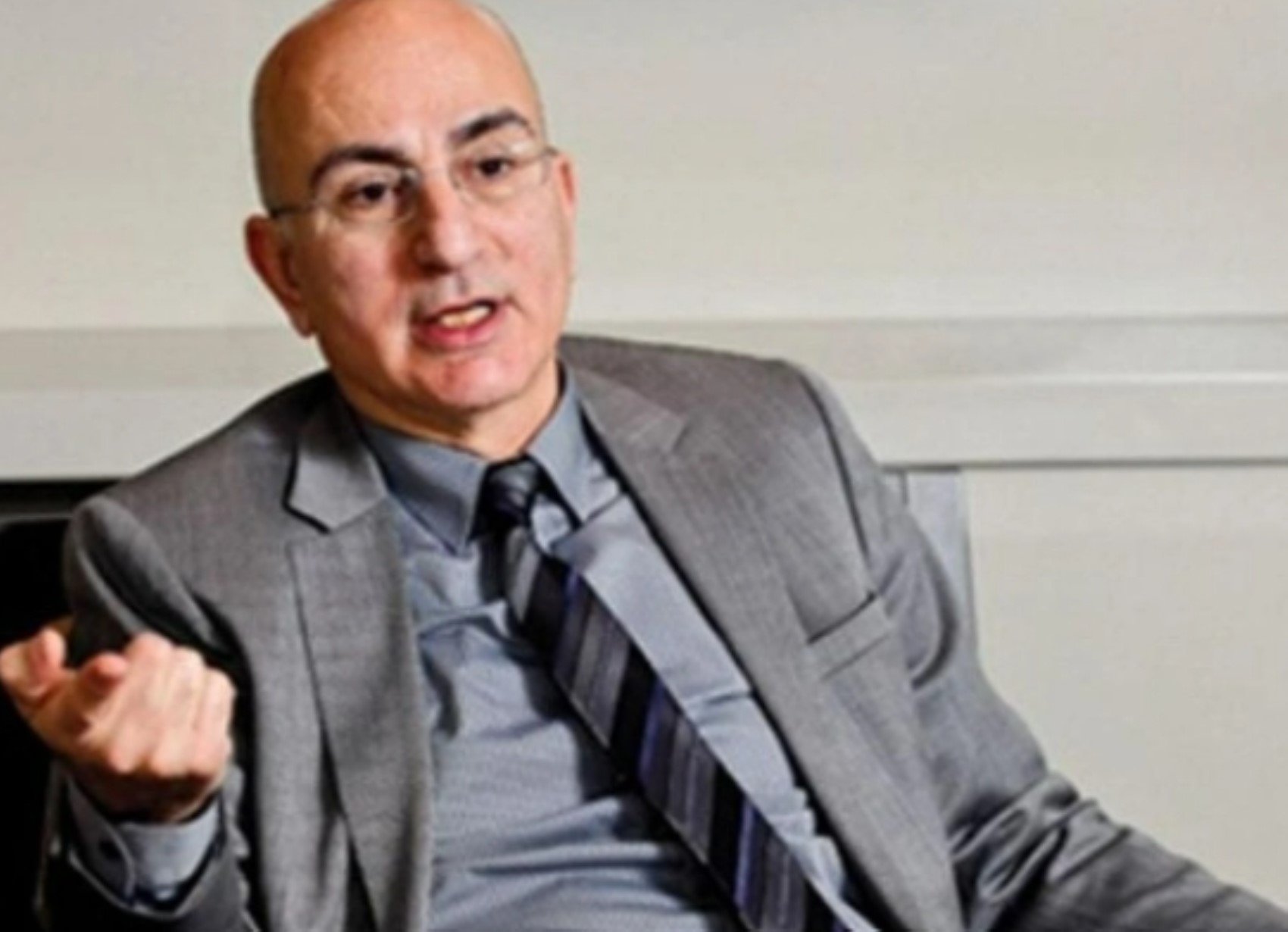
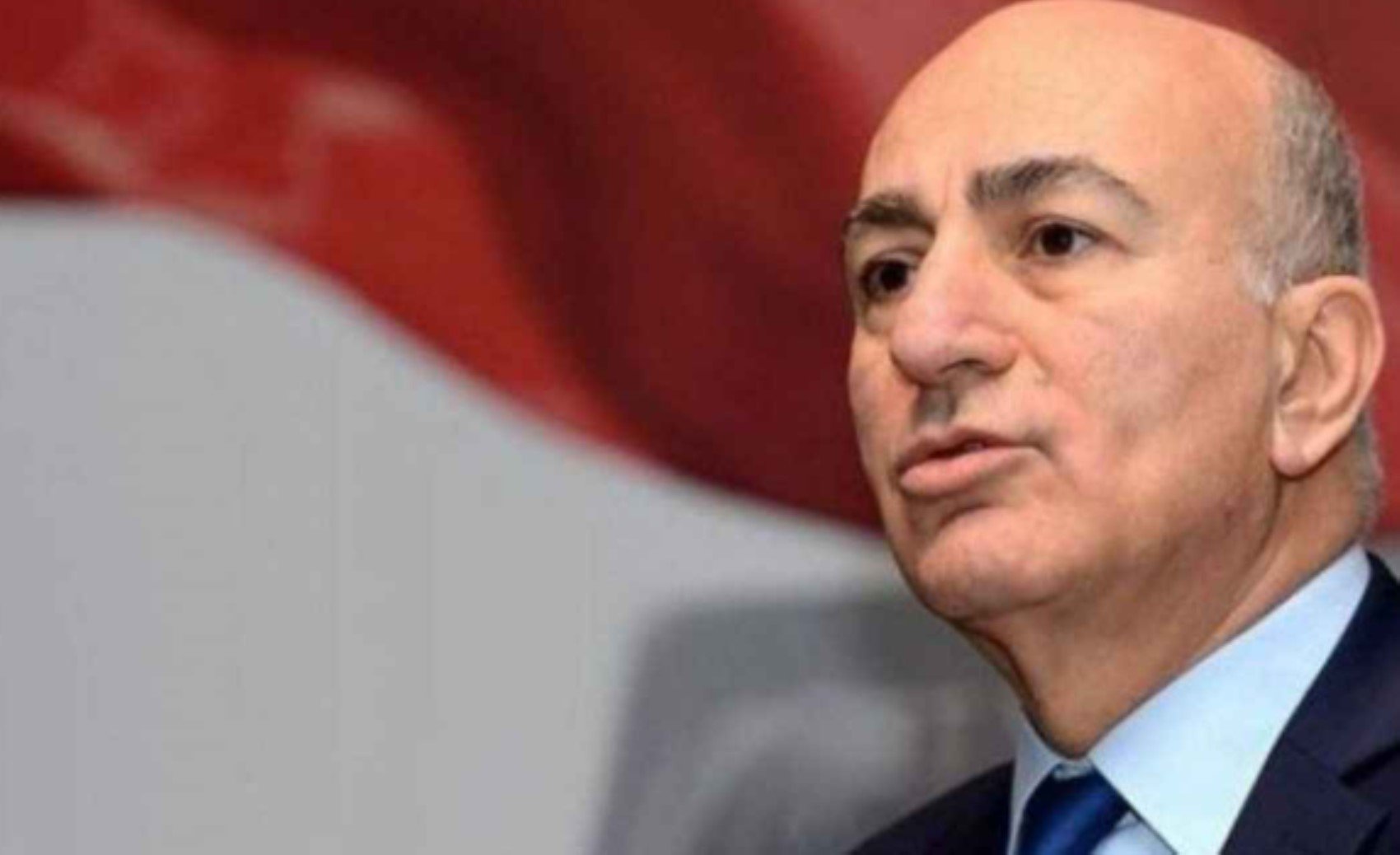
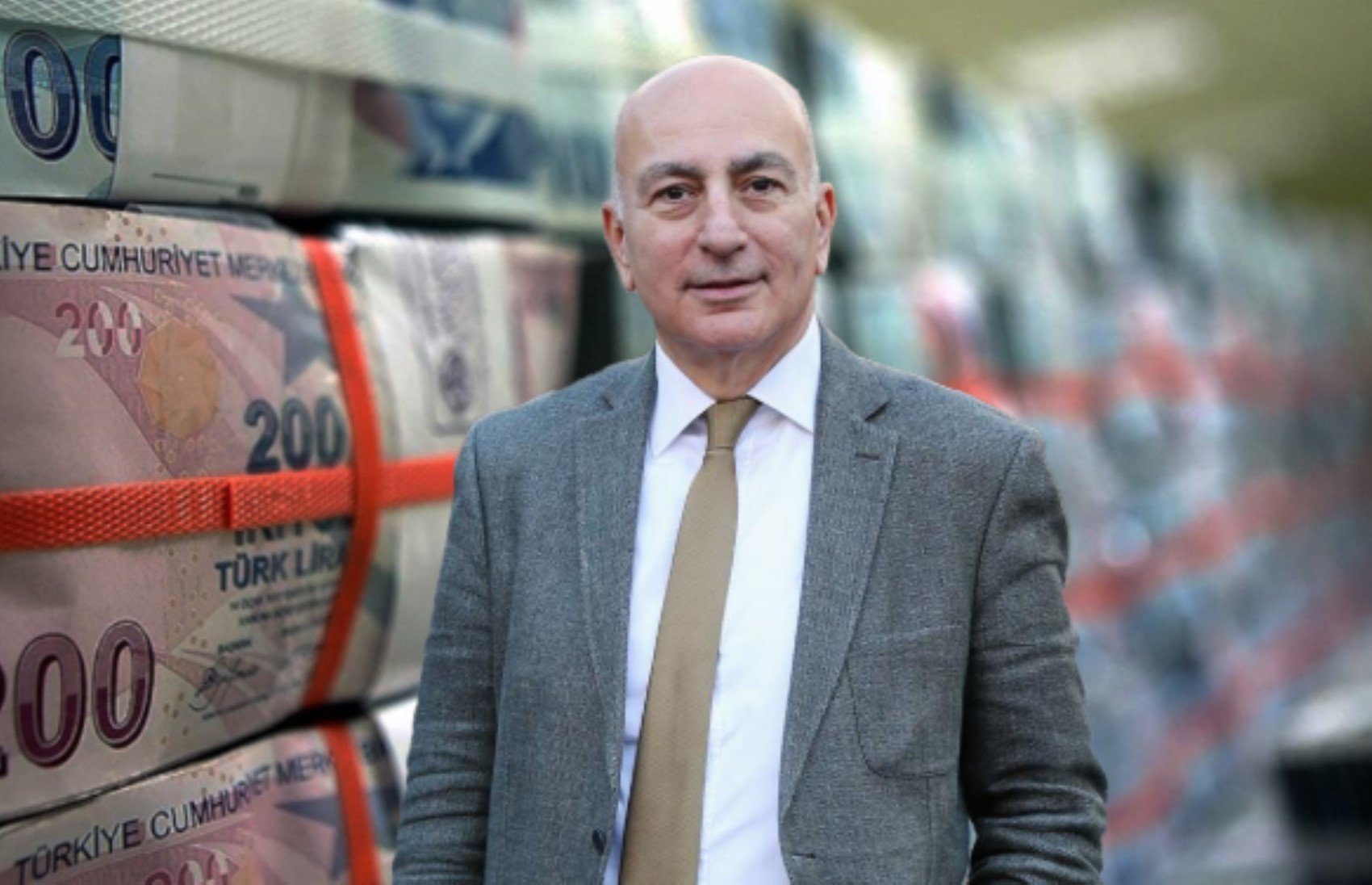
Economist Mahfi Eğilmez wrote about what might happen economically if the undocumented migrants living in Turkey, whose numbers are unknown, were to leave.
 4 / 15
Here are Mahfi Eğilmez's comments:
It is possible to group the Syrians who came to Turkey into two categories: Those with money and wealth, most of whom became citizens of the Republic of Turkey by purchasing property here, many of whom established businesses, employed staff, and continue to earn money. And those without money or wealth, who started working here in various jobs, especially labor-intensive ones, and began to earn an income.
 5 / 15
A new regime is being established in Syria. We can see that this development will have economic, social, and political effects on Turkey. Let us set aside the social and political effects for now and try to examine the economic implications.
 6 / 15
It would not be wrong to estimate that with the regime change taking place in Syria, a significant portion of the Syrians who fled the Assad regime and took refuge with us will return to their country. In Syria, which has been largely burned and destroyed, a serious reconstruction and construction activity will begin under the financial support of the IMF, the World Bank, and other international organizations.
 7 / 15
These projects will largely be undertaken by Western companies, including Turkish firms. If we consider that these companies will employ a large number of workers to carry out this work and will pay them more than what is paid to the Syrians who currently make a living working here, in accordance with international standards, we can estimate that a significant portion of the Syrians we counted as the second group above will return to their country.
 8 / 15
Actually, I think some of those in the first group will also return to their country by selling the properties they have acquired here. Some will both continue their business here and start new ventures in Syria.
 9 / 15
I think the return of a portion of the Syrians to their country could have three different effects on our economy: With the return of some of the Syrian laborers in the second group to their country, domestic producers will lose a significant source of cheap labor.
 10 / 15
In this case, their costs will increase because they will be forced to employ more expensive labor. If there were no contraction in demand, they could easily reflect this increase in their prices, but since demand has fallen, this reflection will be limited, and their profits will decrease. Even if the reflection of the cost increase in prices remains limited, this situation could lead to an increase in cost-push inflation.
 11 / 15
The contribution to GDP of those in the first group who liquidate their businesses here and return to their country will disappear. I think the effect of this will be very limited. On the other hand, I estimate that those whose businesses are doing well here will not liquidate their businesses here even if they return to Syria, but will carry them over along with the new businesses they will establish in Syria.
 12 / 15
If a large number of people from both groups decide to return to their country permanently, some of them will sell the properties they purchased to obtain citizenship here, provided the holding period has expired. This trend could lead to price and rent decreases in the housing market, even if not on a very large scale.
 13 / 15
I estimate that the decline in GDP that may occur depending on the number of people returning to their country will lead to a more limited decline in per capita income. This is because, as is known, those among these individuals who have not obtained citizenship are not counted in the population when calculating per capita income.
 14 / 15
If Syrians return to their country, the budget deficit will decrease because the expenditures made from the public budget for various aid, support, health services, medicines, etc., that they benefit from here will decrease.
 15 / 15
Undoubtedly, the real reflections of the issue will be seen in the social and political spheres. Such a large number of refugees negatively affects the country's social and political order. We have seen this by living through it and observing it. In addition to the aspects that appear negative from an economic perspective, I am of the opinion that Turkey should gradually reduce and eventually eliminate the aid they receive from public institutions in order to encourage the return of refugees to their countries.
News Source : 12punto