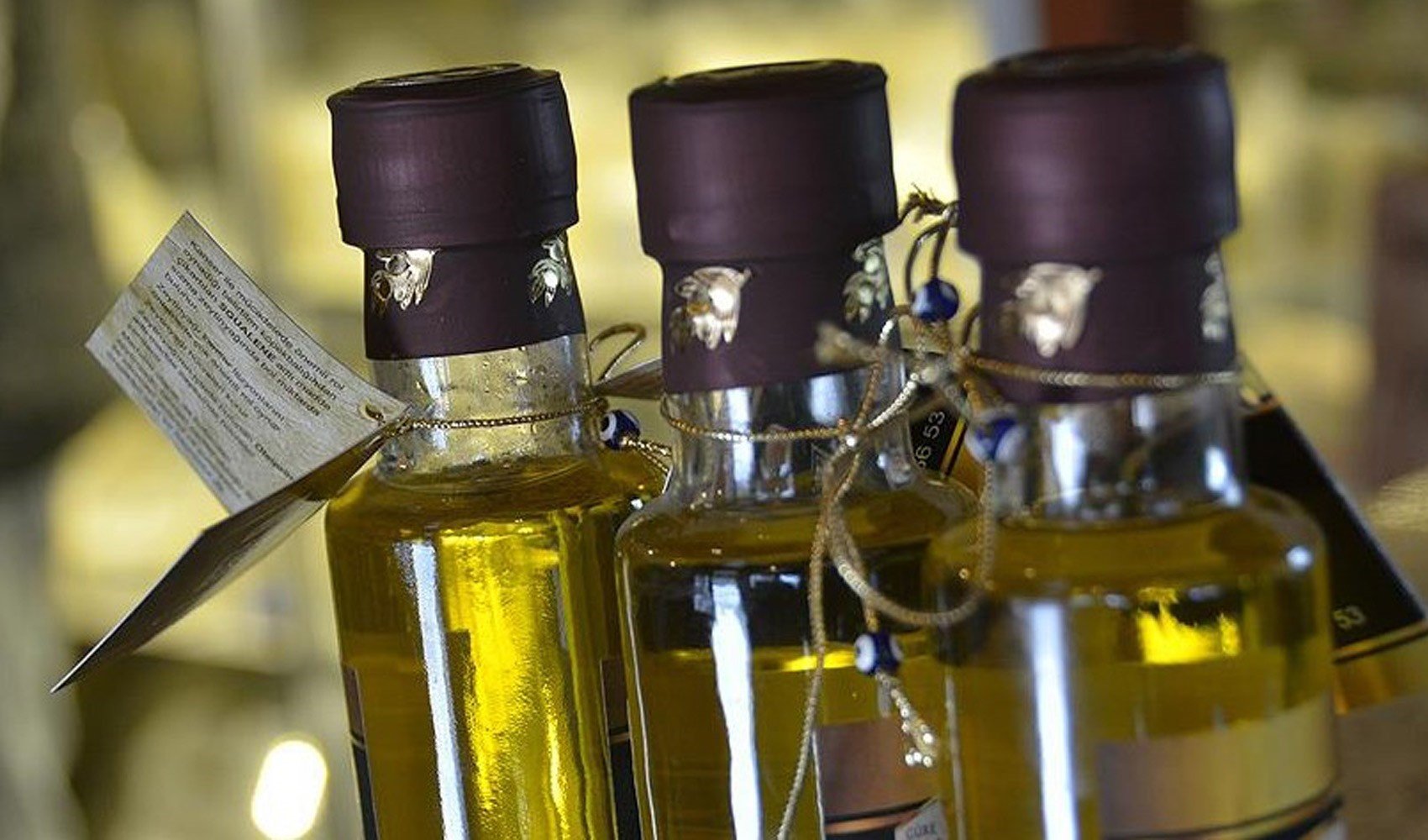
The cost of olive oil has more than doubled since 2018 as extreme weather conditions caused by the climate crisis and other factors have hit production.
In the first quarter of this year, the European Union (EU) saw a record number of potential olive oil fraud and mislabeling cases, while inflationary pressures have led to an increase in the black market for staple food items used in kitchens.
As olive oil production in Europe has fallen due to global warming, prices have risen, bringing cases of fraud to the fore. According to information obtained by The Guardian, cases of mislabeled olive oil in the EU have doubled since 2018.
INCREASE IN THE NUMBER OF COMPLAINTS
With the rise in prices, the number of complaints involving mislabeling, potential fraud, and safety incidents related to contaminated oils has also increased. In the first quarter of 2018, only 15 such cases were recorded by the EU. According to data released to The Guardian under freedom of information laws, this number has more than tripled to 50 cases in the first three months of this year.
FIGURES DO NOT INCLUDE LOCAL CASES
However, these cases are only those detected by member states and reported to the EU's health directorate. The figures do not include local cases. The true scale of the fraud is likely much higher. For example, one of the incidents involved oils contaminated with unauthorized substances such as pesticides and mineral oils, as well as a case involving glass fragments.
MAFIA EMERGES FOR OLIVE OIL WITH FALLING SUPPLY
There were many cases where extra virgin olive oil was found to be mixed with lower-quality or cheaper oils, instances where virgin olive oil was labeled as extra virgin, and situations involving misleading or incorrect labeling of origin. As a typical example, in February, Germany reported a case where lampante oil from Israel, deemed unfit for human consumption without further refining, was marketed as extra virgin olive oil. It was even noted that some oils involved in such incidents traveled through several countries. In March, Germany announced a case of "misleading mislabeling of olive oil originating from Syria via the Netherlands."
"DOES NOT INDICATE A RISK TO CONSUMERS"
Since the beginning of 2023, 54 of the 182 notifications of olive oil fraud and non-compliance sent to the EU involved products from Italy, 41 from Spain, and 39 from Greece. In July 2022, the EU introduced new rules regarding analysis methods as well as compliance checks for marketing standards for olive oil. A European Commission spokesperson stated that the high number of notifications in the system does not indicate an increased risk for consumers. The spokesperson noted, "The increase in the number of cases reported each year is proof that the competent authorities of the member states are exchanging information better and are more vigilant against fraud in the agri-food chain."
250,000 EURO RAID
Global warming has caused a decline in olive oil production levels in recent years. Crops in Spain, which produced more than half of the world's olive oil in 2018-19, were affected by drought and heatwaves exceeding 40°C. Provisional figures from the International Olive Council (IOC) show that global production levels are expected to fall to 2.4 million tons in 2023-24, a 27 percent decrease compared to 2018-19, and that projected consumption levels are lower than 2.6 million tons.
Consequently, prices have risen. One hundred kilograms of extra virgin olive oil produced in Jaén, Spain, rose from 262.50 Euros five years ago to 787 Euros last November, making olive oil a more attractive market for fraudsters.
The Italian Inspectorate for Quality Control and Fraud Repression of Agri-Food Products (ICQRF) completed a program last year that seized 380 tons of oil products worth more than 2 million Euros and reported 17 people to judicial or administrative authorities for serious violations related to incorrect or incomplete labeling or the fraudulent marketing of non-virgin oils as extra virgin. In November, Italian authorities seized 550,000 kg of oil that was declared as olive oil but actually consisted of a mixture of vegetable oils. The value of the seized goods was approximately 250,000 Euros.
News Source: 12punto