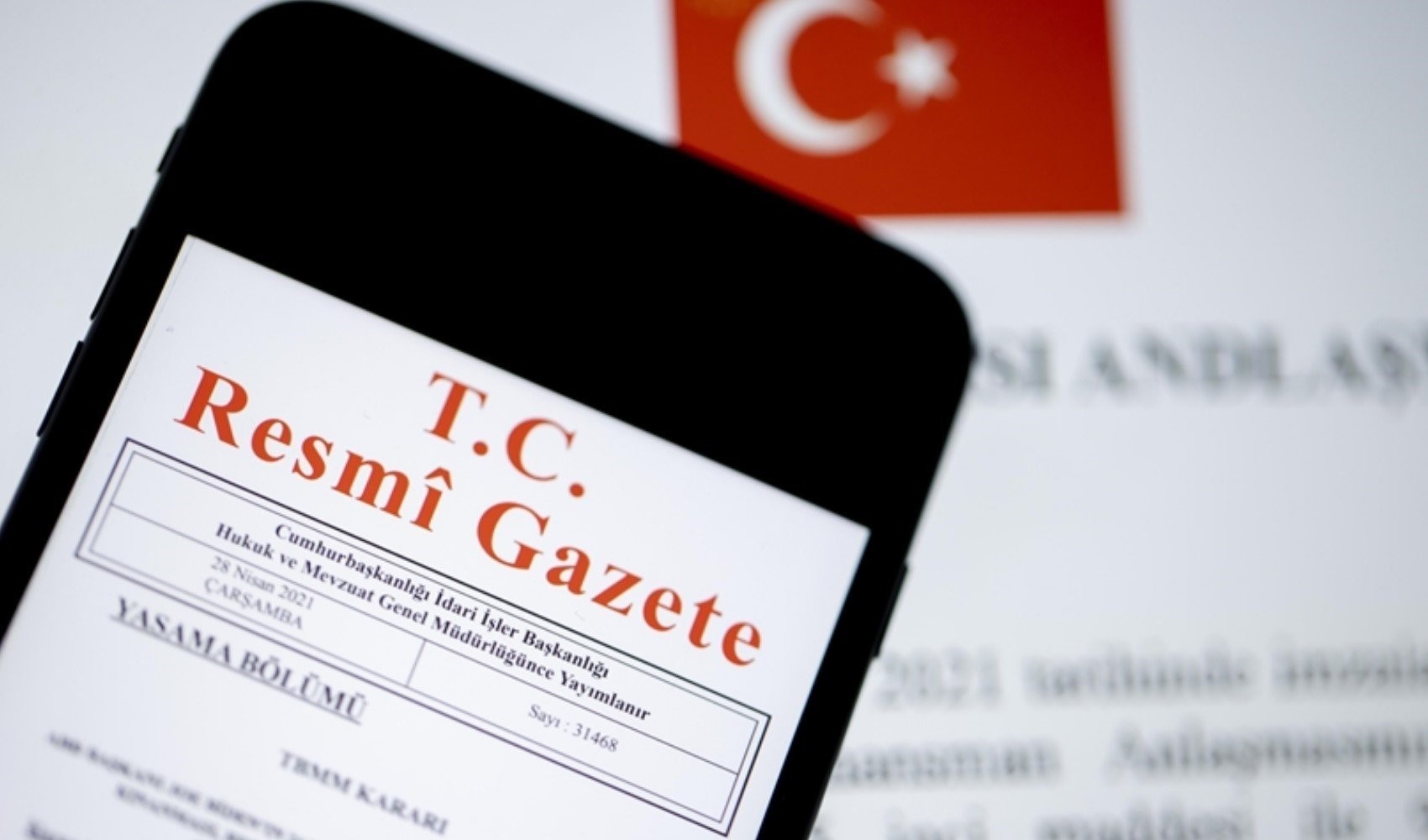
The 'Regulation on the Provision and Coordination of Home Health and Palliative Care Services' by the Ministry of Health has been published in the Official Gazette and has entered into force. The regulation establishes an integrated service model based on the continuity of medical care, aiming to provide home health, palliative care, family medicine, and inpatient treatment services in a coordinated manner.
Palliative care patients' treatments can be continued in a home environment
With the new regulation, comprehensive services that will enable patients to receive sustainable and safe treatment in a home environment have been included in the system. It aims to ensure the uninterrupted continuation of treatment processes for palliative care patients (services provided to patients with life-threatening, chronic, progressive, or incurable diseases) who require regular and long-term treatment. In this context, for patients who do not require hospitalization, palliative care services, wound and burn care, catheter applications, collection and evaluation of necessary patient samples, renewal of reports for medical supplies, medication, and diapers, issuance of prescriptions, and feasible interventional procedures can be provided within the scope of home health services.
Home health services can be provided to patients in need of regular medical follow-up
Furthermore, for patients whose treatment plans have been established and initial applications performed in healthcare facilities, the regulation allows for medical procedures that can be performed at home to be continued by healthcare personnel in the home environment, provided that the attending physician deems it appropriate.
Thus, it is aimed that individuals who require regular treatment due to cardiovascular and neurological diseases, advanced chronic diseases, rare diseases, and similar health problems can continue their medical processes in their own living environments.
Application channels for home health services have been increased
Within the scope of the regulation, application channels for home health services have been expanded, allowing applications to be easily made by the patient or their relative through ESHİM (Home Health Services Communication Center - 444 3833) and other communication channels determined by the Ministry.
The regulation aims for initial applications for home health services to be transmitted to ESKOM (Home Health Services Coordination Center) via the electronic information system and simultaneously to family medicine. Family physicians decide whether the request falls within the scope of home health or palliative care by using remote health services or based on the patient's medical history.
Palliative care and home health coordination units will be established
Organizational processes will be strengthened by establishing palliative care and home health coordination units within healthcare facilities. It will be made possible to provide space for patients in need of palliative care in hospitals where coordination units are integrated with the Home Health Services Coordination Center, and to direct home health service teams to patients in need.
The regulation clearly defines palliative care services, addressing service types, service structuring, planning principles, and patient management processes. It also ensures the determination of procedures and principles for referral, admission, discharge, and care transition processes.
Digital integration will be provided between health information systems
With the regulation, technical connections will be established between health information systems, and a holistic service information system will be created in an electronic environment. In this context, integration will be provided between the Family Medicine Information System (AHBS), Hospital Information Management System (HBYS), and Remote Patient Assessment System (UHDS), centered on the ESYS (Home Health Management System) where home health services are conducted.
Additionally, remote health services will be made a part of the integrated care model, and digital communication opportunities between family physicians, home health teams, and hospitals will be strengthened. This aims to increase efficiency in health service delivery, strengthen the continuity of care, and create a sustainable health service model.
News Source: 12punto