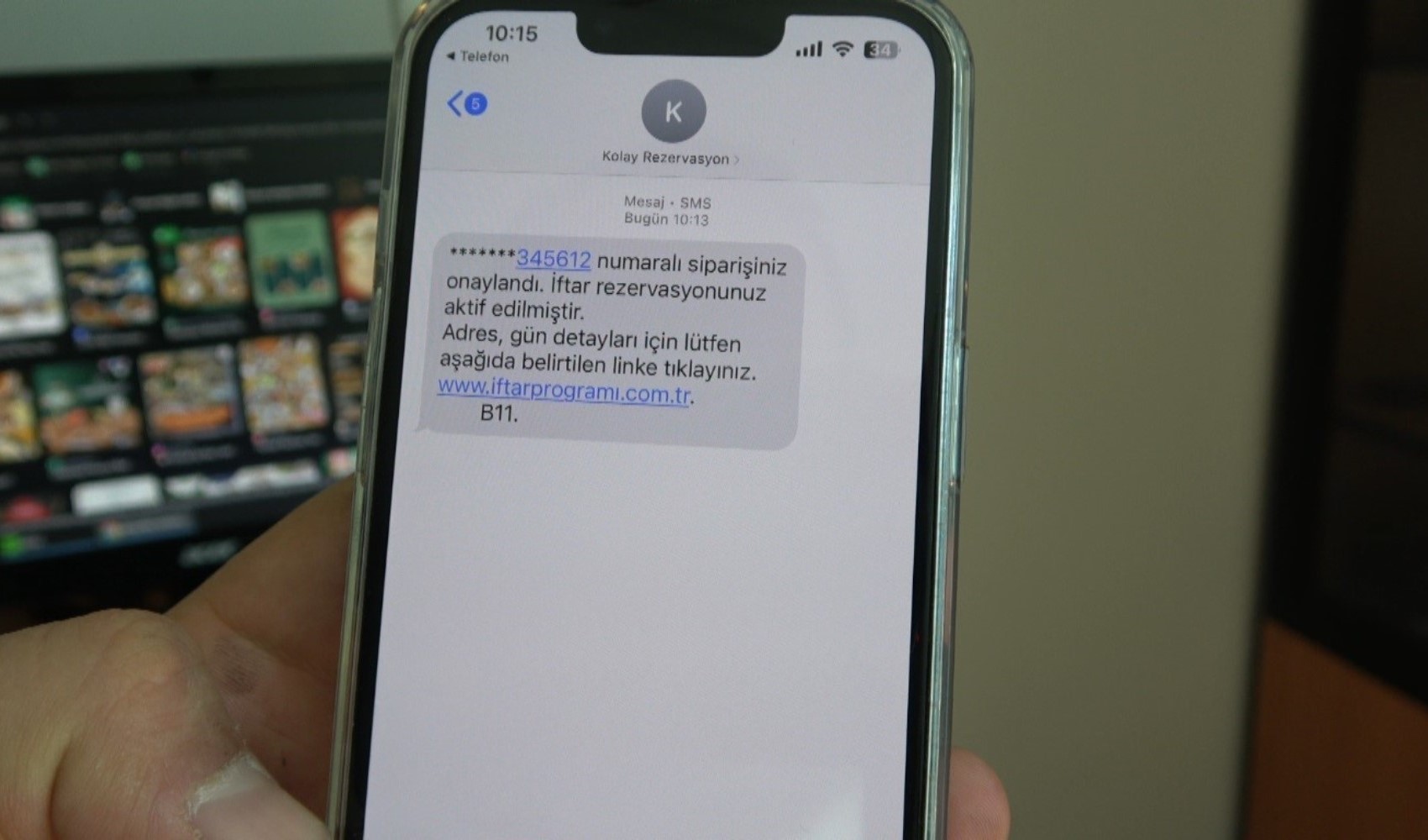
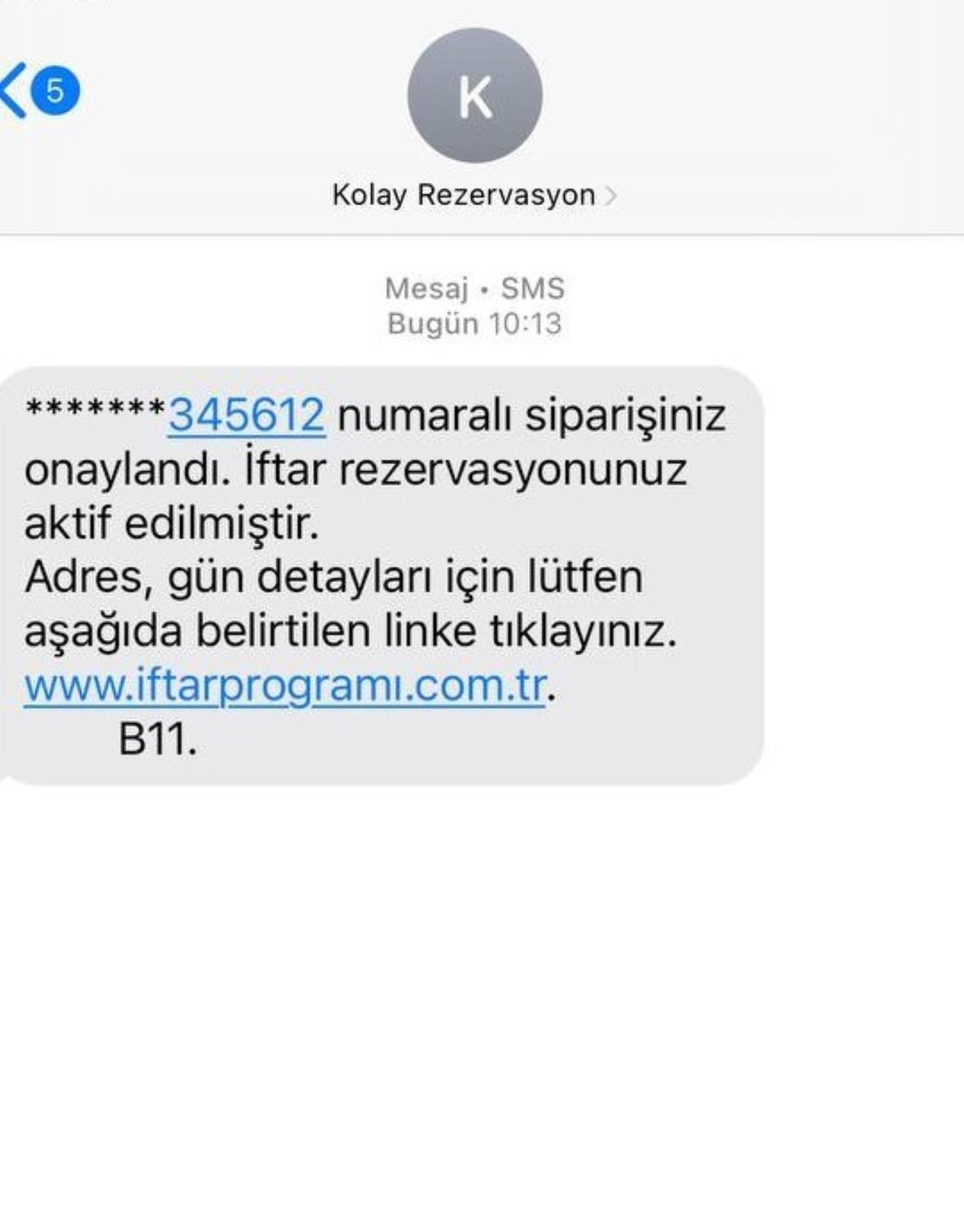
Scammers are trying to lure citizens into their traps by finding methods tailored to specific time periods. During the month of Ramadan, scammers are reaching out to people by trying to deceive citizens who click on links in messages they send claiming 'Your iftar reservation has been activated.' Scammers reach out to citizens who click the link, especially near iftar time, to pull them into their trap.
"The most important element here is the exploitation of the victim's sense of trust"
Addressing the scammers' methods during Ramadan, lawyer Esra Betül Türkalp said, "The month of Ramadan is one of the periods when sharing and solidarity are experienced most intensely. However, unfortunately, this spiritual atmosphere can be exploited by some malicious individuals. There is an observed increase in fraud attempts carried out under the name of discounted 'iftar menus' that specifically target students and citizens who are in a more economically sensitive situation. The crime of fraud, within the scope of the Turkish Penal Code, is defined as deceiving a person through fraudulent behavior and causing them harm. It is defined as the perpetrator providing benefits to themselves or someone else in this way. The most important element here is the exploitation of the victim's sense of trust or the economic and spiritual sensitivity they are in," she said.
"Not every campaign should be trusted"
Explaining that scammers draw attention under the guise of campaigns, Türkalp stated, "The rising prices during Ramadan and students' search for affordable iftar can unfortunately be abused by some individuals through fake campaigns presented as opportunities. Payments are collected through pages opened on social media or by imitating existing businesses. However, there is no reservation or any service provided. Some points that our citizens should pay attention to in order to avoid such grievances are that not every campaign encountered on social media should be trusted. The physical existence of the business should be researched. The menu and service content should be clearly visible before payment is made. Instead of sending money to IBANs or personal accounts, known payment methods and transfers to corporate accounts should be preferred. In suspicious cases, payment should not be made and the relevant authorities should be notified. If our citizens experience any grievances, they must save their correspondence and receipts and file a criminal complaint with the prosecutor's office," she said.
"Supported by expressions and pressures like 'valid today'"
Touching upon how scammers force events to happen in a hurry, Çakır said, "The crime of fraud is often supported by pressure and expressions such as 'hurry up,' 'last spots,' or 'valid only today.' Our citizens need to be cautious, especially against such directions. If a grievance occurs, a criminal complaint must be filed without delay. The month of Ramadan is a month of solidarity and trust. The greatest precaution against those who damage this environment of trust is to be conscious and cautious. Our request to our citizens is that they must research attractive-looking offers, and especially our students should pay more attention to such campaigns," she said.
News Source: İHA