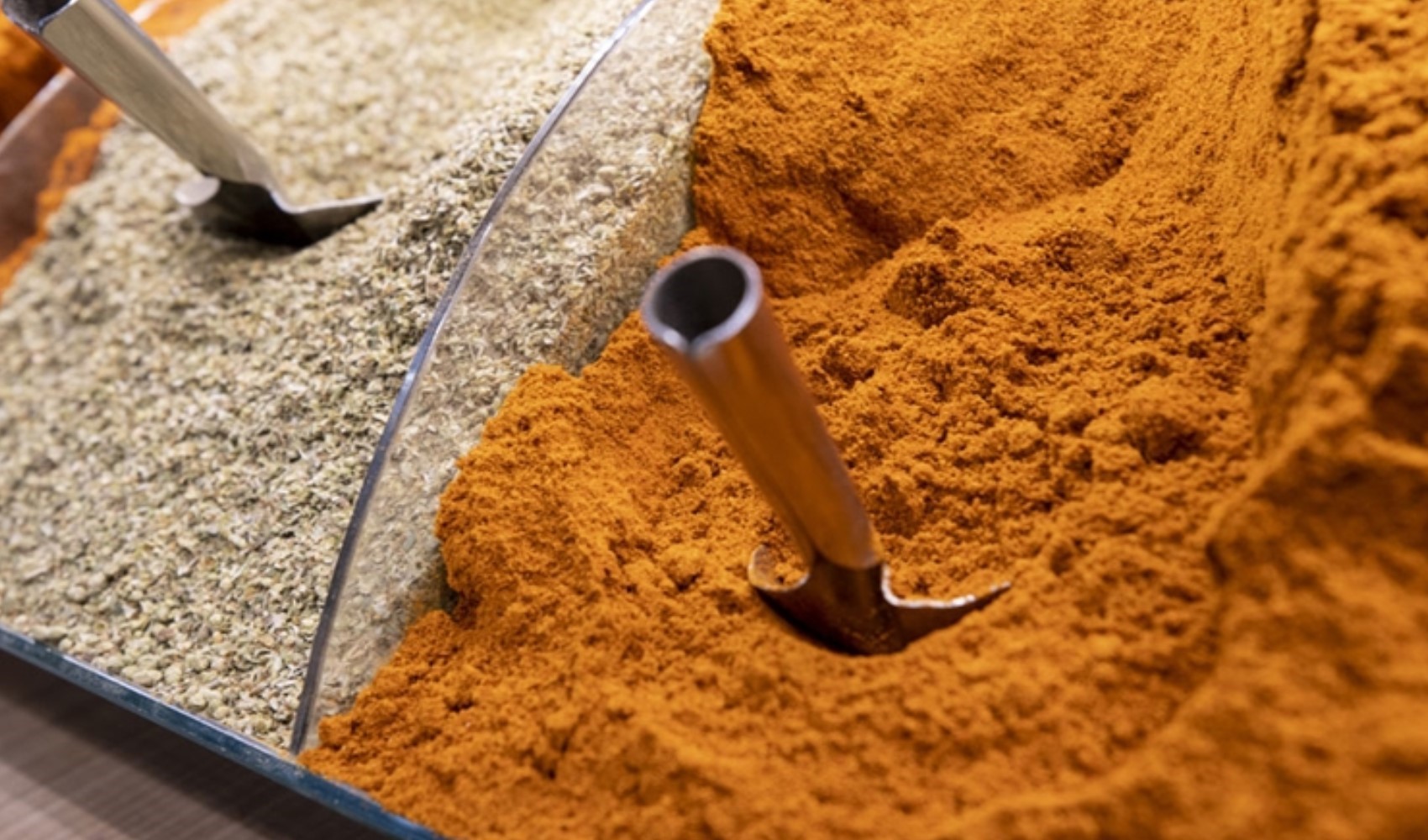
The Ministry of Agriculture and Forestry continues to expose companies involved in imitation and adulteration, with the published lists highlighting fraud in spices.
It has been revealed that foreign substances are being mixed into frequently consumed spices, particularly red pepper, black pepper, and cumin. Food Safety Expert Prof. Dr. Nevzat Artık explained how these fraudulent practices can be detected.
Some of the common frauds found in spices include:
Red pepper: Brick dust and food dyes are added to make it appear more vibrant.
Black pepper: Iron filings and salt are mixed in to increase weight.
Curry: Starch is used as a bulking agent.
Isot: Foreign substances such as sawdust are added.
Prof. Dr. Nevzat Artık stated that non-natural dyes and salt are mixed into black pepper, emphasizing that this poses a significant health risk.
HOW TO TELL IF BLACK PEPPER IS ADULTERATED?
Prof. Dr. Artık shared the following tips to determine if black pepper is fraudulent:
Smell: Real black pepper has a sharp and characteristic aroma. A weak or artificial smell may be a sign of fraud.
Color and Texture: Homogeneous color and uniform texture are important. Different colors or foreign particles indicate fraud.
Taste: Real black pepper has an aromatic and pungent taste. An unusually intense taste is an indicator of fraud.
Water Test: Add black pepper to a glass of water. Natural black pepper stays on the surface; those that sink quickly may be adulterated.
Fraud in Red Pepper and Chili Flakes
Pointing out that fraud is also committed in red pepper and chili flakes using dyes and vegetable oils, Prof. Dr. Artık said the following:
Color: Natural peppers have a vivid red color. Pale or overly bright colors may indicate the presence of dye.
Texture: Non-homogeneous structures may indicate that foreign substances have been mixed in.
Taste: Mild or overly intense tastes are signs of adulteration.
ALLERGY RISK
Drawing attention to the fact that peanut residue can be found in cumin-based products, Artık emphasized that those with allergies should be particularly careful. Previous research has revealed that ground peanut shells or dried peanut flour may have been added as bulking agents.
Experts advise consumers to purchase spices from natural and reliable sources and to carefully examine the smell, color, taste, and texture of the products.
News Source: 12punto