While international standards state that a person needs 15 liters of water per day to survive in emergency situations, Gazans, who can only access 4.7 liters, state that they are sometimes exposed to Israeli attacks while waiting in water queues.
The Stockholm International Water Institute (SIWI) has organized World Water Week since 1991, and this year's event, held from August 25-29, was themed "Bridging Borders: Water for a Peaceful and Sustainable Future." However, the water scarcity caused by Israel in Gaza creates a barrier to water resources for a peaceful and sustainable future.
WATER ACCESSIBLE TO THE PUBLIC HAS DECREASED BY 94 PERCENT
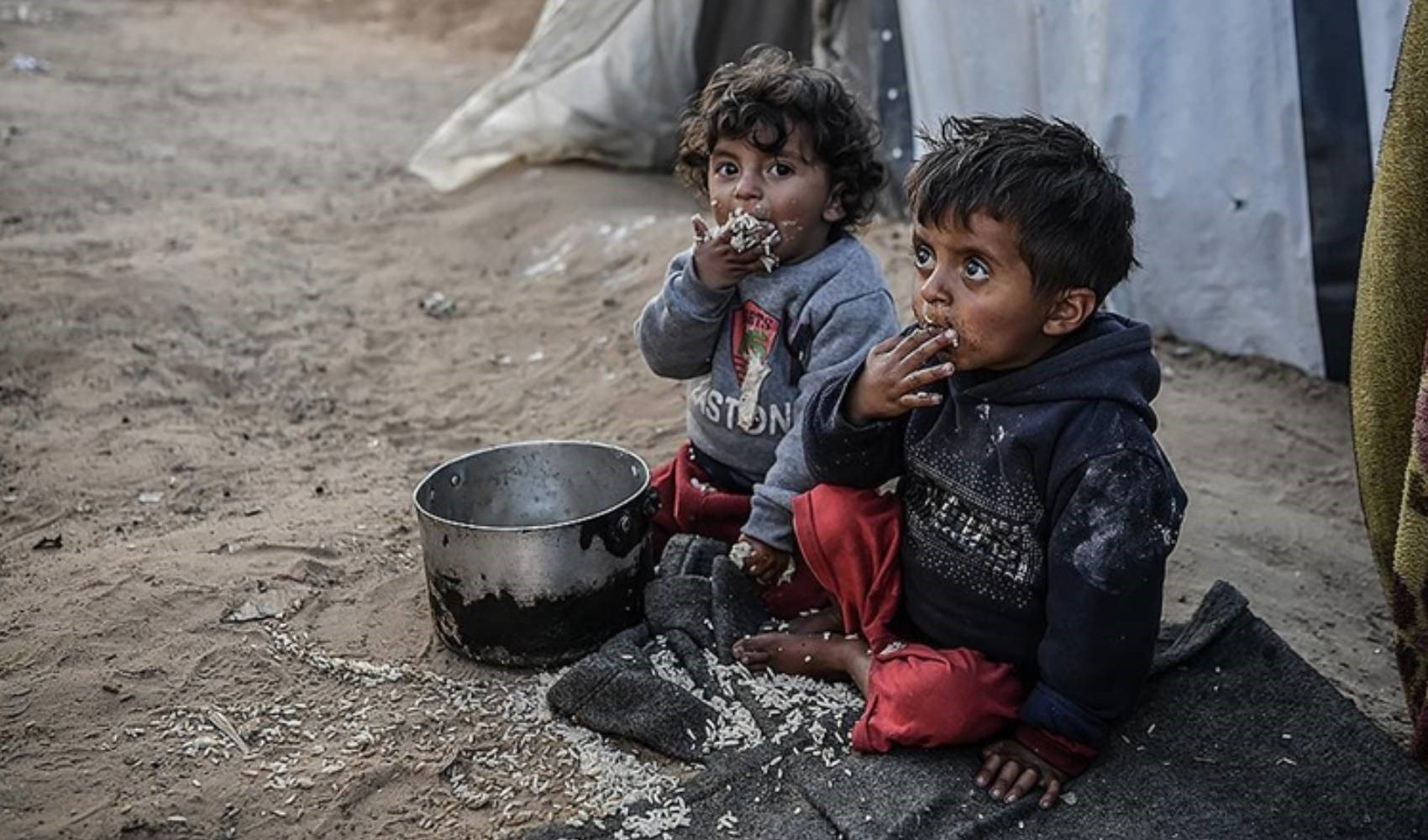
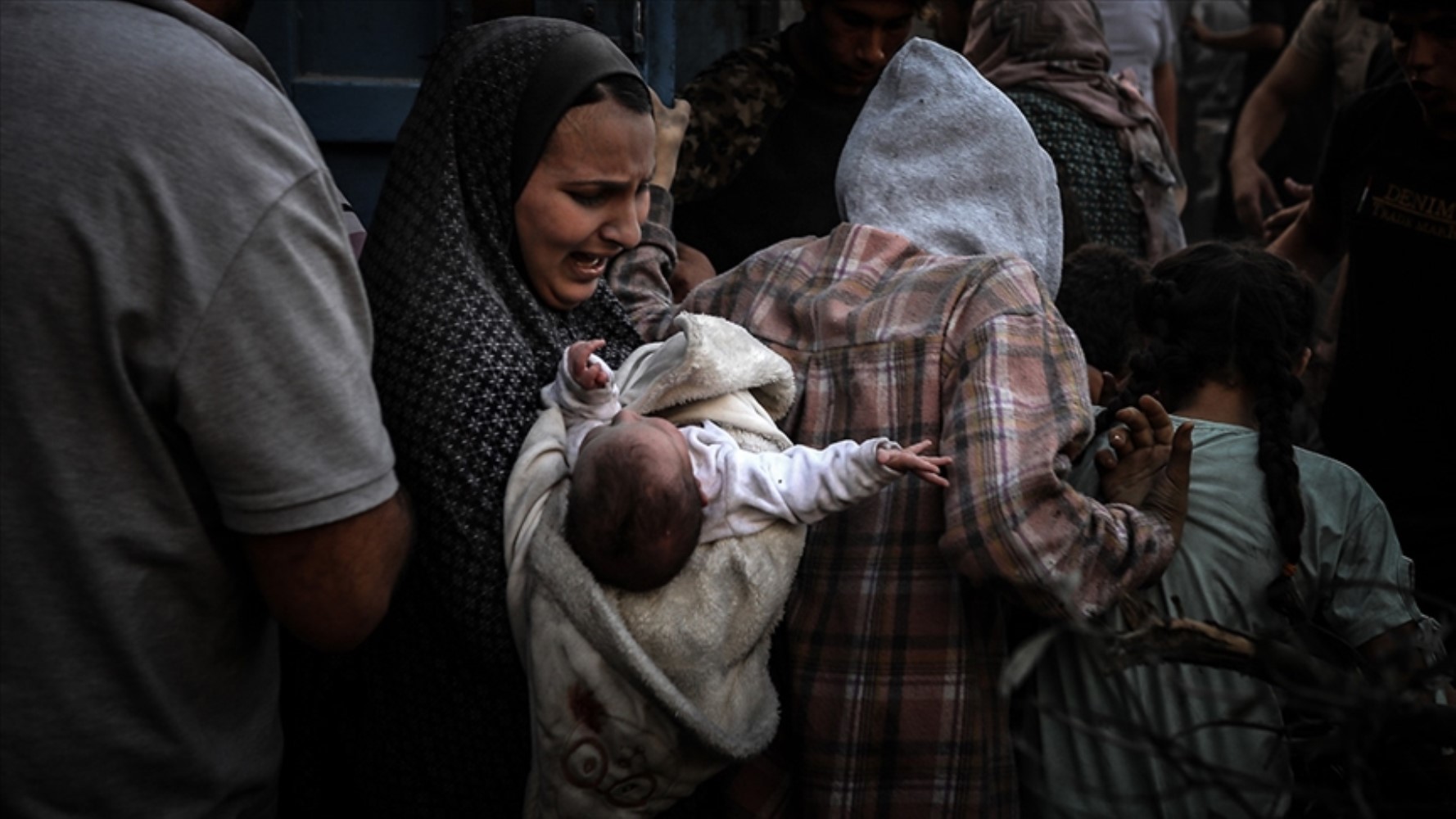
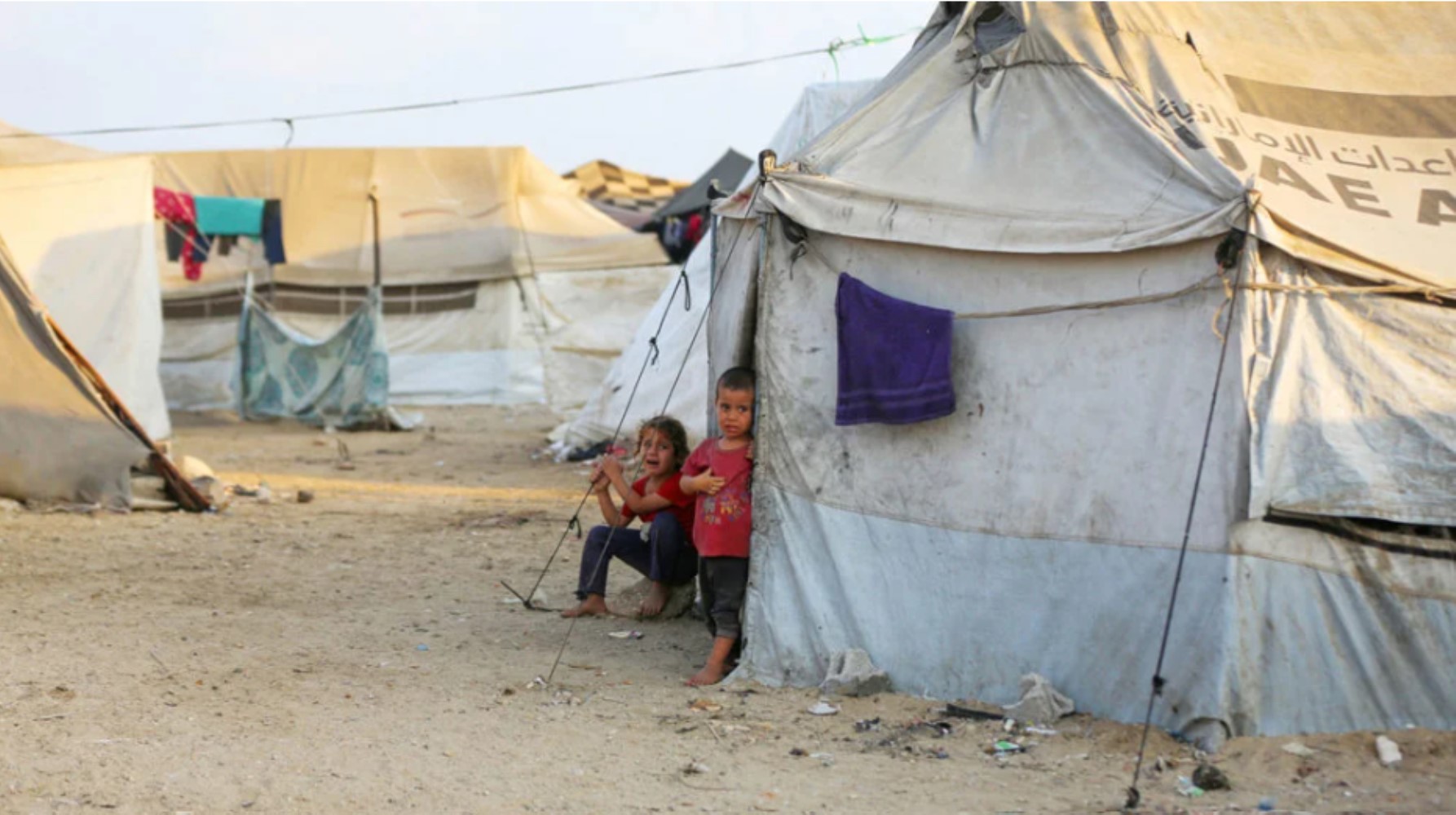
Life continues under difficult conditions in Gaza, where thousands have died due to the attacks launched by Israel on October 7, 2023. Palestinians who have lost their homes, land, and livelihoods in the attacks and were forced to migrate to other regions are trying to survive in tents set up by aid organizations or in schools and hospitals converted into shelters.
According to a report titled "Water War Crimes" published last month by the international aid organization Oxfam, while a person needs 15 liters of water per day to survive in emergencies, Gazans can access 4.74 liters to meet their needs such as cooking, showering, and cleaning. Compared to the period before the Israeli attacks, this figure shows that the water accessible to the people of Gaza has decreased by 94 percent.
Clean water production across the Gaza Strip decreased by 84 percent as of May 26 due to the destruction of infrastructure in the attacks, fuel and electricity shortages, and restrictions imposed by Israel on the entry of water and sanitation materials into Gaza. As of June 3, Israel had destroyed all water and sanitation storage facilities in Gaza City and Khan Yunis.
THEY EITHER WAIT IN LONG QUEUES OR BUY WATER WITH MONEY
The life of Mohammed Abu Ouda, who lived a normal life with his wife Halla, daughters Sarah, Asmaa, and Aya, and son Ibrahim in a 150-square-meter apartment in the Al-Shati refugee camp in western Gaza City before the Israeli attacks, changed completely with the start of the attacks.
Ouda, who lost his home and job in the attacks and began staying with his family at his sister's house in the Al-Mawasi area of Khan Yunis, answered questions.
Stating that they are able to survive with great difficulty thanks to the support provided by aid organizations, and that this aid has become the primary security for him and his family since he lost his job, Ouda said they are experiencing serious difficulties in finding food and water.
Expressing that he has to go to the points where resources are located several times a day to get water and wait in long queues, or buy water by paying money, Ouda said, "While waiting in line to fill water, two houses very close to us were bombed, and this happened to us twice. God protected us, but we were very scared every time because rocket fragments and debris from the targeted houses flew toward us, and people were injured."
"WE CAN ALSO FIND 20 LITERS OF WATER AS DRINKING WATER"
Explaining that they have difficulties in finding water for both household needs and drinking, and that he goes out with his son Ibrahim early every morning to look for water, Ouda noted that after waiting in line for hours in front of the water source they find, they can get one liter of water per person to use at home.
Emphasizing that they have to join the water queue again if there is another situation during the day where water is needed, and that this leads to a loss of both time and energy because the water sources are far from their homes, Ouda said:
"A second option is to buy water. The 20 liters of water we use at home is sold for about 25 cents. In addition to this, clean drinking water has a different cost. The price of 20 liters of drinking water reaches 1 dollar. We need at least 160 liters of water per day to use at home. The amount of water we can get daily varies depending on aid, free water sources, and our financial situation. However, we can find at least 100 liters for household use and 20 liters as drinking water."
Ouda added that since they do not have any equipment for purification, they try to make the water cleaner and more usable with the help of cloth or cotton.
News Source: 12punto