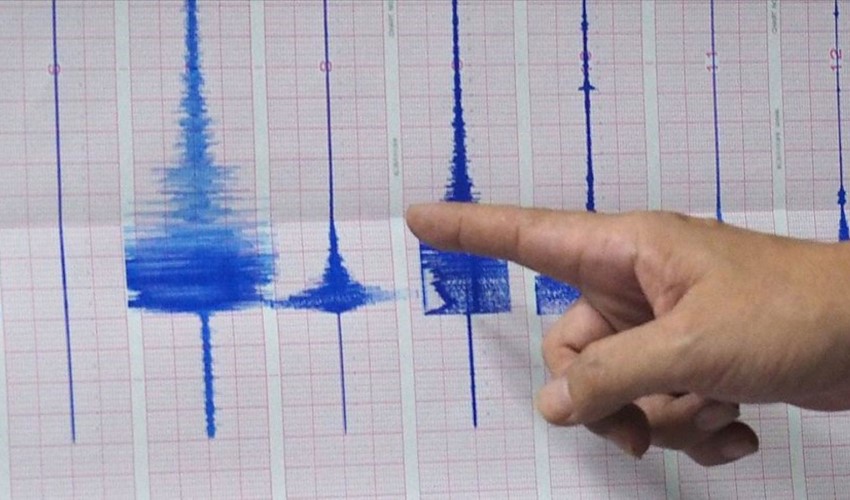
Resonance refers to a state in which a system tends to oscillate at its own natural frequency under the influence of an external factor. This means that if a system is vibrating at a certain frequency and an external force is applied at the same or a very similar frequency, the system can enter resonance.
In this case, the energy can add more energy to the system's vibrations, causing the vibrations to reach a larger amplitude.
The resonance effect in earthquakes occurs when buildings or other structures have a frequency that matches the vibration frequency of the earthquake.
If a building has a frequency close to the earthquake's vibration frequency, resonance can occur. Due to the resonance effect, the building may vibrate more intensely under the influence of the earthquake, which can damage the structure.
For this reason, various engineering measures are taken to minimize the resonance effect when designing buildings for earthquake resistance. Structural engineers determine the natural frequencies of buildings and use various design strategies to shift them away from earthquake vibration frequencies. These measures are aimed at ensuring buildings are safer by reducing the resonance effect during an earthquake.
News Source: 12punto