



Caner Taşpınar / 12punto.com.tr
Date: June 18, 1988
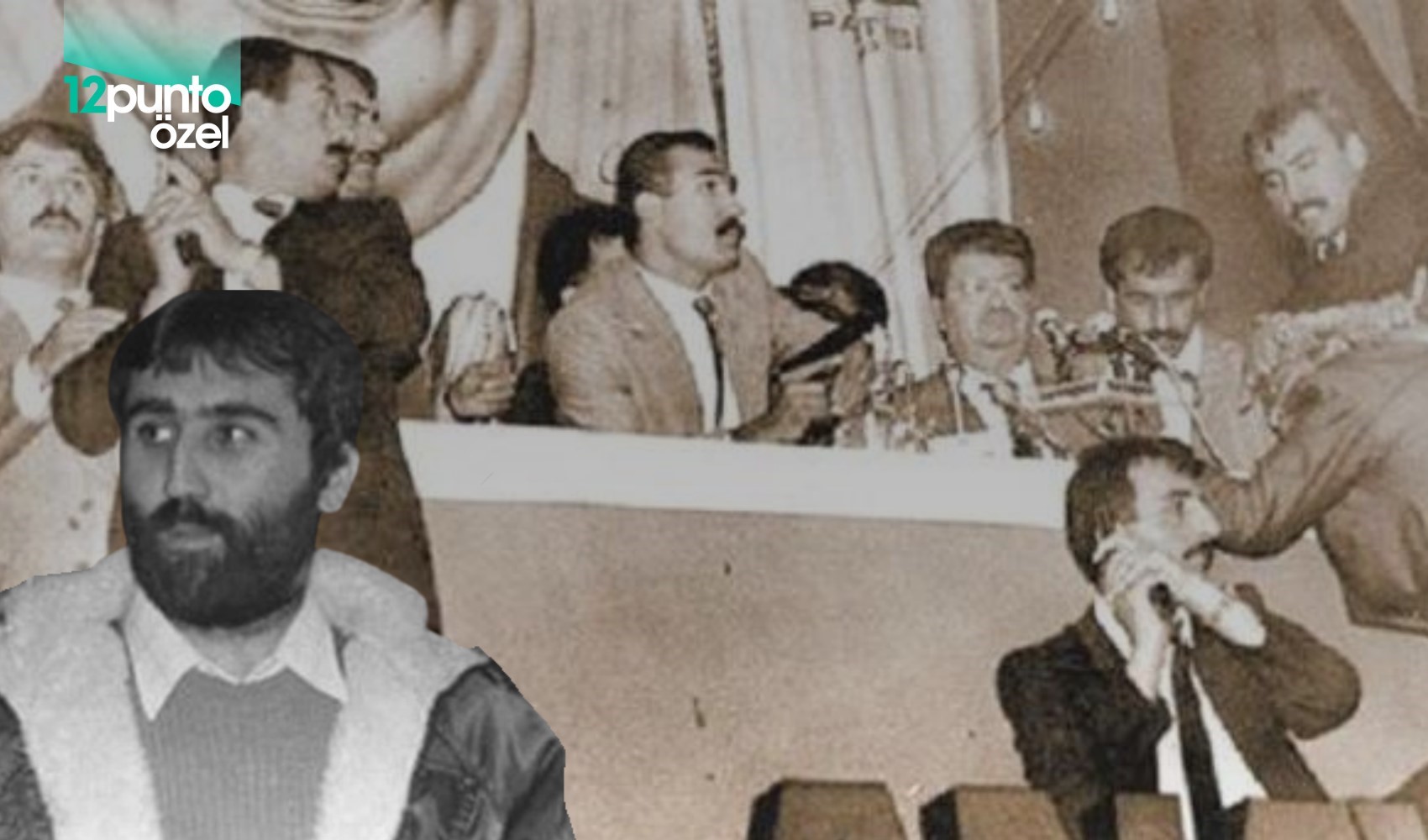
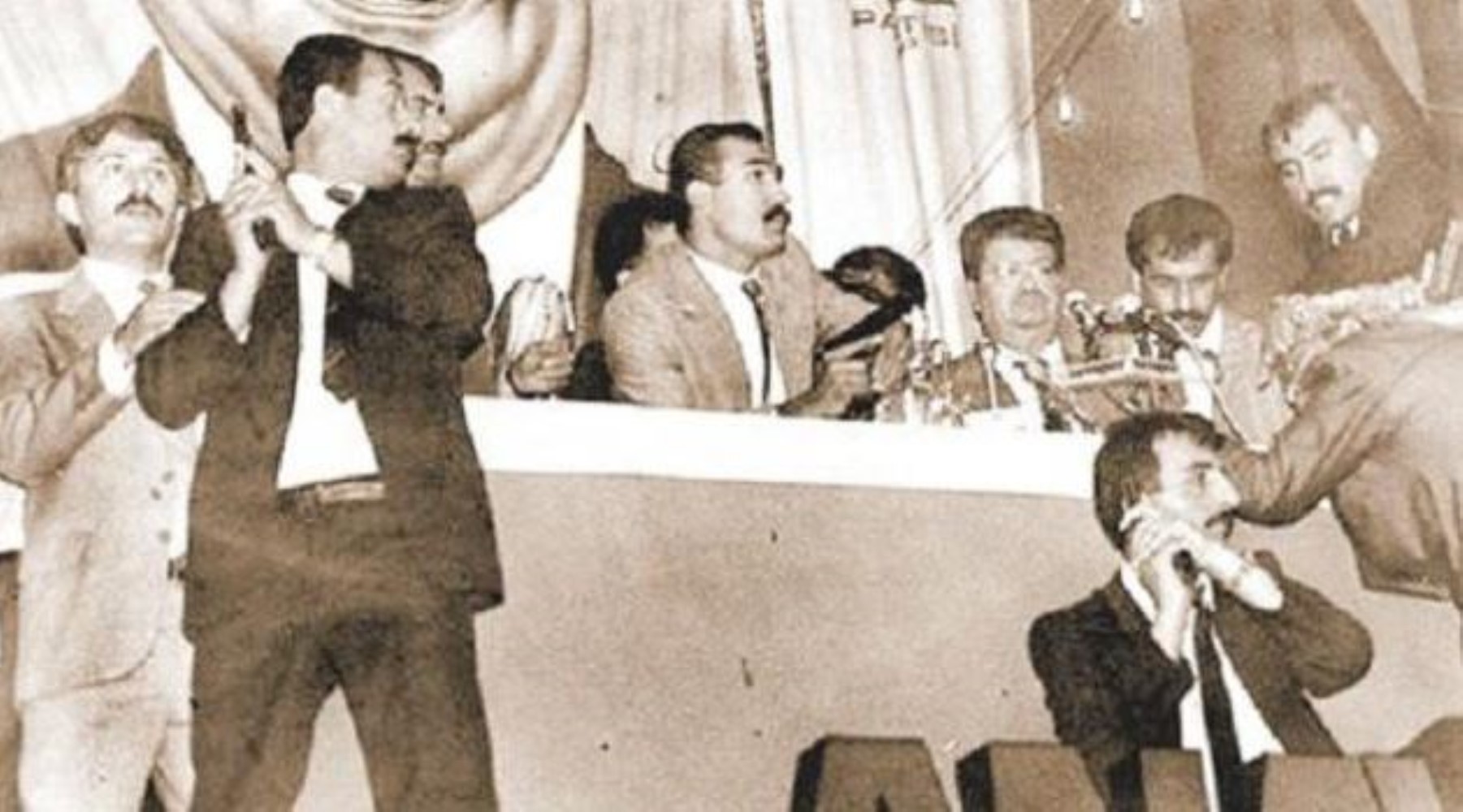
The Motherland Party (Anavatan Partisi), founded on May 20, 1983, was holding its 2nd Ordinary Congress that day, June 18, 1988, at the Ankara Atatürk Sports Hall.
The Prime Minister of the time, Turgut Özal, had taken the podium at his party's congress and was delivering a speech.
Shortly after Turgut Özal took the podium to speak, at 12:18 PM, two gunshots were heard. The bullet ricocheted off the stand of the microphone in front of Özal and wounded his right thumb.
The assailant, Kartal Demirağ, had fired his Webley-Scott brand weapon and shot Özal. With the intervention of the police, the assailant Kartal Demirağ was captured immediately.
Özal, who took the podium while wounded, had said, "I want to state in particular that there is no one who can take the life given by God, except for His will, and we have surrendered ourselves to Him."
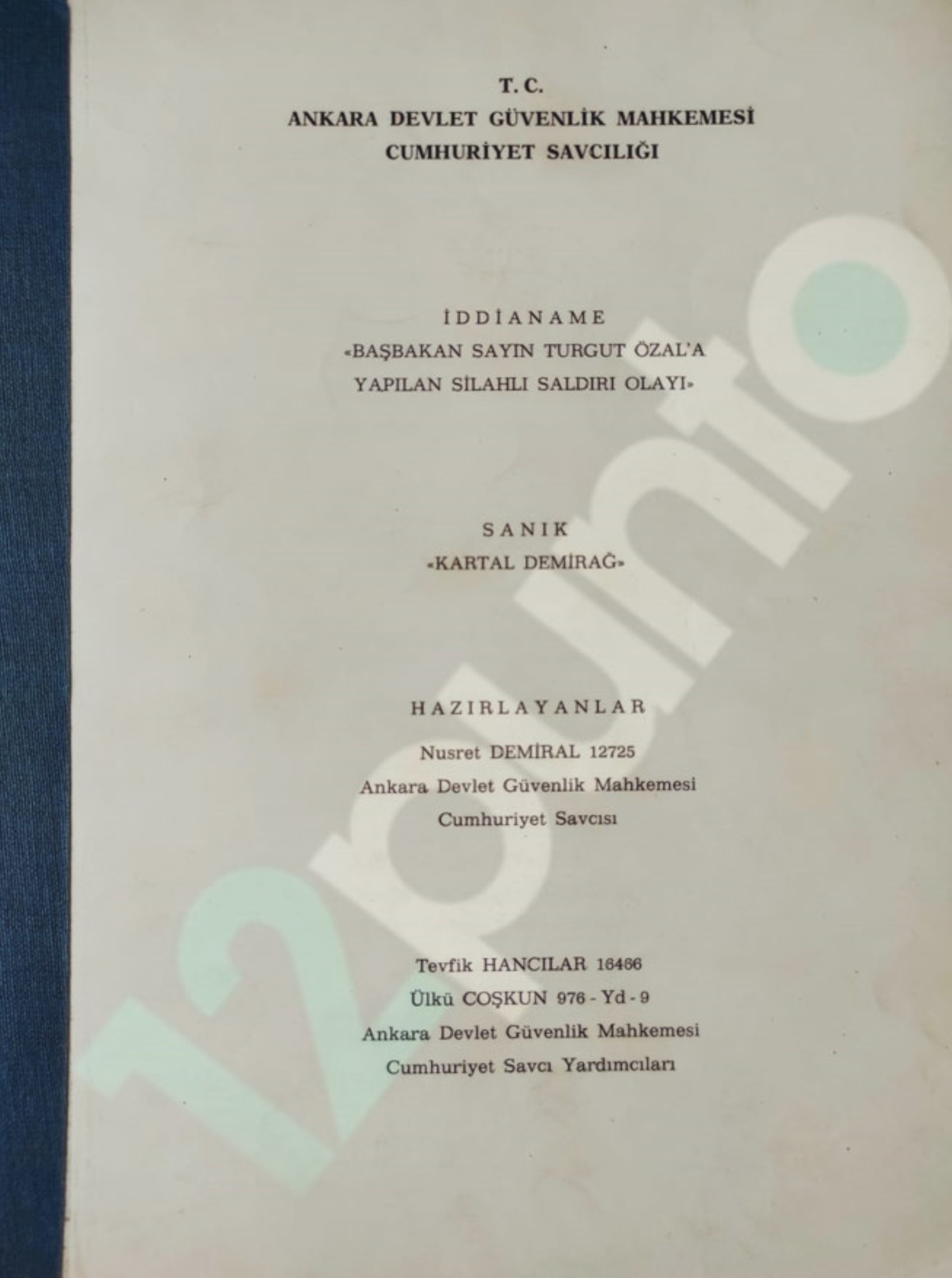
Now, let us open the cover of the indictment written on September 30, 1988, and see what has been reflected from the assassination attempt on Turgut Özal to the present day.
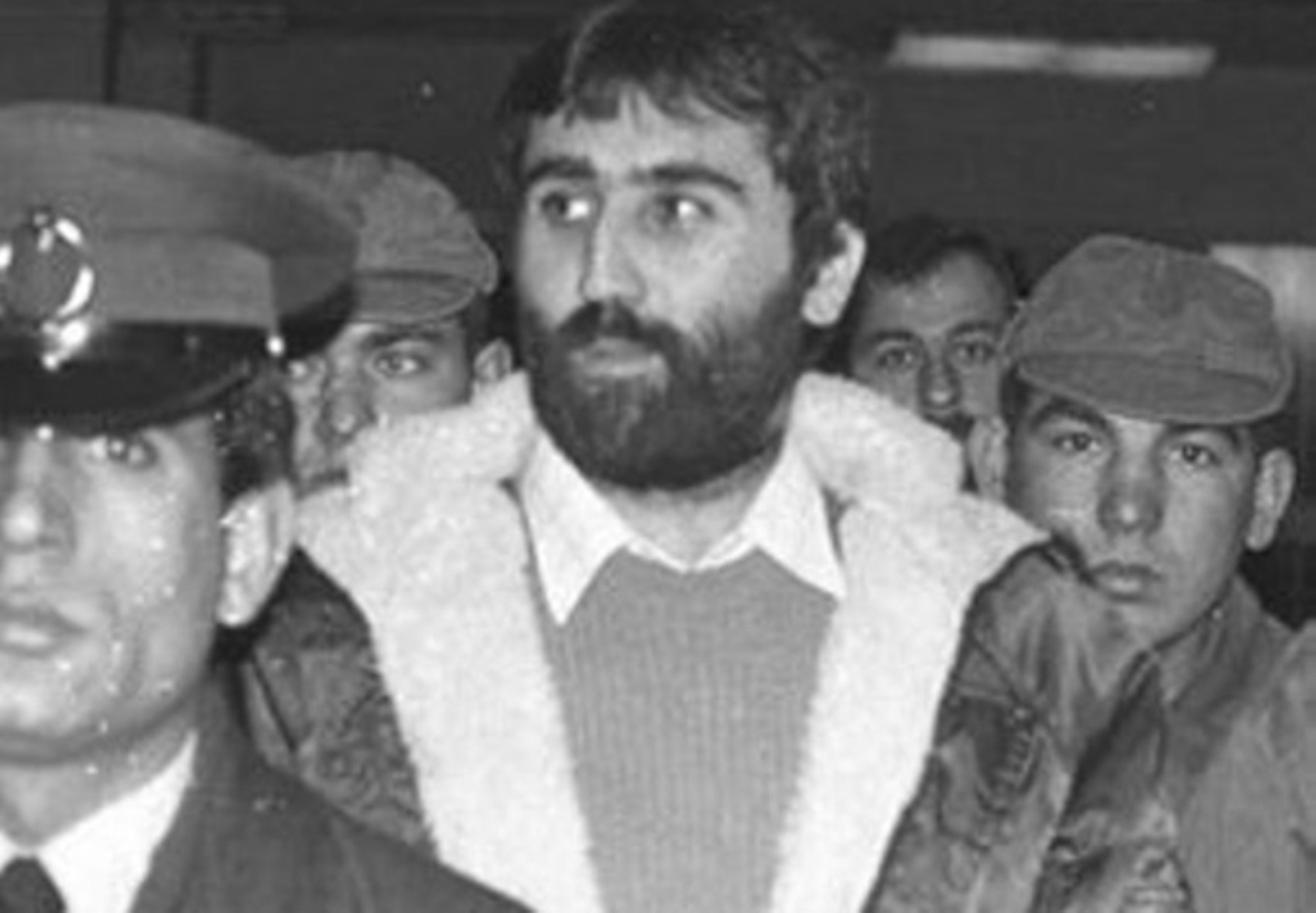
Kartal Demirağ was an ultranationalist who had served as the second president of the Idealist Hearths in Dazkırı, Afyon. He had entered prison for stabbing a former fellow ultranationalist who was a founder of the DSP, and six months before the assassination, on January 22, 1988, he had escaped from the Dalaman Semi-Open Prison using the fake identity of Hayati İpek.
For six months, he traveled through Ankara, Antalya, Akşehir, Karadeniz Ereğlisi, Dazkırı, Burdur, and Adana.
However, the Adana part is not clear...
Kartal Demirağ states in his testimony that he stayed in Adana. Demirağ, who stated when and how long he stayed in each province and who he met, did not go into these details for the time he stayed in Adana.
Look, these statements are the same in every planned armed action that causes public outrage...
For example, there is something that Ogün Samast, who killed Agos Newspaper Editor-in-Chief Hrant Dink in the middle of the street in the heart of Şişli, did not say: the day before the murder... No one knows in detail what Samast did the day before the murder.
 I SAW ALPARSLAN ARSLAN
When I look at Kartal Demirağ, I saw another murderer, the Council of State murderer Alparslan Arslan. He carried out an armed attack on the Council of State in 2006. In the attack, judge Mustafa Yücel Özbilgin lost his life, and 4 members were wounded. The perpetrator of the Council of State attack, lawyer Alparslan Arslan, was found dead in his cell at Maltepe Prison last year.
So, what is Kartal Demirağ's profession? He is a teacher!
Defendant Demirağ visited a group of friends during his time in prison. He had private meetings with certain people.
Now let's return to Alparslan Arslan... Before the bombing of the Cumhuriyet newspaper and the Council of State murders, he was always in contact with a religious leader's community.
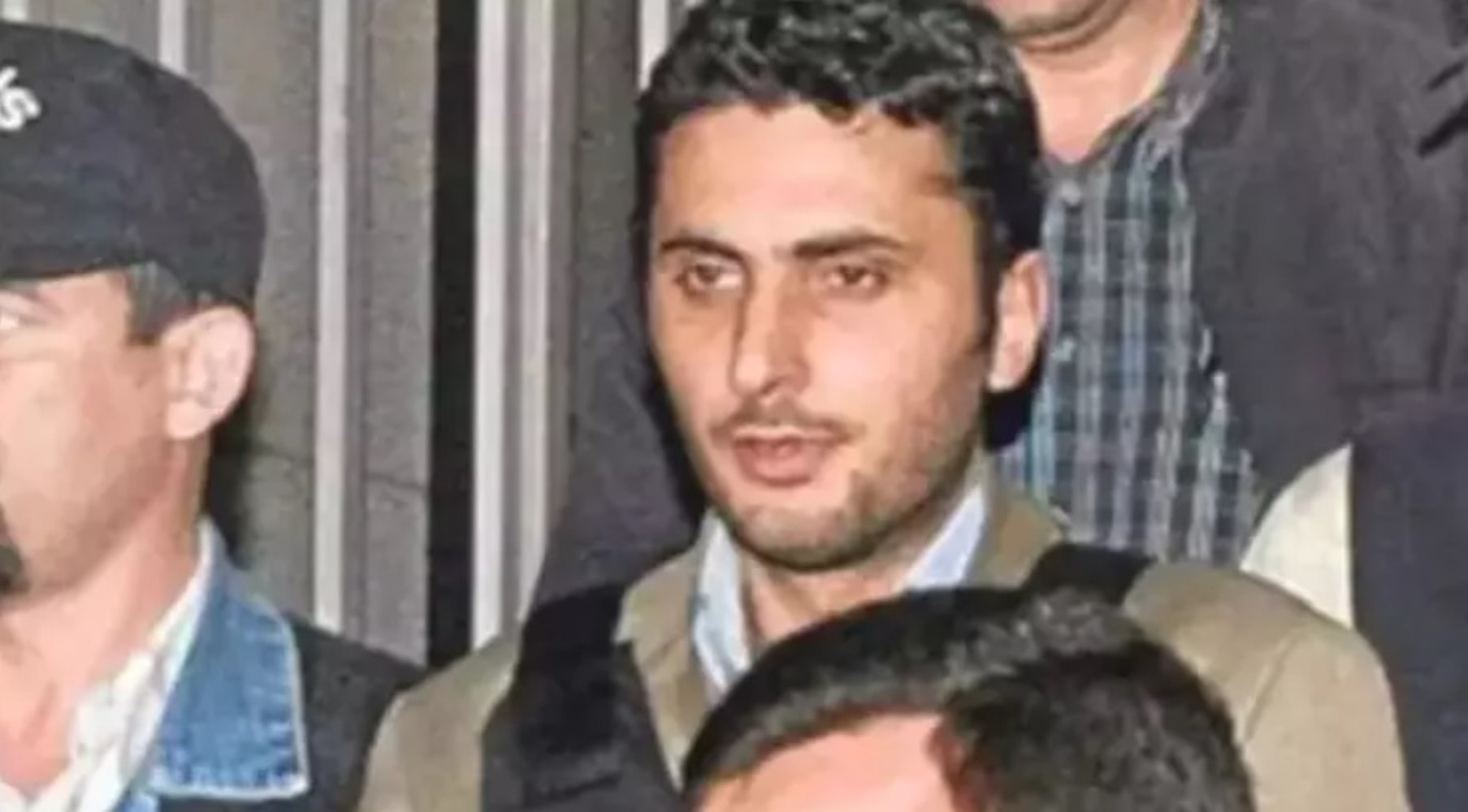
Alparslan Arslan was declaring that he committed the Council of State murder due to the decision the Council of State made regarding the headscarf. As for Kartal Demirağ, the note found on him on the day of the attack read, "Özal, either you will die or I will. You who killed Turkishness and Islam."
The attackers were always dragged into murder in the same way.
Let's return to Kartal Demirağ...
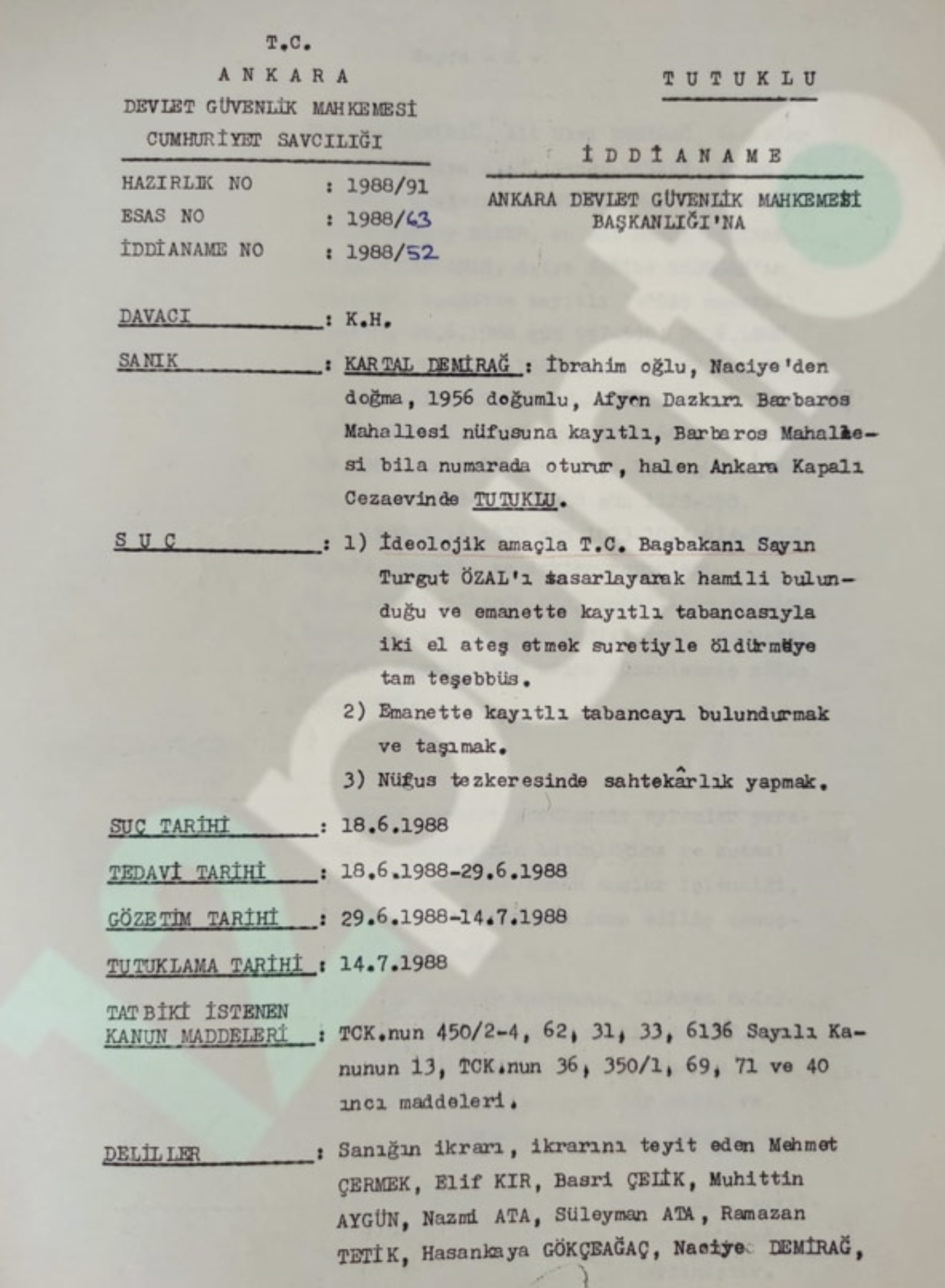
On the first page of the indictment, the crimes of the assailant Kartal Demirağ were described as follows:
1) Attempting to kill the Prime Minister of the Republic of Turkey, Mr. Turgut Özal, with premeditation for ideological purposes by firing two shots with the pistol he was carrying and which was registered in the evidence locker.
2) Possessing and carrying the pistol registered in the evidence locker.
3) Forgery of an identity card.
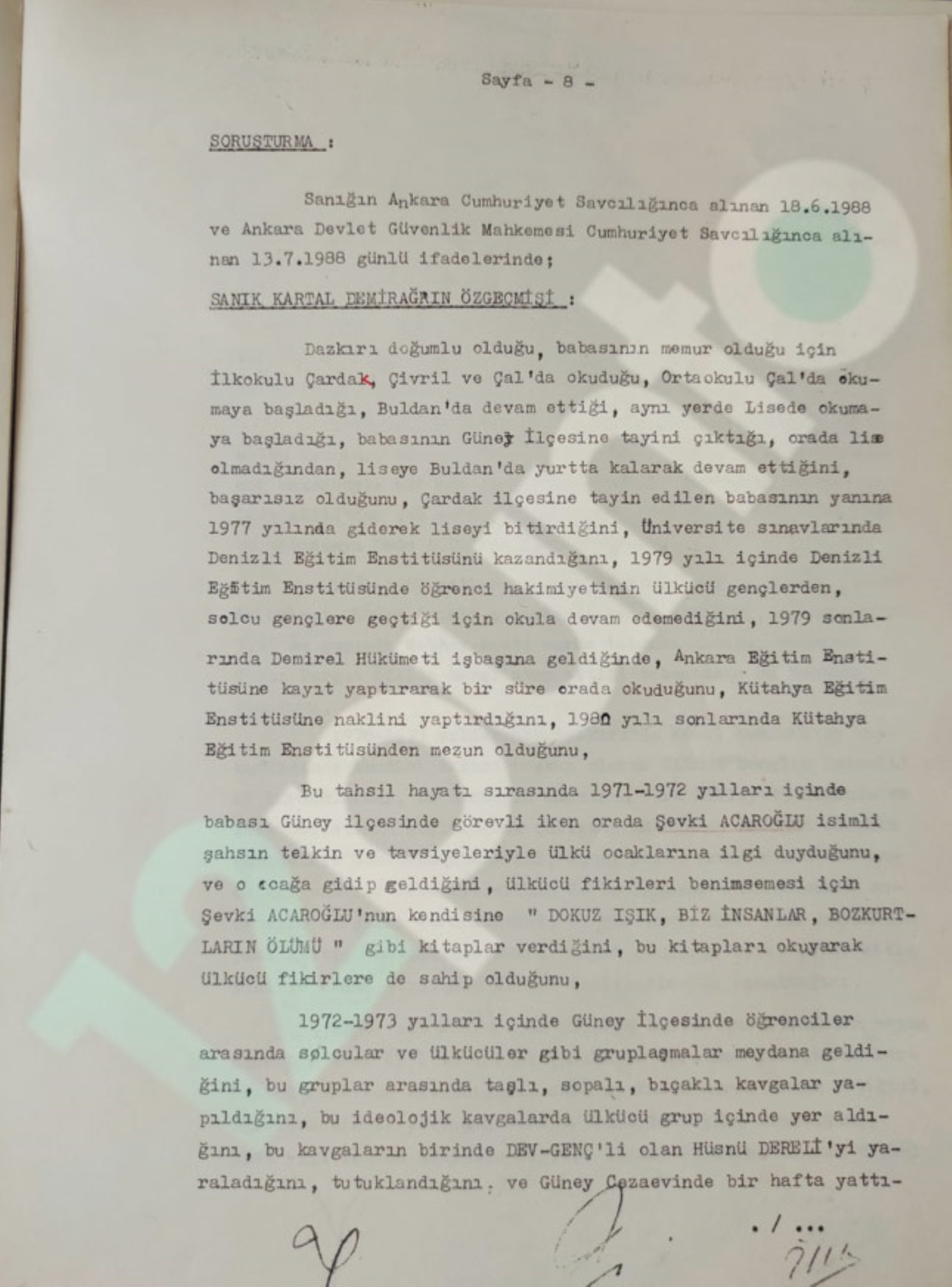
The father of Kartal Demirağ, who was born in Afyon, Dazkırı, was a civil servant. For this reason, he attended primary school in Çardak, Çivril, and Çal. He finished high school in 1977 in the Buldan district of Denizli. He took the university entrance exam and won a place at the Denizli Education Institute.
In 1979, when leftist students gained control of the Denizli Education Institute, he left the school and transferred to the Ankara Education Institute. He transferred his registration to the Kütahya Education Institute and graduated. In other words, Kartal Demirağ had become a teacher.
In his testimony, Kartal Demirağ explained that he was an "ultranationalist" between 1971-1972. On the eighth page of the indictment, Demirağ's accounts were included.
In the indictment, Demirağ's activities were conveyed through his own accounts as follows:
"He explained that he was interested in the Idealist Hearths, that he went to the hearth, read books such as 'Nine Lights, We People, Death of the Grey Wolves', and held ultranationalist ideas, that he took part in the ultranationalist group in ideological fights, and that he wounded Hüsnü Dereli, who was from DEV-GENÇ, in one of these fights and was arrested, and that he spent a week in prison."
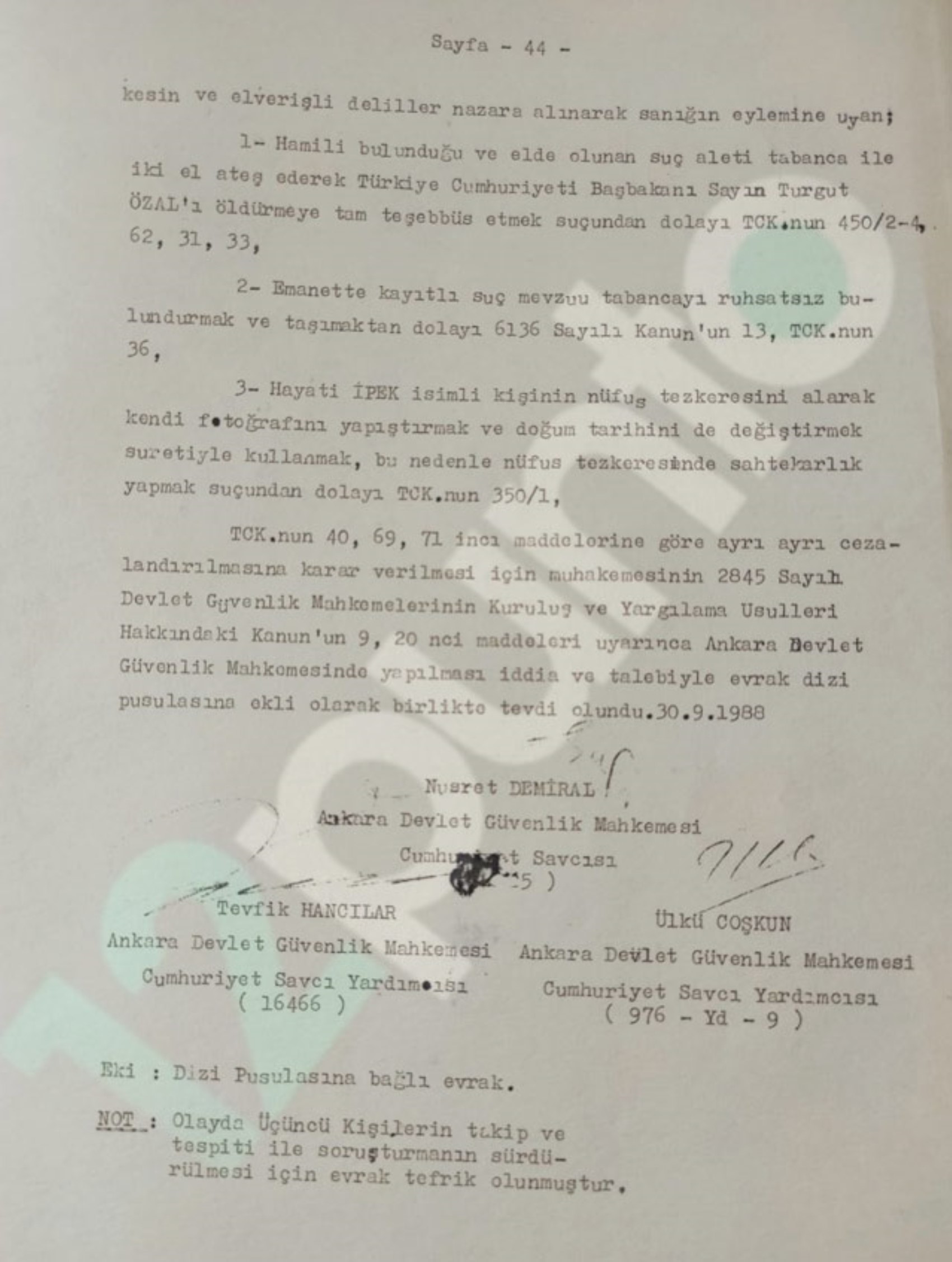
On the last page of the 44-page indictment, the sentences requested for Kartal Demirağ were explained. In the "Note" section of the indictment signed by Public Prosecutor Nusret Demiral, it was explained that the "instigators" were being pursued as follows:
“The documents have been separated for the continuation of the investigation with the tracking and identification of third parties in the incident.”
The Prosecutor Nusret Demiral, who wrote the indictment, had conducted the assassination investigation into Turgut Özal together with the Ankara Police Chief of the time, Mehmet Ağar. However, no evidence could be found, and the instigators behind Kartal Demirağ could not be reached.
Turgut Özal, on the other hand, had assigned his advisor Bülent Şemiler to investigate the incident. Şemiler also assigned legal experts Çetin Yetkin and Uğur Tönük.
Both legal experts explained that as a result of their research, they encountered the counter-guerrilla and that they were faced with a counter-guerrilla cell in Kartal Demirağ's hometown of Afyon Dazkırı.
Uğur Tönük had made the statement: “MGK (National Security Council) Secretary General Sabri Yirmibeşoğlu threatened me by using similar expressions such as 'Drop this investigation, don't mix things up, go away, otherwise your fate will not be good either.' I came to the conclusion that this incident was an assassination.”
He explained that his decision to retire was also due to threats, as follows:
“I realized that Kartal Demirağ, who pulled the trigger, was being directed by other unknown forces and that these were the real culprits. Later, in Ankara, MGK Secretary General Doğan Beyazıt Pasha called me, saying 'I have a job.' He personally told me, 'I will bring you to the Department of Public Relations. But you will give the decisions I tell you to.' An argument broke out between us. I insulted him and so on. 10 days after this incident, I retired at my own request.”
HE BECAME THE TARGET OF AN ARMED ATTACK WHILE INVESTIGATING THE ATTACK ON ÖZAL
Prosecutor Uğur Tönük had become the target of an armed attack while investigating the armed attack on Turgut Özal. Prosecutor Tönük had described this incident as follows:
“I had gone to Malatya to conduct an investigation regarding the Özal assassination. While I was sitting on the side of the road in the Battal Gazi district, a vehicle approached and a few gunshots came from inside it. I threw myself to the ground and got into another vehicle, escaping the incident without injury. After the incident, I did not go home for ten days. Because I did not go home, they went to the house and took my daughter Gülsefa, saying 'Your father is missing.' At that time, my daughter was a university student. I am of the opinion that those who took my daughter from the house were official persons. I think the reason for this was to find me. Because I was not at home at that time either. I went to Malatya for the investigation alone. My wife and children had stayed at home. The kidnapping incident happened as I mentioned. My wife and children had stayed at home.”
There is an important book.
Journalists Doğan Yurdakul and Cengiz Erdinç described Uğur Tönük in their book titled "Çetele" (The Tally), published in 1998.
Let's read what was told about the Özal assassination in the book, which was published with the slogan "Who is Who in Politics-Mafia-Bureaucracy Relations?":
“It could not be found who supported Demirağ. It was alleged that he entered the congress hall with a group of ultranationalists from Kırıkkale who supported the 'Hareketçi' Ankara Deputy Mehmet Çevik, and that people who acted as if they were helping Demirağ during the assassination were present in the hall. (Devlet, Ocak, Dergah, 188-189) In his first statement, Demirağ said that he did not specifically intend to shoot the prime minister, and that he had also thought about shooting Uğur Mumcu.
Gazi Aydın was captured as Demirağ's accomplice. A police officer who tried to enter the room where he was lying wounded in the hospital with a fake police ID and armed was caught. Mehmet Çevik, who was determined to have sold the weapon to Demirağ, was arrested.
It was understood that Osman Atay, a man of Kemal Horzum, visited Kartal Demirağ and provided financial aid during the days he was in prison. It was announced that Osman Atay was being sought as the man who provided the Demirağ-Horzum relationship. Bahadır Tamer, who wrote a letter to Sabah newspaper writer Ahmet Vardar from the Dalaman Agricultural Open Prison in 1990, claimed that Prison Prosecutor Necmettin Karabacakoğlu suggested that he shoot Özal.
Sabah newspaper first forwarded the letter to the Ministry of Justice. However, when there was no development, the newspaper, which published Bahadır Tamer's tip-off letter on April 5, 1990, was confiscated. Muhsin Polat, one of the confessors in the MHP case, explained in a statement to the Cumhuriyet newspaper that the ultranationalist Cemal Kozan, whom he met in Çanakkale Prison, gave the information 'Kartal did this' to his cellmates in prison the moment he heard about the Özal assassination on the radio, even though nothing had been announced yet.
According to the information Polat received from Cemal Kozan, the assassination was planned during the confusion at Özal's entry into the hall, Demirağ could not find the opportunity to shoot at that time, and he opened fire while Özal was on the podium after being pressured by the ultranationalist police officers who were waiting to help him in the assassination. Polat said that the assassination stemmed from the desire of the old members who left the MHP to return and take over the party, and their planning that they would come to power in the first election in the event of Özal's death. (Devlet, Ocak, Dergah, 191-192, Cumhuriyet, 06.04.1990)
COUNTER-GUERRILLA MEMBER
It was argued that the application of Articles 450/2, 4 and 62 of the Turkish Penal Code (TCK) to Kartal Demirağ was also wrong, that he should have been tried under Article 146, and that once he was tried and convicted, the possibility of being tried again was eliminated even if the dimensions of the incident were fully revealed. (Susurluk Conference, 154) Kartal Demirağ, whose 20-year prison sentence was approved on January 27, 1989, was released on April 16, 1992, benefiting from the conditional release law.
Demirağ later said in a statement to the 32. Gün program that he had a relationship with the MIT (National Intelligence Organization).
Retired Supreme Court member Uğur Tönük said, "While investigating the assassination in connection with the Horzum incident, we determined that Kartal Demirağ was a member of a counter-guerrilla organization in Afyon Dazkırı." Because Kartal Demirağ was sentenced to 1 year of heavy imprisonment and a heavy fine of 2 million liras for the crime of blackmailing Yaman Törüner and demanding 50 thousand dollars in November 1996, he was put in prison on December 18, 1997, after his sentence was approved and finalized by the Supreme Court.
It was stated that he would remain in prison until 2017 because his previous conditional release was revoked. (Anadolu Agency, December 18, 1997) In the Özal assassination debate that flared up again in 1998, Korkut Özal claimed that Mehmet Ağar knew the person behind the assassination. (Sabah, 15.03.1998) The Özal assassination investigation was conducted by the Ankara Police Chief of the time, Mehmet Ağar.
Turkey, which has not lifted the veil of secrecy over the assassination attempt 36 years ago, does not seem to have made much progress today either.
In the case regarding the murder of Agos Newspaper Editor-in-Chief Hrant Dink, the prosecutor, who presented his opinion last week, requested that the case against the gunman Ogün Samast and six defendants be dropped due to the statute of limitations.
Today, neither Kartal Demirağ nor Ogün Samast are in prison...
Of course, neither are the real instigators...
Because they cannot be found!
News Source: 12punto









