US-based fusion energy startup Marathon Fusion has claimed that it has converted mercury into stable gold and has increased the production level previously announced by the European Organization for Nuclear Research (CERN) tenfold. The company's announcement has brought the questions of what stage laboratory-scale gold production is at technically and what the impact of such production might be on the gold market back to the agenda.
The claim by the San Francisco-based company has not yet been verified by independent organizations. No clear data has been shared in the statements regarding how much gold was produced, the cost of the process, or whether the method is viable on a commercial scale.

CLAIM NOT YET VERIFIED
Marathon Fusion stated that the process of obtaining gold from mercury is based on directing neutrons generated in fusion reactions toward mercury. According to the company's explanation, this process creates an unstable isotope; the decay of this isotope results in the emergence of gold.
It is reported that Marathon Fusion, founded in 2023 by Kyle Schiller and former SpaceX engineer Adam Rutkowski, is developing fuel systems to be used in fusion power plants. However, the company's announcement regarding gold production is not yet accepted as a scientifically and economically verified result.
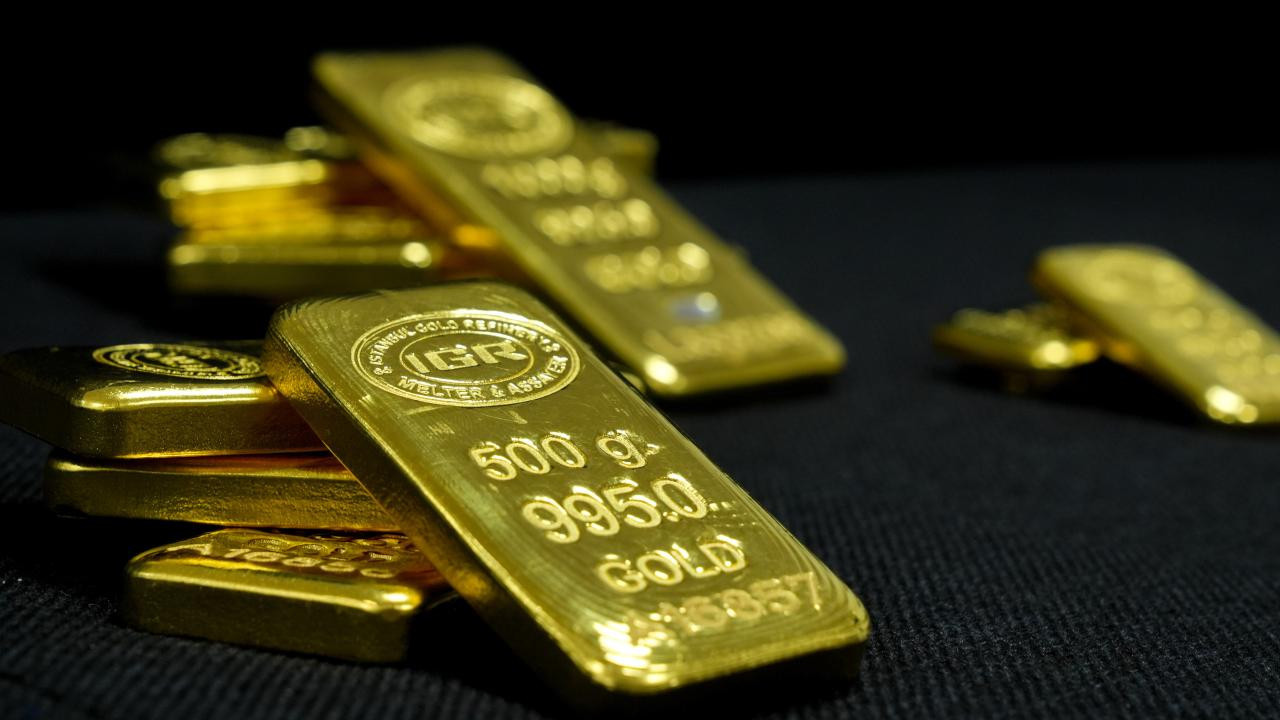
In a 2025 statement, CERN reported that the Large Hadron Collider had produced approximately 29 picograms of gold during its operations between 2015 and 2018. It was noted that this amount corresponded to approximately 86 billion gold nuclei, but that the nuclei disappeared in a very small fraction of a second.
MARKET IMPACT DEBATE
The possibility of laboratory production is being closely monitored due to the potential pressure on the prices of valuable assets extracted from natural resources. A similar debate previously took place regarding lab-grown diamonds. The proliferation of these products, which possess the same chemical properties as natural diamonds, led to a significant decline in prices.
According to data shared last year by diamond industry analyst Paul Zimnisky, wholesale prices for lab-grown diamonds have fallen by 90 to 95 percent compared to 2015 levels. De Beers also decided to focus on natural diamonds in 2025 by closing its lab-grown Lightbox brand, which it had offered for sale at 800 dollars per carat in 2018.
The gold market, however, has a different scale than the diamond market. According to World Gold Council data, 3 thousand 672 tons of gold were mined in 2025. The total amount of gold extracted throughout history is calculated to be approximately 222 thousand 600 tons.
For this reason, the fundamental question experts are pointing to is whether gold production in the laboratory will remain merely a scientific demonstration or whether it can reach a stage that could affect the market in terms of cost and production volume. As long as Marathon Fusion's claim remains unverified, assessments regarding its potential impact on gold prices remain limited.
News Source: 12punto