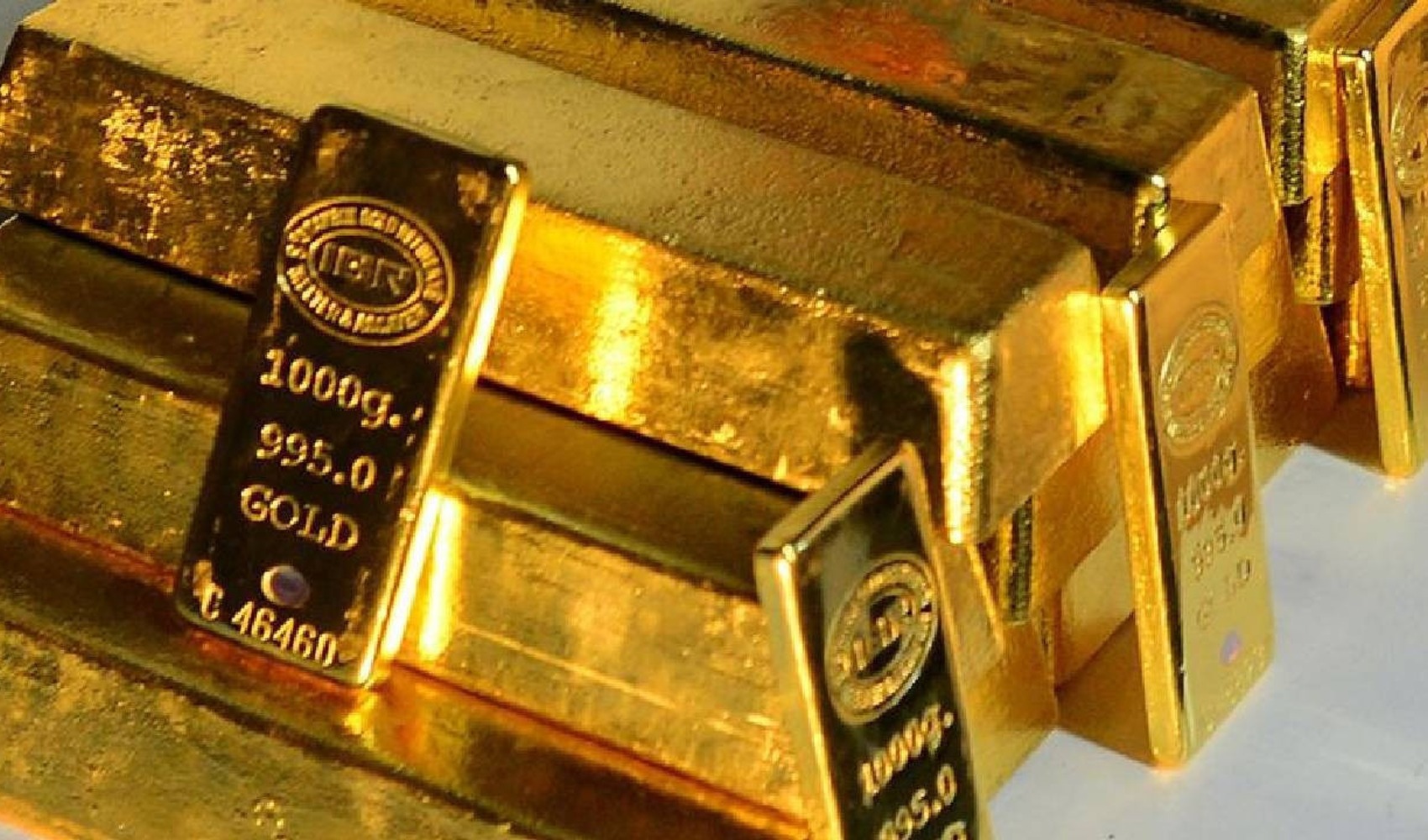
Gold prices moved upward again on the final trading day of the week. A decline of approximately 1% in oil prices and the dollar's retreat from its recent peak levels emerged as supporting factors in the pricing of the precious metal.
Spot gold rose 0.2% to $4,346.65. U.S. gold futures fell 0.3% to $4,385.70. A weakening dollar can support demand by making gold, which is priced in dollars, more accessible to investors using other currencies.
In addition to geopolitical developments in the Middle East, the monetary policy moves of major central banks are being closely monitored in the markets. It is assessed that sharp drops in oil prices could lower inflation and interest rate hike expectations, while geopolitical tension could create pressure on global growth.
MESSAGES FROM CENTRAL BANKS ARE BEING MONITORED
The U.S. Federal Reserve's (Fed) interest rate decision also remained at the center of the agenda in the gold market. The Fed's decision to raise interest rates on Wednesday and its signal that further hikes could be on the agenda in the coming months are seen as factors putting pressure on gold, which does not provide interest yields.
Nevertheless, Goldman Sachs maintained its gold price forecast of $5,400 for the end of 2027, despite the Fed's tight monetary policy steps. The bank stated that higher interest rates might limit the pace of gold's rise, but it is not expected to completely reverse the main trend.
The Bank of England kept its policy rate steady on Thursday while signaling that interest rate hikes might be needed in the future. The Bank of Japan is expected to raise its policy rate to a 31-year high on Friday and leave the door open for additional steps against inflation risks.
The general outlook for precious metals also remained positive. Spot silver rose 0.7% to $65.61, heading for a weekly gain. Platinum rose 1% to $1,785.80, while palladium increased 0.2% to $1,294.41.
News Source: 12punto