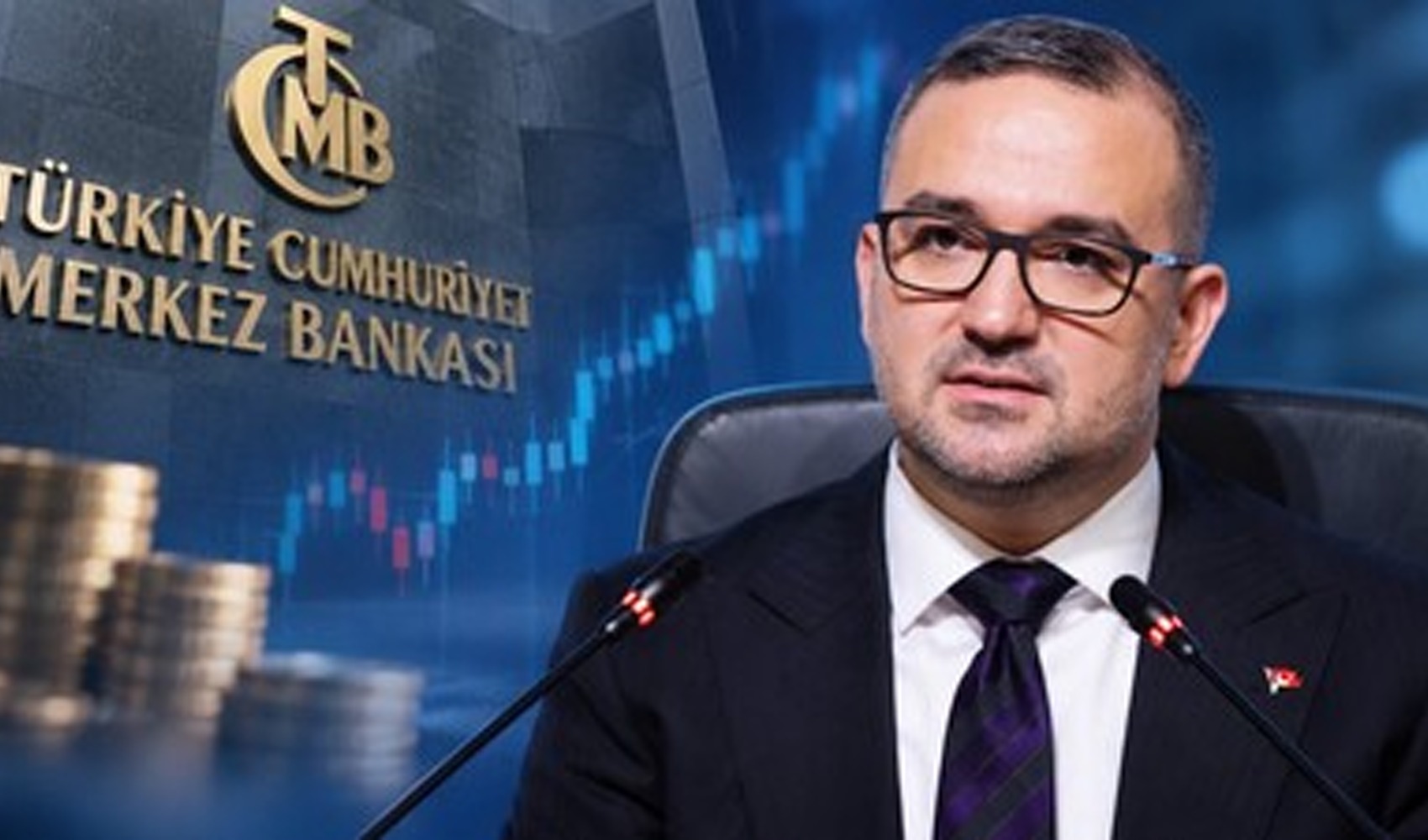
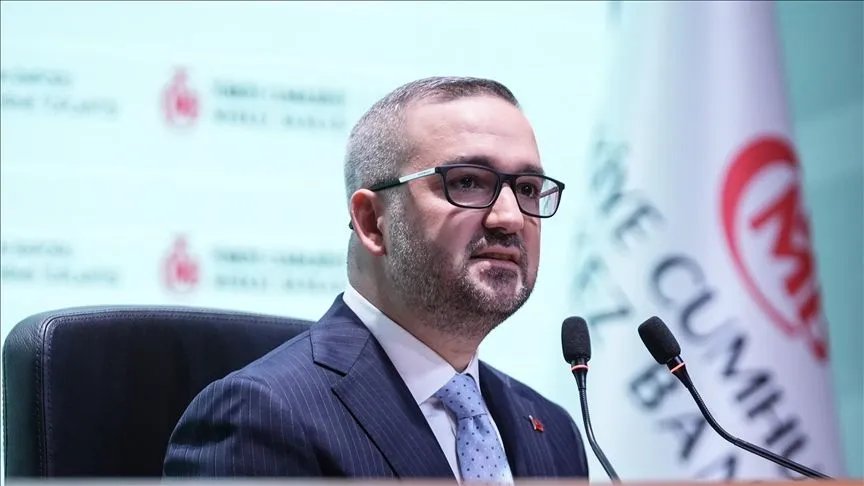
Central Bank of the Republic of Turkey (CBRT) Governor Fatih Karahan stated that the tight monetary policy stance in the fight against inflation will be maintained, and that additional steps could be implemented if necessary in response to developments in financial markets.
Speaking at the "Economy Meeting" event organized by the Young Business People Association of Turkey (TÜGİAD) Ankara, Karahan emphasized that price stability is of critical importance for sustainable growth and a healthy investment environment.
Karahan stated that supply-side pressures stemming from energy prices continue to affect the inflation outlook. Noting that the tight monetary policy is supporting the disinflation process by creating a slowdown in domestic demand, Karahan also noted that the slowdown in the rate of rent increases, particularly in the service sector, is contributing to the decline in inflation.
The CBRT Governor said that the main trend of inflation, domestic demand conditions, and expectations are being evaluated together. Karahan said, "We will resolutely maintain the monetary tightness required by disinflation until price stability is achieved."
CLOSE MONITORING OF THE FUND MARKET
Karahan reported that the effects of the recent volatility in the fund market on the banking system and other financial markets are being closely monitored. He stated that the amount of funding provided through weekly repo auctions has been increased to support liquidity conditions, banks' borrowing limits in the interbank money market have been updated, and collateral discount rates have been lowered.
Stating that banks have been provided with more flexibility in liquidity management through the reduction of blocked reserve requirement ratios for Turkish lira, Karahan said that credit growth limits for SME loans have also been increased.
Making assessments regarding the private sector bond market, Karahan stated that a decrease in demand from investment funds could pose a risk for companies in terms of refinancing their debts. In this context, he announced that loans for the redemption of private sector bonds have been exempted from the growth limit.
Stating that they will continue to monitor financial stability and liquidity conditions, Karahan said, "If deemed necessary, we will proactively take all kinds of additional measures."
Sharing data on the disinflation process, Karahan reported that the annualized main trend of inflation, which rose to 30 percent during the war period, has declined to 23.7 percent as of October. Stating that this rate is approximately 6 points below the current annual inflation, Karahan said that the decline in inflation could continue if supply-side pressures decrease.
Stating that developments in energy prices have pushed annual energy inflation to 51.4 percent, Karahan expressed that the high course of oil and natural gas prices has created cost pressures in various sectors, including transportation. Karahan also mentioned that the sliding scale system (eşel mobil) has limited the reflection of increases in fuel prices domestically.
Stating that a significant portion of the resources exiting money market funds has shifted to Turkish lira deposits, Karahan announced that the share of TL deposits in total deposits has remained above 60 percent since the second quarter, and has remained above 61 percent recently.
Providing information on reserves, Karahan stated that gross reserves, which were 210 billion dollars on February 27, fell to 158 billion dollars as of October 30. Karahan said that 30 billion dollars of the decline was due to the decrease in gold prices.
Noting that the slowdown in domestic demand, the strong course of tourism revenues, and the improvement in the gold foreign trade balance are supportive of the current account balance outlook, Karahan stated that they expect the ratio of the current account deficit to national income in 2026 to be below its long-term average.
News Source: 12punto