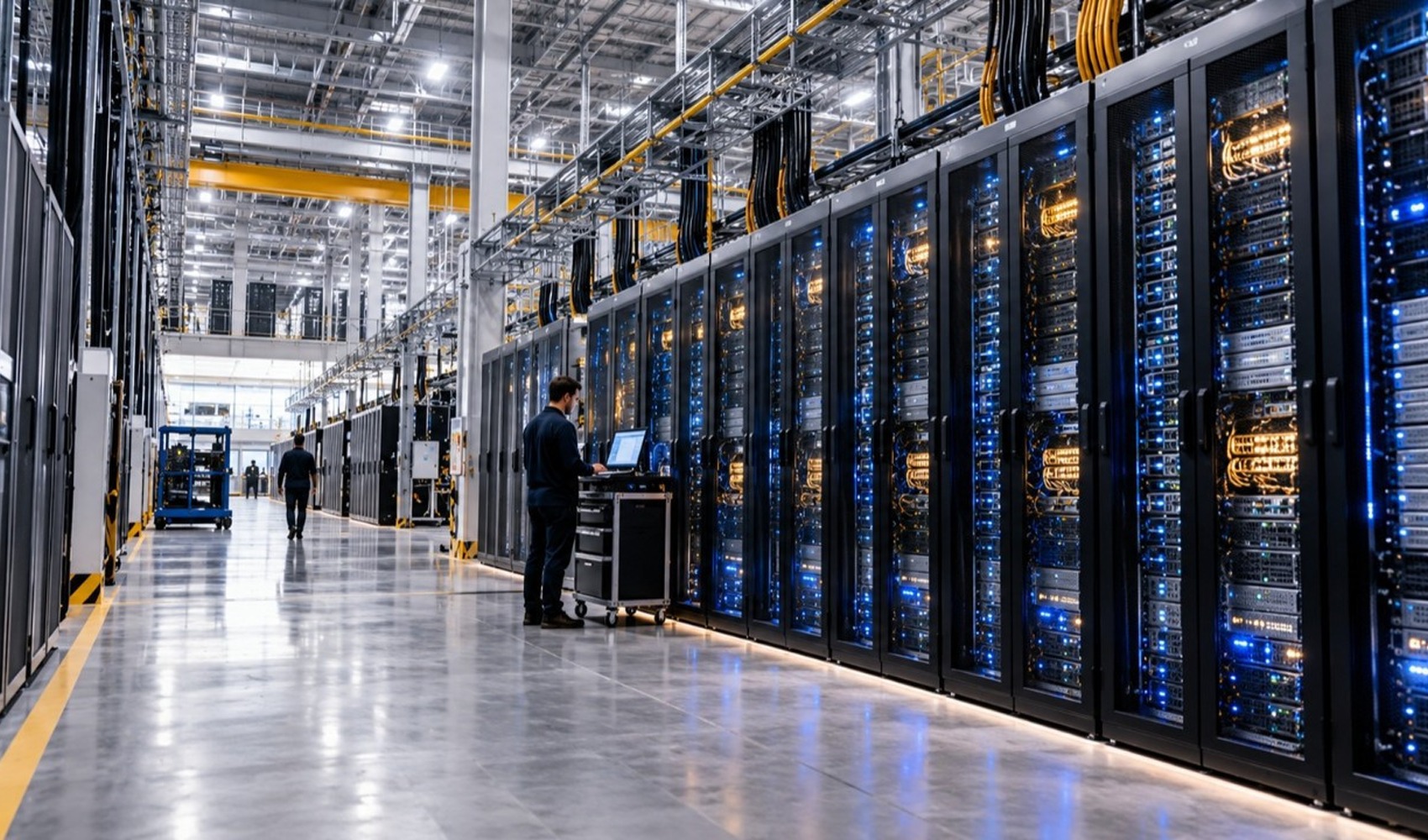
Elon Musk’s space and technology company, SpaceX, is working on a new $40 billion financing package as part of its growth plans for artificial intelligence infrastructure. According to information regarding the discussions, the package will be used to purchase Nvidia’s advanced AI processors.
The planned funding is targeted to consist of $30 billion in investment-grade bonds and $10 billion in bank loans. While alternative asset management firm Apollo Global Management is expected to take a prominent role in the financing talks, bond investor Pimco is also reported to be involved in the process.
However, the financing has not yet been finalized. It is stated that the company has not announced an agreement detailing the final terms and that the completion of the transaction could take until 2027. For this reason, investors' focus will be on the interest rates and maturities of the debt, as well as how quickly the infrastructure built with the processors will generate revenue.
BORROWING INCREASES IN THE AI RACE
SpaceX’s preparation is seen as one of the latest examples indicating that the financing structure for AI investments is changing. As the amounts required for high-performance processors, data centers, and energy infrastructure grow, technology companies are turning more toward credit and bond markets rather than relying solely on their own cash flows.
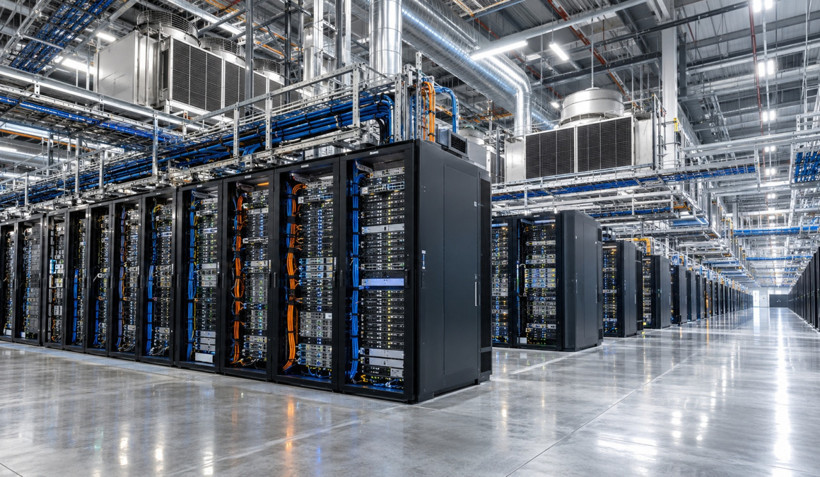
It is reported that similar financing searches are on the agenda for other companies as well. Broadcom is said to be seeking over $50 billion in funding to support custom processor projects for its AI clients, and Oracle is reportedly conducting talks with financial institutions for AI processors. In some models, the option of having processors purchased by separate entities and leased to technology companies is being considered.
While this structure may help companies spread their high capital expenditures over time, it makes financing relationships more complex. In particular, if the revenues expected from AI infrastructure are delayed or fail to reach projected levels, it could create risks for corporate balance sheets.
RUBIN WARNS OF DEBT CHAIN
Former US Treasury Secretary Robert Rubin drew attention to the mutual financial commitments in AI investments during his remarks at the Greenwich Economic Forum on October 6. The risk Rubin pointed to is that the relationships between AI companies, processor suppliers, investors, and lenders are becoming increasingly interconnected.
In this chain, it is possible for a company to create expectations based on future service revenue, for a supplier to invest with the same expectation, and for financial institutions to provide loans by taking these commitments into account. If one of the parties fails to fulfill its obligations, the problem could spill over to other companies.
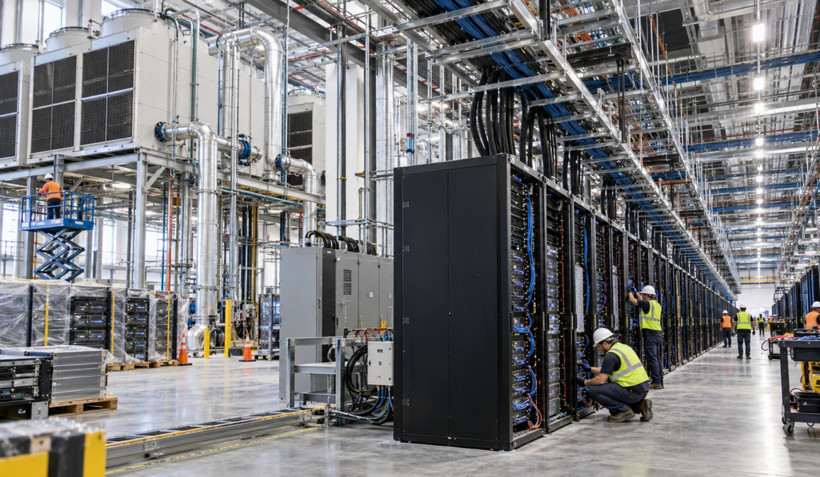
It is also noteworthy that the search for financing coincides with a period of high interest rates. The yield on the 10-year US Treasury note rose to 5.36 percent on October 7. The increase in government bond yields can also drive up the costs companies may face in new borrowing.
For this reason, the fundamental question in AI investments will not only be how quickly the infrastructure will be built, but also how long it will take for this infrastructure to generate the revenue needed to cover the billions of dollars in financing debt undertaken.
News Source: 12punto