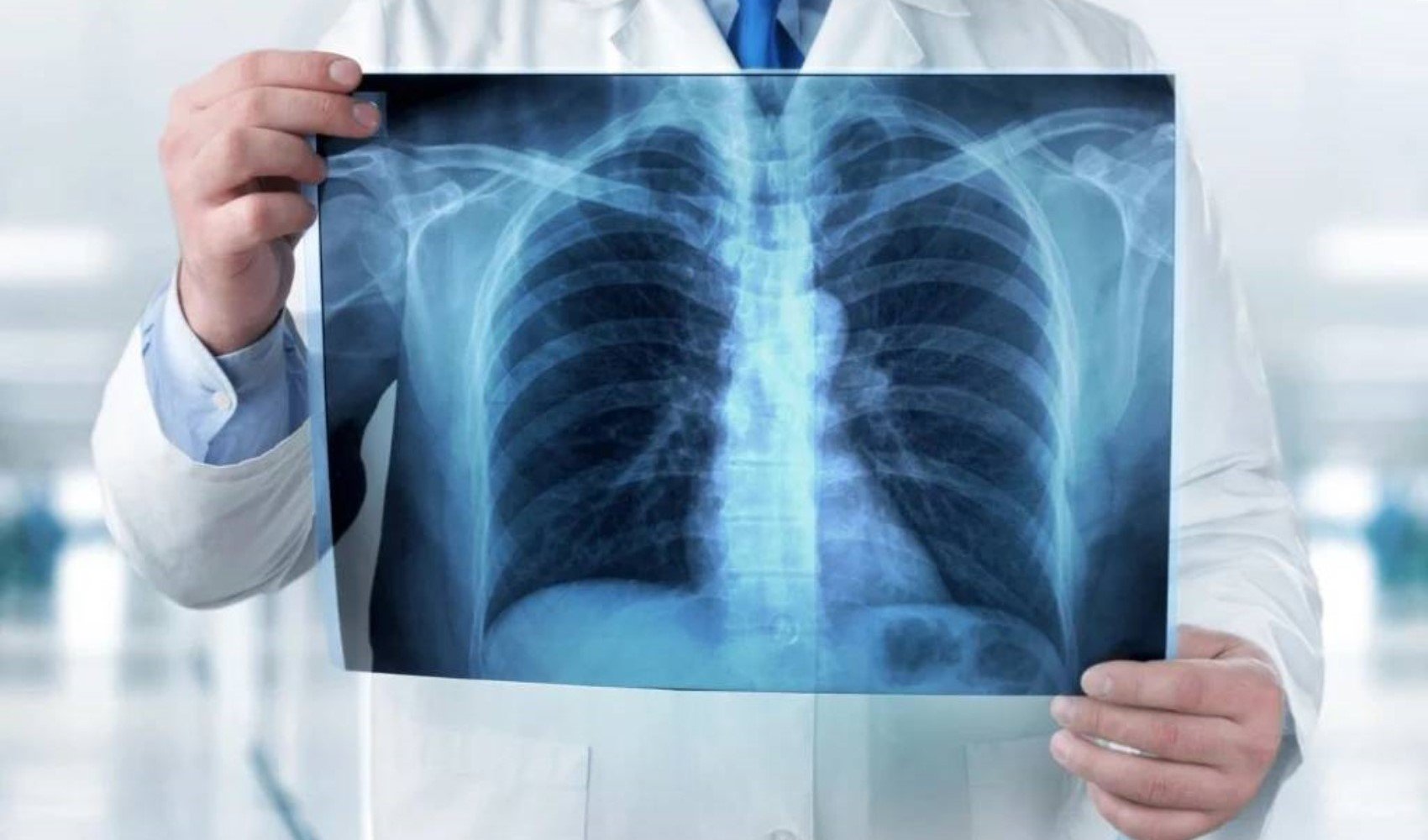
Lung functions play a critical role in overall health and life expectancy because they directly affect the oxygenation of cells in the body. According to pulmonologists, the rate at which lungs age determines the quality of respiration and, consequently, the health of the entire body. Decreased lung capacity can lead to various health problems, such as cardiovascular diseases, susceptibility to infections, premature aging, and a decline in cognitive performance, by reducing tissue oxygenation.
Protecting lung health is essential for a long and healthy life because:
* The quality and quantity of oxygen required for body cells to maintain their functions are directly related to lung capacity.
* It has been observed that individuals with high lung capacity have a longer and healthier life expectancy.
* Healthy lungs act as a barrier against germs, reducing the risk of infection.
* Adequate oxygen levels support cell regeneration and positively affect muscle strength and brain functions.
KEY FACTORS THAT RAPIDLY AGE THE LUNGS
With the aging process, lung volume decreases every year after middle age, capacity drops, and the strength of respiratory muscles weakens. Beyond this natural process, certain factors in daily life can accelerate the aging of the lungs:
1. Tobacco Products: Active or passive exposure to cigarettes, e-cigarettes, and other tobacco products is the most significant cause of lung aging.
2. Air Quality and Chemicals:
* Exposure to air pollution, exhaust, and smoke.
* The toxic effects of heavy chemical cleaning products used in homes, such as bleach and descalers.
3. Recurrent Infections: Severe or frequent respiratory tract infections can cause permanent damage to lung tissue.
4. Inactivity: A lack of physical activity contributes to the weakening of respiratory muscles and a decrease in lung capacity.
5. Insufficient Water Consumption: Water helps thin mucus in the airways, flush out toxins, and oxygenate lung tissue. Low water consumption reduces the lungs' self-cleaning capacity and leads to the accumulation of harmful substances in the tissue.
Additionally, genetic predisposition (the presence of diseases like COPD or asthma in the family) can make an individual's respiratory system more sensitive to environmental factors, accelerating lung aging.
PROTECTING AND IMPROVING LUNG HEALTH
Lung aging affects the entire body; a decrease in capacity puts more strain on the heart, loss of tissue elasticity can impair DNA repair, and it can increase the risk of diseases such as COPD or lung cancer. It also has negative effects on cognitive functions, muscle strength, and sleep quality.
However, it is possible to protect lung health and increase capacity through lifestyle changes:
Avoiding Tobacco and Tobacco Products: Eliminates the primary cause of lung aging.
Physical Activity and Breathing Exercises: Regular exercise and learning correct breathing techniques increase lung capacity and respiratory muscle strength.
Nutrition and Hydration: Drinking plenty of water and eating an antioxidant-rich diet supports the regeneration of lung tissue.
General Health Management: Maintaining an ideal weight and regular sleep are important habits that support lung health.
News Source: 12punto