

Historic water reservoir buried underground in Üsküdar unearthed
A historic water reservoir in Istanbul's Üsküdar district, registered as a cultural asset in 1973, has been unearthed through archaeological work after remaining underground for years. The Istanbul No. 6 Regional Board for the Preservation of Cultural Assets has decided to conduct a comprehensive study to preserve the historic structure and pass it on to future generations.



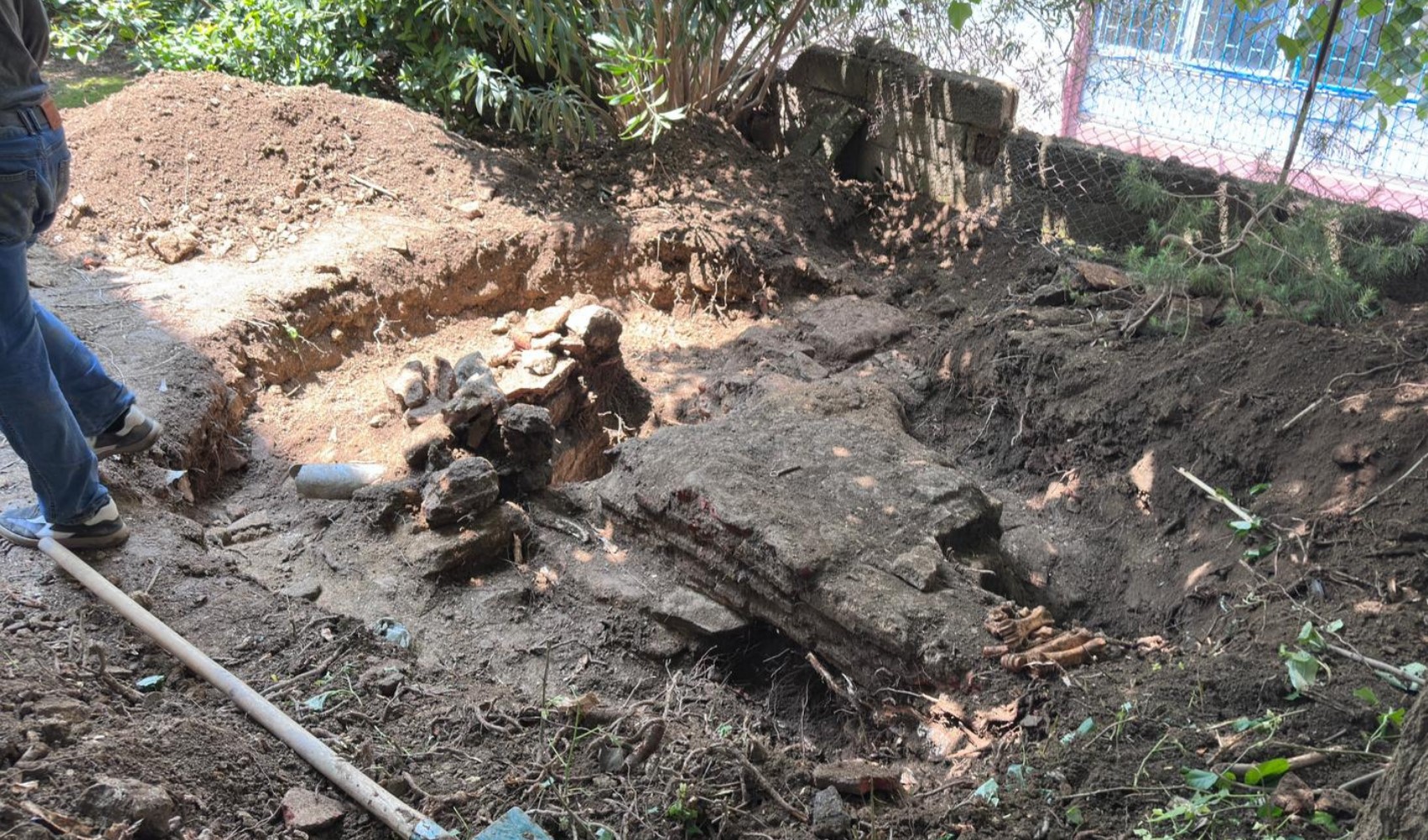
The historic water reservoir located in the Murat Reis (Valide-i Atik) neighborhood of Istanbul's Üsküdar district, which was registered in 1973, has returned to the agenda after many years. As a result of research and excavation work carried out with the permission of the Istanbul Museum of the History of Science and Technology in Islam, the historic remains of the structure that had been buried underground have been brought to light.
The decision of the Istanbul No. 6 Regional Board for the Preservation of Cultural Assets, dated July 22, 2026, and numbered 10777, has paved the way for an important preservation process regarding the future of the structure.
In its decision, the Board evaluated the remains found in the area where the structure, registered as a "water reservoir" in the land registry and located on block 179, parcel 51, map sheet 66 in the Murat Reis neighborhood of Üsküdar, is situated. As a result of the examinations, it was stated that the remains on the parcel possess the characteristics of a cultural asset.
REGISTRATION MAINTAINED, SCIENTIFIC EXAMINATION DECISION TAKEN
Evaluating the application for the removal of the registration of the property in question, the board had previously requested that it be investigated in detail whether the structure registered as a "Water Reservoir" had any connection to the Historic Waterways from ISKI.
In this context, the work carried out by the Directorate of the Istanbul Museum of the History of Science and Technology in Islam, expert reports, old photographs, and information and documents sent by the relevant institutions were re-evaluated by the board.
The board concluded that the remains revealed in the latest examination possess the quality of a cultural asset. Thus, instead of removing the registration of the structure, a process was initiated to preserve the remains by researching them with scientific methods.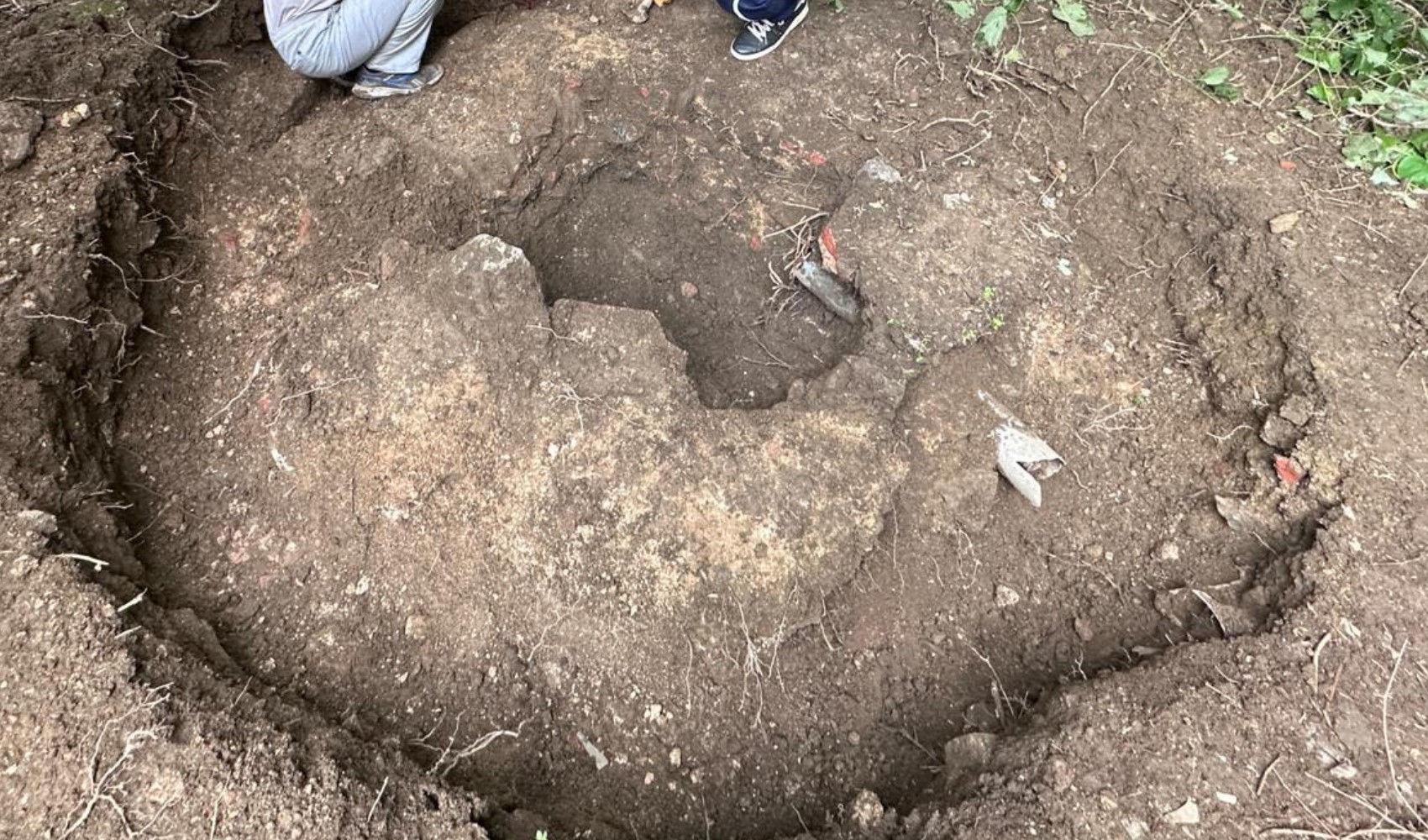
EACH PHASE WILL BE STRATIGRAPHICALLY DOCUMENTED
One of the most important parts of the board's decision was the examination of the historic remains using scientific archaeological excavation methods.
According to the decision, excavations will be carried out to determine the surroundings, the nature, the extent, and the period of the wall remains considered to belong to the water reservoir.
It was decided that the excavations would be carried out under the presidency of the relevant Museum Directorate and under the supervision of expert archaeologists. It is envisaged that every phase revealed during the excavation will be stratigraphically documented and the remains will be excavated meticulously.
Through this method, it is aimed to scientifically record not only the visible part of the structure but also the changes it underwent in different periods and the archaeological layers in the area.
RESTORATION PROCESS TO BEGIN AFTER EXCAVATION
The board's decision provides not only for excavation but also for the preparation of a comprehensive plan regarding how the historic structure will be preserved after the excavation.
Following the excavation, a museum report will be prepared revealing the current state of the remains. In addition, a conservation report containing excavation surveys, restitution and restoration projects, and intervention proposals will be prepared and submitted to the Regional Preservation Board.
Thus, it is aimed to document the current state of the historic water reservoir, research its original state in the past, determine what interventions can be made, and create a scientific roadmap for the physical preservation of the structure.
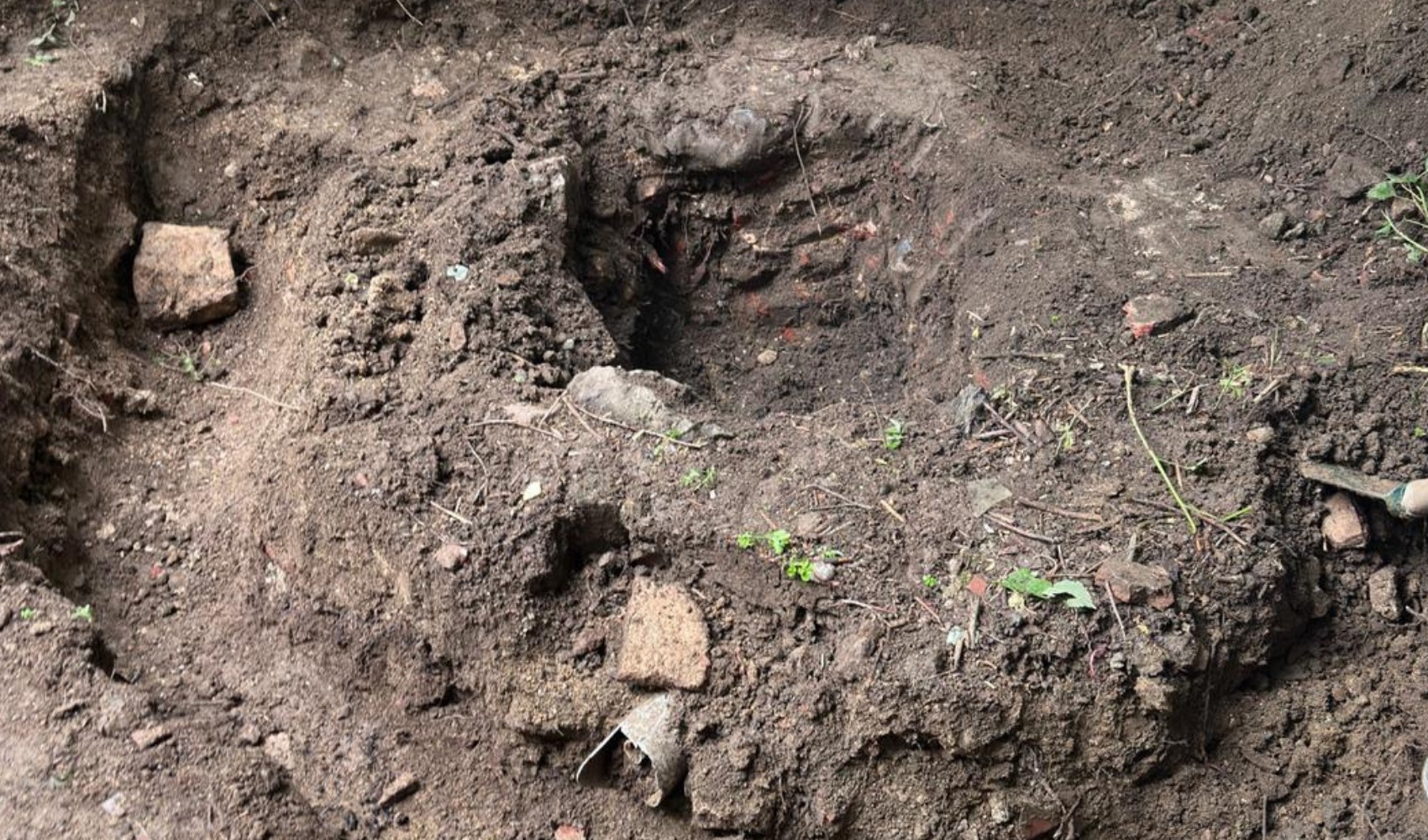
SECURITY MEASURES FOR THE HISTORIC STRUCTURE ALSO DECIDED
The board also decided to take necessary measures around the registered structural remains in terms of life, property, and environmental safety.
Accordingly, the necessary security measures will be ensured by the property owner. Thus, it is aimed to protect the historic remains, which have been underground for years and have been unearthed again, against physical and environmental threats this time.
The final decision made for the historic water reservoir, which was registered in 1973, means that instead of removing the registration of the structure, it has been taken into a process of scientific excavation, documentation, conservation, and restoration.
With the decision of the Istanbul No. 6 Regional Board for the Preservation of Cultural Assets, the future of the historic remains will be shaped according to the results of the scientific studies to be conducted.
Thus, an official process has been initiated not only to unearth an important structural remnant related to the history of Üsküdar but also to document, preserve, and pass it on to future generations.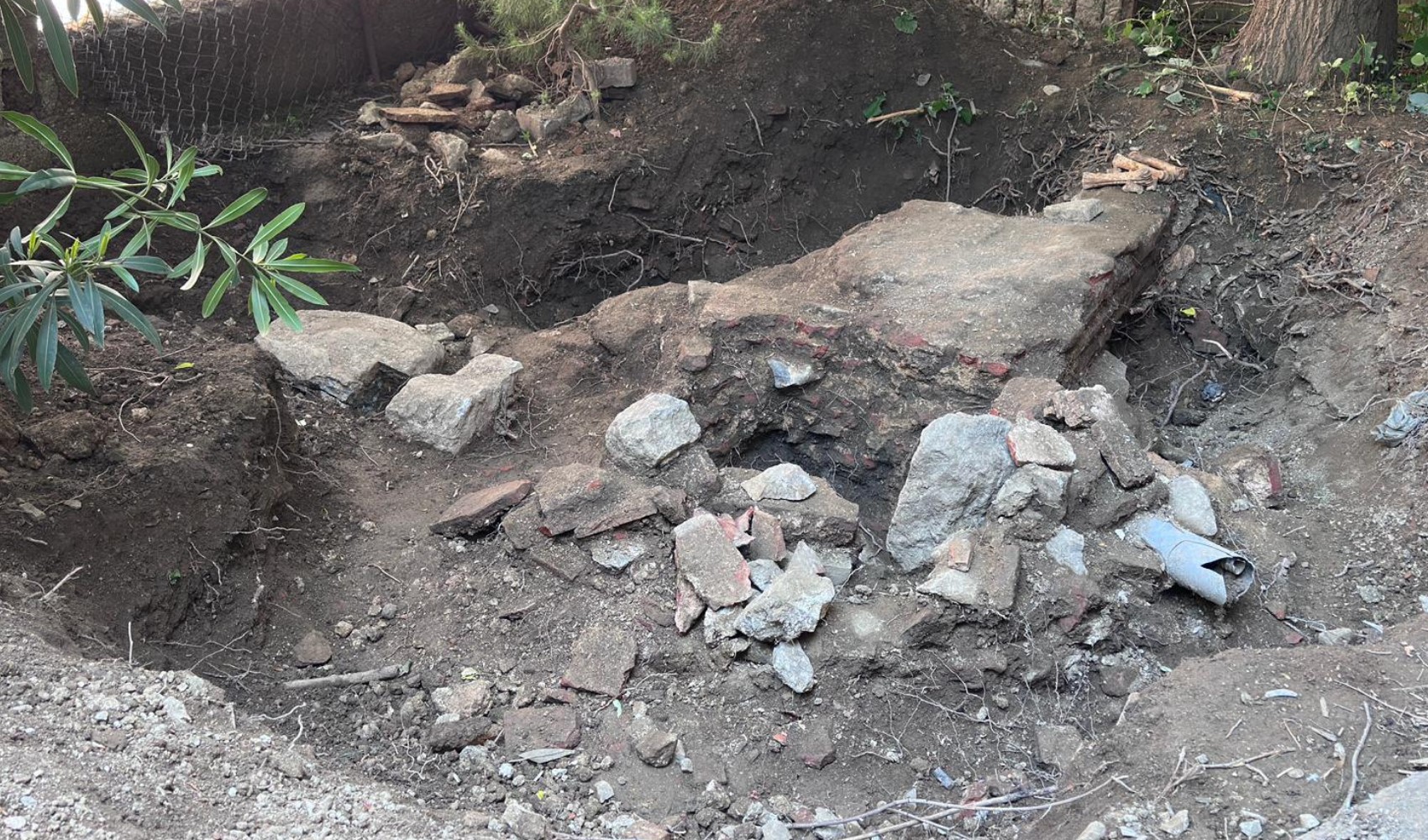
News Source: 12punto
Most Read

Price hike for Netflix Turkey plans

Market values updated in the Süper Lig
'Fatma Betül Sayan Kaya changed 60 chiefs of staff'
29 more workers dismissed at Üsküdar Municipality

'The league starts in a week, and there is no MHK'

Fear has gripped the mountains!

The amount Melis Sütşurup earned from the fund is staggering
Supreme Court ruling on retirement affects millions!

A magnificent farewell to Bosnia and Herzegovina legend Edin Dzeko

The American dream: Work and Travel