



 1 / 5
1 / 5
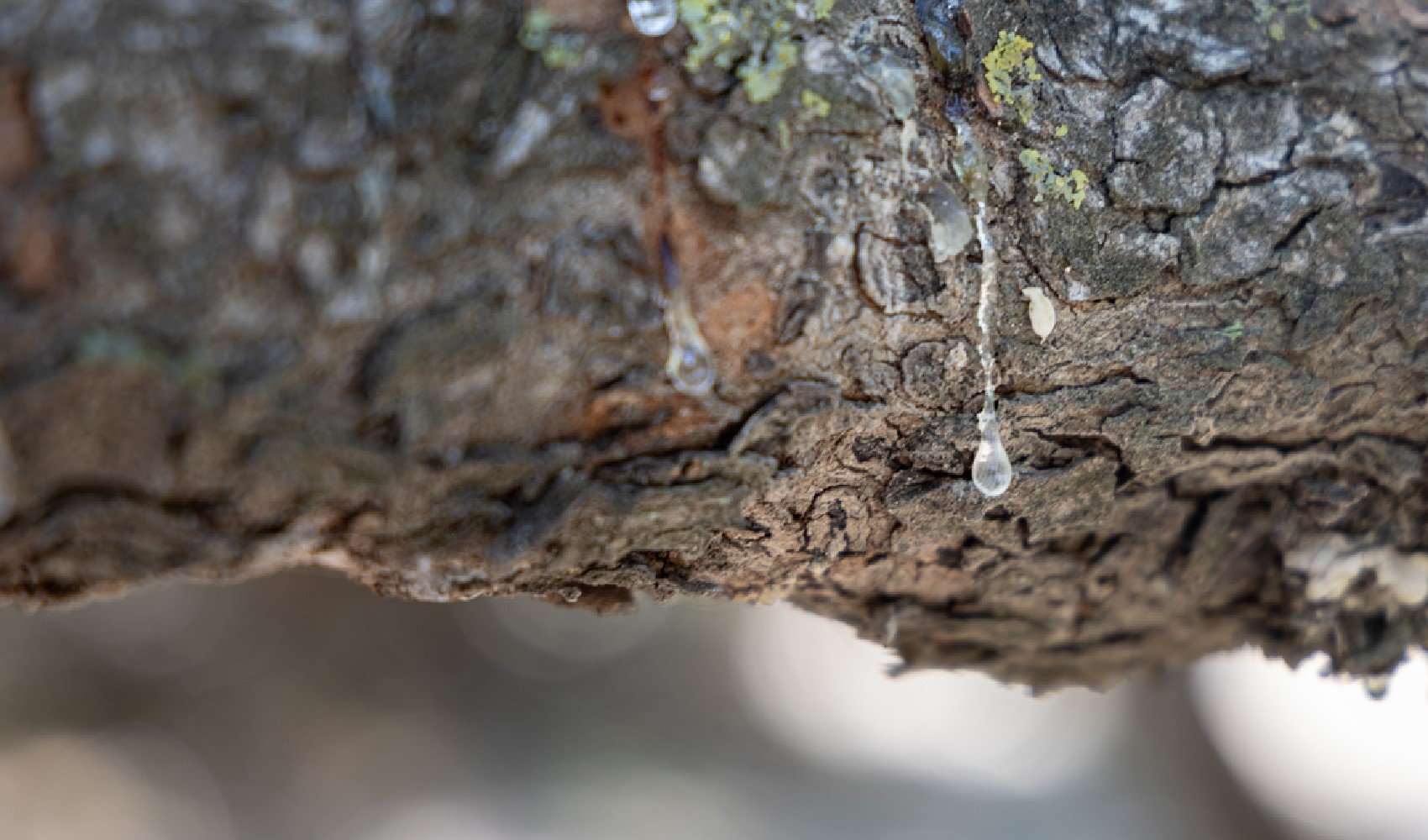
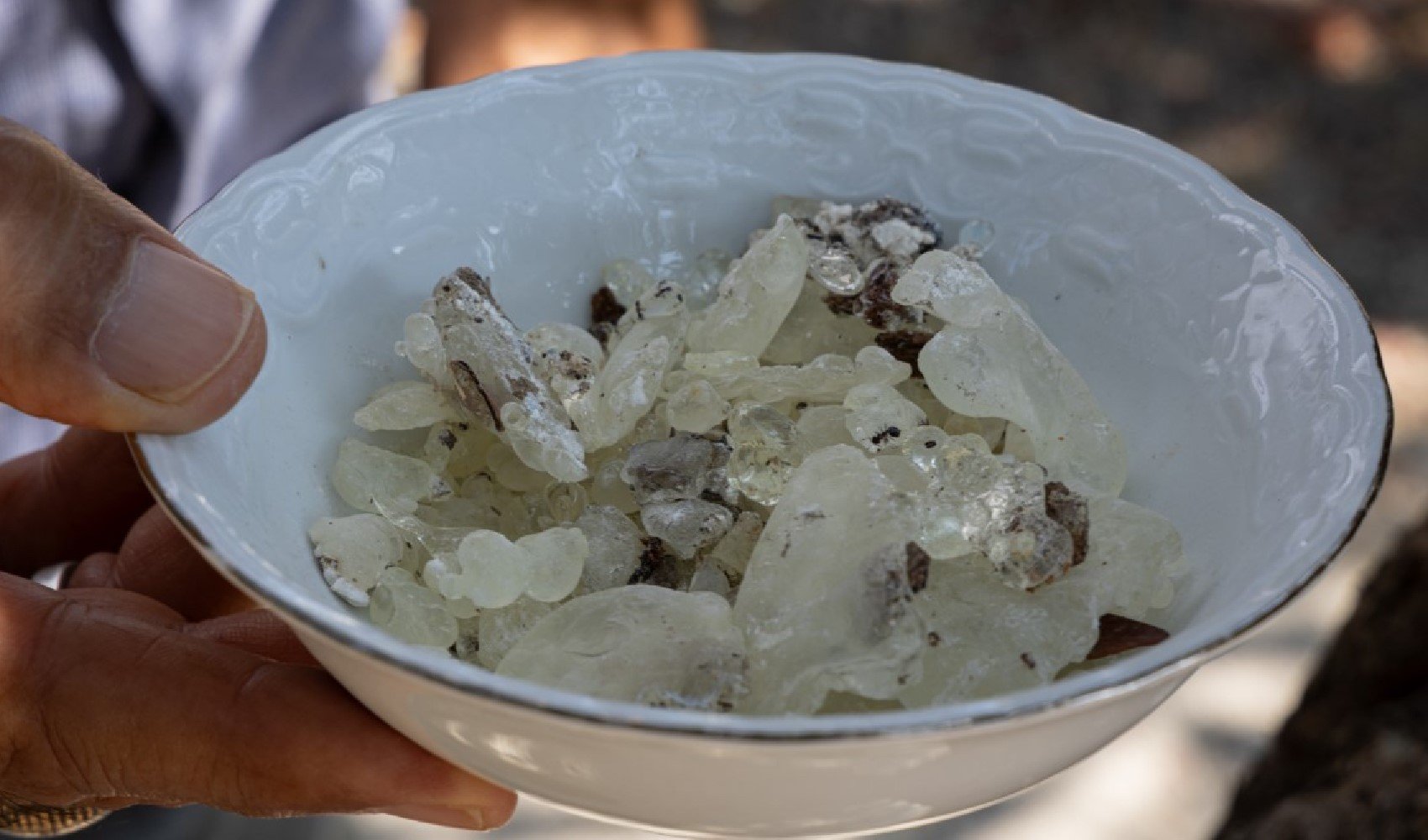
In addition to its pleasant aroma, mastic is drawing attention for its benefits in health and aesthetics. It is used as a sweetener in the food industry and in skin care products in the cosmetics sector. Çeşme aims to rival Greece's Chios Island by increasing its mastic production.
Producers continue to develop various projects to expand the number of mastic trees in Çeşme. It is planned that 200 thousand mastic saplings will be planted throughout the year. Mastic production holds strategic importance both in terms of revitalizing the local economy and increasing the region's agricultural potential.
 2 / 5
2 / 5
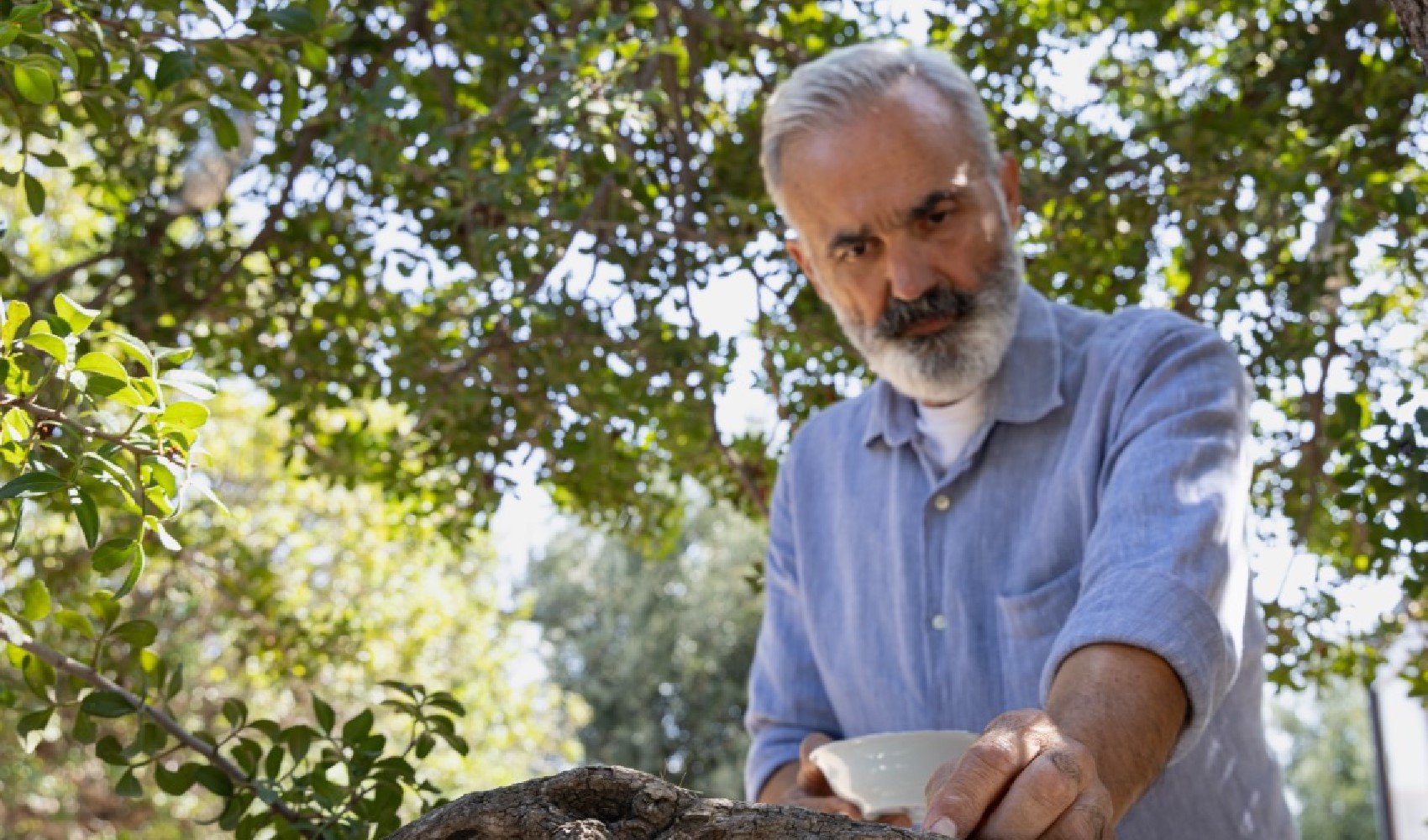
In Çeşme, with the spread of mastic trees, producers are preparing to plant 200 thousand mastic saplings. This initiative aims to dethrone Greece's Chios Island and become one of the regions with the highest mastic production in the world.
 3 / 5
3 / 5
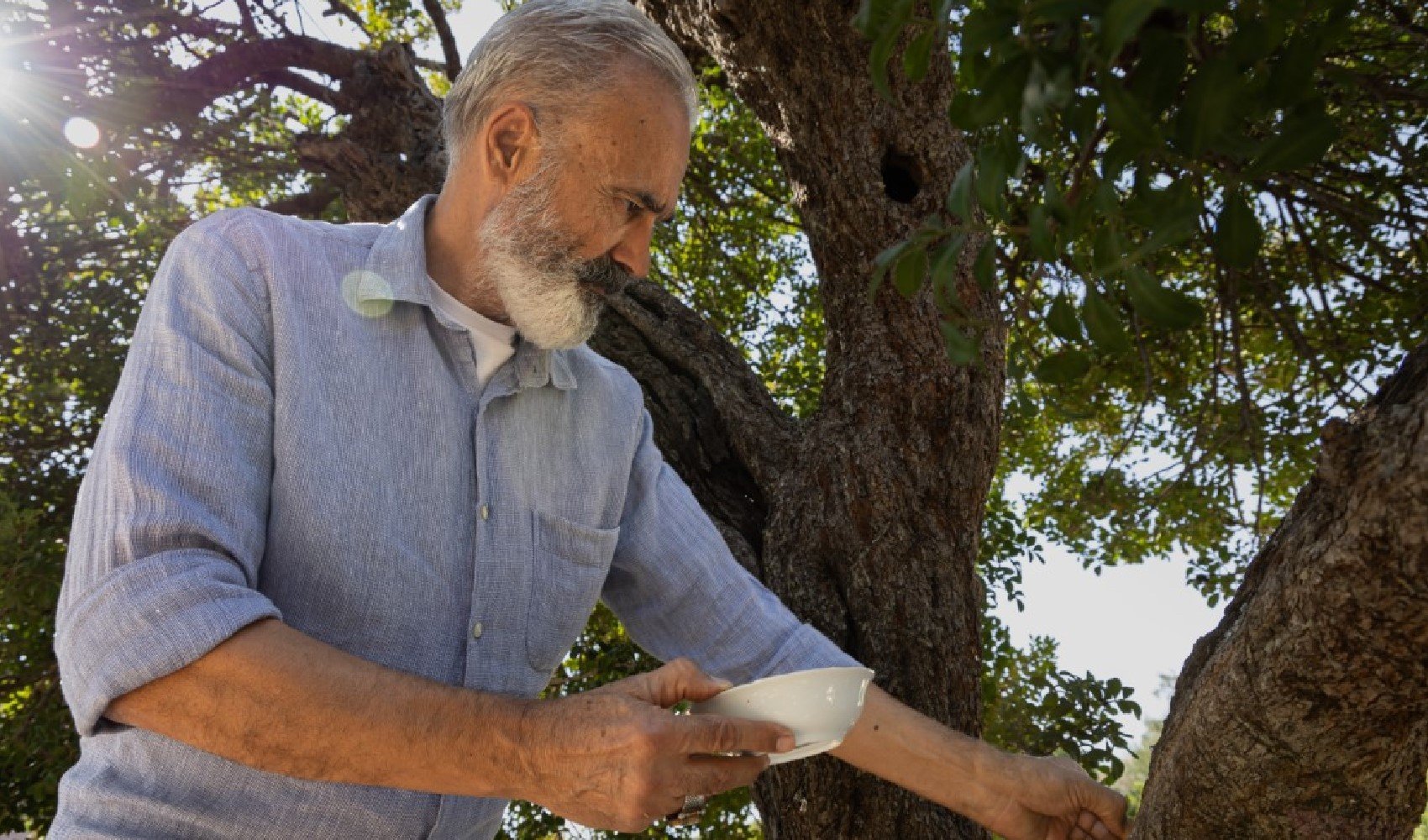
İbrahim Topal, who has been producing mastic gum in the district for 30 years, stated that they aim to meet the mastic gum needs not only of Çeşme but of all of Turkey. Explaining that they want to expand the cultivation of mastic trees, Topal said that 12 tons of mastic gum are officially imported from Greece's Chios Island every year, and that with a planned afforestation campaign, the country's needs will be met.
 4 / 5
4 / 5
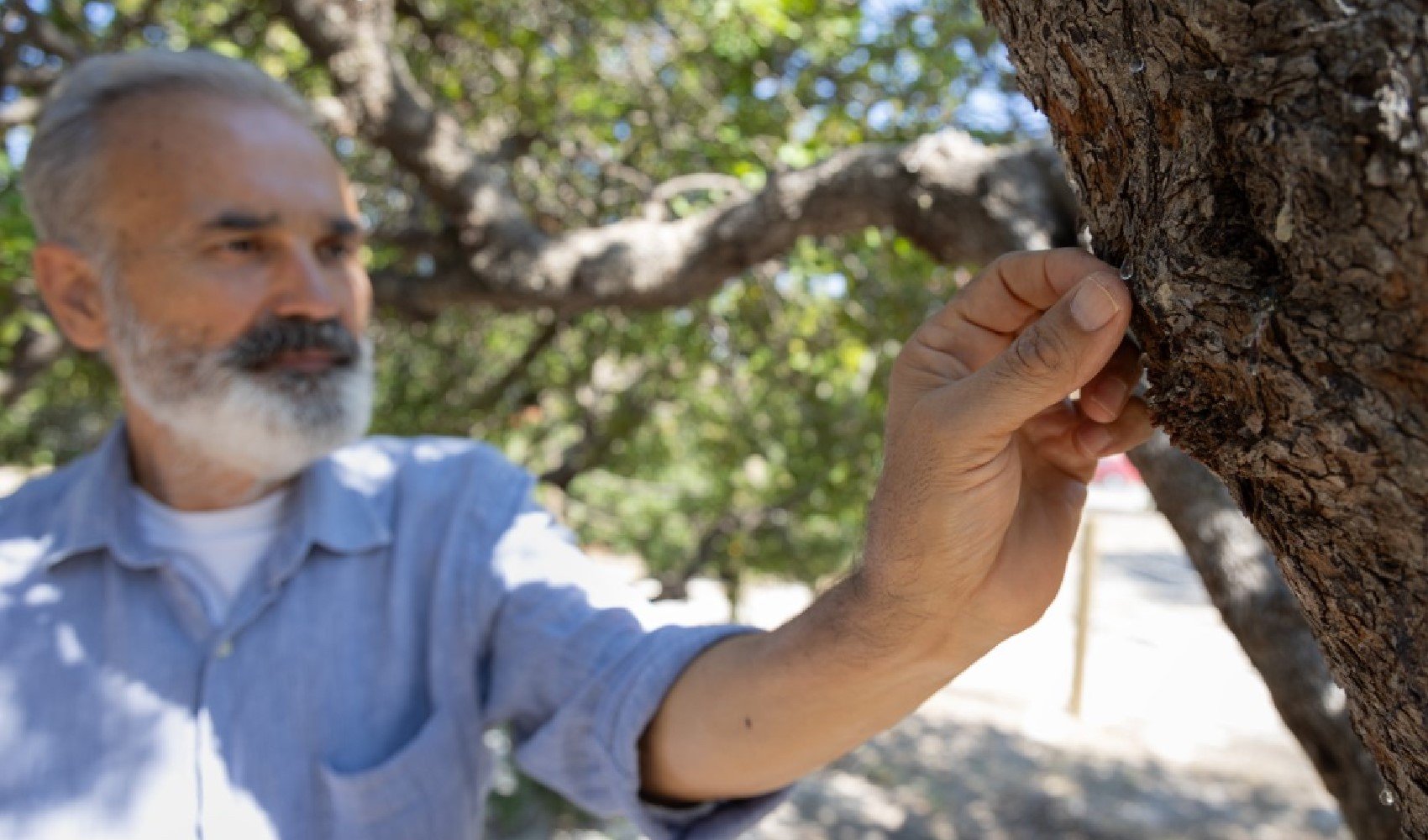
Topal stated, “There is nearly 100 kilograms of production in Çeşme, but this is not enough. Our goal is to produce as much as we consume. When I say produce as much as we consume, we import 12 tons of mastic gum from Chios every year. Including those who go there and shop through unofficial channels, we import around 20 tons of mastic gum. We pay around 250-300 million liras to Chios, and this meets the needs of the entire country. We want to produce this ourselves; that is our goal. To produce this, we need to plant 200 thousand trees. Until 5 or 10 years ago, 200 thousand trees was a very significant figure, but with the air layering method we use, it is no longer a problem. We can produce 15-20 thousand, or 25 thousand mastic trees per year. We want to turn this into a national mobilization. The mastic tree is a strategic project for our country.”
 5 / 5
5 / 5
Topal stated, "Mastic is not just used in gastronomy; it is not just for chewing. When you look at mastic, it is truly a strategic product used in the pharmaceutical industry, cosmetics, and the paint industry. This year, we want to plant 20 thousand saplings. If we view mastic as a national development project, we must produce and propagate the correct mastic tree. Chios Island has a surface area of 904 square kilometers, and 5 thousand families produce mastic across 22 villages. Our area, Çeşme, is only 250 square kilometers, and it could be grown in every part of it. Urla is 600 thousand square kilometers, Karaburun is the same, and it could also be grown in a part of Seferihisar, even if not of the same quality. In terms of potential for growing mastic, we have at least 5 times more land than Chios Island. We want and believe that mastic will become the main actor for Çeşme in both tourism and agriculture; in other words, it will be a locomotive. Tourism can also go hand-in-hand with mastic. In that sense, there is great benefit in planting mastic trees on lands that are under state monopoly."
News Source : İHA









