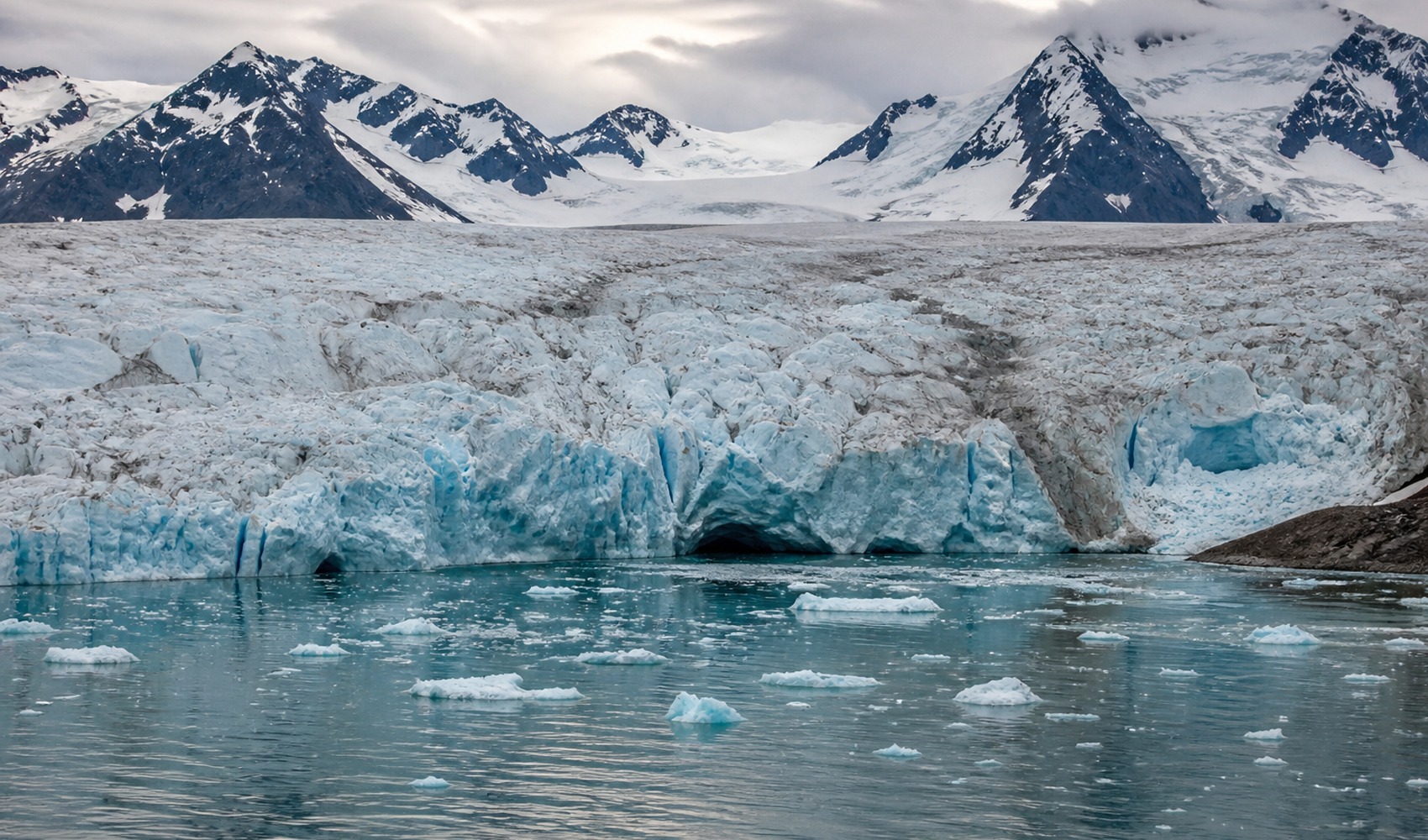
A new UN-backed report has warned that even a short-term breach of the 1.5-degree threshold in global warming could have permanent consequences for the world's icy regions. The report, prepared by the International Cryosphere Climate Initiative and the United Nations Environment Programme, emphasized that the cryosphere—which includes glaciers, polar ice sheets, sea ice, and permafrost—is one of the most sensitive parts of the climate system.
The study, signed by 80 scientists, stated that the approach suggesting a "temporary overshoot" of the Paris Climate Agreement's 1.5-degree target is manageable carries serious risks. According to the report, the planet has already warmed by approximately 1.3 degrees compared to the pre-industrial era.
TEMPORARY OVERSHOOT RISK
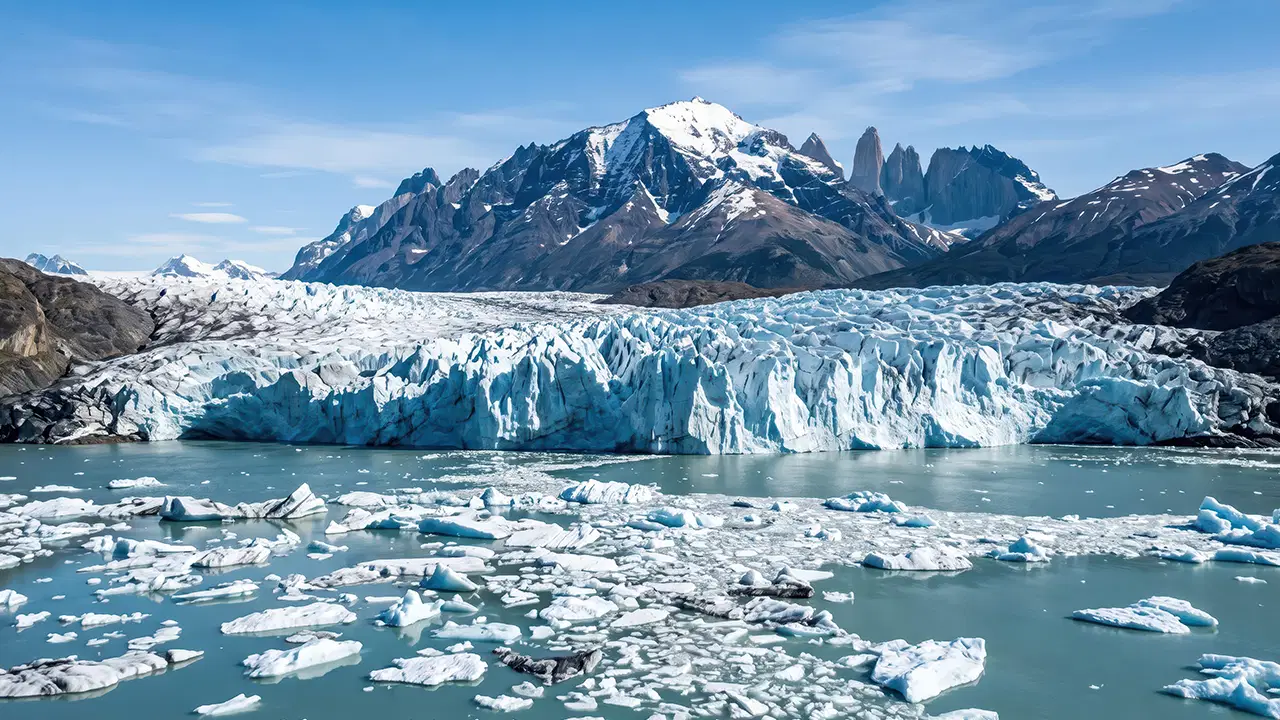
The report stated that temperatures should remain above the 1.5-degree threshold for the shortest time possible. According to experts, if tipping points in the cryosphere are crossed, some changes could become irreversible for centuries or even millennia.
Scientists state that in the long term, warming should ideally be brought back below 1 degree by the year 2150. To achieve this, it is noted that not only must emissions be reduced, but policies aimed at removing carbon from the atmosphere must also be accelerated.
While warning that current policies could lead to a global temperature increase of approximately 3 degrees, it was reported that such a scenario could melt almost all near-surface permafrost and lead to sudden disruptions in ocean circulation.
The report pointed out that ice sheets in Greenland and Antarctica are melting about six times faster today than in the 1990s. Glaciologist James Kirkham stated that examples such as the major avalanche disaster on the Nepal-China border and Switzerland losing 20 percent of its glacial ice in the last five years demonstrate the magnitude of the risk.
Climate analysts state that global emissions must be reduced by 18 percent by 2030 and by 45 percent by 2035 to ensure the temperature increase does not exceed 1.7 degrees. Otherwise, it is warned that a large portion of glacial mass could disappear in regions such as the Hindu Kush Himalayas, which are critical water sources for millions of people.
News Source: 12punto