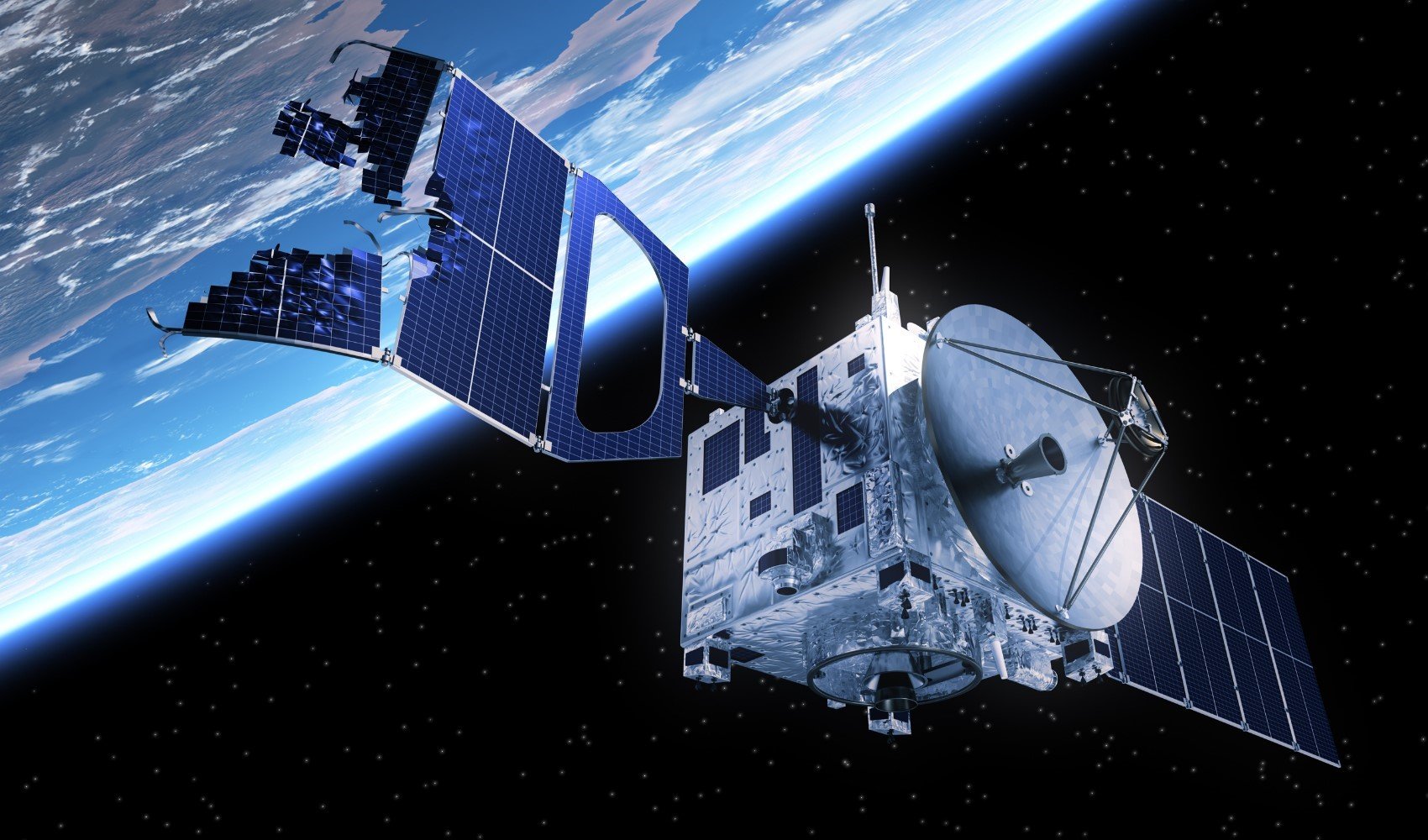
According to LeoLabs, a California-based company specializing in tracking and analyzing objects in low Earth orbit, this extremely close pass occurred around 10:30 a.m. Turkish time on Wednesday, as the two satellites were traveling at high speeds approximately 608 kilometers above Earth.
The satellites in question were NASA’s Thermosphere Ionosphere Mesosphere Energetics and Dynamics (TIMED) mission spacecraft, launched in 2001 to study the Sun and Earth’s upper atmosphere, and the Russian Cosmos 2221, a defunct defense satellite launched in 1992. LeoLabs reported that the two satellites came within 20 meters of each other. Given that the objects were moving at speeds of more than 28,165 kilometers per hour, this was, as the company stated, truly alarmingly close. The fact that neither of these spacecraft had maneuverability left observers on the ground with no choice but to watch helplessly, without the ability to intervene.
Darren McKnight, a senior technical fellow at LeoLabs, said in a statement, “It really, truly, the two satellites probably passed within 20 meters of each other,” and continued: “We track over 20,000 objects in low Earth orbit (LEO) using our 10-stage phased array radar across the globe. We are able to characterize and update the orbits of all these objects several times a day.”
In a statement released by NASA, it was acknowledged that a collision between the satellites would have caused a “significant amount of debris.” Such an event would mean a higher risk of further collisions in a large area of LEO, particularly affecting lower orbits frequently used by satellite constellations and crewed space missions.
Analyzing the potential impact of such a collision, LeoLabs suggested it could have created approximately 2,000 to 7,000 trackable fragments. This estimate takes into account the total mass, structure, relative velocity, and impact angle of the spacecraft. The company claims that as of February 15, there were approximately 12,000 fragments in LEO, and this event could have potentially increased that number by 50%.
Fortunately, as LeoLabs noted, such extreme close approaches are quite rare, and in the last two years, there have been only six incidents where the miss distance between “two intact, non-maneuverable objects” was under 20 meters. Nevertheless, this latest incident highlights growing concerns regarding space debris and the need for advanced tracking and mitigation strategies to ensure the safety of current and future space missions.
News Source: 12punto