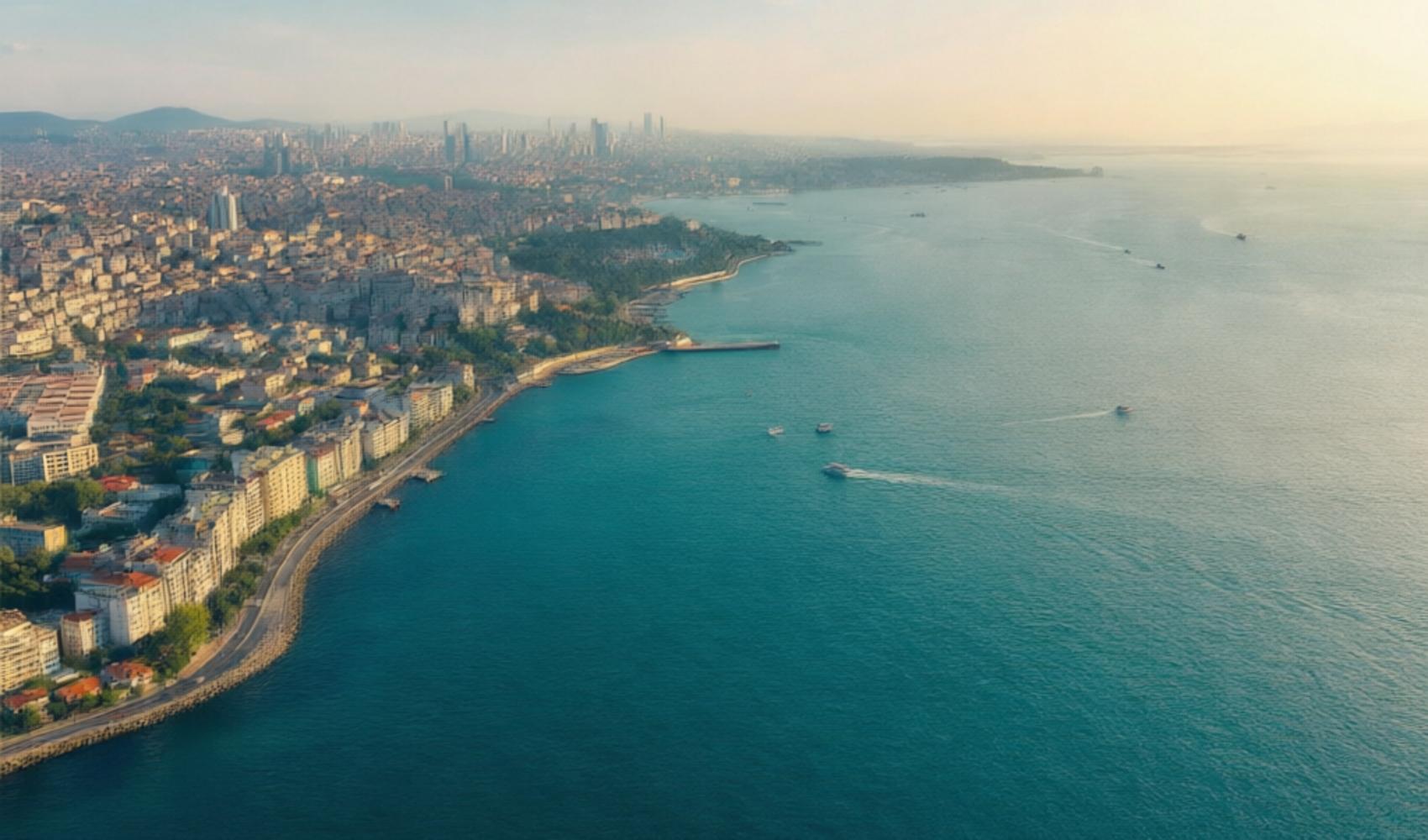
It has been reported that the sea water temperature in the Sea of Marmara has increased by 2.5 degrees Celsius compared to long-term averages over the last 50 years. Experts emphasize that this increase is one of the most striking findings among Turkey's seas.
While it is stated that an average increase of between 1.1 and 1.5 degrees Celsius has been recorded in sea water temperatures globally in recent years, the rise along Turkey's coasts is said to be higher in some regions. It is reported that the increase is in the 1.5-2 degree range in the Aegean and Mediterranean, and approximately 1.3 degrees in the Black Sea.
According to experts, the 2.5-degree increase in the Marmara points to a multi-faceted pressure that cannot be explained by climate change alone. In the Marmara, which is a semi-enclosed sea, wastewater discharges, pollution, and human-induced impacts are cited as factors that exacerbate the ecological consequences of the warming.
The warming of sea water also creates risks in terms of the proliferation of disease-causing microorganisms. Pointing out that pathogens such as Salmonella and cholera can increase under more favorable conditions, experts state that this situation should be monitored, especially in terms of coastal use and public health.
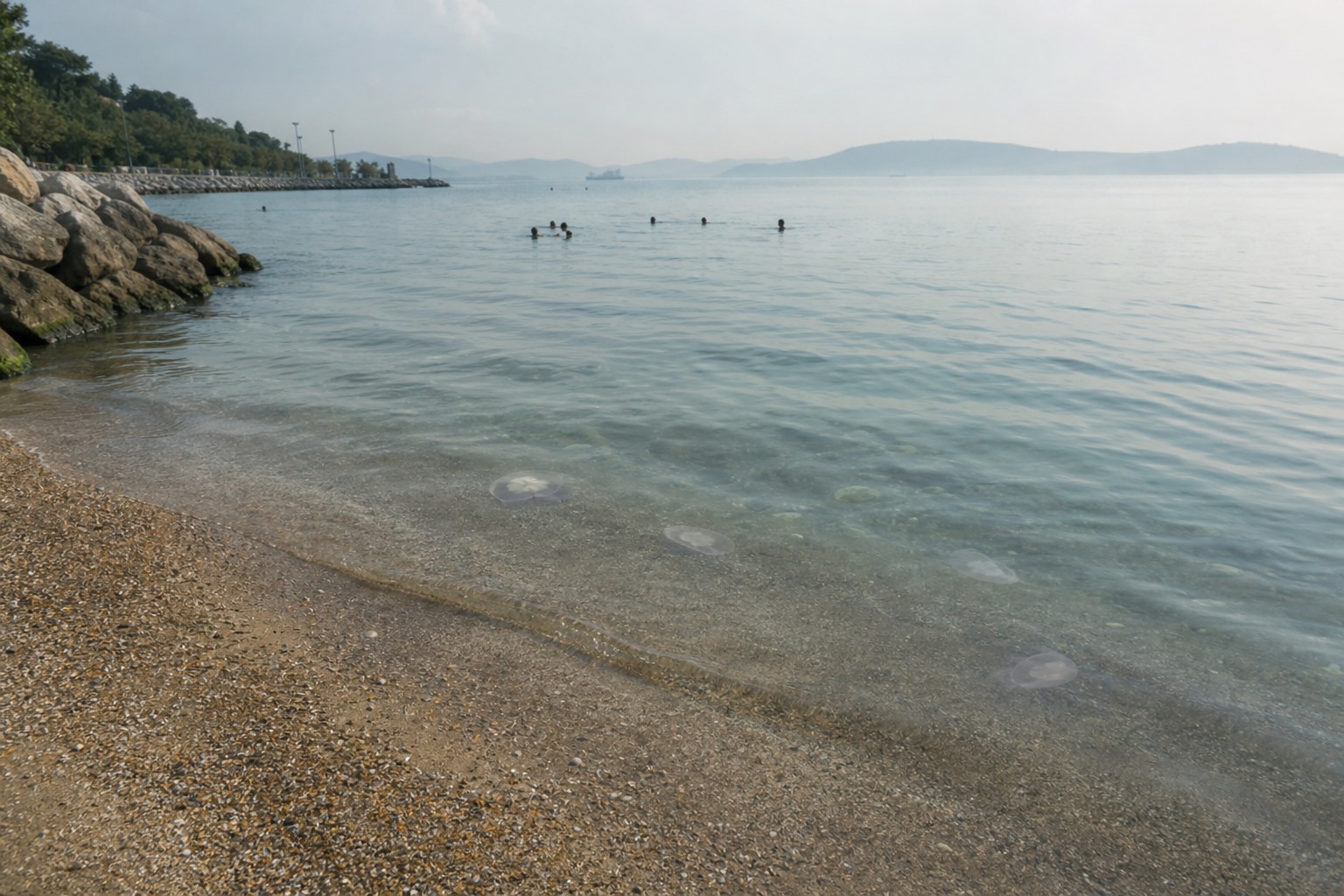
The effects on the ecosystem are also at the center of the warnings. The temperature increase can reduce the amount of dissolved oxygen in the sea; this narrows the habitats of oxygen-sensitive species while potentially paving the way for the spread of more resilient or invasive species. The increase in species such as pufferfish, lionfish, and jellyfish is being evaluated within this framework.
Experts state that this picture could also have consequences for food security and tourism. While the deterioration in the marine ecosystem can affect fish stocks and protein sources, the rising water temperature in the summer months can exceed the comfort range for those swimming in the sea. It is noted that temperatures above 29 degrees can reduce the cooling effect and create stifling conditions.
Recommendations for the Marmara include reducing emissions, transitioning to renewable energy, complying with fishing seasons, ensuring wastewater discharges are made only after advanced biological treatment, and expanding marine protected areas. Experts particularly point to the importance of protecting areas where seagrass meadows are located.
News Source: 12punto