 1 / 8
1 / 8
Stating that a strong immune system is critical to protect against influenza, which spreads rapidly in winter months, Acıbadem Taksim Hospital Nutrition and Diet Specialist Bensu Enyüksek says, “The influenza virus, which is easily transmitted through sneezing, coughing, talking, or touching infected surfaces, specifically targets individuals with weak immune systems. A sufficient, balanced, and varied diet plays a major role in a strong immune system. Nutrients taken into the body are necessary for the production, proliferation, and functioning of immune cells. Protein, vitamin, and mineral deficiencies leave the body vulnerable by reducing the production of immune cells and antibodies. At the same time, insufficient fiber intake and poor dietary habits also lower the body's resistance.”
 2 / 8
2 / 8
7 effective ways to strengthen immunity against influenza
CONSUME SUFFICIENT PROTEIN
Proteins are essential nutrients that enable the performance of many vital functions in the body. They increase the body's defense against diseases by rapidly activating immune cells. Among the richest food sources of protein, which are divided into two groups as animal and plant-based, are meat, chicken, fish, turkey, eggs, milk, yogurt, lentils, chickpeas, beans, nuts, wheat, rye, oats, and quinoa.
 3 / 8
3 / 8
DRINK PLENTY OF WATER
Adequate water consumption strengthens the immune system by ensuring the transport of oxygen and nutrients to immune cells and increasing energy production. It supports the removal of toxins from the body. If water consumption is insufficient, the production and effectiveness of immune cells decrease, toxins accumulate in the body leading to diseases, the risk of flu increases as respiratory tracts dry out, and digestive problems occur. The body becomes vulnerable to infections, viruses, and bacteria. Therefore, it is necessary to take care to drink enough water every day. You can calculate the amount of water you need to drink by multiplying your weight by 30 ml.
 4 / 8
4 / 8
CONSUME PLENTY OF VITAMIN C
Vitamin C, which supports the immune system and is a powerful antioxidant, contributes to the protection of cells and the longer-lasting function of immune cells by neutralizing free radicals in the body. For this reason, foods such as oranges, tangerines, lemons, kiwis, pineapples, rosehips, red and green peppers, broccoli, cauliflower, cabbage, Brussels sprouts, spinach, parsley, and arugula should be consumed.
 5 / 8
5 / 8
STAY AWAY FROM PROCESSED FOODS
Processed foods contain high levels of sugar, salt, additives, preservatives, and saturated fats, and these substances disrupt the immune system, leaving the body vulnerable to viruses. At the same time, they cause a decrease in beneficial bacteria and an increase in harmful bacteria in the gut flora. Therefore, instead of packaged snacks, sugary, carbonated drinks, and white flour, one should consume nuts, fruits, ayran, and whole grain foods.
 6 / 8
6 / 8
HAVE YOUR VITAMIN D MEASURED
Vitamin D increases the body's resistance by supporting the healthy functioning of immune cells, reduces inflammation, and provides protection against respiratory infections such as influenza, flu, the common cold, and pneumonia. Since sunlight is the most important factor in the synthesis of vitamin D in the body, you can have your vitamin D levels measured during the winter months when sunlight decreases and, if your doctor deems it necessary, take vitamin D and fish oil supplements. At the same time, fatty fish (salmon, sardines, etc.), liver, egg yolk, mushrooms, and milk and dairy products also help meet our body's need for vitamin D.
 7 / 8
7 / 8
CONSUME ZINC-RICH FOODS
While zinc enables the body to create a faster and more effective immune response against infections, it also increases the production of antibodies that fight against viruses and bacteria. Red meat, salmon, eggs, milk and dairy products, nuts, legumes, and whole grains are foods rich in zinc.
 8 / 8
8 / 8
BENEFIT FROM OMEGA-3 FATTY ACIDS
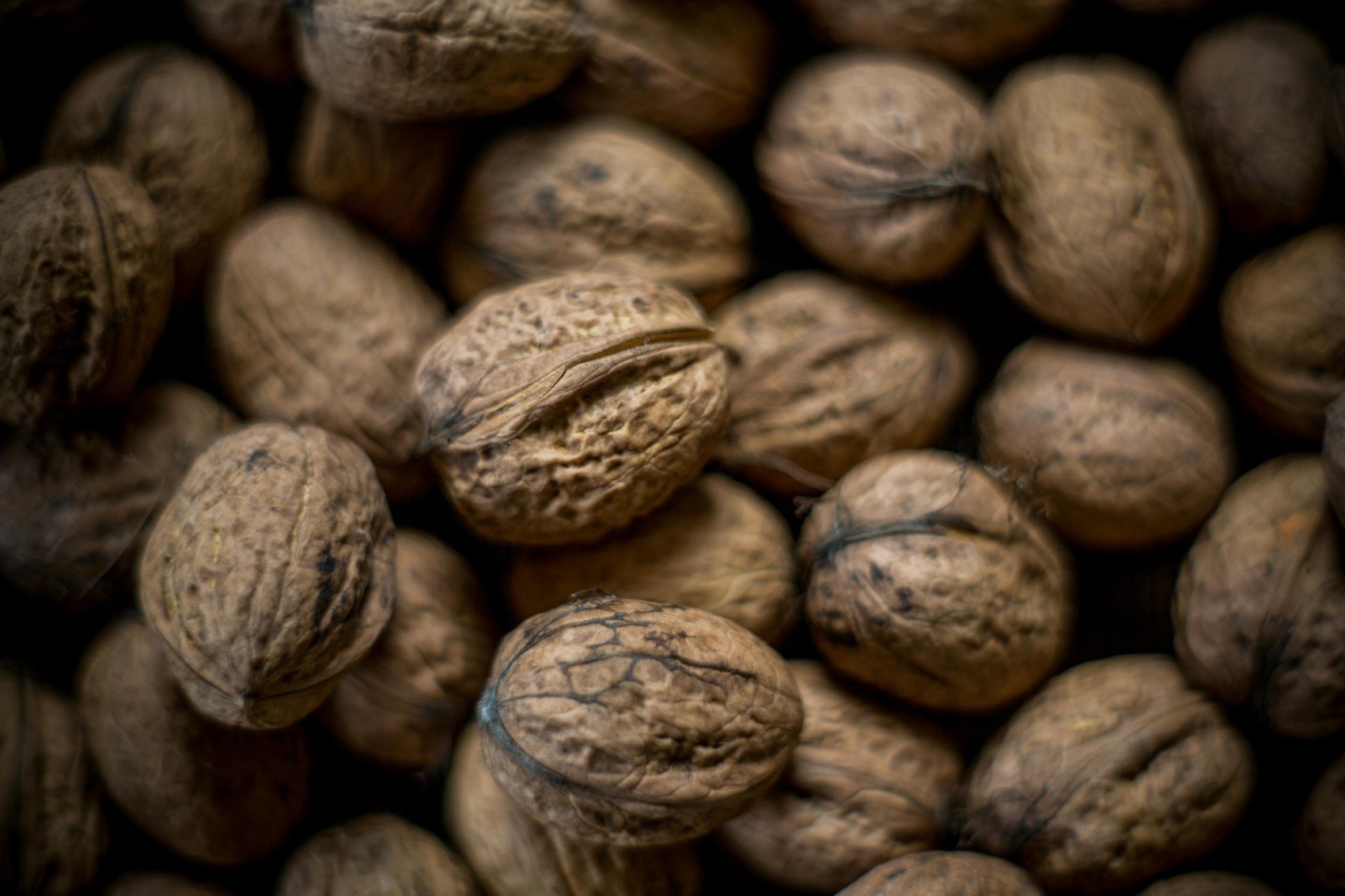
Omega-3 fatty acids are essential fats that cannot be produced by the body and must be taken from outside through food. They support general immune functions by strengthening immune cells and keeping inflammation under control. You can choose to consume fatty fish such as salmon, sardines, mackerel, tuna, and anchovies, as well as foods such as walnuts, flaxseeds, and avocados.
News Source : 12punto