 1 / 5
1 / 5
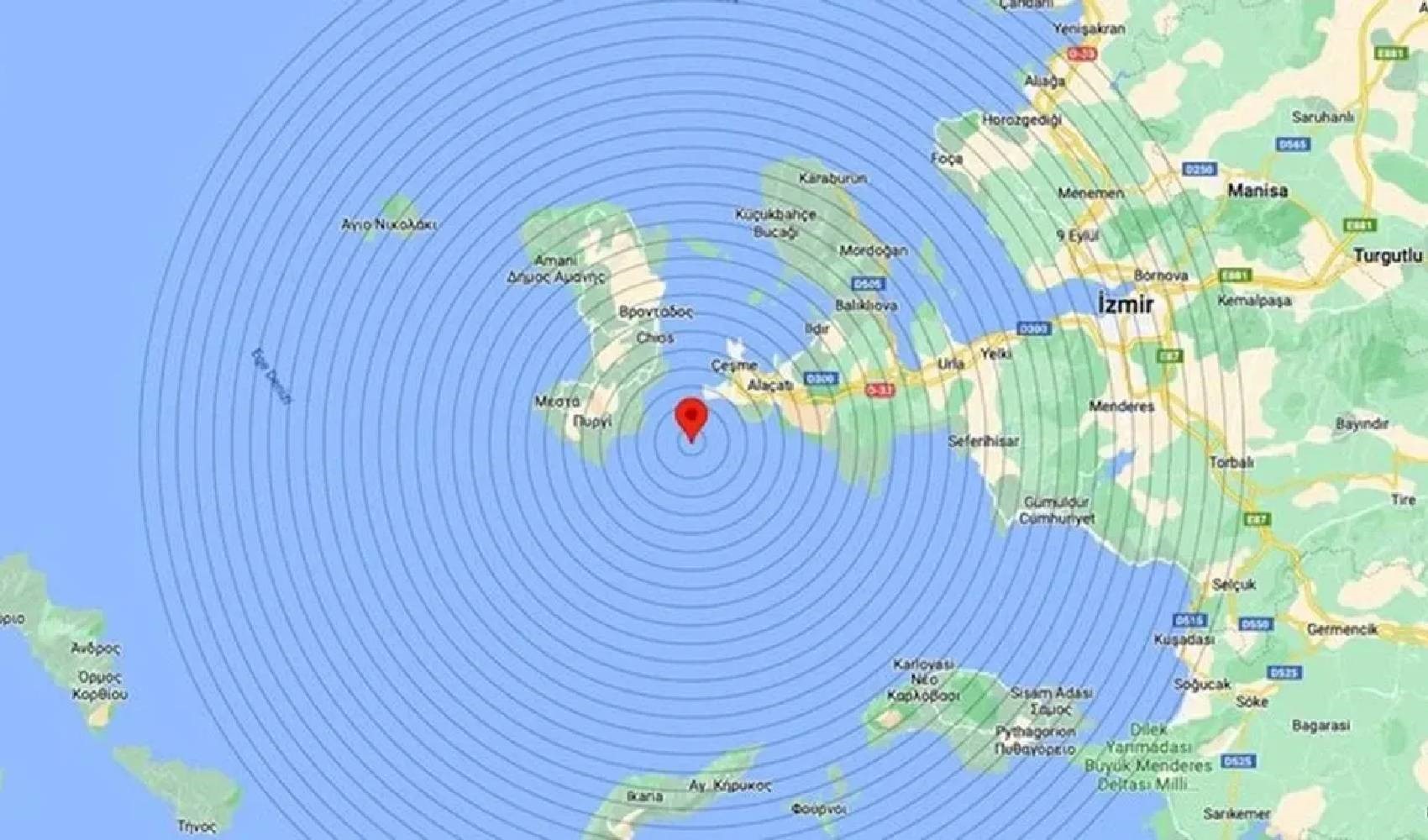
The toll of the seismic activity that has been ongoing in the Aegean Sea since January 28 has been revealed. According to AFAD data, 938 earthquakes have occurred since January 28. One of the tremors had a magnitude greater than 5.
At the same time, the AFAD-MTA Joint Preliminary Assessment Report was also published.
 2 / 5
2 / 5
The following statements were made regarding the Santorini Volcano:
"The Santorini volcano and its surroundings are an active volcanic complex, and its last known eruption occurred in 1950; one of its largest eruptions took place 3,600 years ago (1600 BC) during the Bronze Age. Fine-grained volcanic ash, which is a product of this eruption—also known as the Minoan eruption—has been detected in various regions of our country. The tsunami that formed after this eruption reached the coasts of our country. The Kolumbo volcano (Figure 4), located in the northeast of Santorini island in the region, is part of the Santorini Volcanic Complex, and its last activity occurred in 1650. It was effective due to pyroclastic flows, tsunamis, and gas emissions. The largest of the earthquakes that have been increasing in the region since January 28, 2025, has been recorded as 5.1 Mw, and it is currently continuing in the form of a rapidly increasing earthquake swarm."
 3 / 5
3 / 5
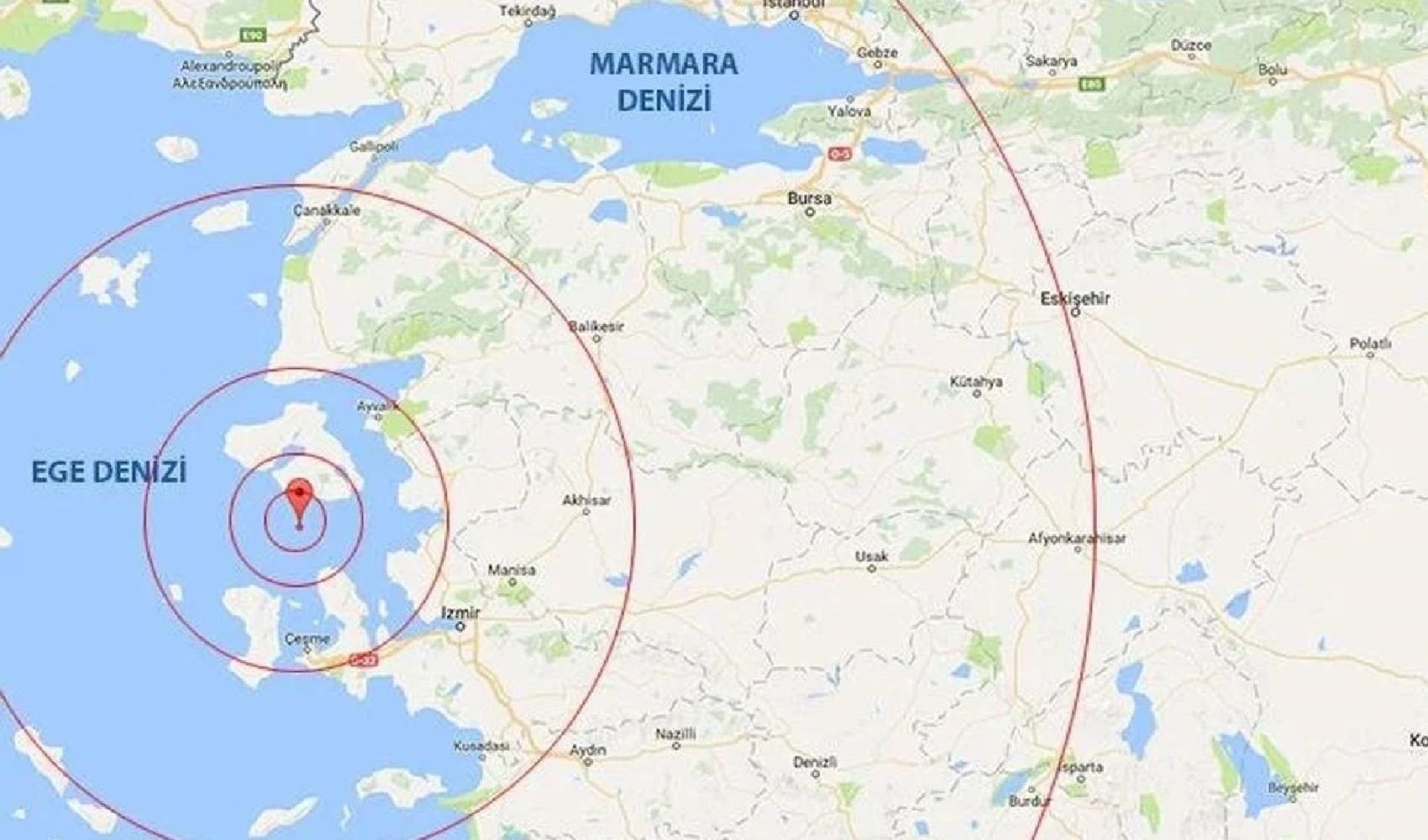
The earthquakes are continuing to increase in recent days in the region northeast of Santorini island, where underwater volcanoes are also located. Greek sources state that, according to initial examinations, the origin of the earthquakes is tectonic. However, volcanism and tectonism are geological events that are directly linked to each other. Just as seismic movements can develop in connection with a magma chamber, volcanism can also occur as a result of tectonic movements. For this reason, such earthquake swarms that have occurred in recent days should be followed carefully from both perspectives. There is a possibility that the ongoing seismic activity could lead to potential volcanic activity. However, a similar intensity of seismic activity was experienced in the same region for 14 months between 2011 and 2012, but it did not lead to any volcanic activity. In the event of possible volcanic activity in the region, volcanic activity may emerge depending on different geological characteristics such as the type of eruption, intensity, magma-water interaction, etc. The development of volcanic activity is evaluated in detail by looking at these characteristics. As a result of a possible eruption, the effects of hazards such as the transport of fine-grained volcanic ash material from the volcano by wind (the wind direction at the altitude reached by the eruption column controls the movement of the eruption cloud), pyroclastic flows that may develop depending on the height and collapse of the eruption column, and tsunamis that may occur after an eruption or earthquake, as seen in historical records, can reach our country. All these factors can manifest in different ways in different eruptions. For these reasons, the activity occurring in the Aegean Sea is being followed carefully in terms of earthquake, volcanic, and tsunami hazards."
 4 / 5
4 / 5
The following statements were included regarding the tectonic setting of the Santorini earthquakes:
"The seismic activity that has been occurring in the form of an earthquake swarm in the northeast of Santorini Island since January 28, 2025, is located in the environment known as the South Aegean Volcanic Arc (SAVA) (Figure 5). Within this geological environment, which has developed in an arc shape along the Athens, Santorini, and Bodrum line, there are numerous active volcanoes, such as Milos, Santorini, and Nisyros, that have erupted several times in the last 10,000 years. The back-arc environment between the SAVA and the North Anatolian Fault in the north is deforming under the influence of extensional tectonics. Passing to the south of the SAVA is the Aegean Subduction Zone (ASZ), which forms the boundary between the Aegean-Anatolian Plate and the African Plate. Along this zone, the African Plate is subducting beneath the Aegean-Anatolian Plate at a rate of 20 mm per year. The Santorini earthquakes are occurring at shallow depths (5-25 km) within the Aegean plate, and it is understood that this earthquake activity is not yet accompanied by deeper-focus earthquakes."
 5 / 5
5 / 5
In the published report, it was stated: "The AFAD Earthquake Advisory Board, our country's scientists, and researchers are monitoring the seismic activity in its various aspects in coordination with AFAD. Do not give credence to speculative posts made on social media outside of the statements made by official institutions."
News Source : 12punto