 1 / 5
1 / 5
With the winter season starting in December and ending in February, these extreme weather conditions often lead to people getting sick due to low metabolism and low immunity.
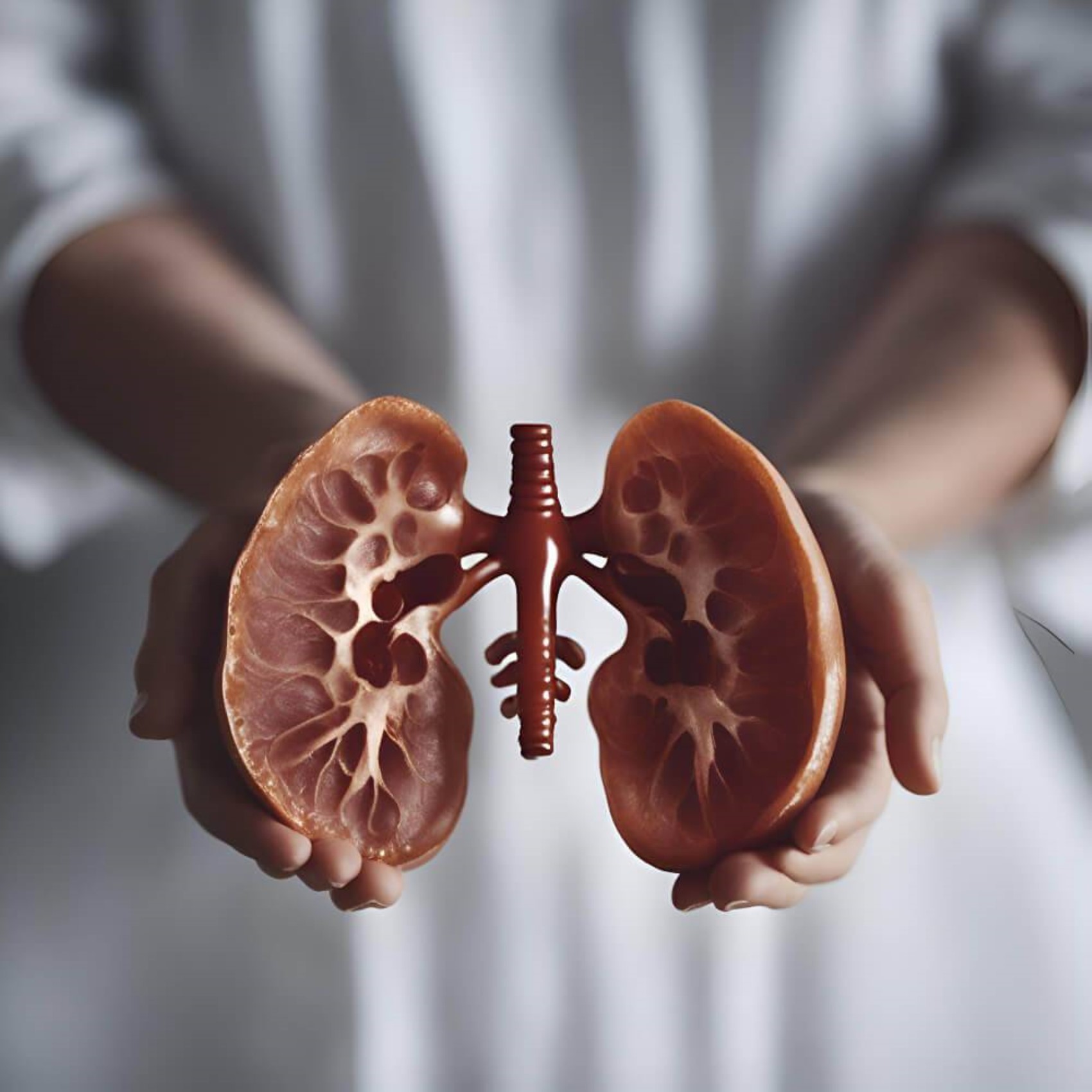
One such health issue that affects the body during the winter months is kidney stones.
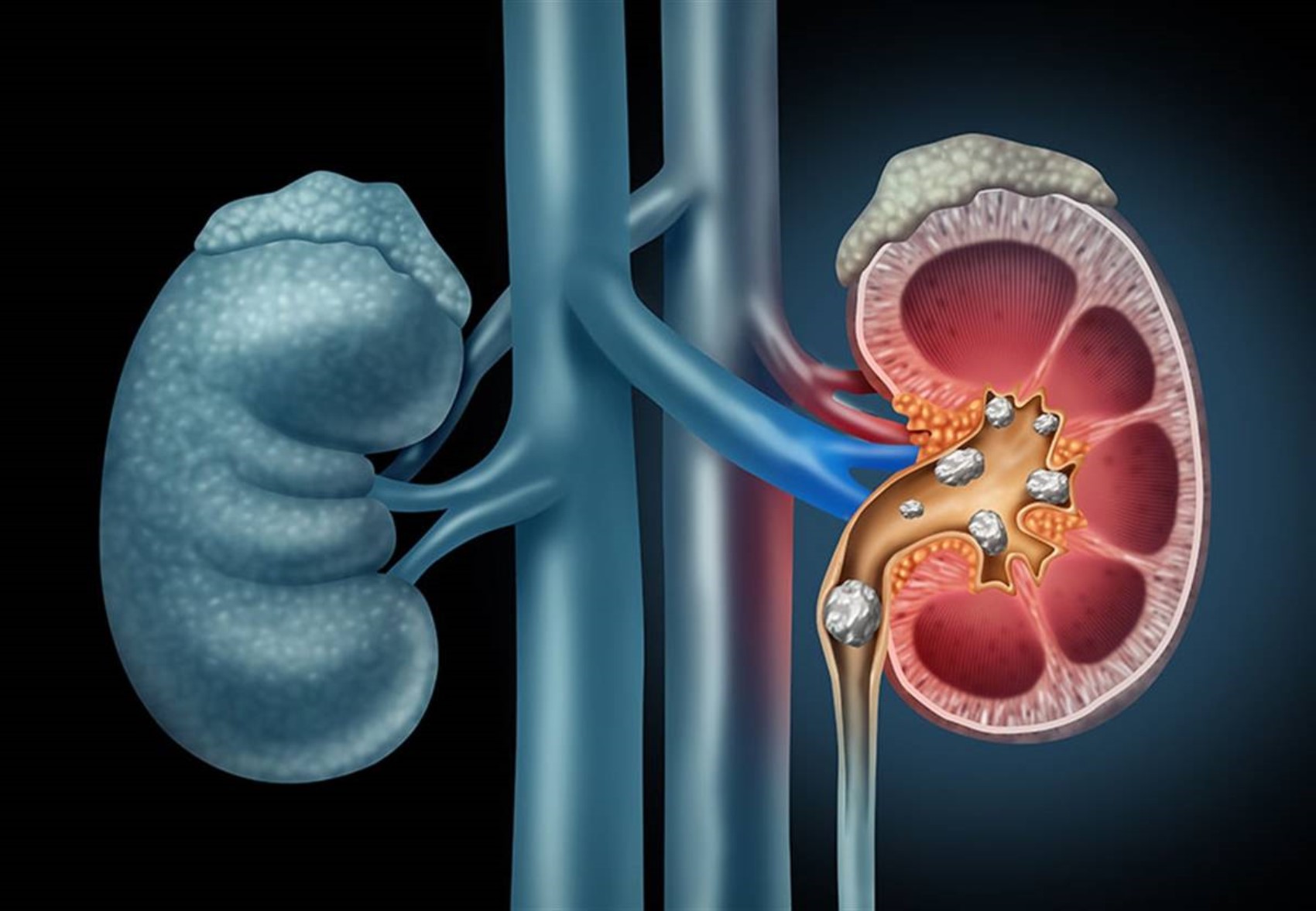
They form when urine becomes concentrated, allowing minerals and salt to crystallize, which eventually leads to the formation of kidney stones.
Usually, kidney stones do not cause symptoms until they reach the ureters, the tubes that connect the kidneys to the bladder. In other words, the body does not yet feel the pain.
However, when a formed kidney stone enters the ureters, it can cause severe pain, block urine flow, and lead to kidney swelling.
 2 / 5
2 / 5
The passage of kidney stones through the ureters can be extremely painful, but timely diagnosis and treatment can help minimize complications and support recovery. The symptoms of kidney stones can vary depending on the severity of the condition.
WHAT ARE THE SYMPTOMS OF KIDNEY STONES?
-Sharp pain under the ribs
-Fluctuating pain near the abdominal area
-Pain or burning sensation while urinating
-Vomiting
-Pink, red, or brown urine
-Fever
CONDITIONS THAT CAUSE KIDNEY STONE FORMATION
 3 / 5
3 / 5
LOW METABOLISM
Reduced physical activity in winter leads to a lower metabolism, eventually resulting in weight gain and an increased chance of developing kidney stones.
VITAMIN D DEFICIENCY
Vitamin D deficiency or limited exposure to sunlight also increases the risk of developing kidney stones.
POOR DIET
Consumption of foods rich in animal protein such as sodium, red meat, and seafood, as well as foods rich in oxalates such as spinach, seeds, and grains, can lead to kidney stone formation.
DEHYDRATION
During the winter season, people often feel less thirsty, which reduces water intake. This can unintentionally contribute to kidney stone formation.
HOW ARE KIDNEY STONES DIAGNOSED? WHAT IS THE TREATMENT?
 4 / 5
4 / 5
First, the patient's medical history is taken into account. Based on this, doctors may recommend blood tests, urine tests, and imaging tests for accurate results.
After analysis, treatment options such as painkillers, ureteroscopy, shock wave lithotripsy—sound waves that break stones into smaller pieces—and medications that help prevent stone formation are recommended depending on the severity of the condition.
HOW TO PREVENT KIDNEY STONES?
Hydration is important for kidney stone prevention. Meeting the amount of water the body needs is the most effective and simple method to prevent kidney stone formation.
Water helps prevent minerals from crystallizing by diluting urine concentration.
DRINK PLENTY OF WATER
In winter months, drinking 8-10 glasses of water a day helps flush toxins from the body. Herbal teas and soups can also help prevent kidney stones.
GET NUTRIENT MINERALS FROM DIFFERENT SOURCES
Adopt a healthy and balanced diet by replacing animal protein with plant-based protein such as beans, chickpeas, soy milk, and tofu.
Consuming citrus fruits such as lemons and oranges helps prevent kidney stone formation.
 5 / 5
5 / 5
STAY FIT WITH PHYSICAL EXERCISES
Doing 30 minutes of exercise such as walking, cycling, and running significantly improves kidney function.
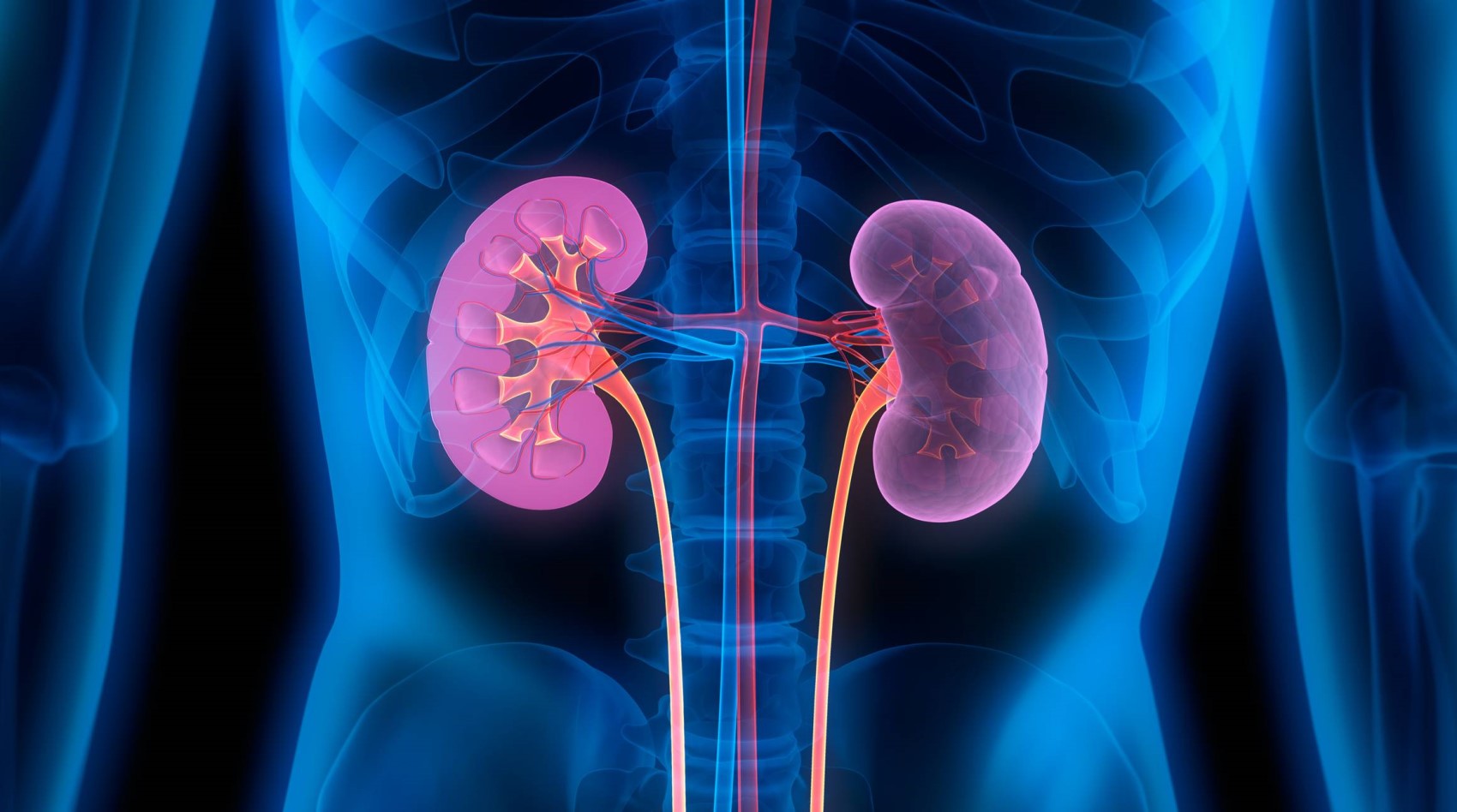
Preventing kidney stones in winter requires understanding the unique challenges of the season and taking proactive steps to protect kidney health.
TAKE GOOD CARE OF YOUR BODY
Following a healthy diet, staying hydrated, and engaging in physical activities minimizes the risk of kidney stone formation and helps maintain overall well-being during the winter seasons.
News Source : 12punto