 1 / 4
GOOGLE AD TRAP
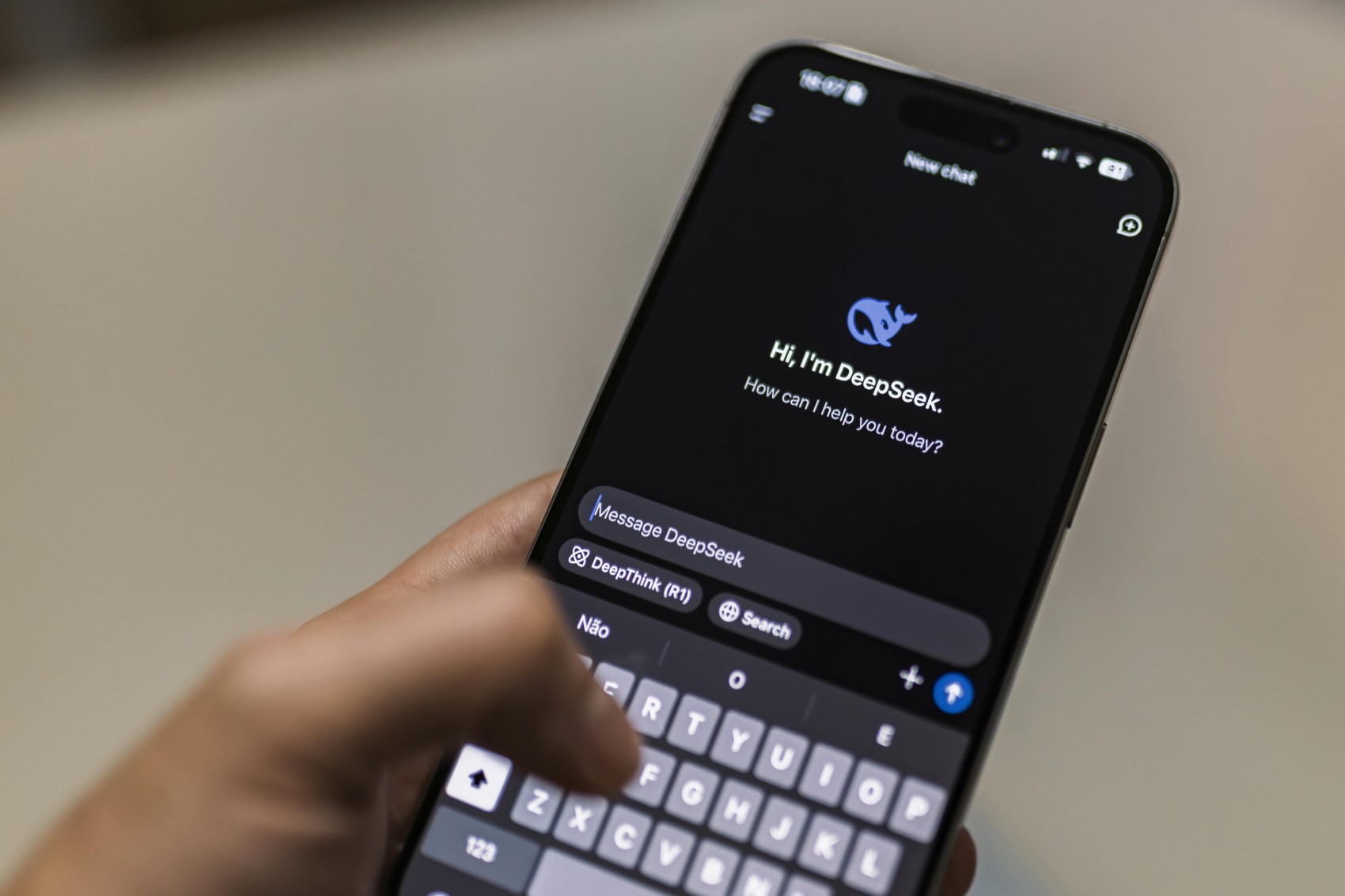
Kaspersky's Global Research and Analysis Team has detected a new malware campaign spreading through a fake 'DeepSeek R1 Large Language Model' application that claims to work offline on computers. This campaign directs users to a fake phishing site via Google ads.
 2 / 4
MAJOR RISK FOR WINDOWS USERS
When users search for 'deepseek r1', they are redirected to a fake site where their operating system is checked. If the system is Windows, the user is offered the option to download tools for offline operation. However, this process leads to the download of a malicious installer file.
 3 / 4
HOW IS THE MALWARE SPREAD?
This installer loads the malware onto the system alongside installers for legitimate applications such as Ollama or LM Studio. However, this process only occurs if the user profile has administrator privileges. Otherwise, the infection does not take place.
Once the installation is complete, all internet browsers on the system are configured to use a proxy controlled by the attackers. This allows users' browsing data to be monitored and sensitive information to be compromised. Kaspersky has named this malware 'BrowserVenom'.
 4 / 4
WHAT PRECAUTIONS SHOULD BE TAKEN TO STAY PROTECTED?
To protect against such threats, Kaspersky recommends carefully checking website addresses, downloading offline LLM tools only from official sources, and using reliable cybersecurity solutions. It is also emphasized that Windows should not be used with a profile that has administrator privileges.
Kaspersky Security Researcher Lisandro Ubiedo stated that while running large language models offline offers privacy advantages, these models can pose risks if proper precautions are not taken. Ubiedo emphasized that cybercriminals are exploiting the popularity of open-source AI tools to distribute fake installers and malicious packages that jeopardize users' sensitive data.
News Source : 12punto