 1 / 28
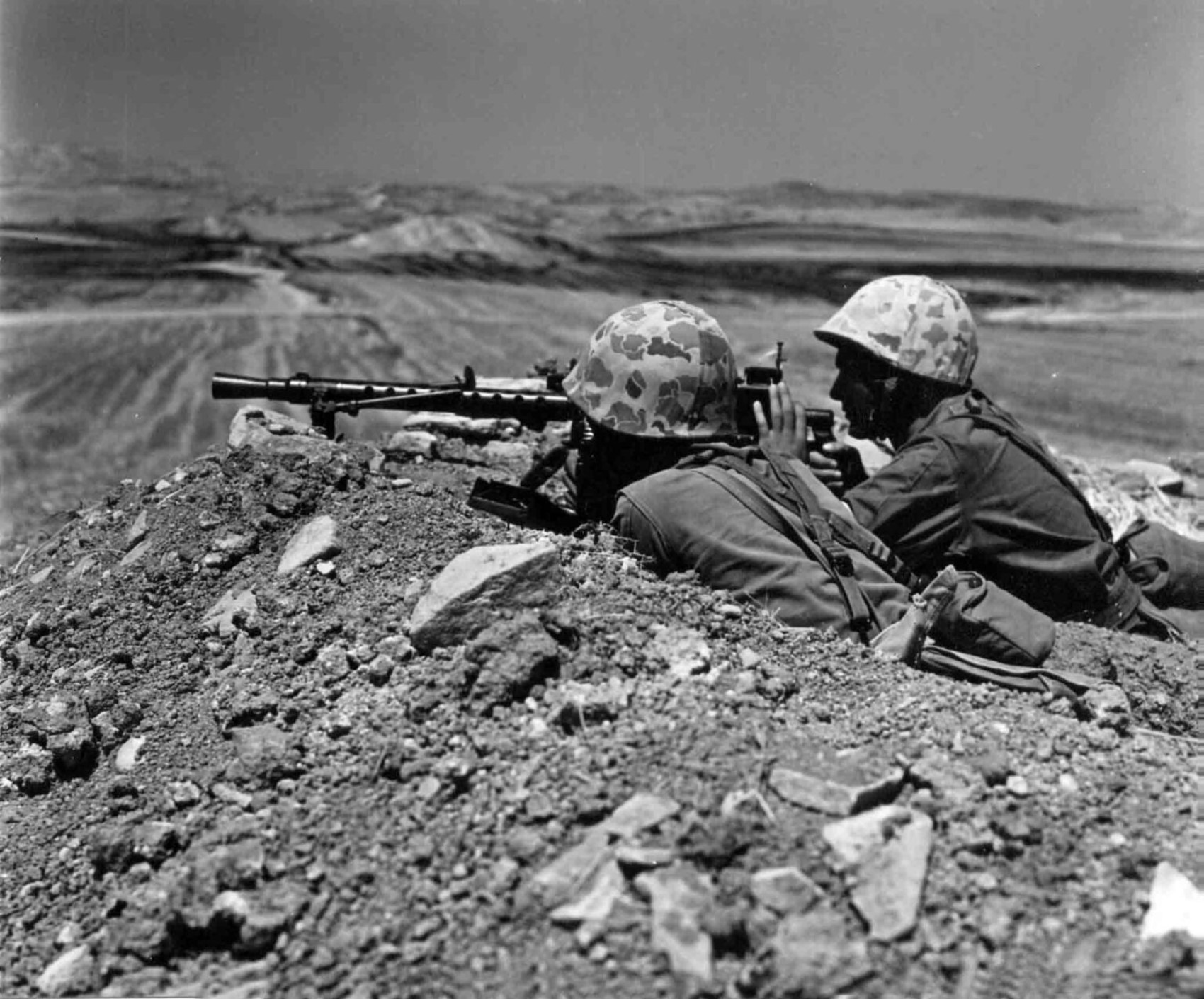
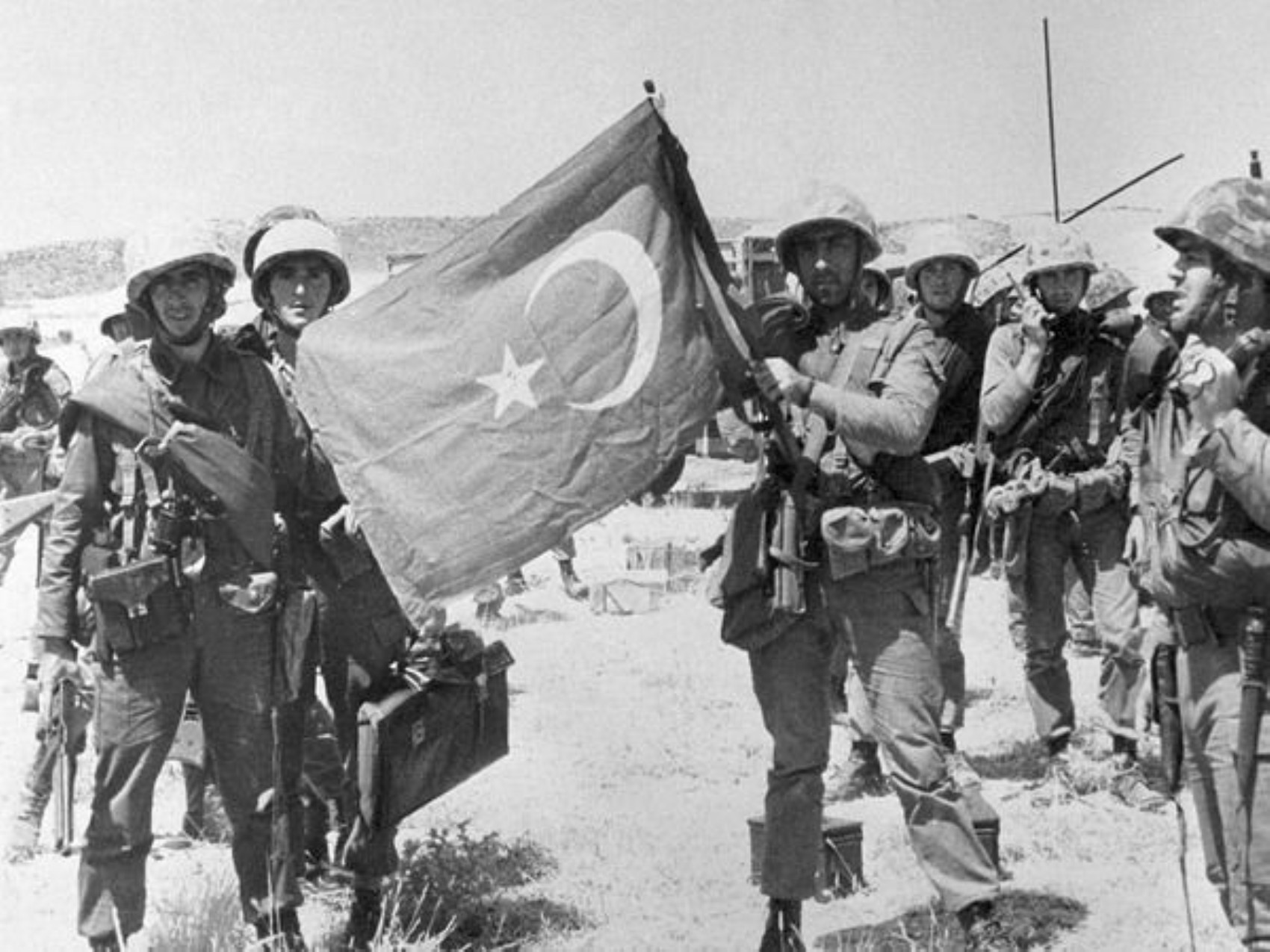
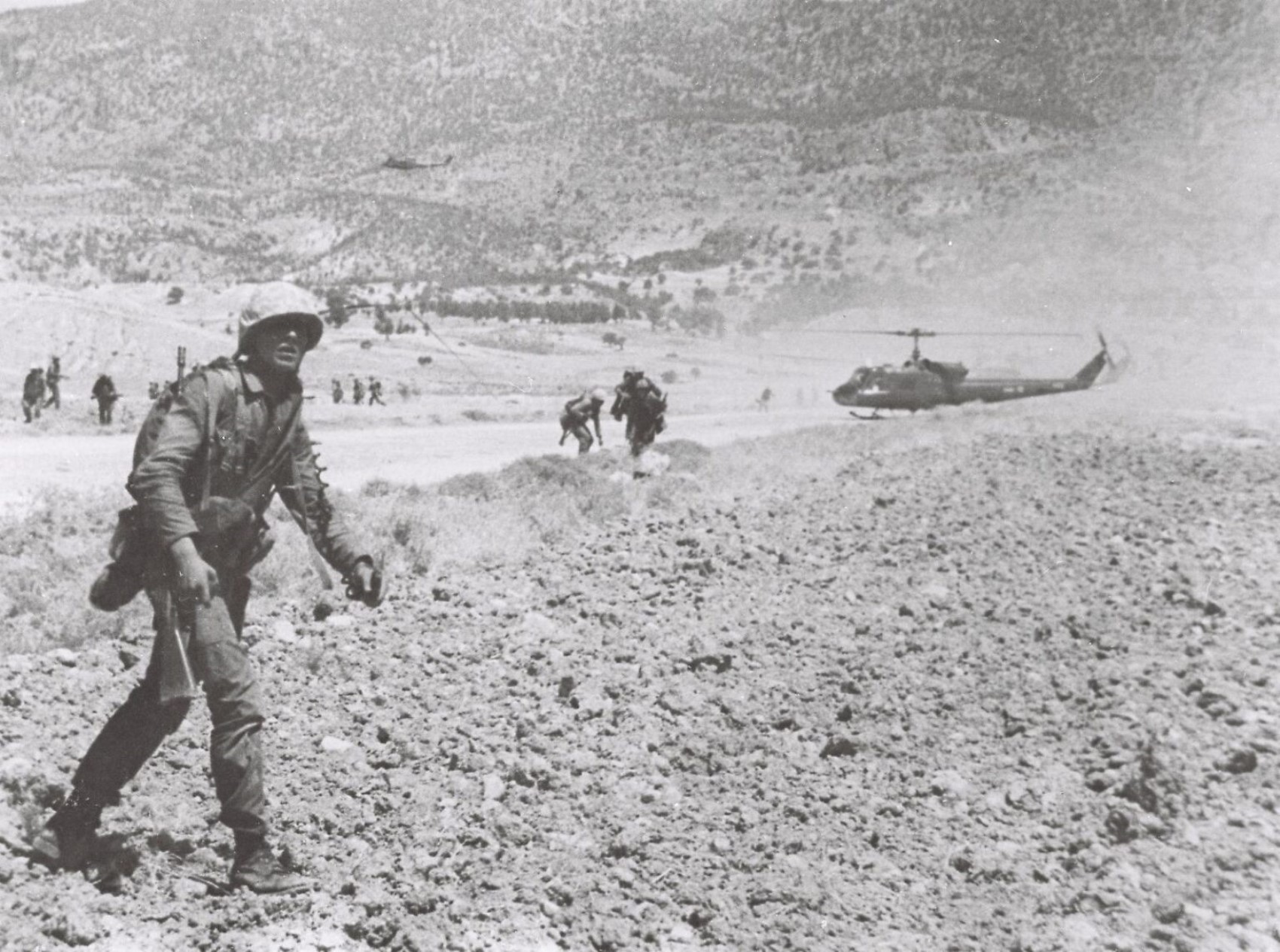
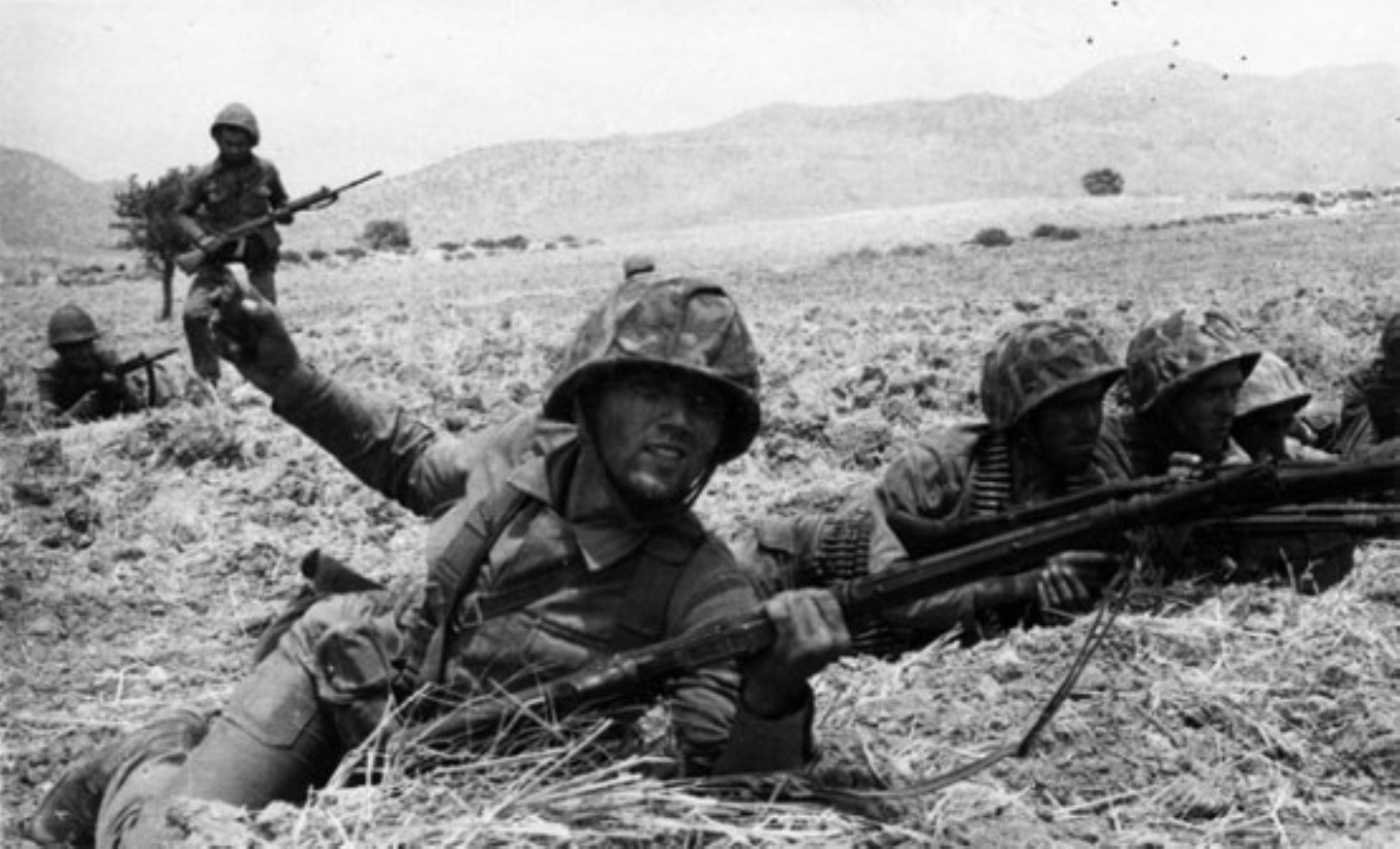
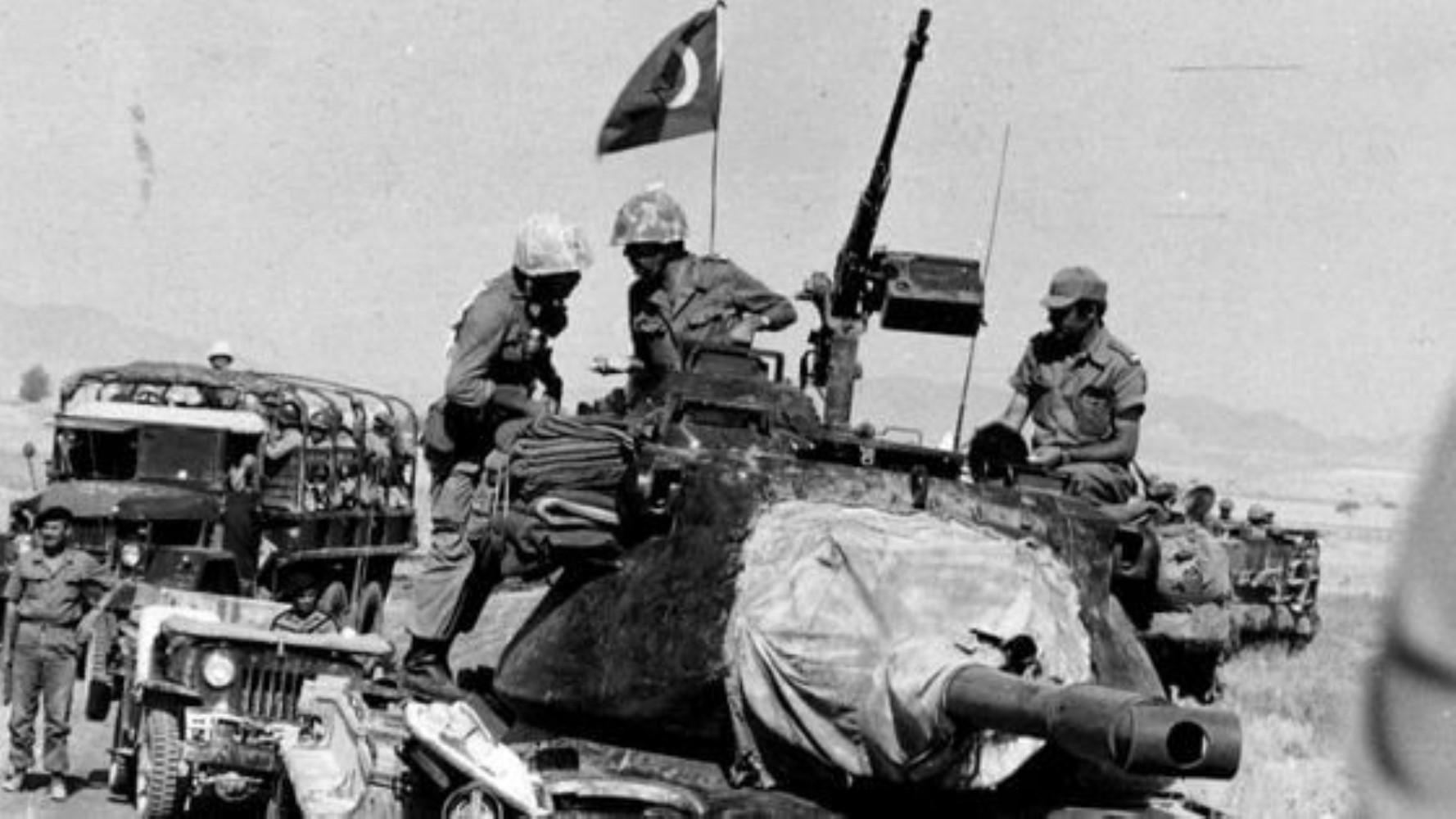
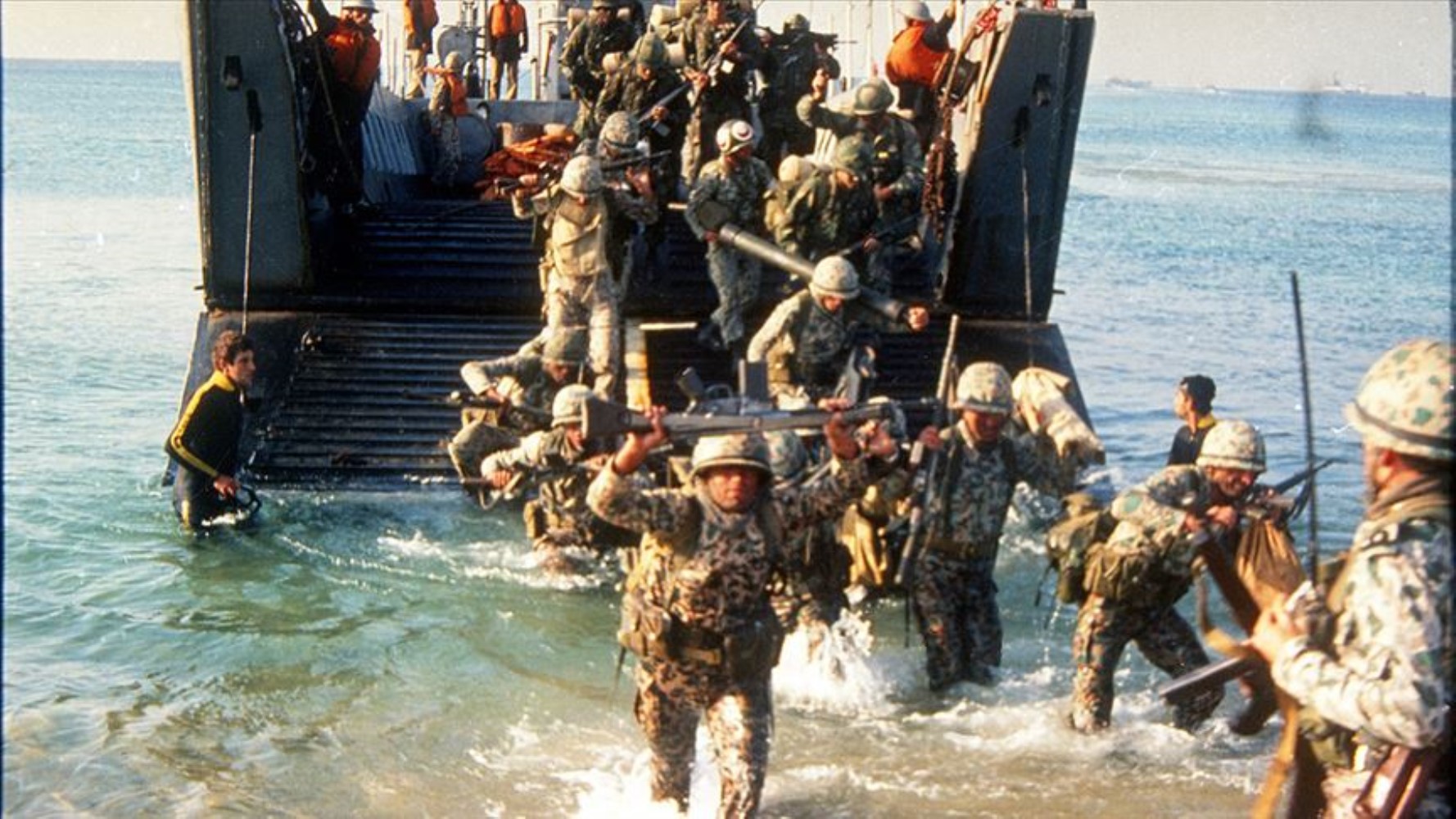
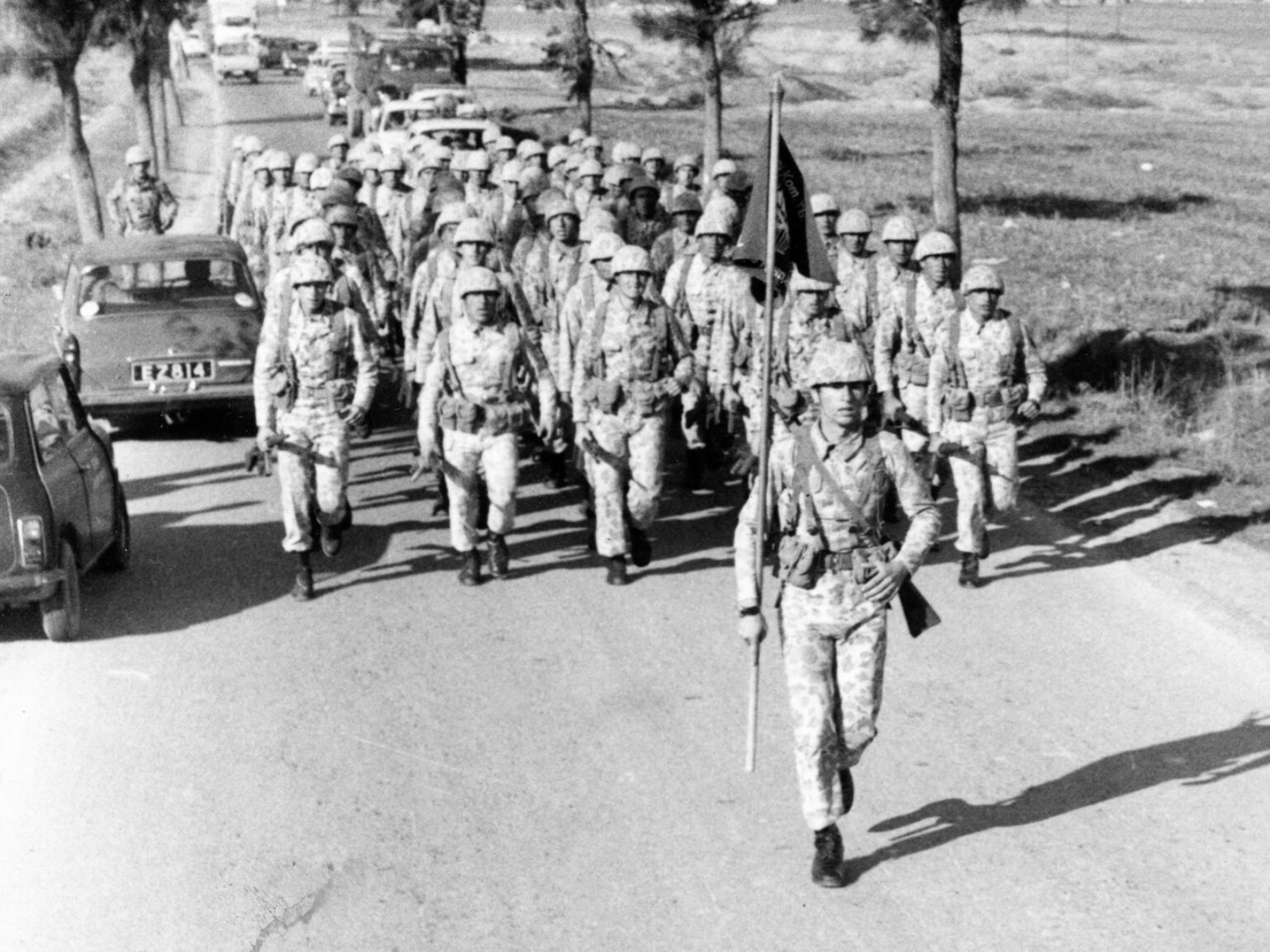
Turkey launched the Cyprus Peace Operation on July 20, 1974, by exercising its right as a guarantor and taking into account the security of the Turks on the island.
 2 / 28
Turkey, which called on the United Kingdom and Greece to "begin negotiations to ensure the restoration of peace" through a United Nations Security Council resolution, halted the operation on July 22.
 3 / 28
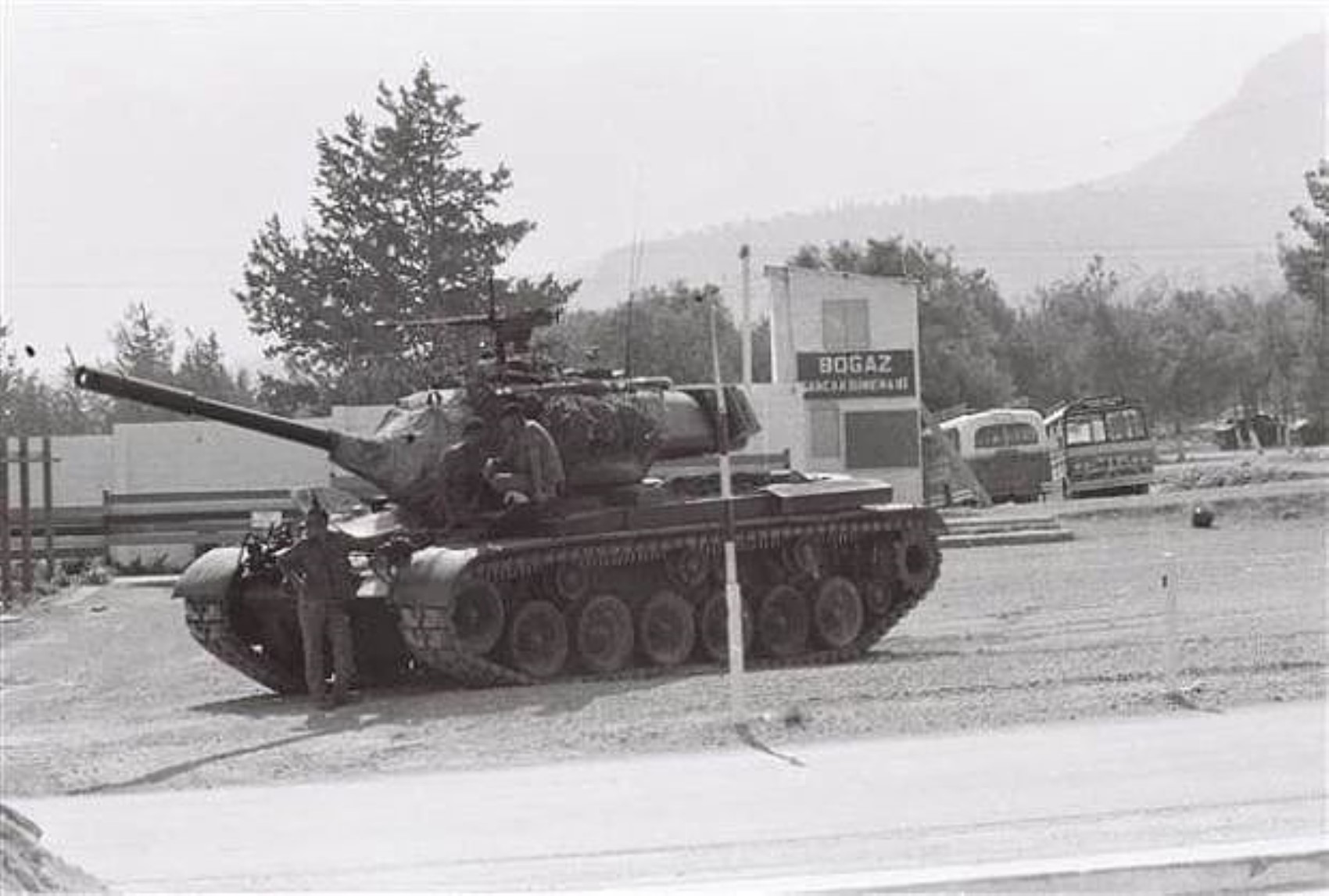
Guarantor countries began negotiations for a resolution to the Cyprus issue. The 1st Geneva Conference, which convened on July 25, 1974, concluded with the Geneva Declaration on July 30. During the second phase of the conference, which began on August 8, Greece rejected all proposals for establishing a new constitutional order on the island and put forward the withdrawal of Turkish troops as a precondition for any agreement on a constitution. When no results emerged from the 2nd Geneva Conference talks, the second phase of the Cyprus Peace Operation began on August 14 with the code phrase "Ayşe should go on vacation," and a ceasefire was declared on August 16.
 4 / 28
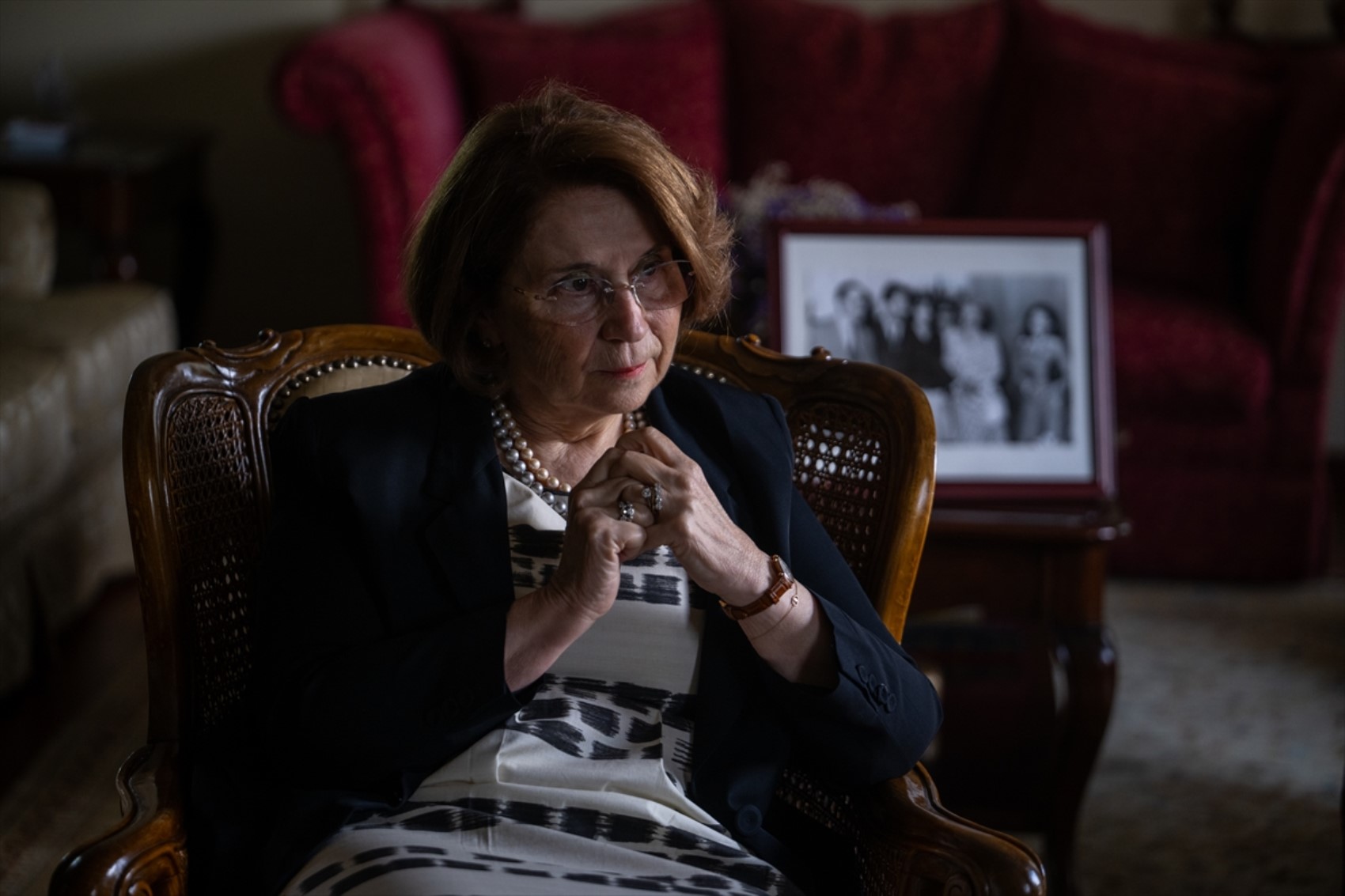
Prof. Dr. Ayata, whose name was mentioned in the password, was a 19-year-old student in the Department of Social Sciences at METU.
A conversation between the then-Minister of Foreign Affairs Turan Güneş and the then-Minister of Tourism Orhan Birgit, regarding the need for Güneş's daughter Ayşe to travel for her vacation with a reliable family rather than alone, suddenly became the password for the Cyprus Peace Operation on the Geneva-Ankara line.
 5 / 28
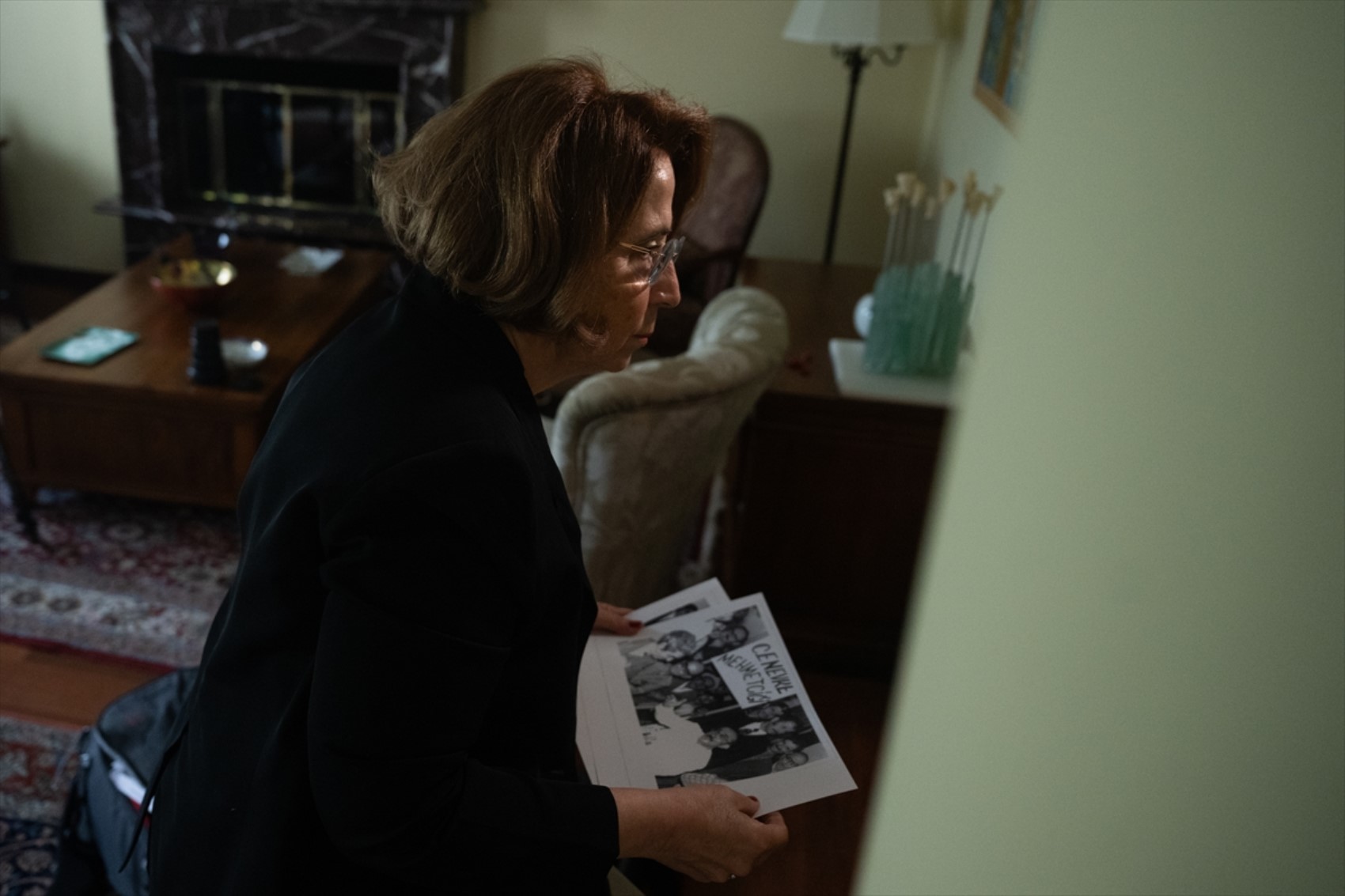
Prof. Dr. Ayata, who continued his duties as a visiting professor at METU after retiring from his position as the head of the Department of Political Science and Public Administration, and who did not speak to the press for 50 years with the belief that "the password 'Ayşe should go on vacation' is a symbol, and I am not the real hero of the Cyprus Peace Operation," spoke to AA in reference to the importance of the 50th anniversary of the operation.
 6 / 28
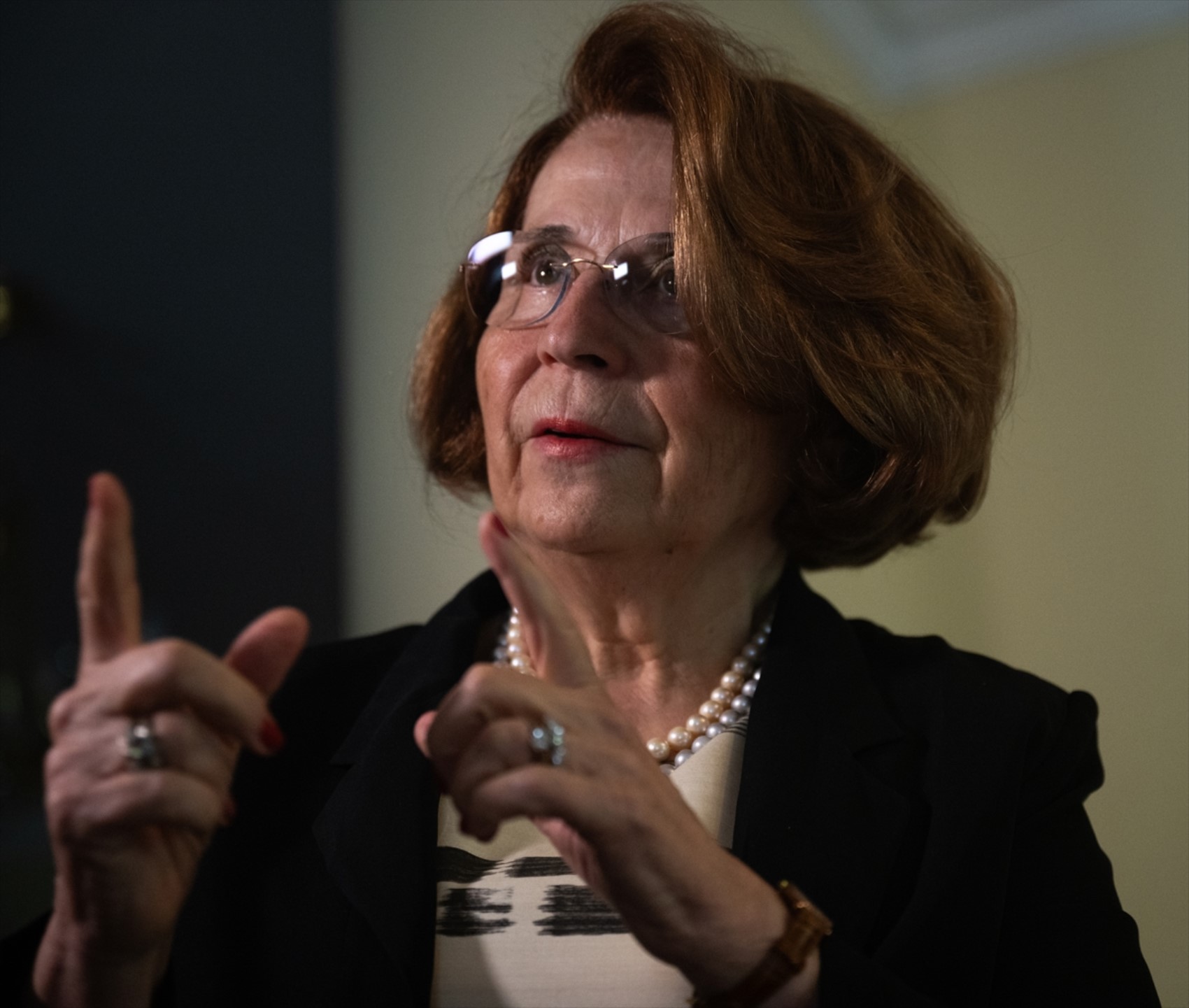
Recalling that her father, Turan Güneş, was the Minister of Foreign Affairs during the 1974 Cyprus Peace Operation, Ayşe Güneş Ayata explained that her father was on an official visit to China before the operation, that her mother accompanied him, and that she remained in Ankara with her grandmother and brother.
 7 / 28
Stating that the end-of-term exams at METU had concluded during this period, Prof. Dr. Ayata continued his words as follows:
"Of course, we did not know about the operation, so I was making my own holiday plans, thinking I would go to my grandmother's modest summer house in Istanbul. The China trip was going to last a week or 10 days, and I was planning to go on vacation once my mother and father returned. Naturally, when the Sampson Coup took place, they informed my father in China. My father returned to Turkey urgently. I was not yet aware of the gravity of the situation. Perhaps no one in Turkey was aware of it either. In fact, on the night my father was to return, I went to Istanbul to be with my grandmother because I felt I could finally go on vacation. My father called the next morning and said, 'You are coming back immediately.' A friend's car was coming to Ankara, so I went to Istanbul at night and returned to Ankara again the next morning. Thus, my vacation was cut short, and I was a bit annoyed, let's put it that way."
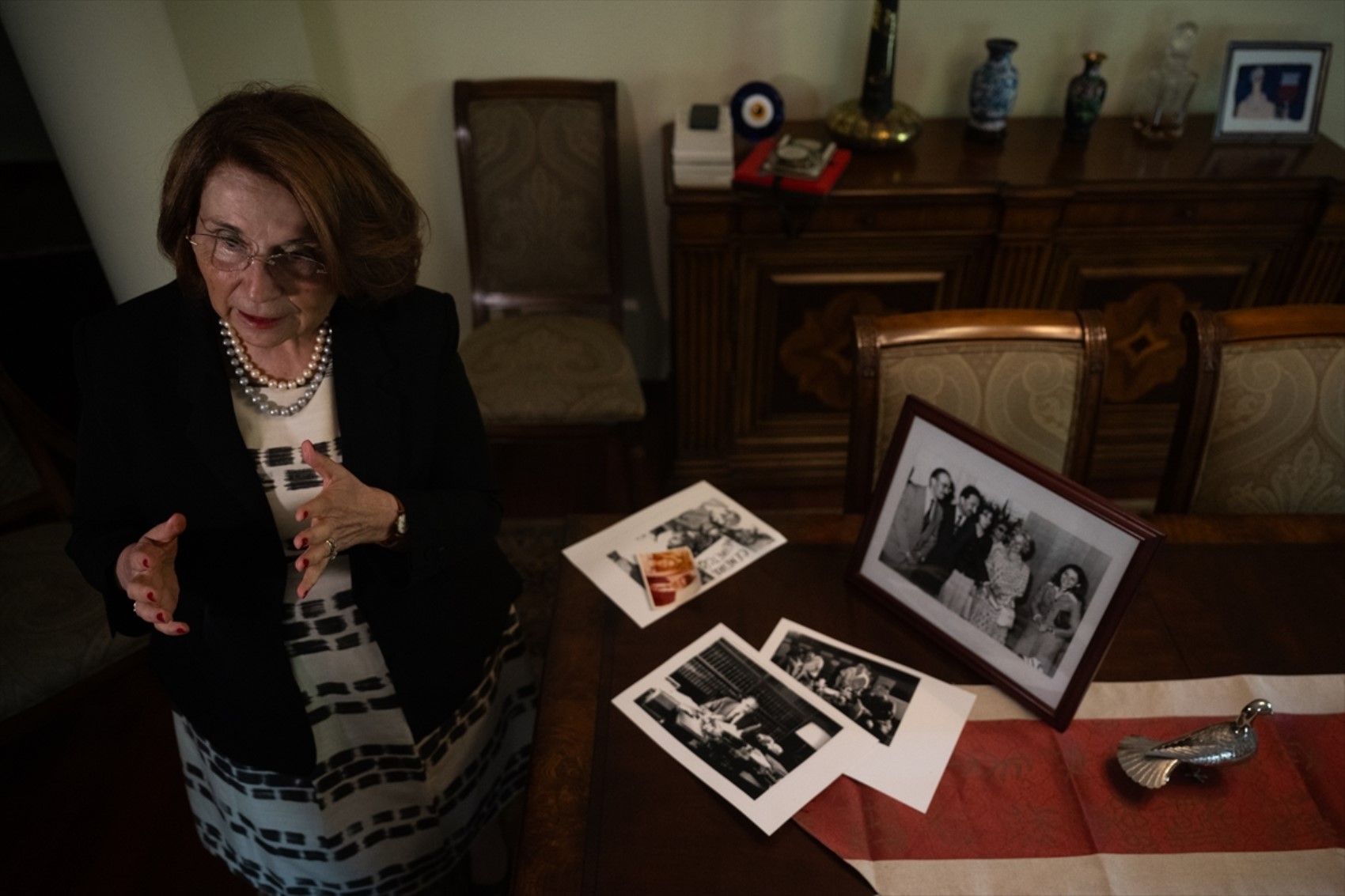 8 / 28
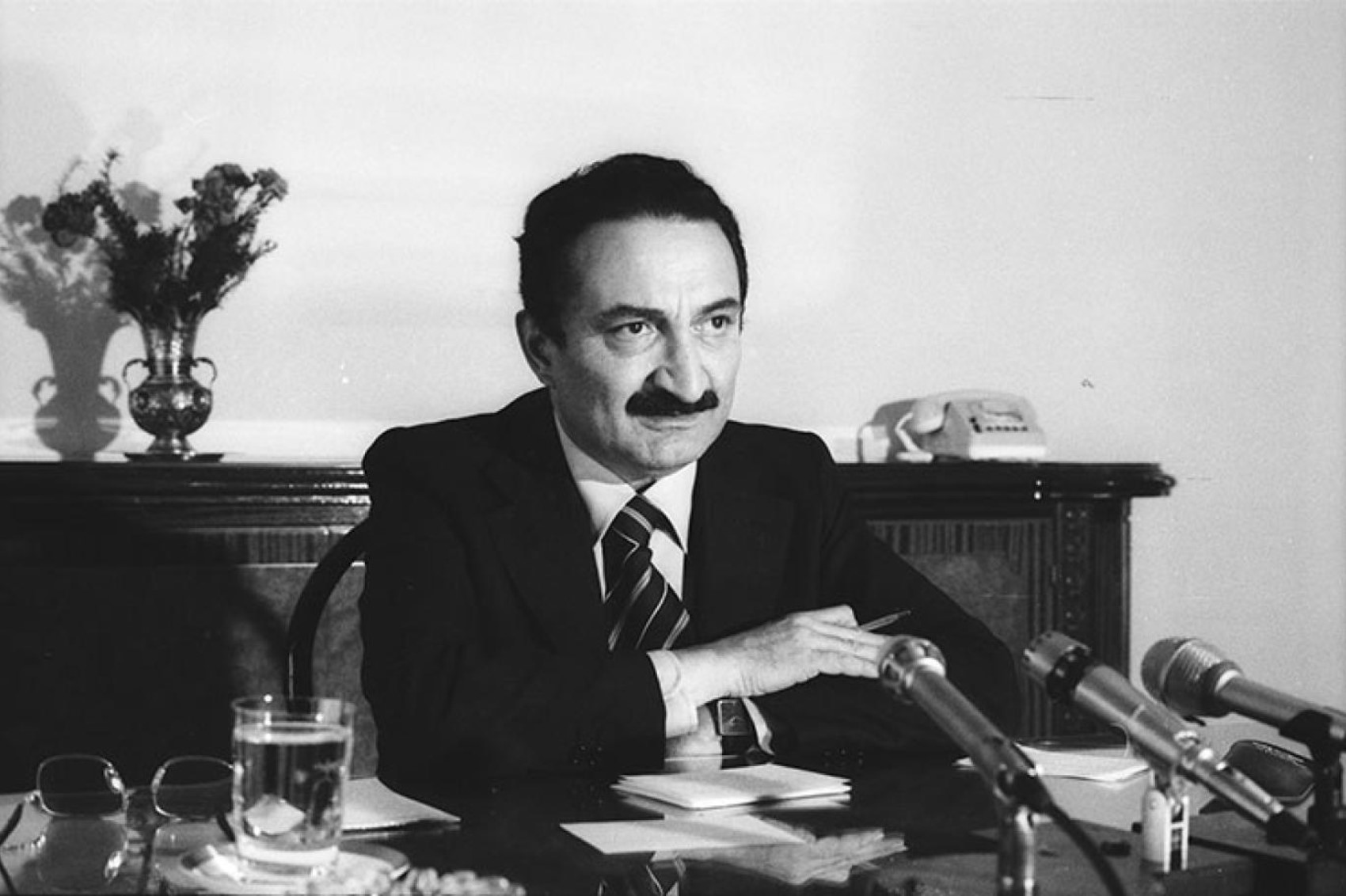
Stating that her father attended the Geneva Conference with a large delegation following the first phase of the Cyprus Peace Operation on July 20, 1974, Ayşe Güneş Ayata said that the Prime Minister of the coalition government at the time, Bülent Ecevit, and CHP ministers came to see the delegation off to show their support.
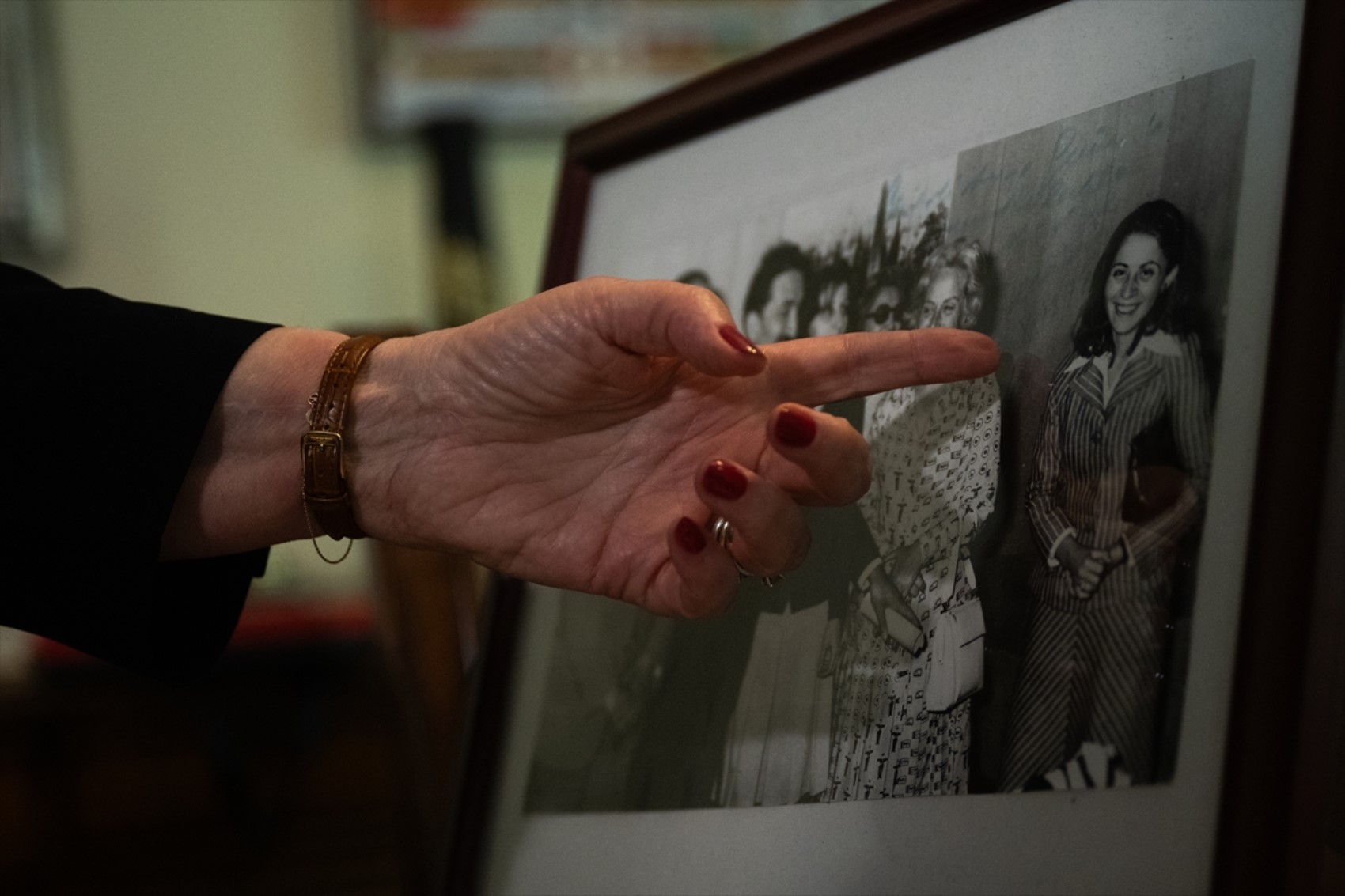 9 / 28
Prof. Dr. Ayata explained how the code phrase "Ayşe should go on vacation" was created as follows:
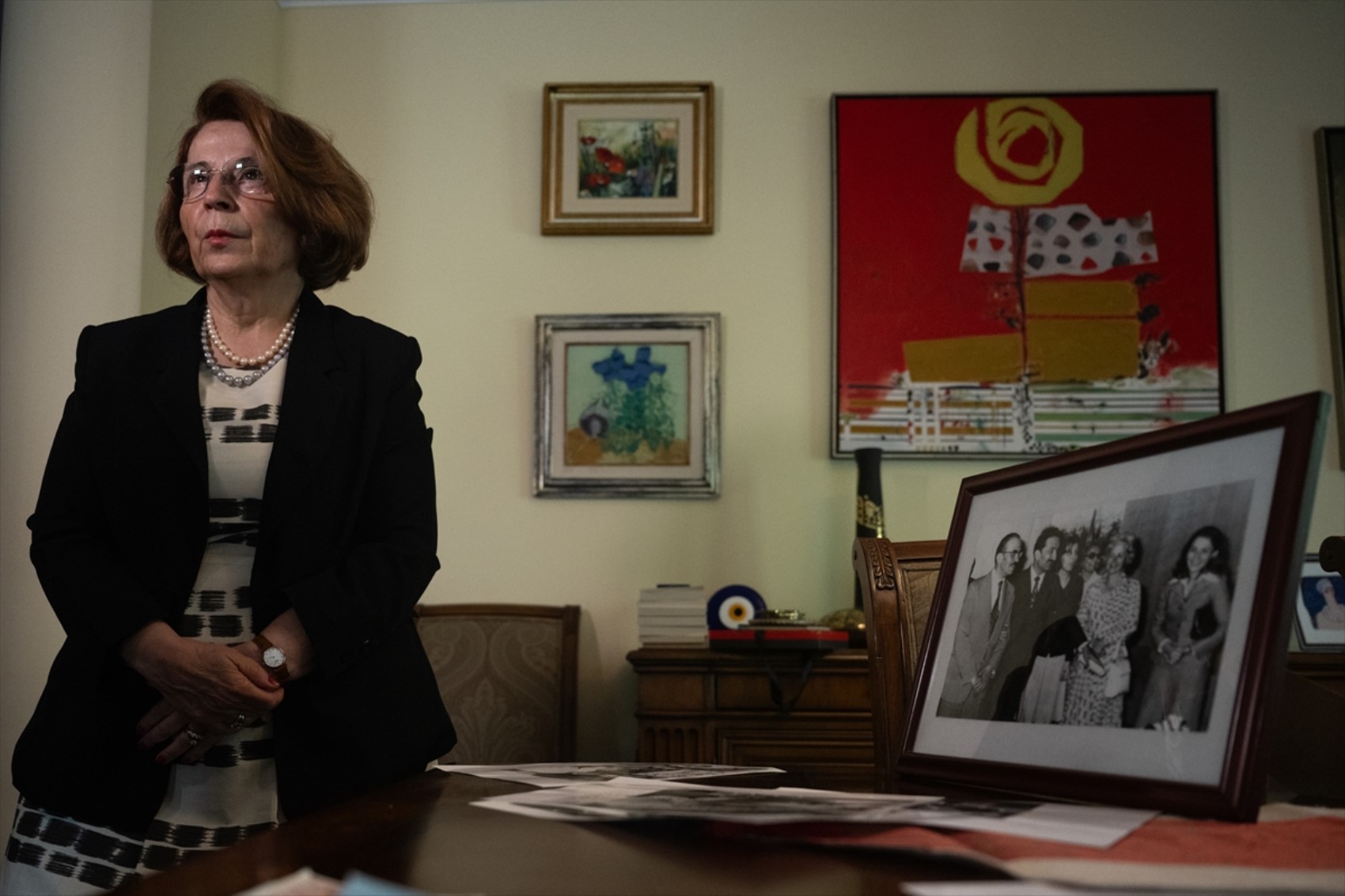
"My father told the then-Minister of Tourism, Orhan Birgit, 'If there is anyone you know going on vacation, send Ayşe with them. These matters will take a very long time.' After the First Operation, the area where Turks were located in Cyprus was extremely small—Kyrenia and a small, cramped area around it... It seemed very difficult for a Turkish population trapped in that area to live there. Naturally, what was desired was to reach an agreement. But when that agreement could not be reached, it was thought that it might be possible to carry out the military operation in a somewhat more expansive way, and for that reason, they said, 'let's determine a code.' Since I am not an intelligence officer, I don't know exactly, but they were likely thinking: My father, Turan Güneş, and Bülent Ecevit decided to set a code for the start of the Second Operation, thinking that 'other countries are listening to us.' The code 'Ayşe should go on vacation' became a signal from my father to Ecevit. My father thought, 'Since we were just talking about my vacation, let me say 'Ayşe should go on vacation,' and you will understand that these negotiations do not seem to be going anywhere, and that preparations for the operation should begin in some way.'"
 10 / 28
Recalling that Turkey, the United Kingdom, and Greece were guarantor countries at the Geneva Conference, while the Greek Cypriots and Turkish Cypriots were the parties involved, Prof. Dr. Ayata said, "In those days, Orhan Birgit's sister and mother were planning to go on vacation. Uncle Orhan said, 'Ayşe also wants to go somewhere. Take Ayşe with you too.' And he sent a message to my father while he was in negotiations, saying, 'If you allow it, let Ayşe go on vacation with them.' My father became terribly anxious, wondering where this 'let Ayşe go on vacation' remark came from while negotiations were ongoing. Professor Haluk Ülvan brought this news from Orhan Birgit to my father. My father said, 'Where is Haluk getting this from? Is now the time for Ayşe's vacation?' However, this is how a connection was formed between the presence of an 'Ayşe' in the delegation and the code name for the operation."
 11 / 28
Prof. Dr. Ayata continued his remarks as follows:
"On the final night, that is, the night before the second operation began, it was becoming clear that there was no longer any room for negotiations to continue. However, there is this aspect: tactically, they did not want Turkey to have planned this in advance, because that would also be a serious diplomatic problem. In other words, they did not want it to be said that 'Turkey has launched an operation' while negotiations were still ongoing. This time, my father sent a coded message through the Ministry of Foreign Affairs to Bülent Ecevit, saying 'Ayşe should go on vacation,' and he actually sent it."
 12 / 28
Ayşe Güneş Ayata stated that she would recount the subsequent part of the events as she heard them from others, and spoke as follows:
"At that time, Ertuğrul Apakan was sitting at the telex desk in the Ministry of Foreign Affairs as a career diplomat. Apakan is an ambassador who later became closely involved with the Cyprus issue and served as the Undersecretary of the Ministry of Foreign Affairs. Apakan decodes the cipher. The cipher is: 'Ayşe should go on vacation.' Wars and negotiations are ongoing, and then the minister's daughter is going on vacation... Ertuğrul Apakan remains a bit hesitant about this situation. However, he receives the message and takes it to the Undersecretary of the Ministry of Foreign Affairs. The Undersecretary says, 'Oh, what are you saying?' and grabs the message and goes straight to Bülent Ecevit. Thus, the preparations for the operation begin. Around 02:00 in the morning, the message goes to the ministry and from there to the Armed Forces, serving as the signal that the operation will begin. On the other hand, they do not want to cut off the negotiations and start at that hour. They are going to cut off the negotiations, but they do not want to cut them off at an early hour, because the negotiations must be cut off at such a point that the operation begins the moment they are cut off."
 13 / 28
As my father later recounted to Turkish Cypriots in London, he told Rauf Denktaş that night, 'Now you go out there and talk for about two hours about the atrocities Turkish Cypriots have faced since Lala Mustafa Pasha.' During the negotiations, there were no interruptions; everyone could speak for as long as they wanted. Denktaş spoke for two hours, but when he finished, my father began the same speech, dragging the matter out a bit longer. At a certain point, the representatives of other countries said, 'The Turks are dragging this out.' Shortly after that, the negotiations were broken off. And immediately after the negotiations were broken off, the second operation in Cyprus began."
 14 / 28
Ayşe Güneş Ayata recounted that the morning after this incident, her mother called her and said, "We are always talking about you here," adding that she did not understand at the time why she was being talked about.
 15 / 28
Stating that they went to Esenboğa Airport after the conference to welcome the delegation along with Bülent Ecevit and all government officials, Prof. Dr. Ayata said, "Orhan Birgit came from a journalism background and told the journalists about this code word incident. Suddenly, there was a flurry of activity around me. Then Bülent Ecevit said to the journalists, 'We decided on a code word with our Foreign Minister Turan Güneş. Turan Güneş's daughter Ayşe, whom we decided on as the code word, is also here.' He pointed at me, and that was when I learned that my name was the code word."
 16 / 28
When asked about how her life changed after Bülent Ecevit pointed to her as the "Ayşe" in the code phrase "Ayşe should go on vacation" at Esenboğa Airport, Ayşe Güneş Ayata spoke as follows:
"There is no doubt that this is a subject I am very proud of and very happy about. 50 years have passed. The fact that it is a symbol remembered even after 50 years, that it is repeated from time to time, appears in newspapers, and that people come and ask me, 'Are you the Ayşe who went on vacation?', all of these are very beautiful, very happy, and pride-inducing things. My name is a symbol, but I am not the hero of this event. The heroes of this event are the prime minister of that time, Bülent Ecevit, my father, Foreign Minister Turan Güneş, and the Turkish Armed Forces, but not me. It is, of course, an important event in which we gave martyrs, and it is not really possible for me to claim them as my own. I could not be the owner of that honor; its owners are clear."
Stating that for 50 years following the operation, journalists have called him, especially in July, to request a statement, Prof. Dr. Ayata noted that he had made two decisions regarding this matter, which he explained as follows:
 19 / 28
"First, I wanted to keep my identity as a political scientist separate from the series of symbols associated with my name. My second decision was not to speak until the 50th anniversary of the operation, and if I were to survive, to speak on that 50th anniversary. I believe the 50th year is a very important symbol. There are very few people left who experienced that environment. There are only two ministers from that government still alive, and there is me, who is known by name. After that, there is no one else. It is important that this symbol be kept alive in some way. I believe it is a symbol that shows how much courage was required for what was done at that time, how determined one had to be, and that one had to act with national sentiments and interests in mind. That is why I decided to speak."
 20 / 28
When asked about the meaning attributed to the code phrase "Ayşe should go on vacation" regarding the operation, Prof. Dr. Ayata noted the following:
 21 / 28
"My father used to say that if my name wasn't Ayşe, we couldn't have turned it into a symbol. Yes, I am Ayşe, and I am that Ayşe who went on vacation, but on the other hand, Ayşe is one of the most well-known female names in Turkey. If you shout 'Ayşe' on the street, 5-6 people will look at you. If my name hadn't been such a common name and one used by such diverse segments of the public, perhaps it wouldn't have remained known for this long. So, there is no doubt that one of the important reasons for this symbol's longevity is also related to my name being Ayşe."
 22 / 28
Sharing her memories of the years she traveled to the TRNC after the operation, Ayşe Güneş Ayata spoke as follows:
"I first went during the New Year's Eve connecting 1974 to 1975. The government had already fallen by then, but I went with my father, Bülent Ecevit, and the delegation. Since the airport was military, we went by ferry. It was also Bülent Ecevit's first visit. That is why there was an incredible, massive crowd. It seemed as if all the Turkish Cypriots were there; the crowd was that large. I mean, the Port of Famagusta was packed to the brim. Bülent Ecevit and then my father descended from the ferry via the stairs. Then, the entire Cypriot public started shouting 'Ayşe,' and I was so embarrassed that I threw myself down from the middle of the stairs. My mother and the others were very afraid, thinking, 'Oh no, did she break anything?' No, I didn't break anything. That was my first trip to Cyprus. At that time, I visited all the martyrs' cemeteries and battlefields. It was very impressive and very emotional. Families of the martyrs also came with us. They were all experiencing their own emotional intensity. The emotional intensity was different during my second visit. After I got married, Mr. Denktaş invited us to Cyprus for our honeymoon, and we went there for our honeymoon. He hosted us in his modest home. After that, I went to Cyprus a few more times. METU has a campus in Cyprus; I also went there in the capacity of a faculty member."
 23 / 28
Ayşe Güneş Ayata stated that she will travel to the TRNC with a CHP delegation to attend official ceremonies marking the 50th anniversary of the Cyprus Peace Operation. Prof. Dr. Ayata said, "The CHP Chairman invited the two surviving ministers who were in office during the operation, as well as myself. I will go to the TRNC on the 18th. I will return after attending the official ceremony on the 20th. It is a very exciting and significant process for me."
 24 / 28
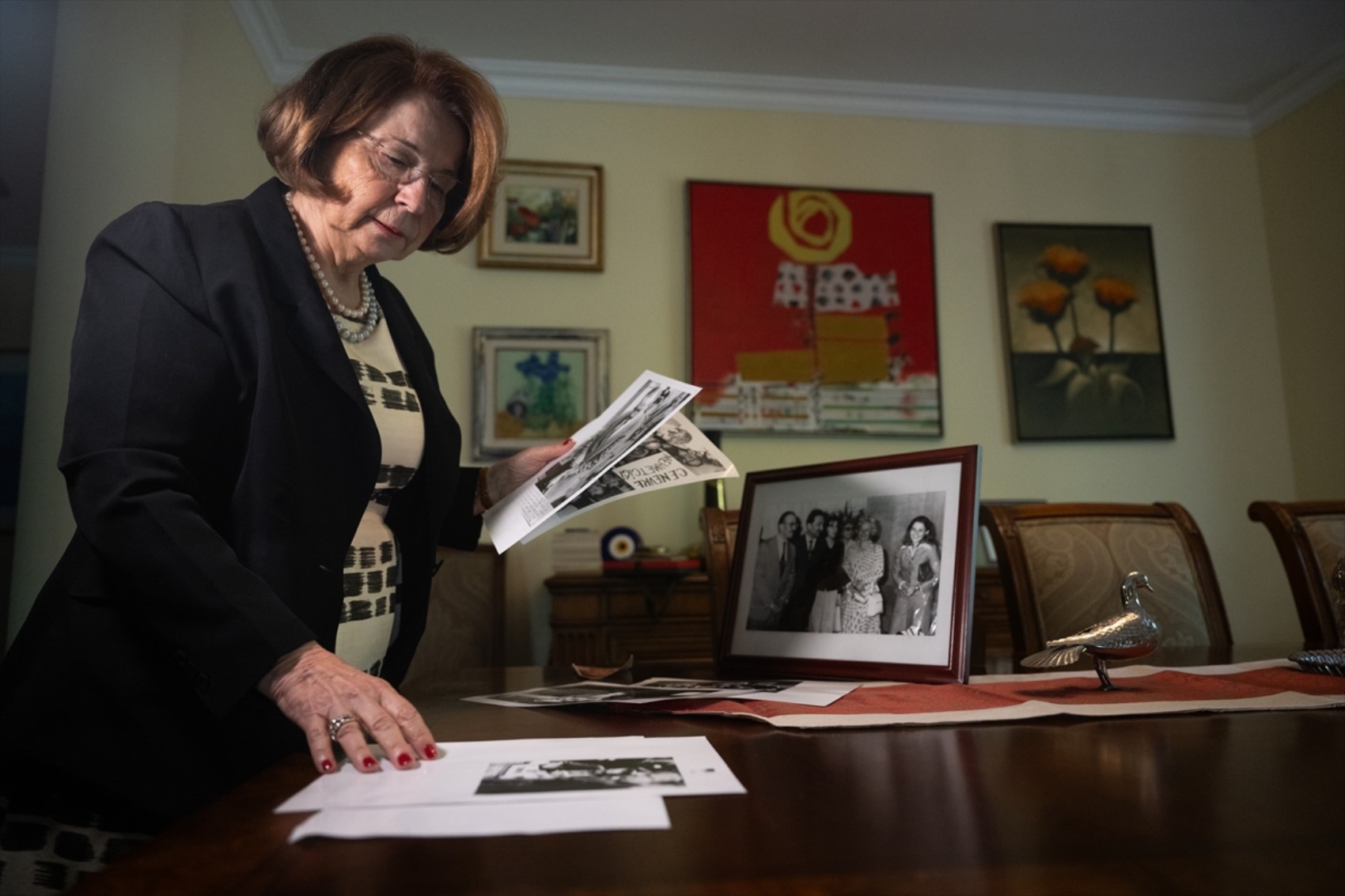
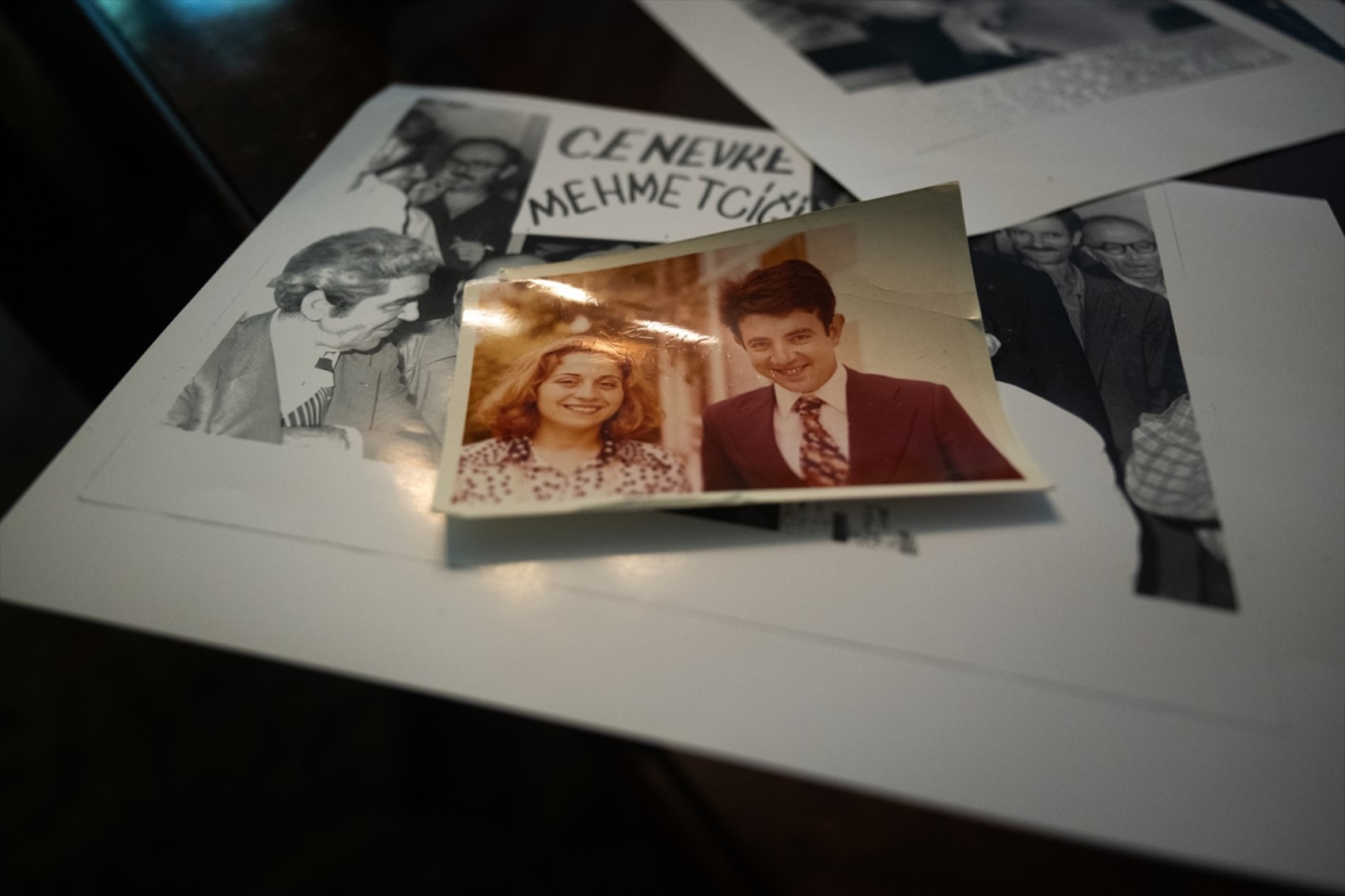
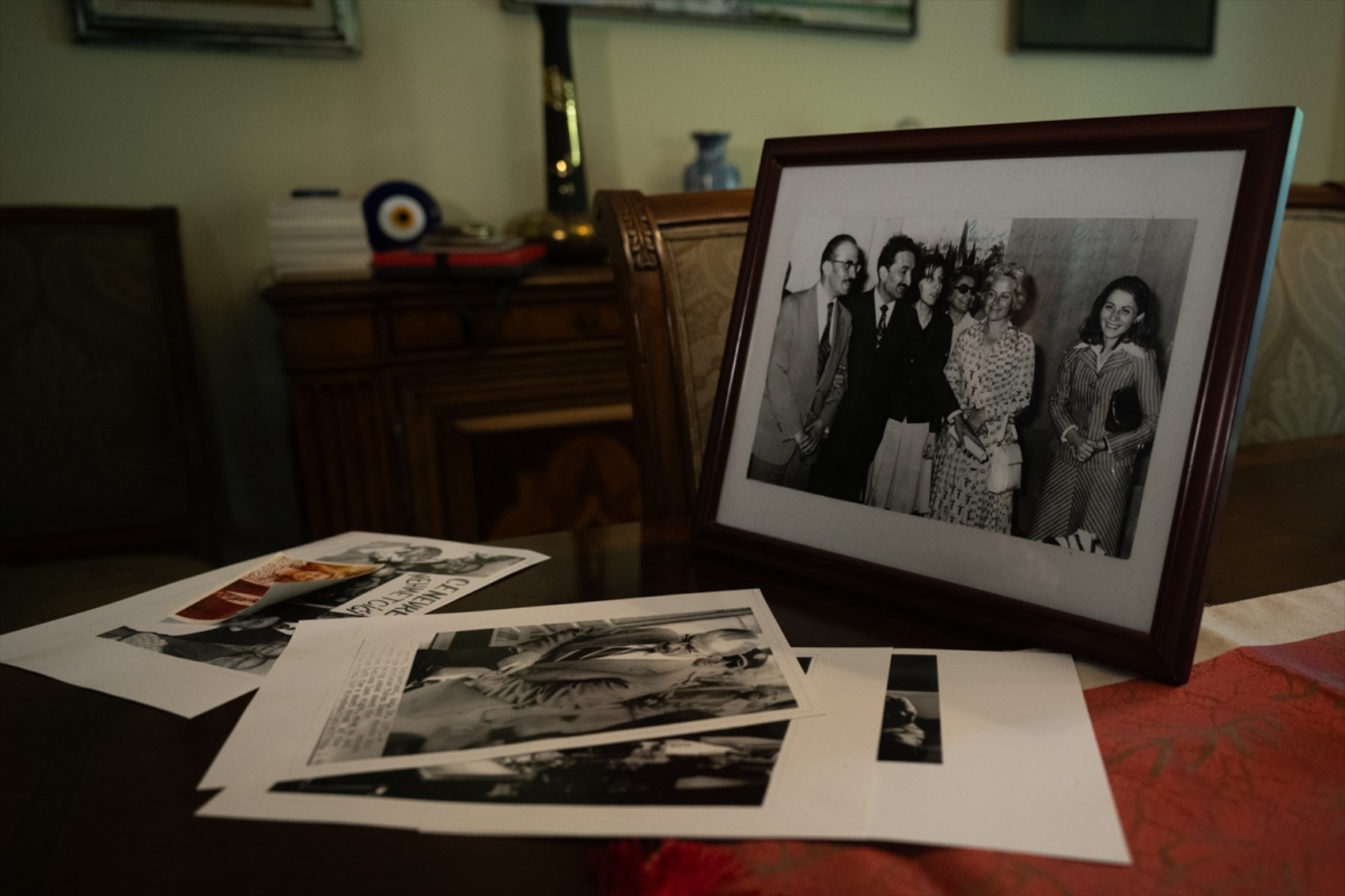
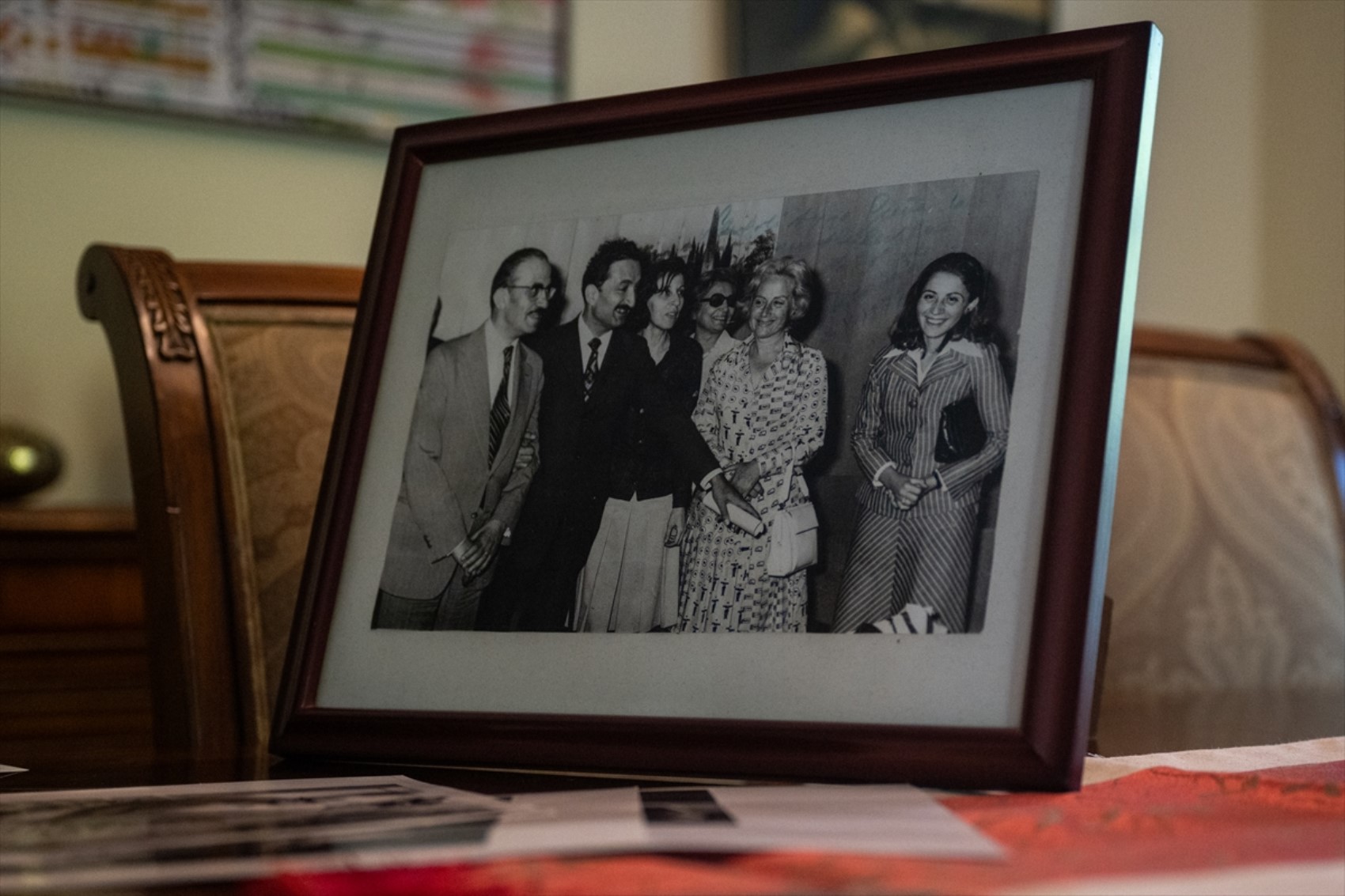
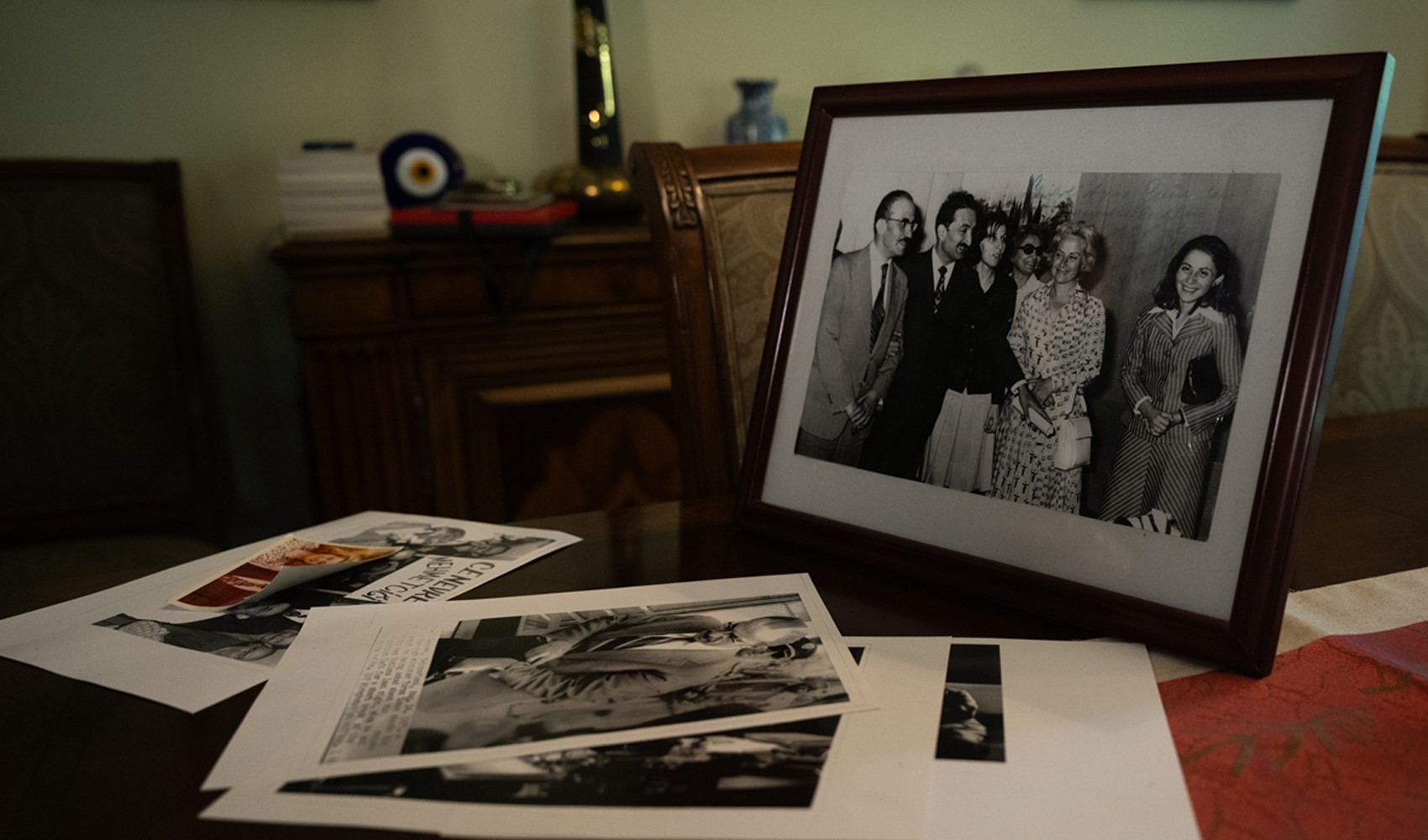
Regarding the historic photograph taken when she went to Esenboğa Airport to welcome her father along with other government ministers following the Geneva Conference, at the moment Prime Minister Ecevit announced the code "Ayşe should go on vacation" to the press, Ayşe Güneş Ayata said, "This is the photograph that he signed and inscribed with the note, 'With my best wishes to dear Ayşe Güneş - Bülent Ecevit 1974'."
 25 / 28
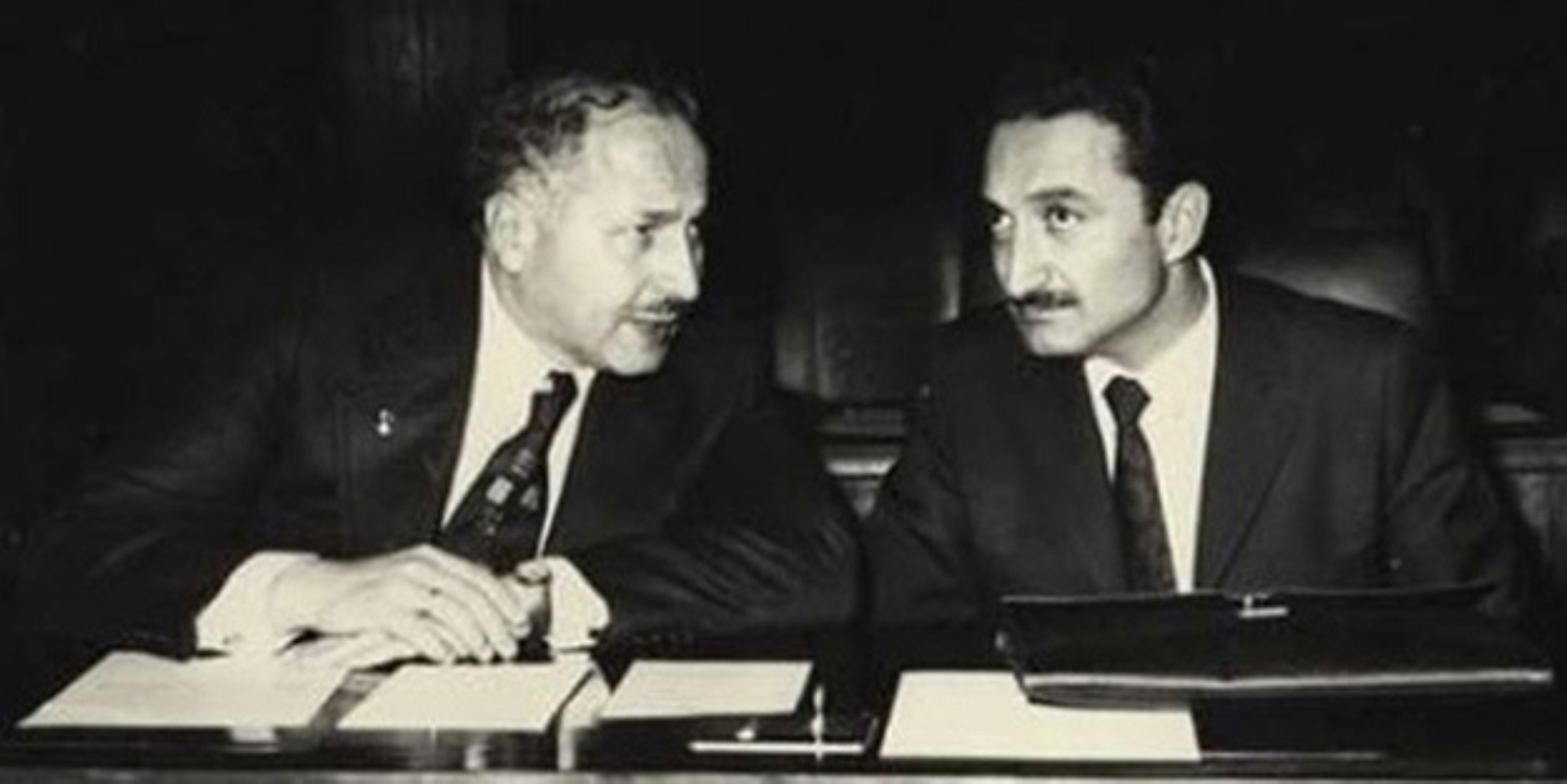
Reflecting on the moment her father, Turan Güneş, checked his watch during the Geneva Conference after the code phrase "Ayşe should go on vacation" was relayed to Turkey, Prof. Dr. Ayata stated: "In this frame, my father is sending the code to Turkey, and he is checking his watch as he re-enters the meeting to continue negotiations. He had to synchronize the time. The operation was going to begin in Turkey, but the start time of the operation in Turkey had to be synchronized with the time the negotiations were broken off. That is why this photograph of him checking his watch is so meaningful."
 26 / 28
 27 / 28
 28 / 28
News Source : 12punto