 1 / 20
It was claimed that Cem Garipoğlu, who brutally murdered Münevver Karabulut in Bahçeşehir, Istanbul, in 2009, committed suicide in 2014 while he was in prison.
 2 / 20
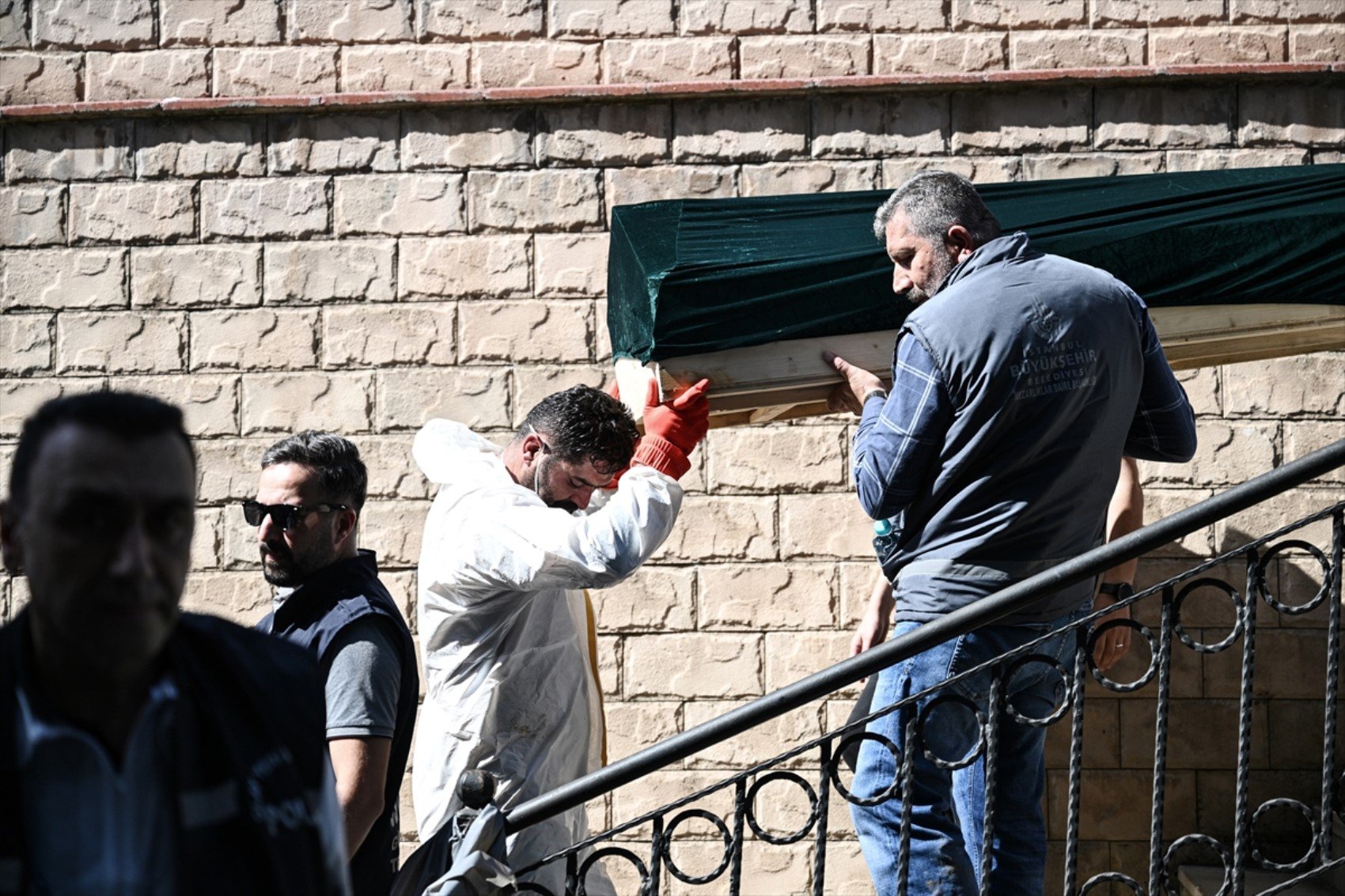
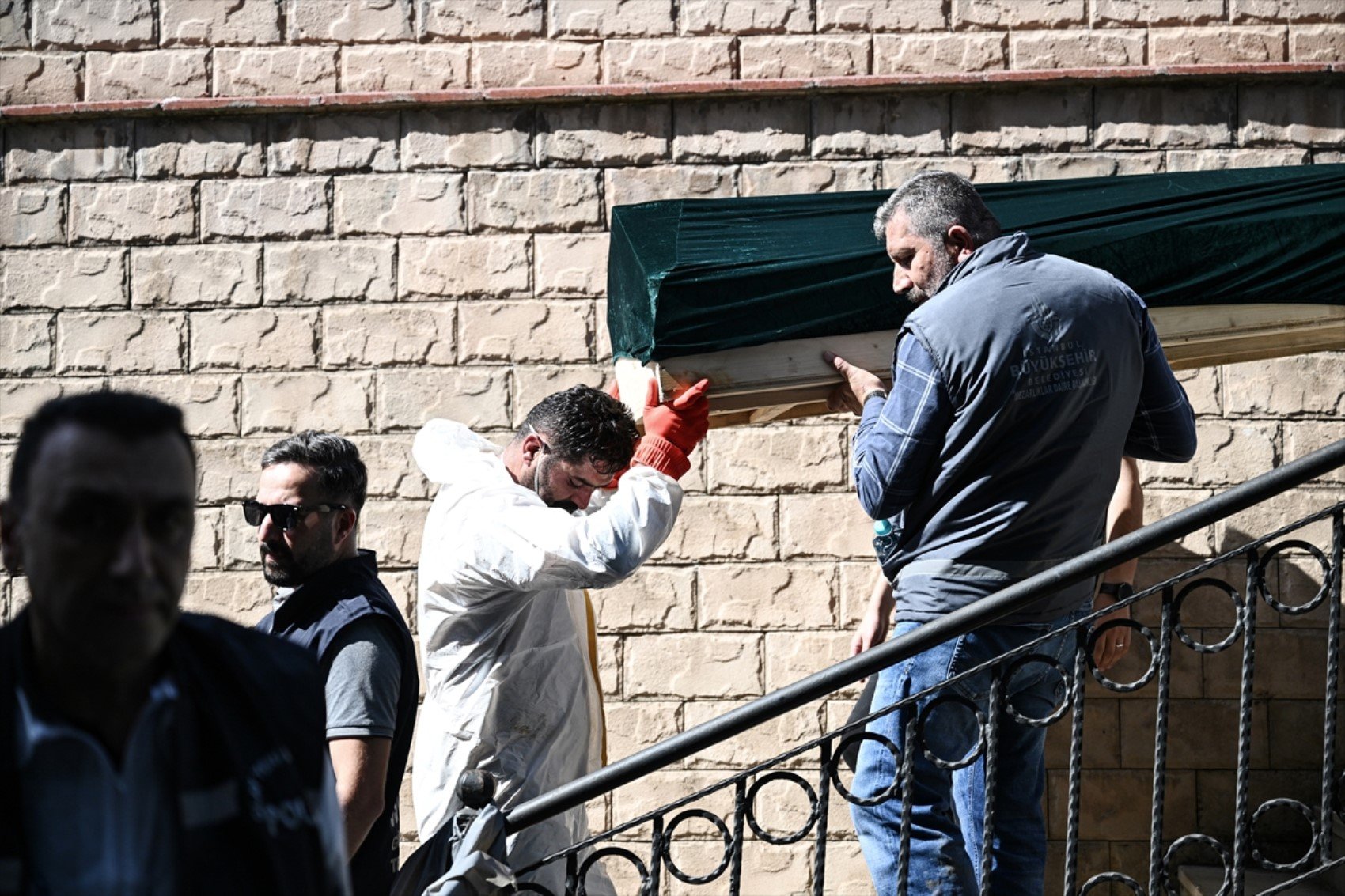
Following allegations regarding whether the deceased person was Cem Garipoğlu, the Karabulut family requested, through their lawyers, that an exhumation be performed.
 3 / 20
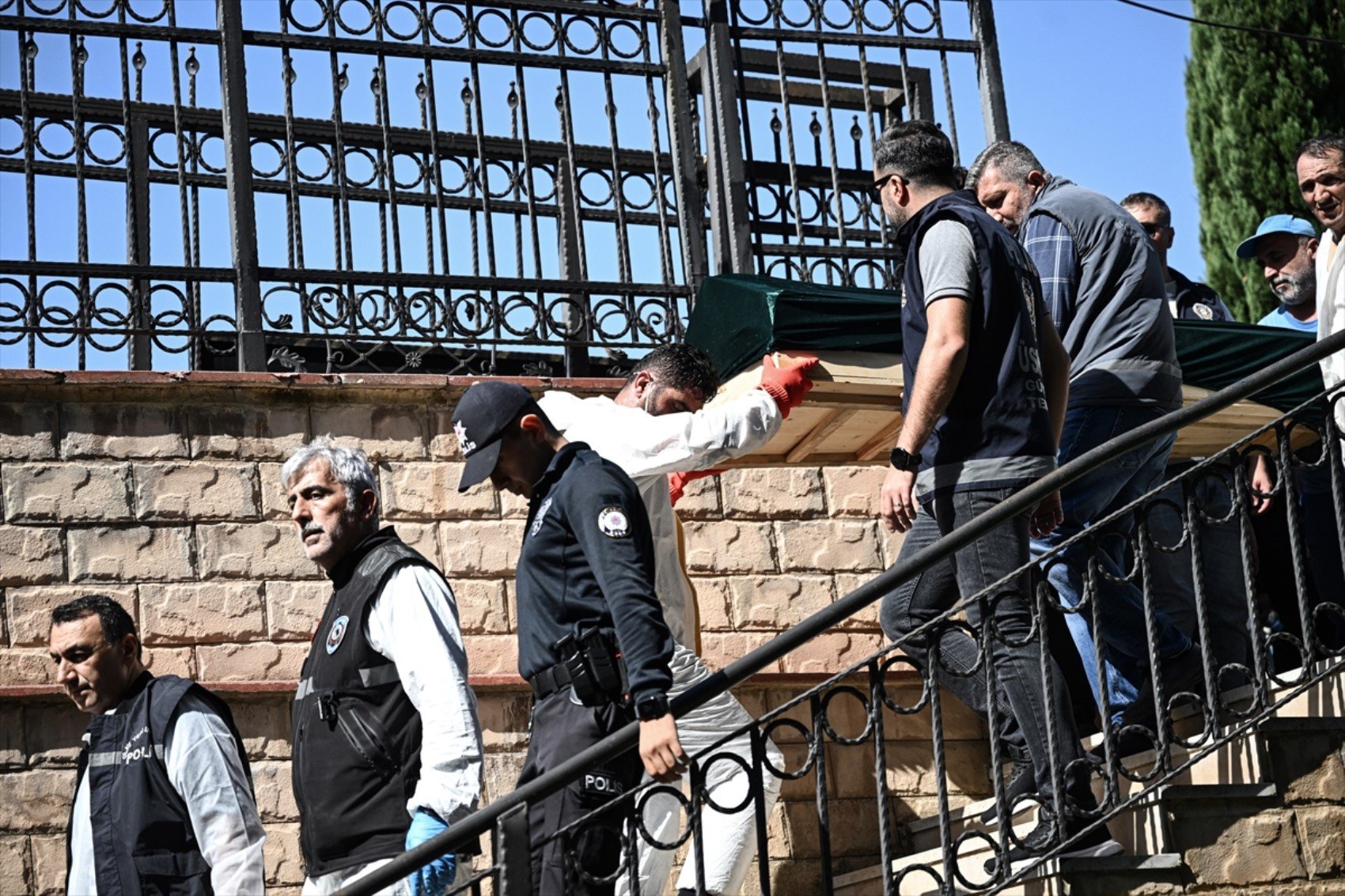
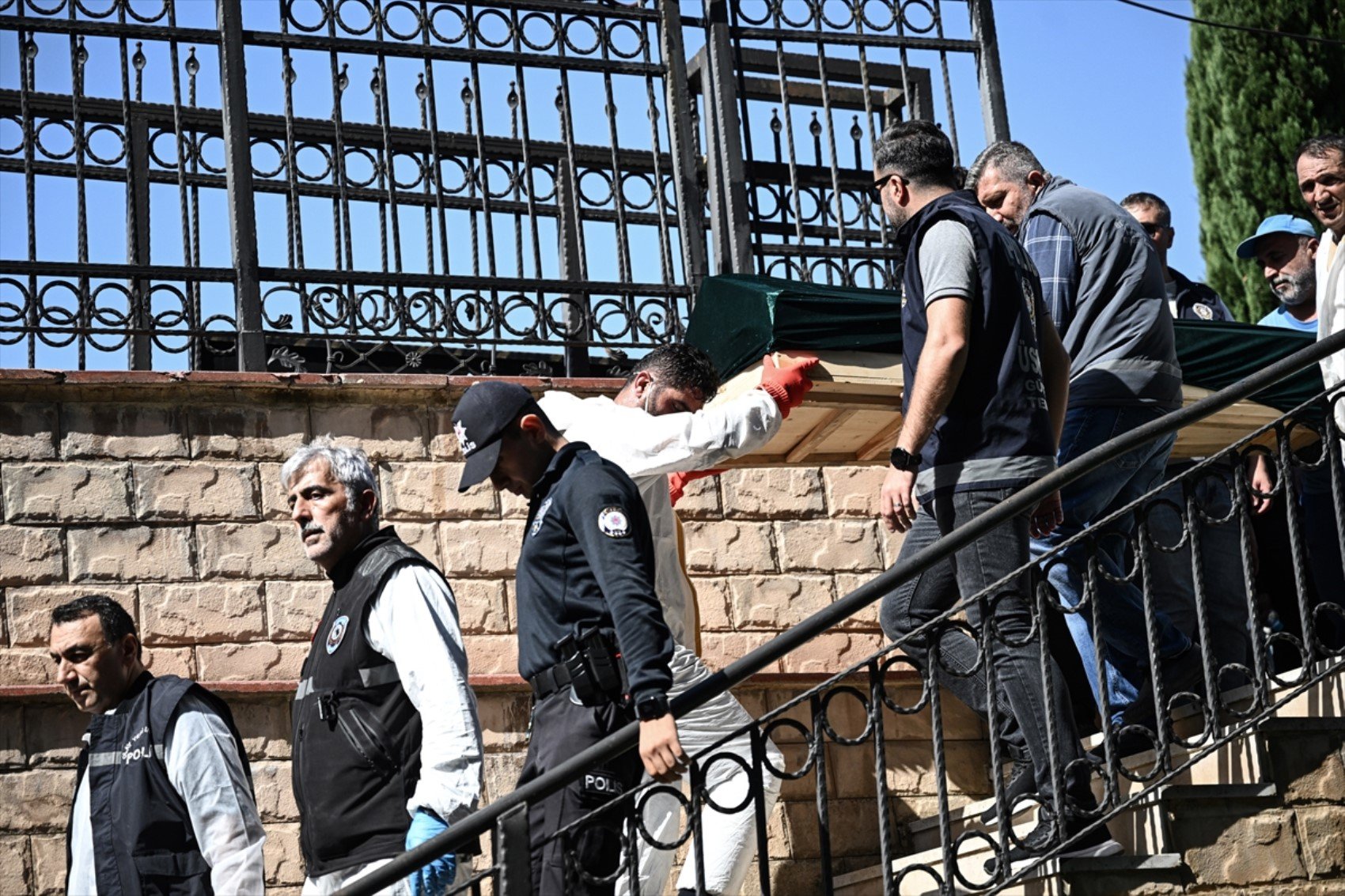
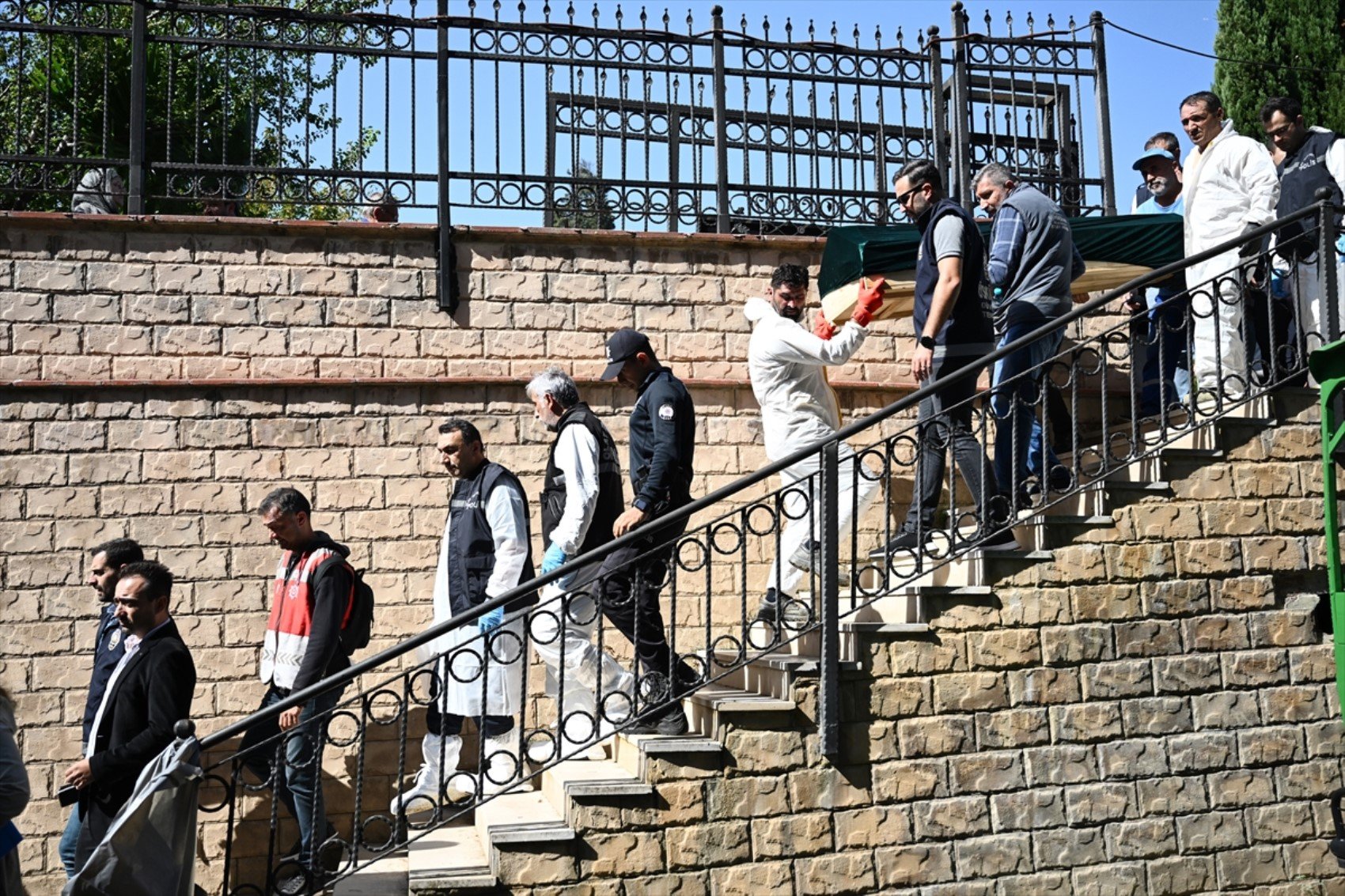
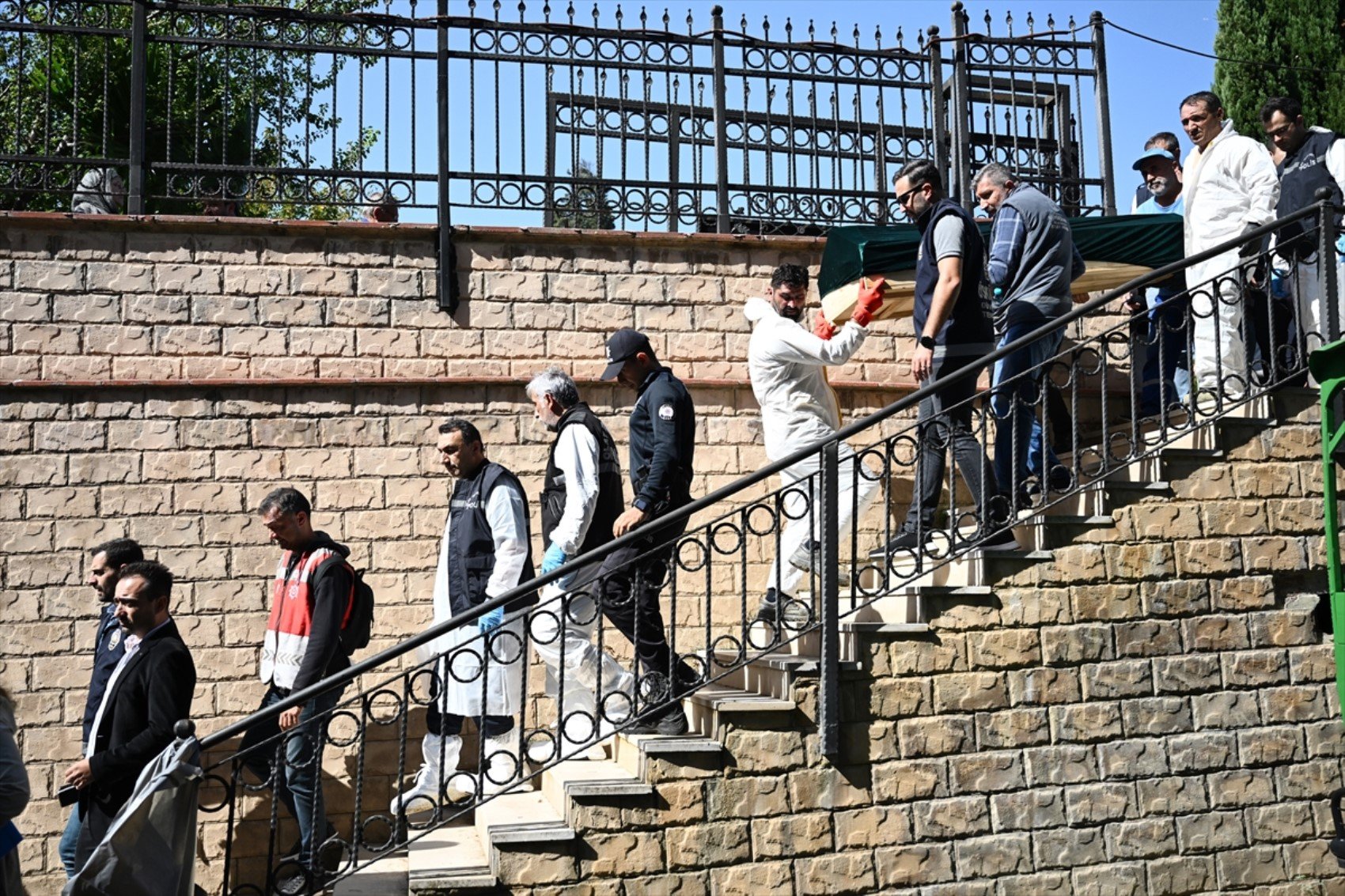
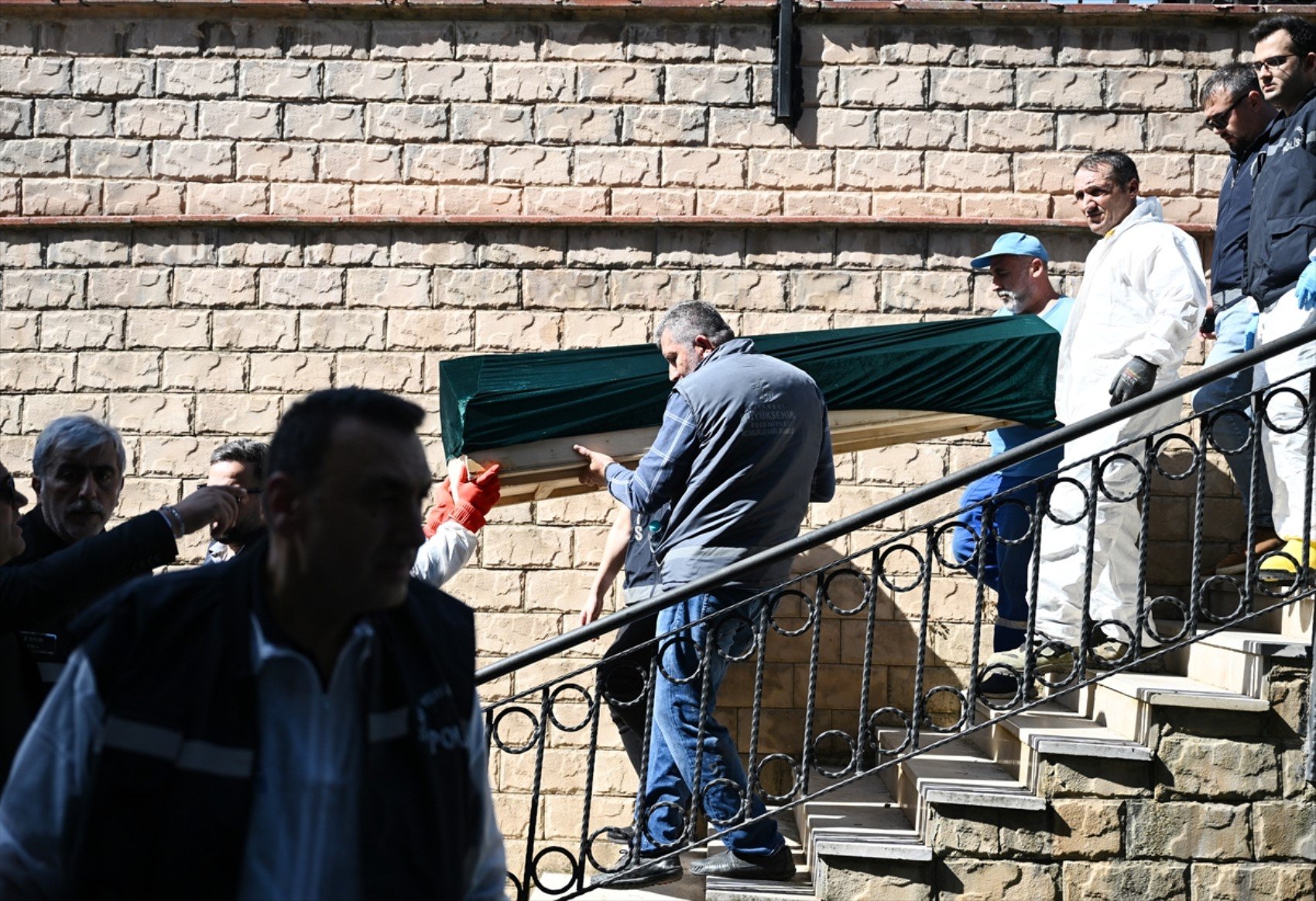
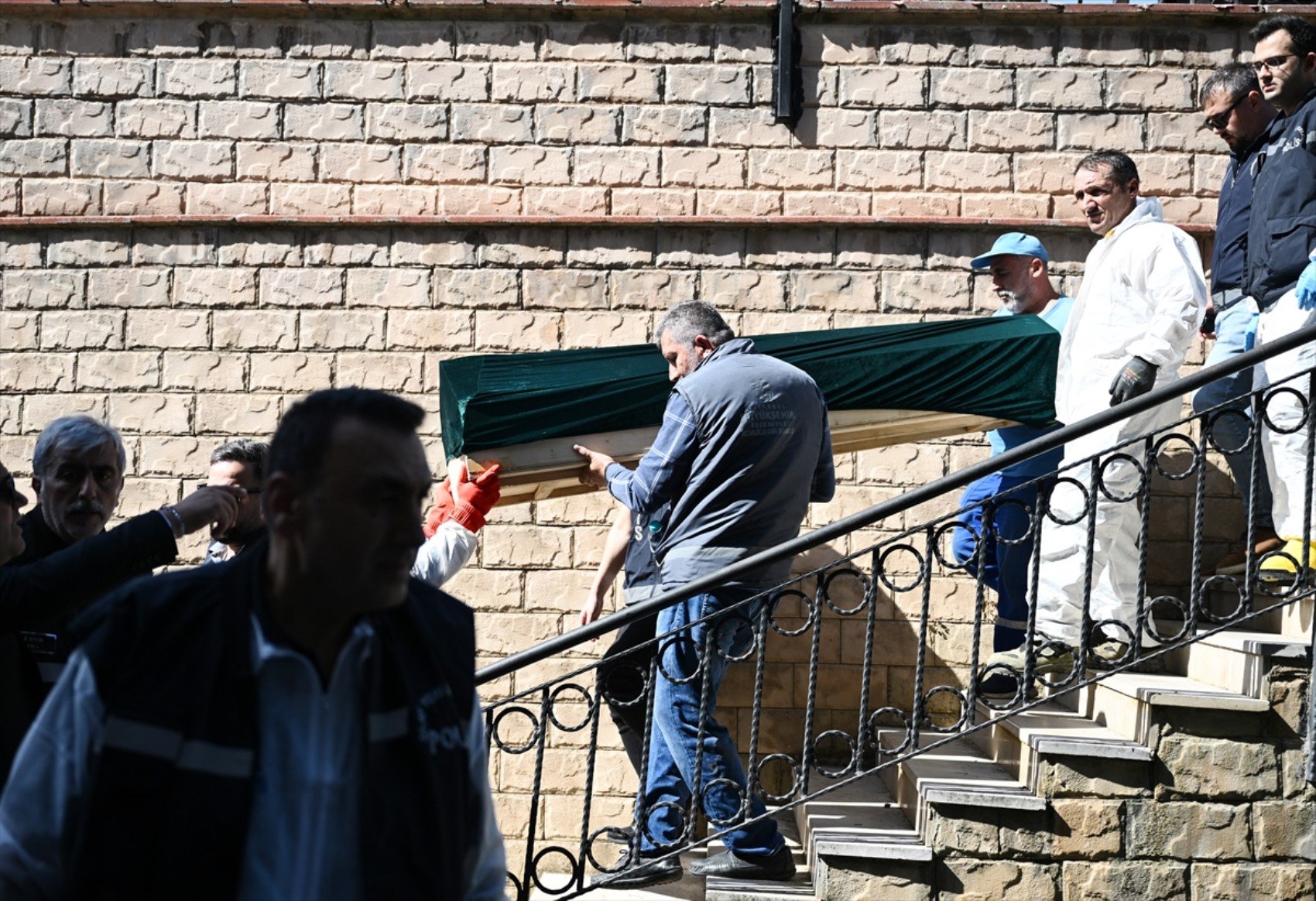
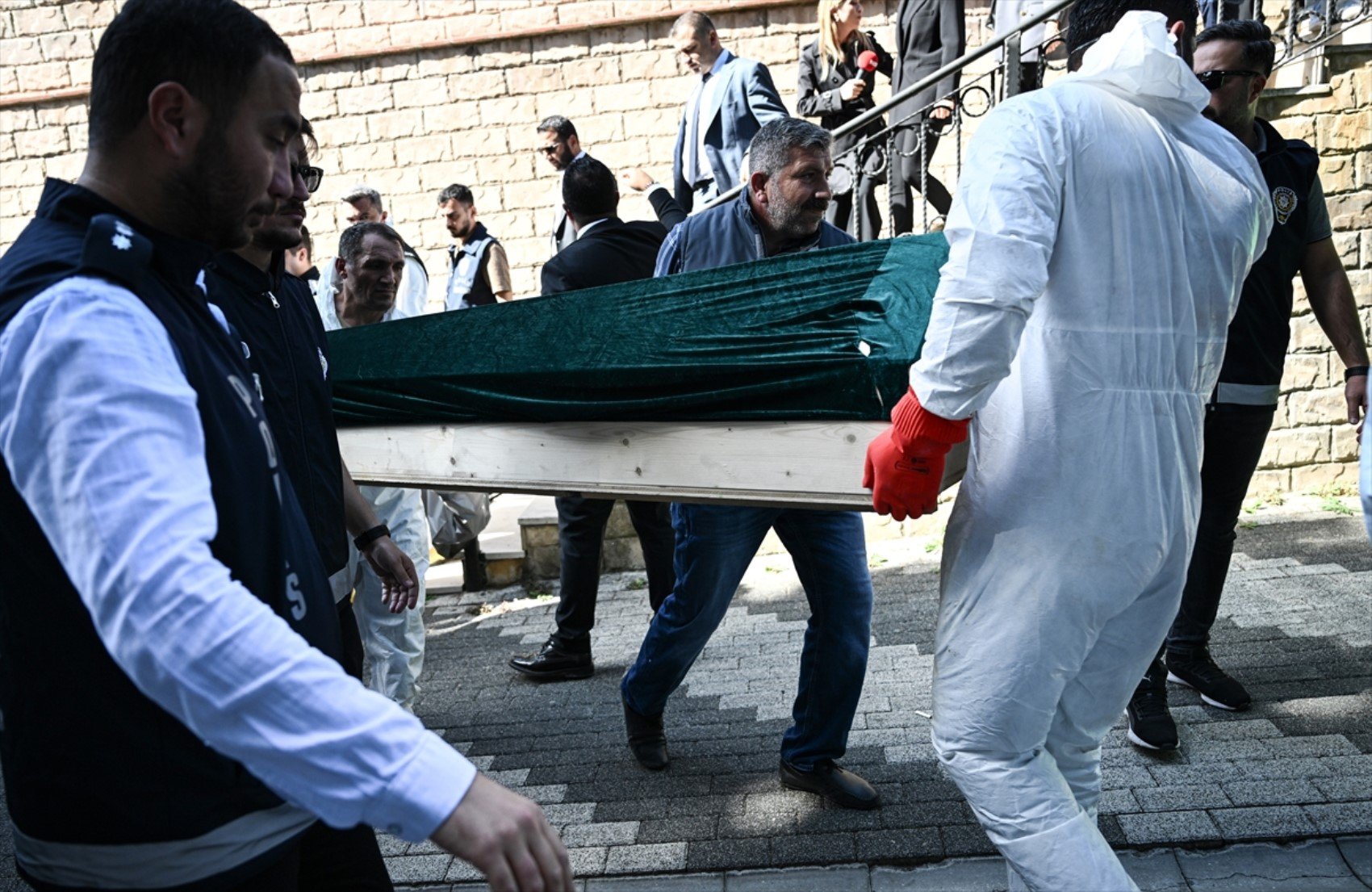
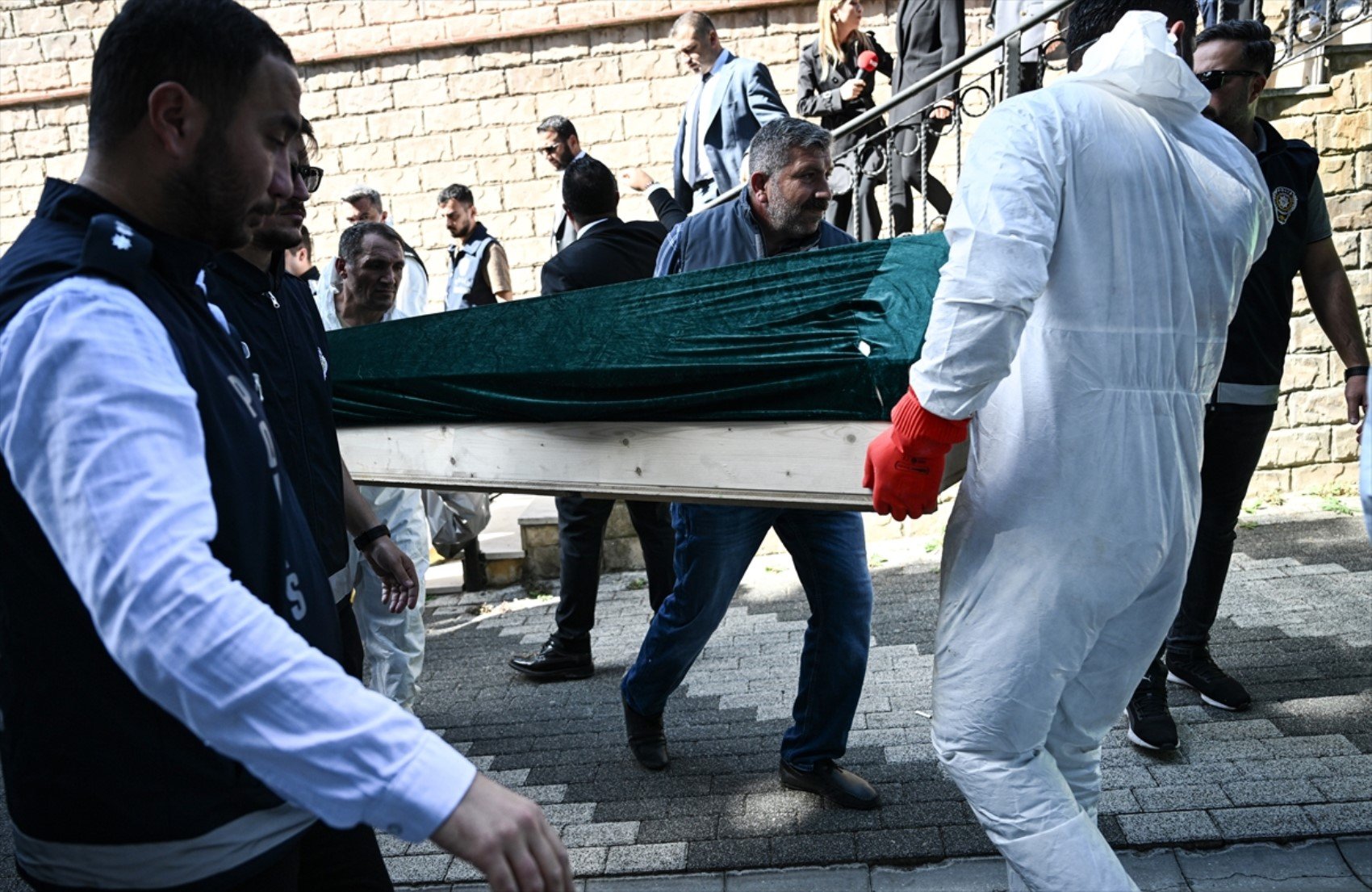
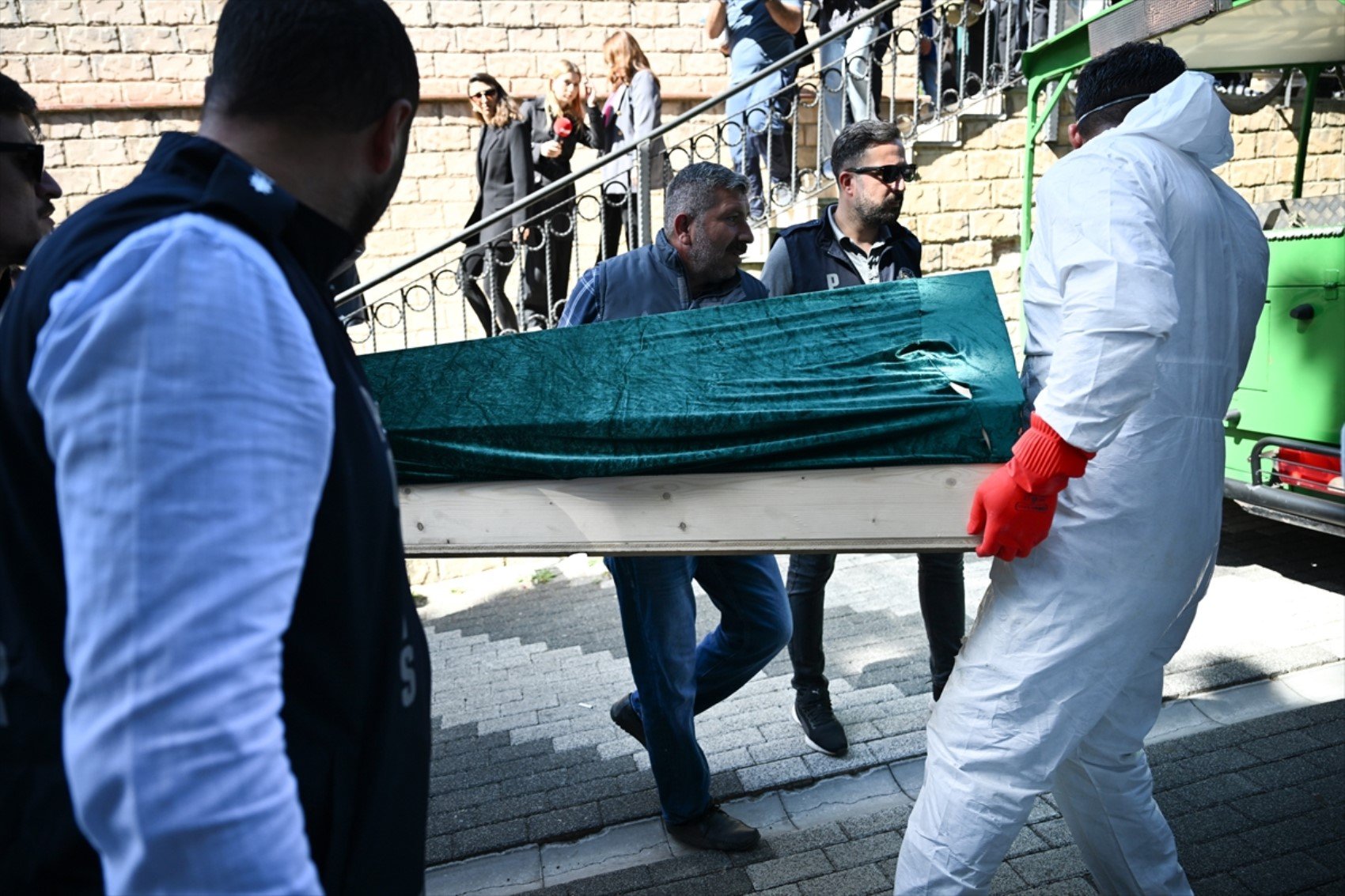
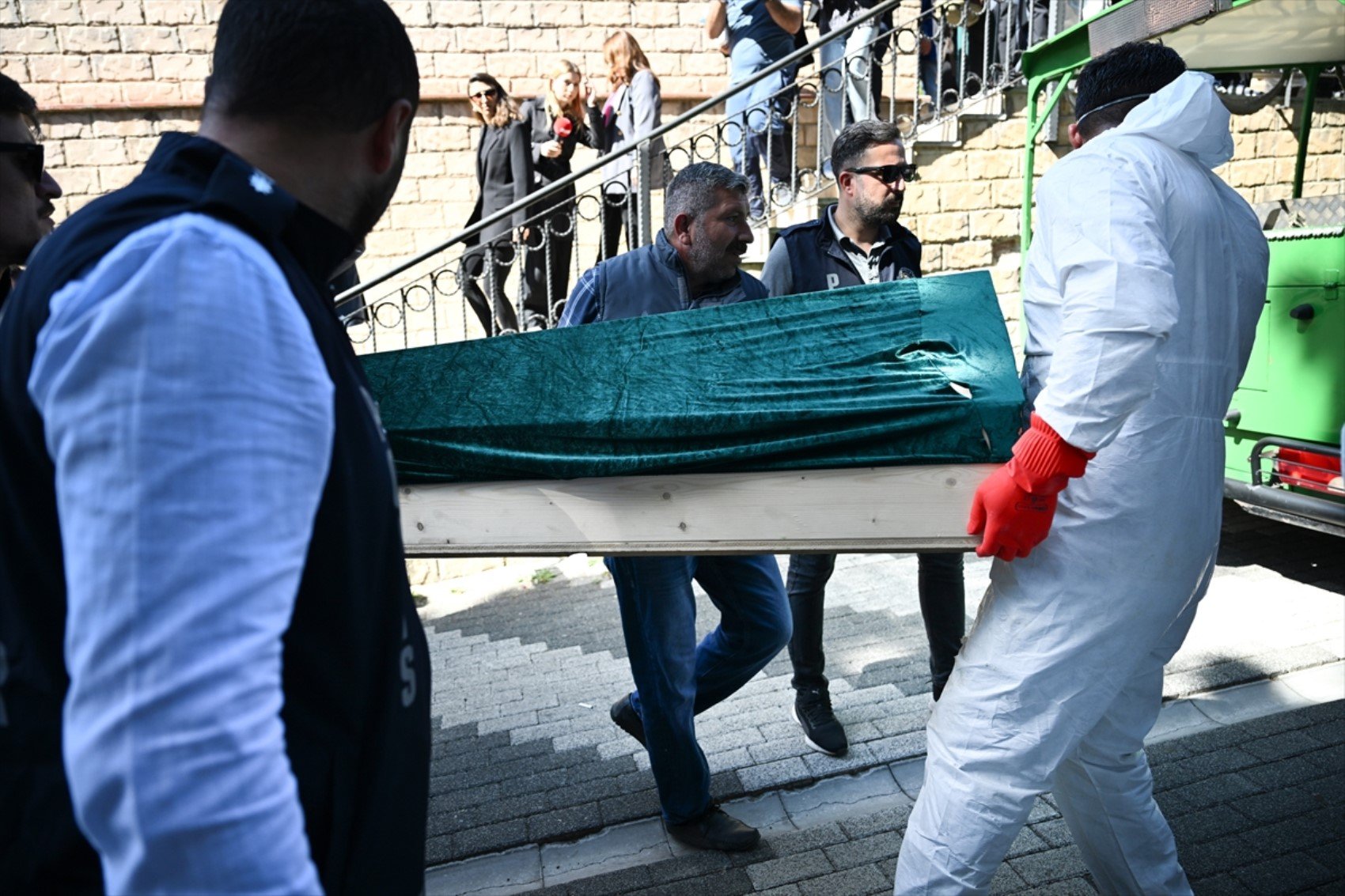
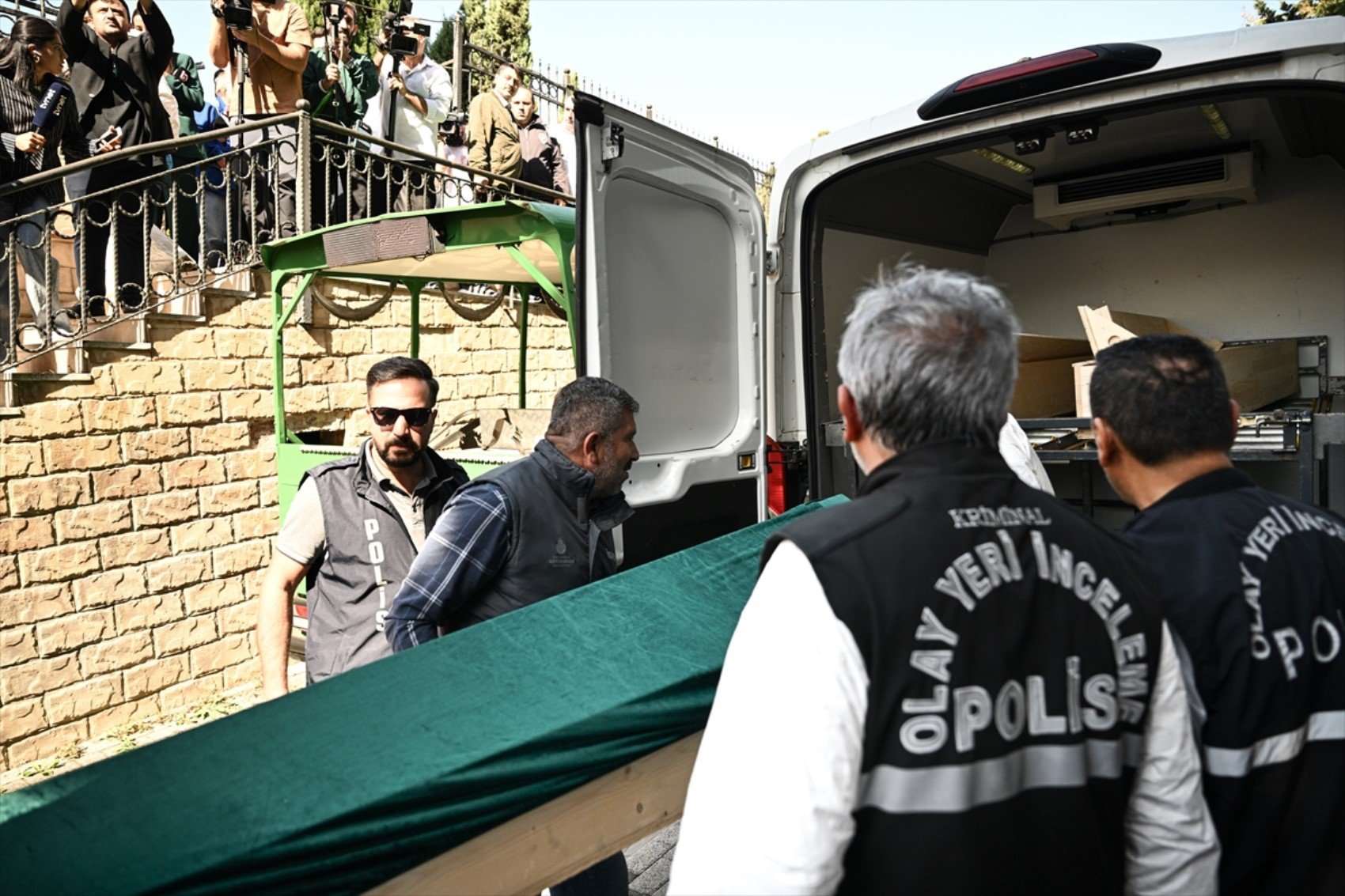
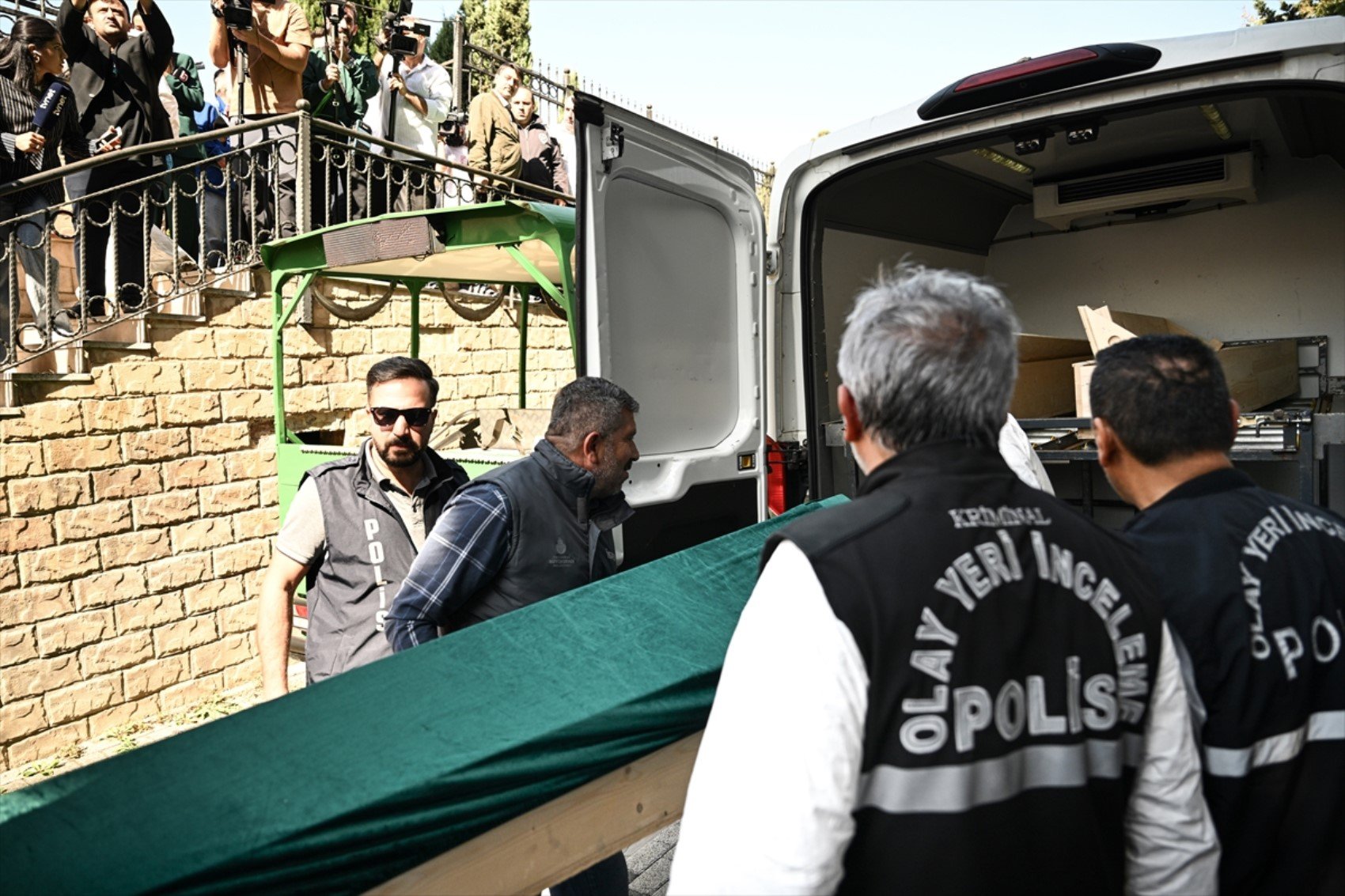
Accepting the request, the Silivri Chief Public Prosecutor's Office had issued an instruction to the Anatolian Chief Public Prosecutor's Office for the exhumation of Cem Garipoğlu's grave. The demand from both the Karabulut and Garipoğlu families that "the grave be opened so that the public conscience may be put at ease" was met, and Cem Garipoğlu's grave was opened in recent days. Bone samples taken from the grave were taken to the Council of Forensic Medicine for examination.
 4 / 20
SAMPLES ALSO TAKEN FROM PARENTS
Following the transfer of the remains taken from the exhumed grave of the murder suspect Garipoğlu to the Istanbul Council of Forensic Medicine, police teams went to the addresses of Garipoğlu's mother and father and brought both individuals to the Istanbul Council of Forensic Medicine.
 5 / 20
Oral swab samples and blood samples were taken from both individuals to be compared with Cem Garipoğlu's DNA. The results from the Council of Forensic Medicine are awaited to resolve the 10-year-old mystery.
 6 / 20
A PLASTIC BAG FOUND IN THE GRAVE
During the exhumation of Cem Garipoğlu's grave, a knotted plastic bag measuring 30x30 cm was discovered inside.
 7 / 20
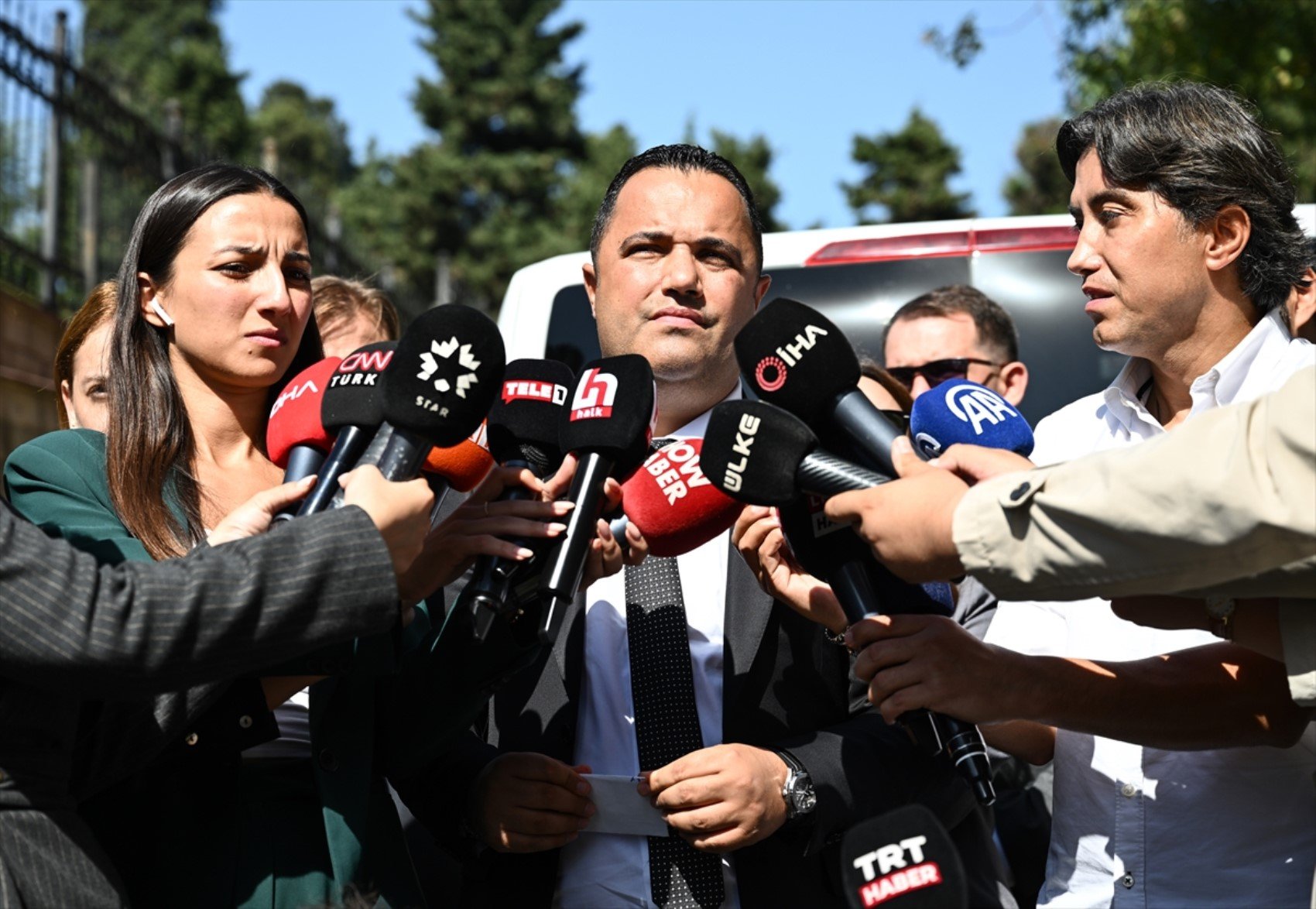
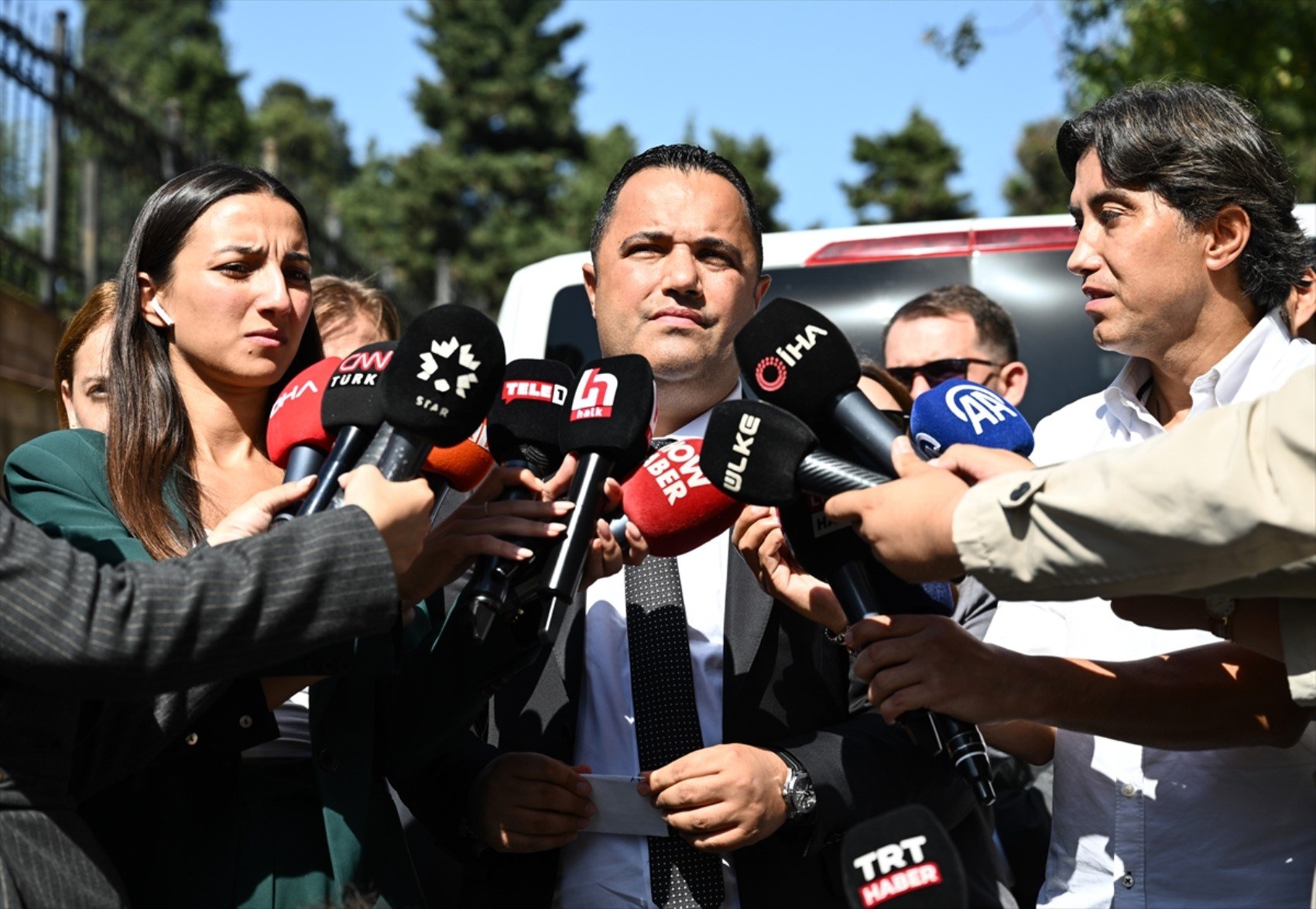
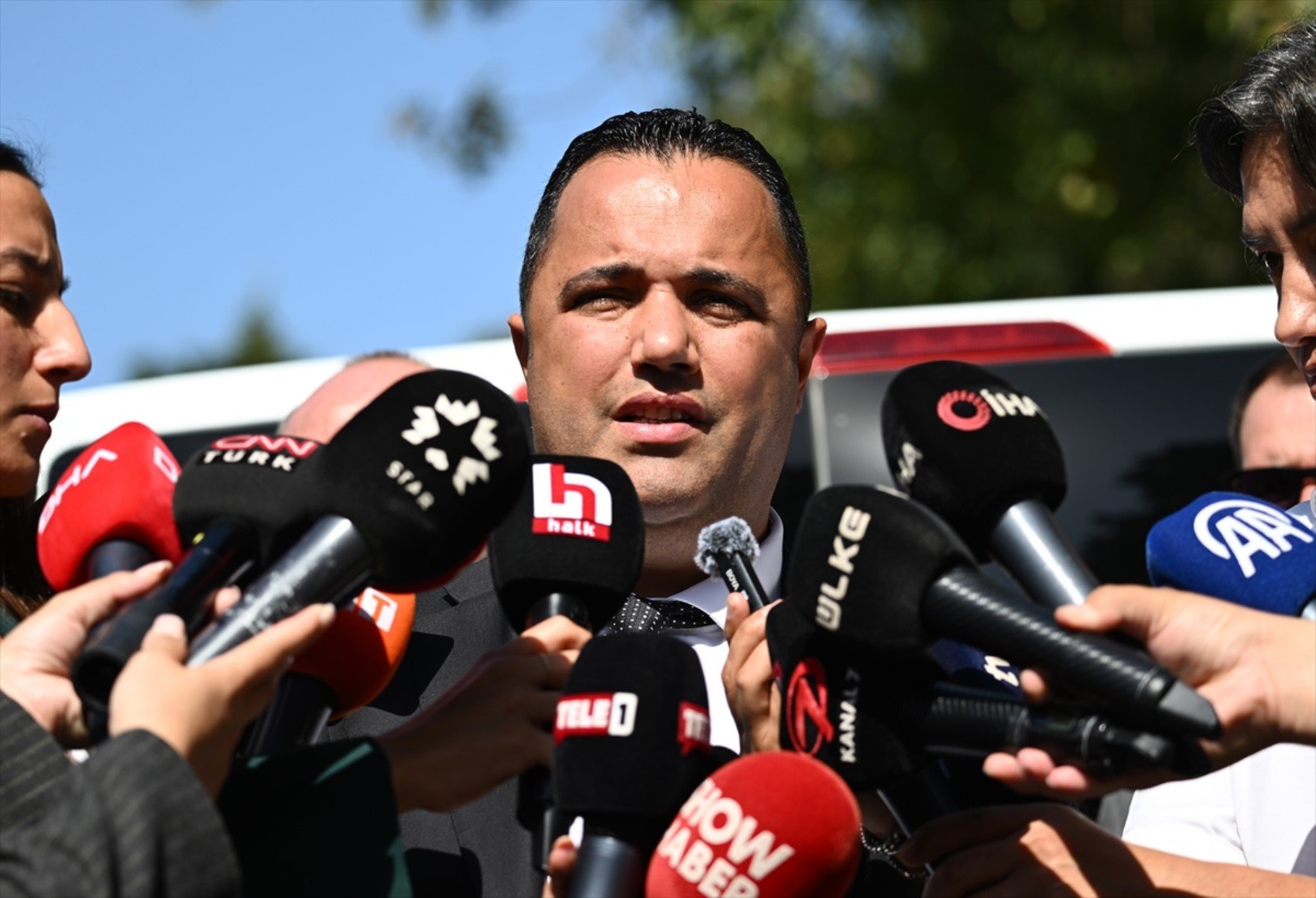
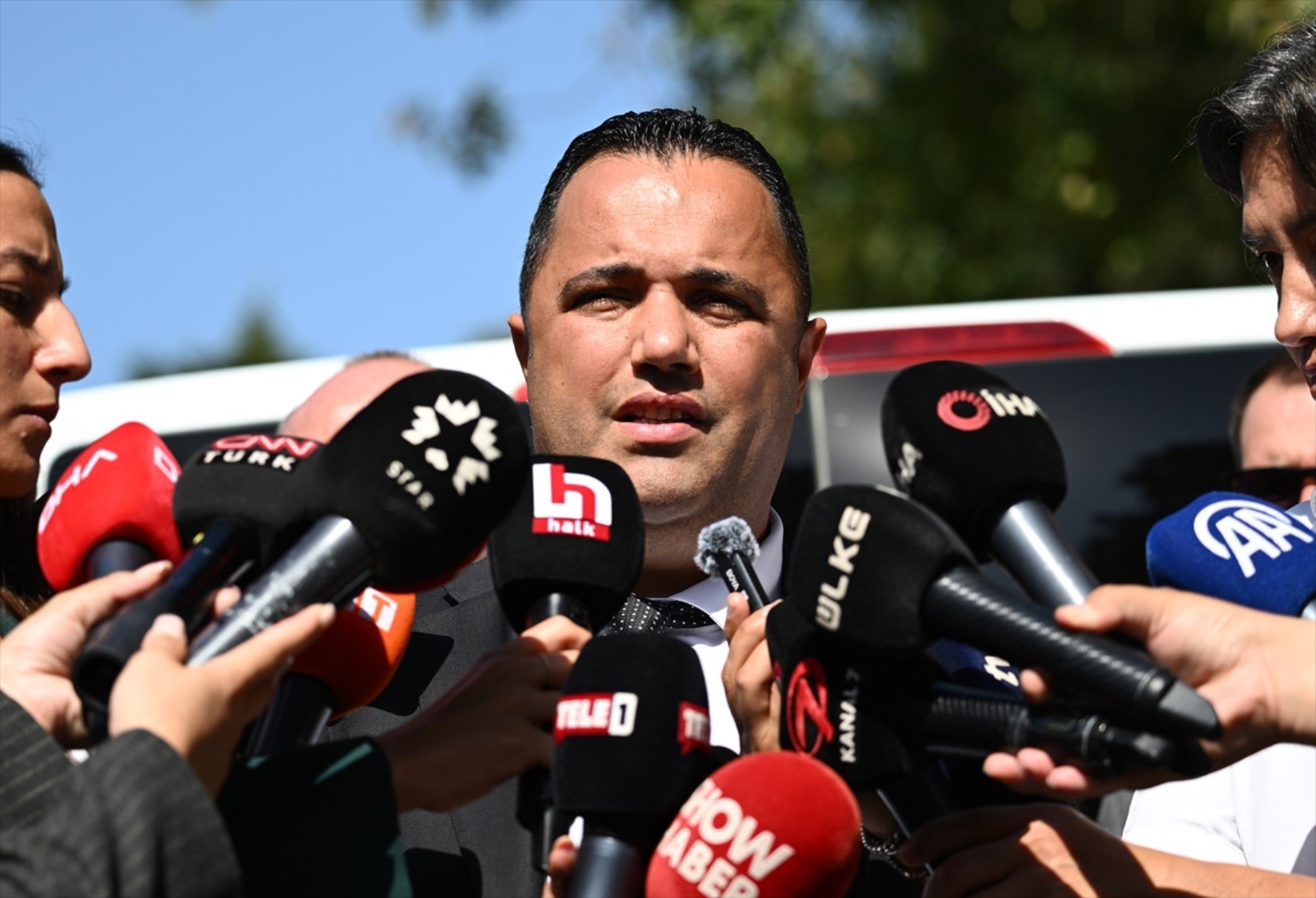
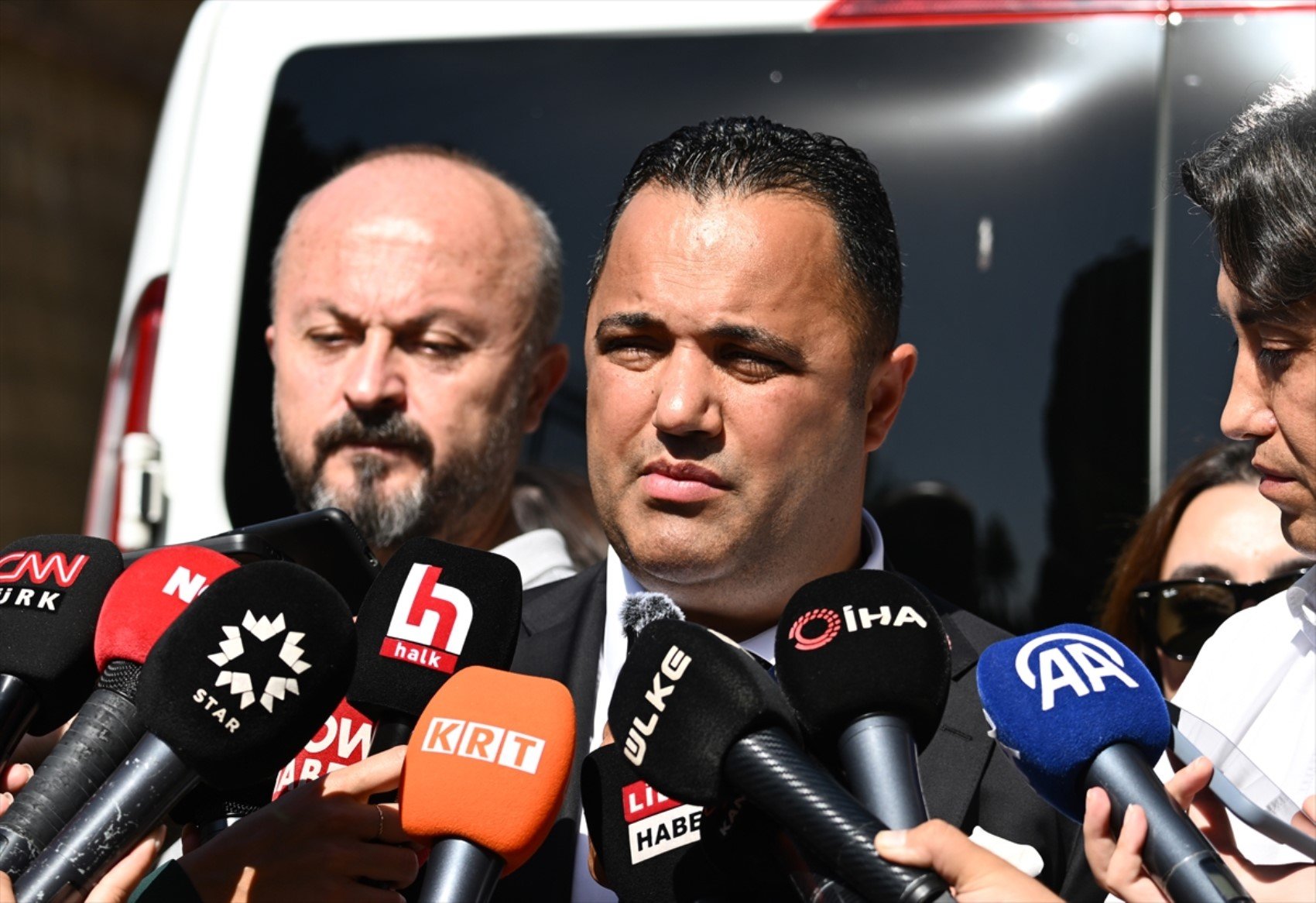
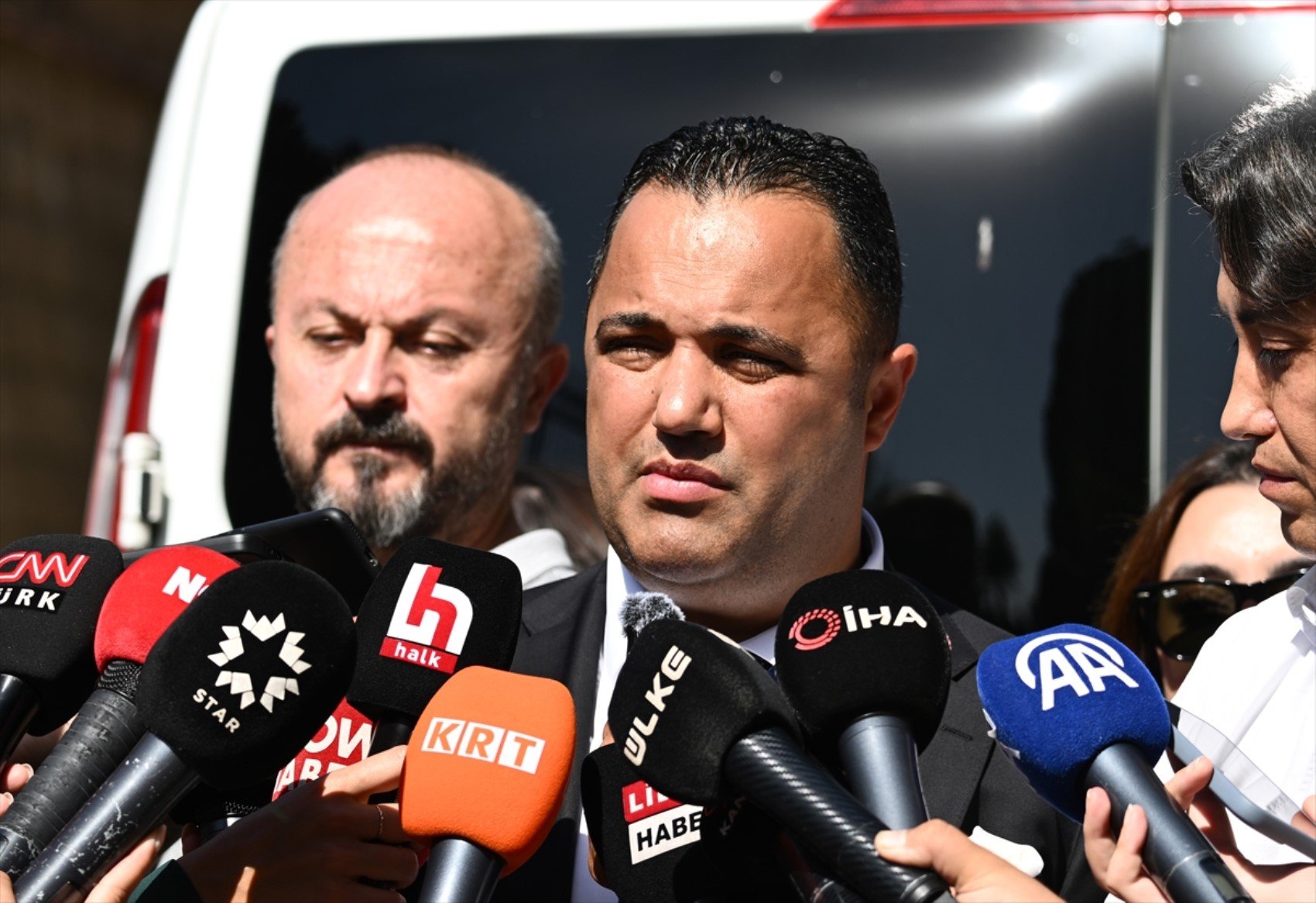
Rezan Epözdemir, the lawyer for the Karabulut family, has filed an application with the Silivri Chief Public Prosecutor's Office requesting an investigation into the suspicious bag. Whether the body in the grave belongs to Garipoğlu will be clarified following the examination to be conducted.
 8 / 20
FINDING A PLASTIC BAG IN A GRAVE IS NOT NORMAL
Family law expert lawyer Varol Turbay, who has witnessed hundreds of exhumations across Turkey and has had numerous graves opened to collect DNA samples, spoke to Sabah about this issue. Turbay stated, "For an accurate result, samples should also be taken from Cem Garipoğlu's mother and father for comparison."
 9 / 20
After 10 years, there may be no shroud left in a grave. Depending on soil and climate conditions, sometimes the shroud can still remain even after 30 years have passed. Furthermore, hair can also sometimes remain even after 30 years. Throughout my professional life, I have witnessed hundreds of exhumation procedures.
 10 / 20
"It is the first time I have seen a plastic bag come out of a grave. Cem Garipoğlu had committed suicide by putting a bag over his head and suffocating. In some cases, a plastic bag can be used to stop bleeding from a wound. However, since there was no wound on Cem Garipoğlu's body, the appearance of the plastic bag was surprising. Unless it was used as a compress for a wound, there would otherwise be no plastic bag in the grave," he said.
 11 / 20
FORENSIC MEDICINE REACHES A CONCLUSION BY AMPLIFYING DNA
Stating that since Cem Garipoğlu had a Y chromosome from his father and an X chromosome from his mother, bone samples must be compared with samples taken from both parents, Varol Turbay noted, "Since a sister has XX chromosomes, it would definitely be correct to also take samples from the mother and father."
 12 / 20
"When a grave is opened after 2-3 months, there is foaming, saponification, and a heavy odor in the grave. At first, the body may become unrecognizable. Furthermore, within 3-5 days after death, the body may darken depending on climatic conditions. There is no need to be alarmed by these complex situations. The Council of Forensic Medicine reaches a conclusion by enabling the amplification of DNA using the PCR method," he said.
 13 / 20
Explaining that cases of chimerism can also be encountered from time to time, Turbay said, "Chimerism, meaning having two different DNAs in the same body, is possible. For this reason, it is beneficial to collect different biological samples such as oral swabs, blood, and hair follicles from living individuals at the same time."
 14 / 20
IF THE RIGHT SAMPLE IS OBTAINED, THE RIGHT RESULT WILL EMERGE
Stating that he has participated in hundreds of exhumations in very different cities, from Adana to Aksaray, Istanbul to Izmir, and Manisa to Muğla, Turbay said, "Depending on the individuals' religious beliefs, burial methods, the soil structure of the region, and the person's bone structure, DNA analysis can be performed even after 40-50 years."
 15 / 20
Samples taken from a 10-year-old grave, particularly teeth and hip bone samples from Cem Garipoğlu, will lead to an accurate result.
 16 / 20
In our previous studies, the Council of Forensic Medicine has even determined whether the bone of the person in the grave belonged to a man or a woman, or to an elderly or young person.
 17 / 20
"As a result, if the correct sample is sent to the Council of Forensic Medicine, the correct result will emerge," he said.
 18 / 20
 19 / 20
 20 / 20
News Source : 12punto