 1 / 6
1 / 6
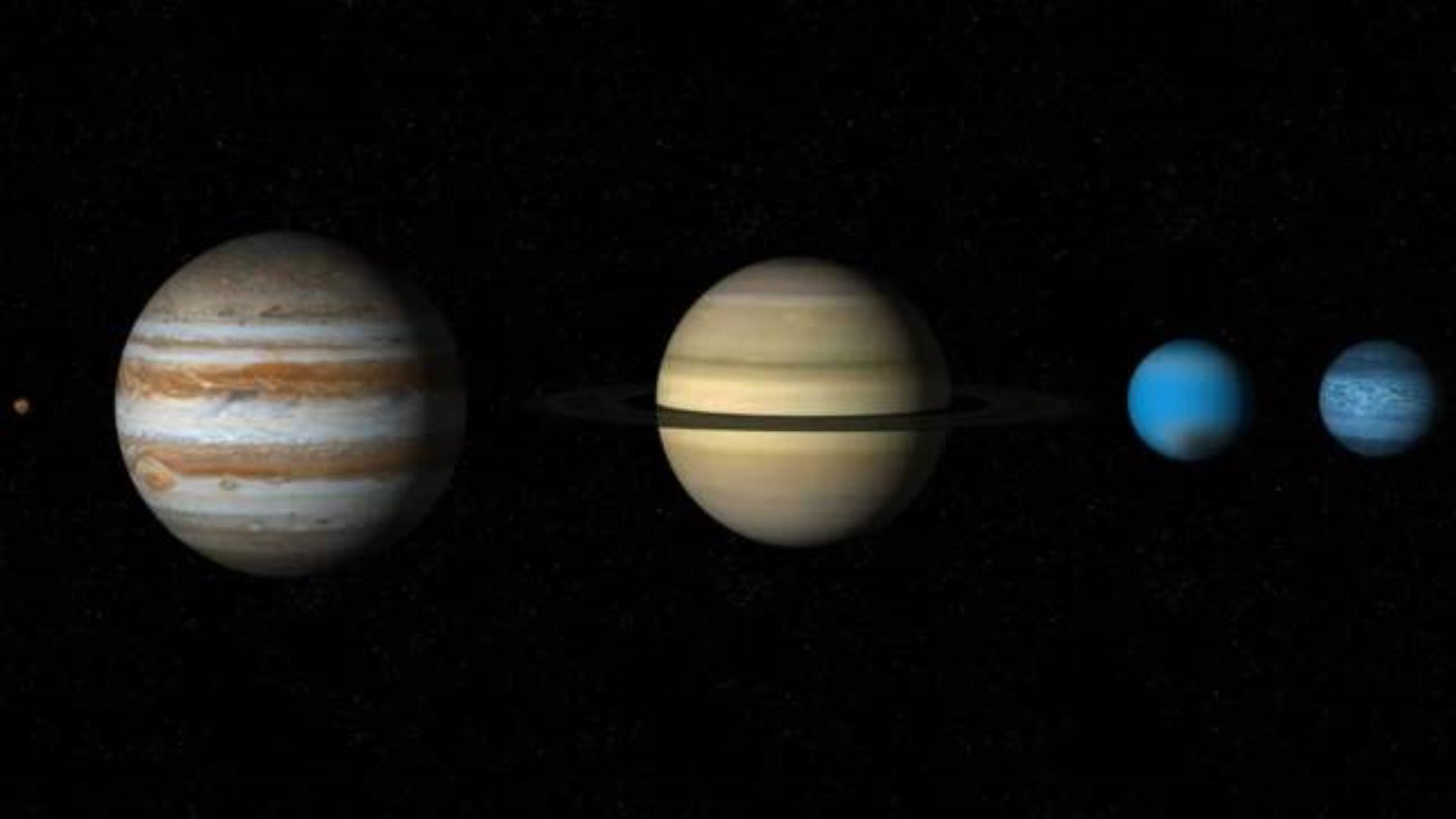
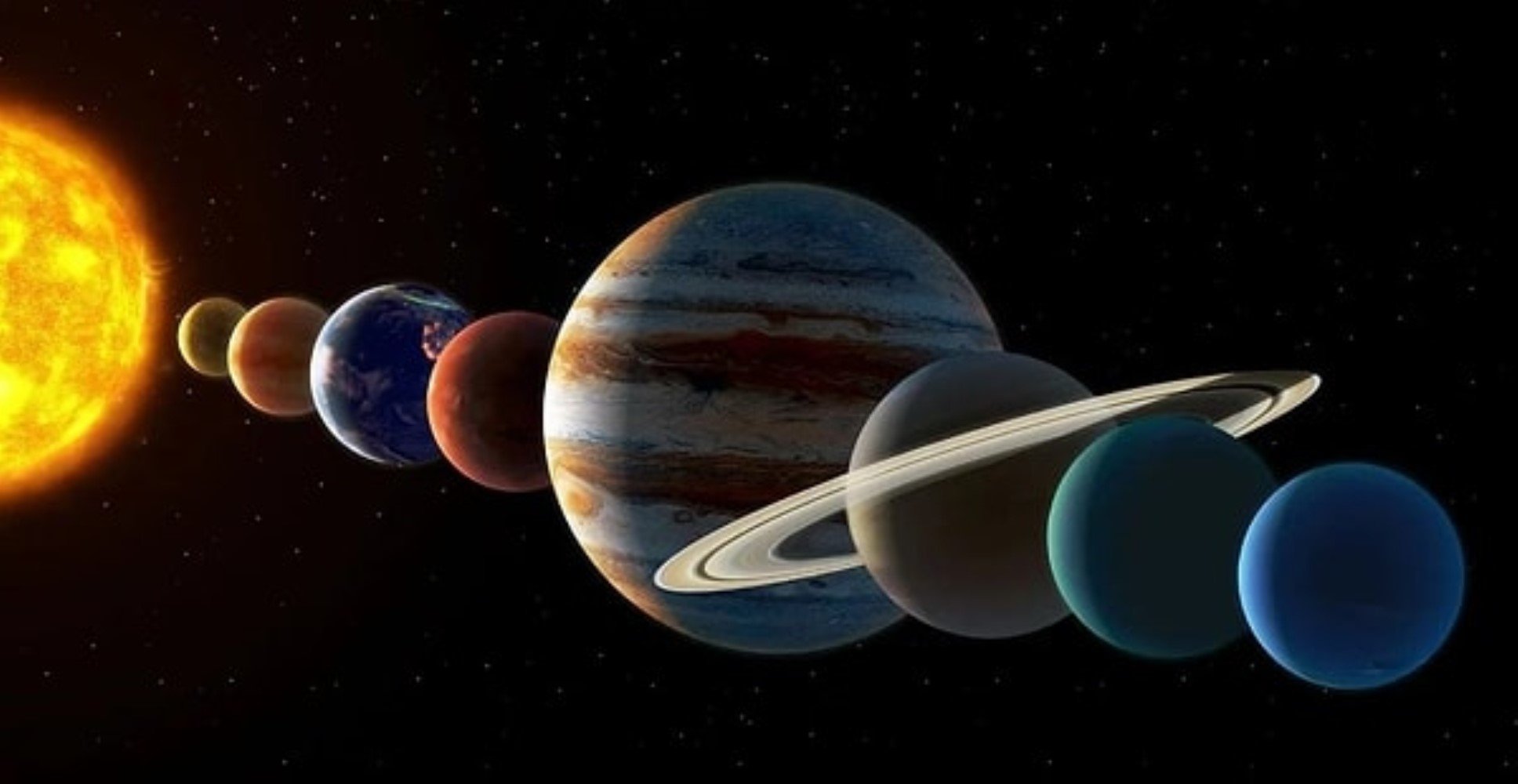
According to BBC reports, six planets—Venus, Mars, Jupiter, Saturn, Uranus, and Neptune—can be seen on cloudless nights in January and February. In February, for one night only, Mercury will also join these planets, resulting in an alignment of seven planets that will be visible in certain regions.
However, such events are not just a spectacle for astronomy enthusiasts. They can have a real impact on our solar system and have the potential to provide new clues about our place within it.
ORBITING THE SUN
The eight major planets in the solar system orbit the Sun on the same plane, all at different speeds. While Mercury, the closest planet to the Sun, completes its orbit in 88 days, Earth takes 365 days, and Neptune takes 60,190 days, or 165 Earth years.
 2 / 6
2 / 6
The different speeds of the planets sometimes mean that some of them line up on the same side of the Sun. When orbits align along the same line, we can see multiple planets at the same time at night. Rarely, the planets align in such a way that they can all show themselves at night along the Sun's ecliptic path.
Mercury, Venus, Mars, Jupiter, and Saturn are bright enough to be seen with the naked eye. Binoculars or a telescope are required to see Uranus and Neptune.
WHEN CAN THE PLANETARY ALIGNMENT BE SEEN?
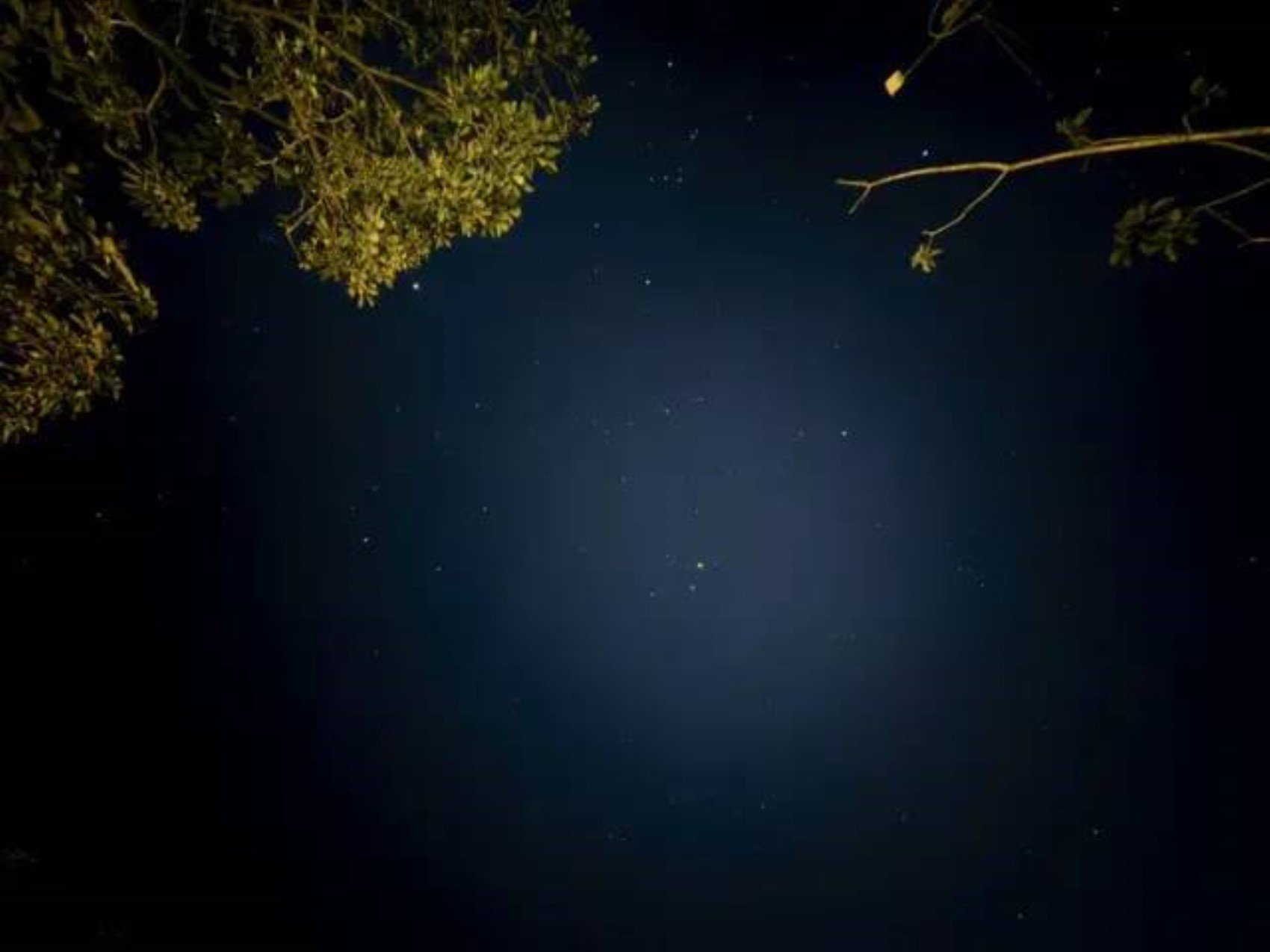
We can observe this event in January and February. The planets do not align perfectly. Therefore, they will appear as if they are located along the same arc across the orbital plane of the Solar System.
On cloudless nights in January and February, all planets except Mercury are visible. This is sometimes called a planetary parade. However, if weather conditions permit on February 28, all seven planets will be visible to observers on the ground.
 3 / 6
3 / 6
Jennifer Millard, an astronomy expert at Fifth Star Labs in the UK, says, "There is something special about seeing the planets with your own eyes."
"Yes, you can see more striking views of all these planets on Google. But when you look at these objects, these will be photons that have traveled millions, billions of kilometers to reach your retina."
EVERYTHING IS A COINCIDENCE
So, while this is a spectacular event to witness, will the alignment have an effect on Earth? Or could it increase our knowledge of the Solar System or beyond?
In fact, Millard says, "It is a coincidence that they are in this position in their orbits."
Although some scientists think that planetary alignment could have effects on Earth, most of these claims have weak or no scientific basis. However, in 2019, researchers showed that planetary alignment could have an effect on solar activity.
One of the main unanswered questions about the Sun is how the 11-year cycles, known as the solar maximum where activity on the Sun peaks and then weakens, are formed.
Physicist Frank Stefani from the Helmholtz-Zentrum research center in Dresden-Rossendorf, Germany, believes that the combined tidal forces of Venus, Earth, and Jupiter could be the answer to the question.
Although the tidal pull of the planets on the Sun individually is very small, Stefani states that the force known as Rossby waves, which emerges when two or more planets align with the Sun, can lead to small cycles within the Sun. Rossby waves also affect weather events on Earth.
Stefani says, "Rossby waves cause cyclones and anti-cyclones on Earth. The same Rossby waves exist on the Sun." According to Stefani's calculations, the alignment of Venus, Earth, and Jupiter would cause a 11.07-year periodicity in solar activity. This is a duration that almost overlaps with the cycles we see on the Sun.
However, not everyone is convinced. Some are of the opinion that solar activity can already be explained by processes within the star itself.
 4 / 6
4 / 6
Robert Cameron, a solar scientist at the Max Planck Institute for Solar System Research in Germany who published a study on this subject in 2022, says, "Observational evidence suggests that the planets do not directly cause the solar cycle. There is no evidence of any synchronization."
However, planetary alignment has a less controversial benefit that will definitely have an impact on us: its benefits for scientific observations, especially in the exploration of the Solar System.
Sending spacecraft to distant planets can take decades. Using the gravitational pull of a well-positioned planet like Jupiter to help a spacecraft skip distances can significantly reduce travel time. The best at doing this currently are NASA's Voyager spacecraft.
In 1966, NASA expert Gary Flandro calculated that the four outermost planets—Jupiter, Saturn, Uranus, and Neptune—would align. According to the calculations, it would be possible to visit them all in 12 years instead of 30 in 1977. This alignment, which occurs every 175 years, led NASA to send the Voyager 1 and Voyager 2 spacecraft on a "Grand Tour" to the outer edges of the Solar System in 1977.
Voyager 1 passed by Jupiter in 1979 and Saturn in 1980. Uranus and Neptune were avoided because scientists wanted the spacecraft to pass by Saturn's impressive moon Titan, and this could not be done without that gravity assist.
However, Voyager 2 used the alignment to visit all four planets and became the first and only spacecraft to visit Uranus and Neptune in 1986 and 1989.
 5 / 6
5 / 6
Astrophysicist Fran Bagenal from the University of Colorado and a member of the Voyager science team asks, "It worked so well. If Voyager 2 had been launched in 1980, its arrival at Neptune could have taken until 2010. It wouldn't have had support. Who would fund such a thing?"
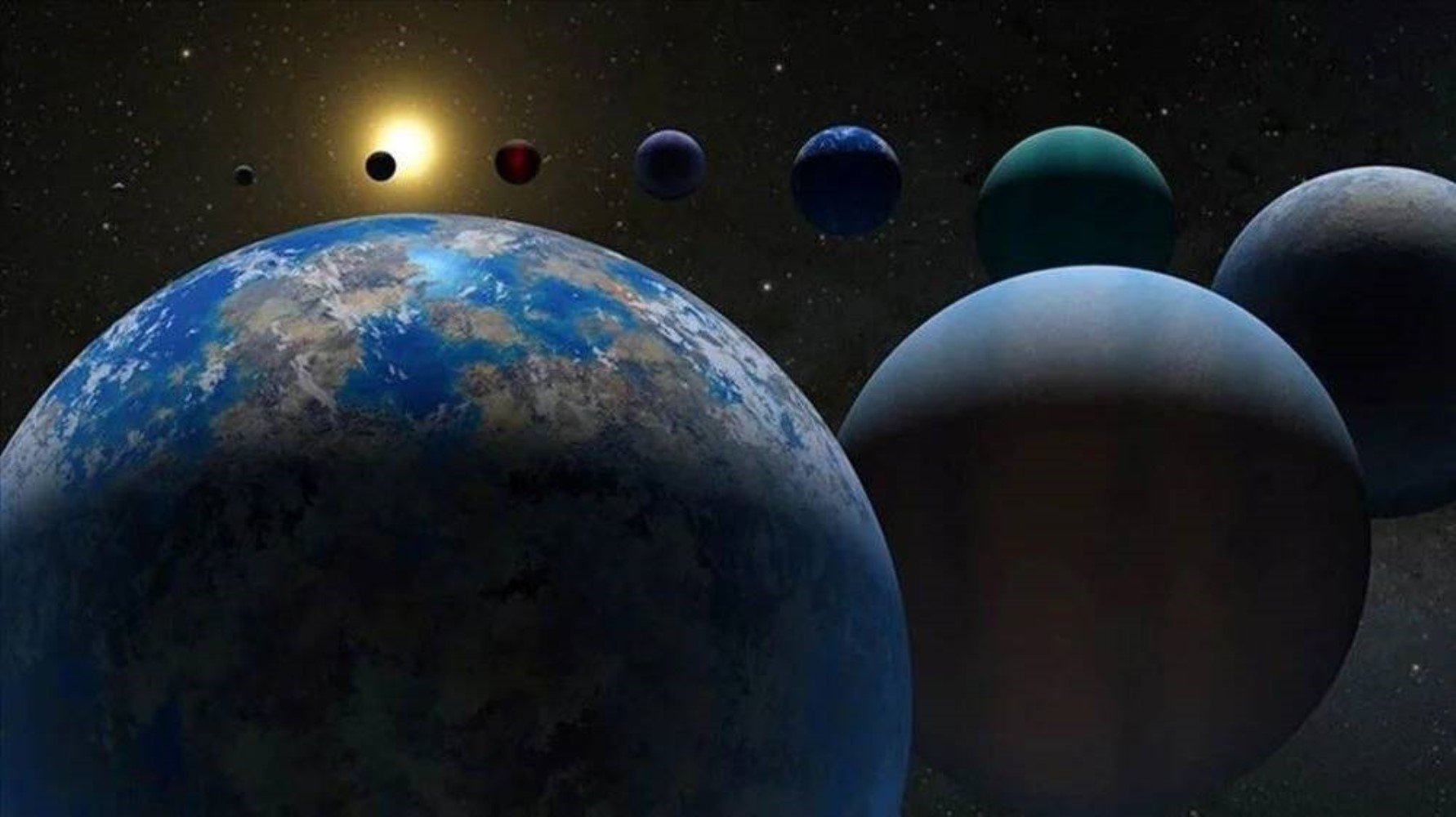
Planetary alignment is not only useful for research within the Solar System. Astronomers use alignments to research different dimensions of the universe, most notably exoplanets orbiting stars outside the Sun.
THE PATH TO NEW PLANETS: THE TRANSIT METHOD
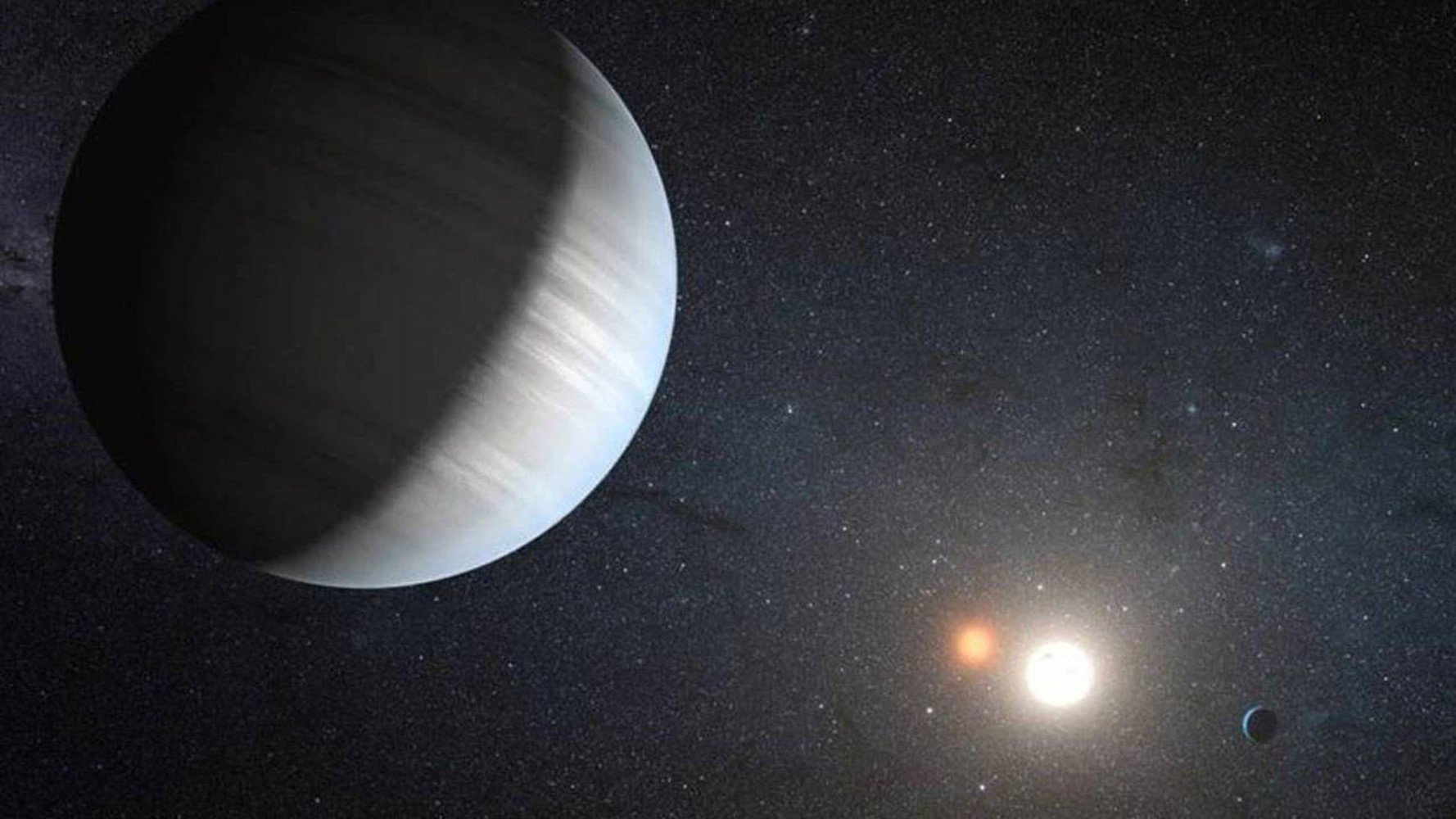
The primary way to find such worlds is known as the transit method. When an exoplanet passes in front of a star from our perspective, it reduces the light coming from the star, and its size and orbit become discernible.
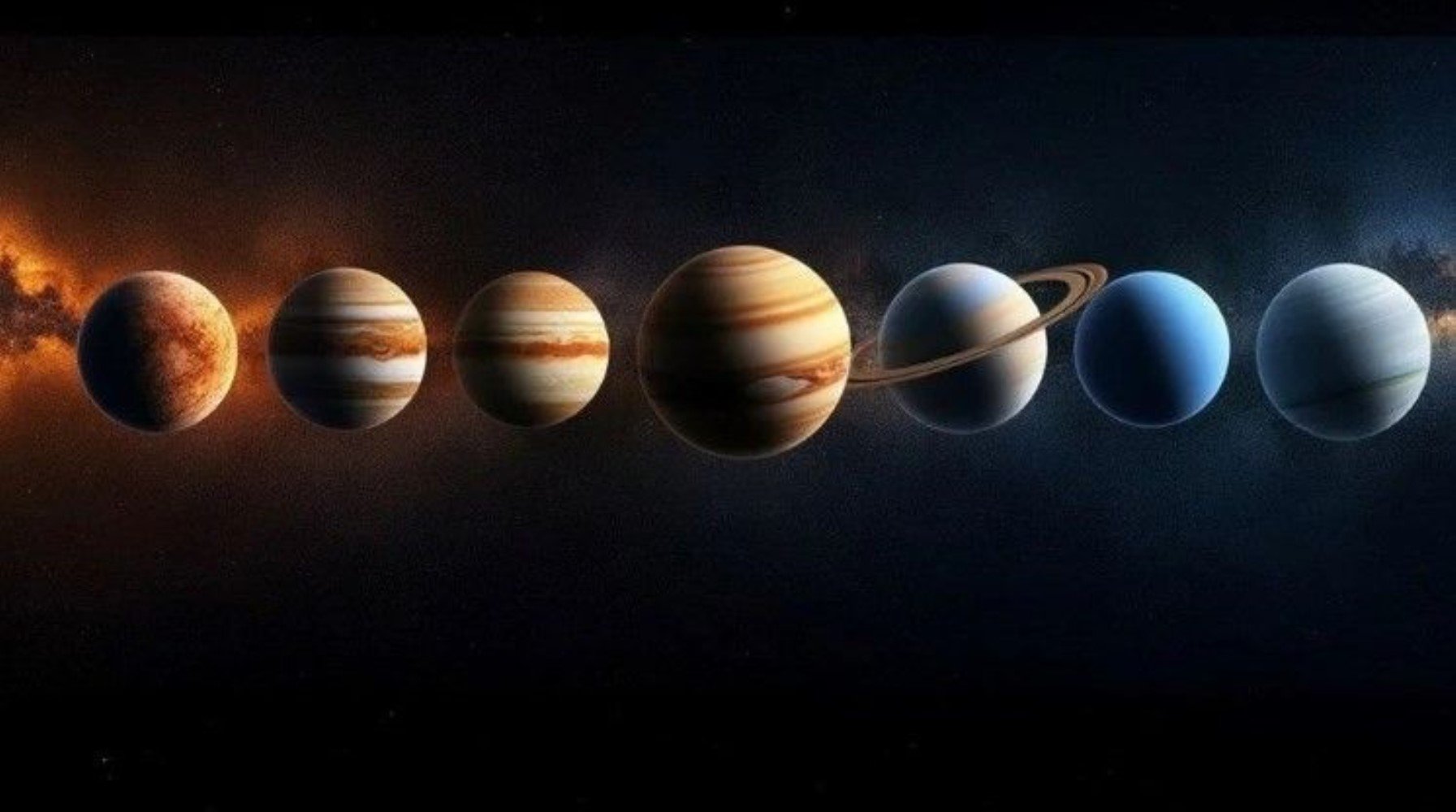
Thanks to this method, many planets orbiting various stars have been discovered. The world called Trappist-1, 40 light-years away, has seven Earth-sized planets orbiting a red dwarf star.
Using the transit method, we can also investigate whether such planets have atmospheres.
Jessie Christiansen from NASA's Exoplanet Science Institute at the California Institute of Technology says, "When a planet with an atmosphere passes in front of a star, this alignment means the star's light passes through the planet. Molecules and atoms in the planet's atmosphere absorb light at specific wavelengths."
 6 / 6
6 / 6
Thus, different gases such as carbon dioxide and oxygen can also be detected. Christiansen says, "The vast majority of our atmospheric composition analysis is thanks to these alignments."
Much larger alignments can help us study distant points in the universe. Especially the alignment of galaxies. It is difficult for us to observe galaxies in the very early periods of the universe because they are very faint and distant.
However, if a large galaxy or cluster of galaxies aligns with a much more distant and early galaxy, the large gravitational force can magnify the light of the more distant object and allow us to observe it. This process is called gravitational lensing.
Christiansen says, "These are giant alignments across the universe." Telescopes like the James Webb Space Telescope are used to observe the most distant stars and galaxies known from Earth, such as Earendel.
The light reaching the telescope from the star comes from the first billion years of the universe's 13.7 billion-year history and can only be seen thanks to gravitational lensing.
News Source : 12punto