



 1 / 7
1 / 7
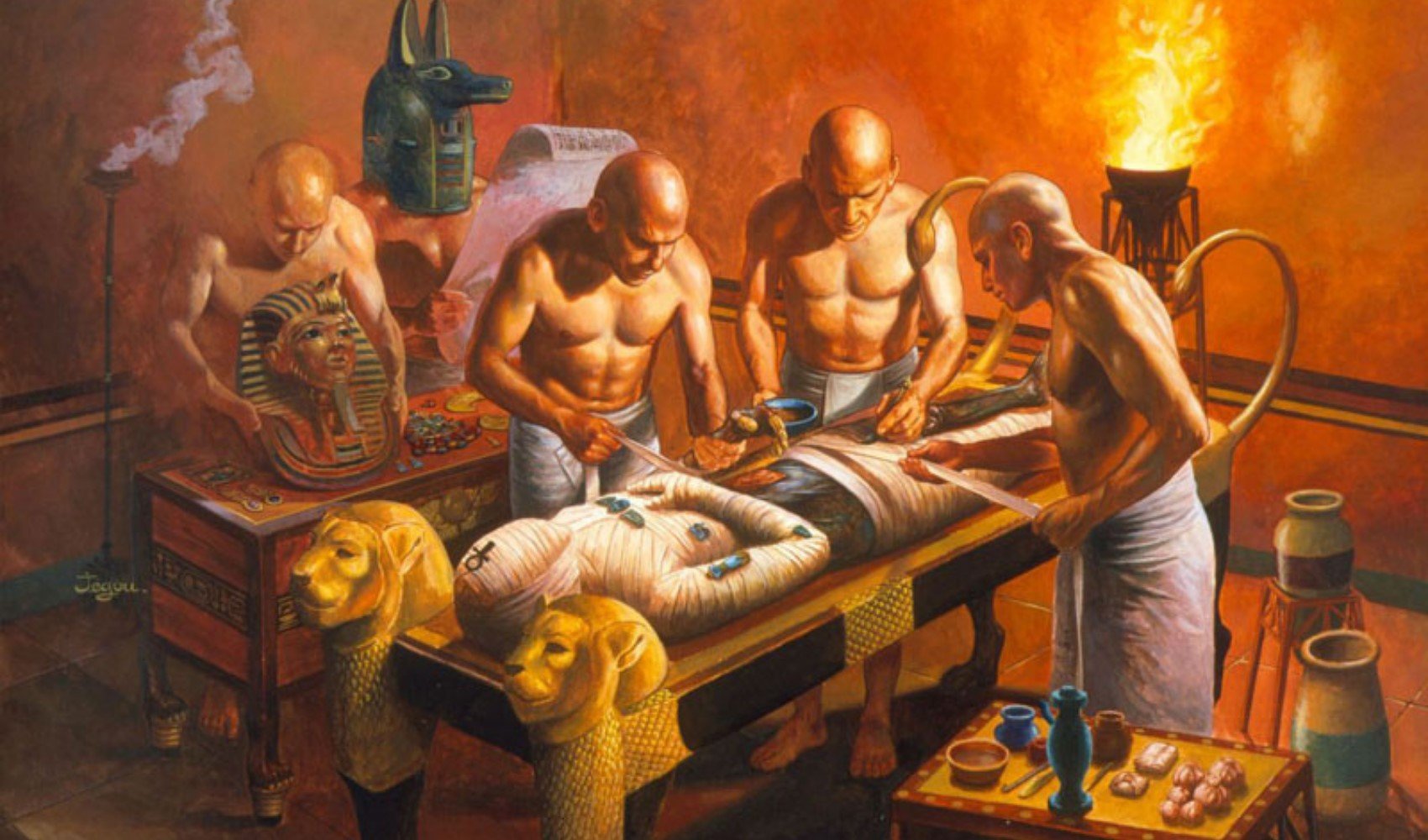
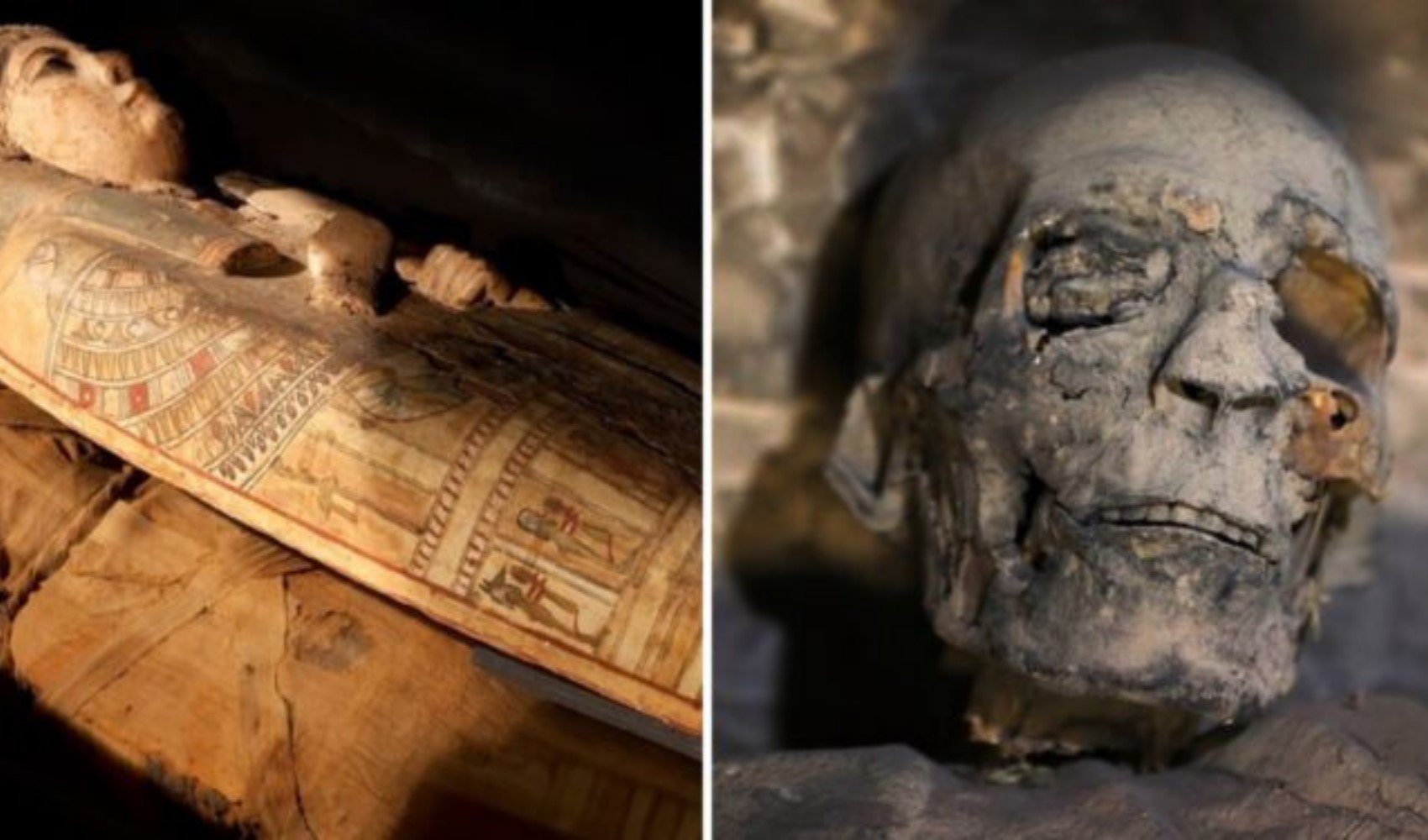
Although the tradition of mummification began very early in ancient Egypt, it reached its most advanced state during the New Kingdom period (1549-1069 BC). The mummification techniques used during this period were more detailed and professional than in later periods. After the New Kingdom, the quality of mummification techniques declined, though they continued until the Ptolemaic period.
 2 / 7
2 / 7
HOW WAS THE MUMMIFICATION PROCESS CARRIED OUT?
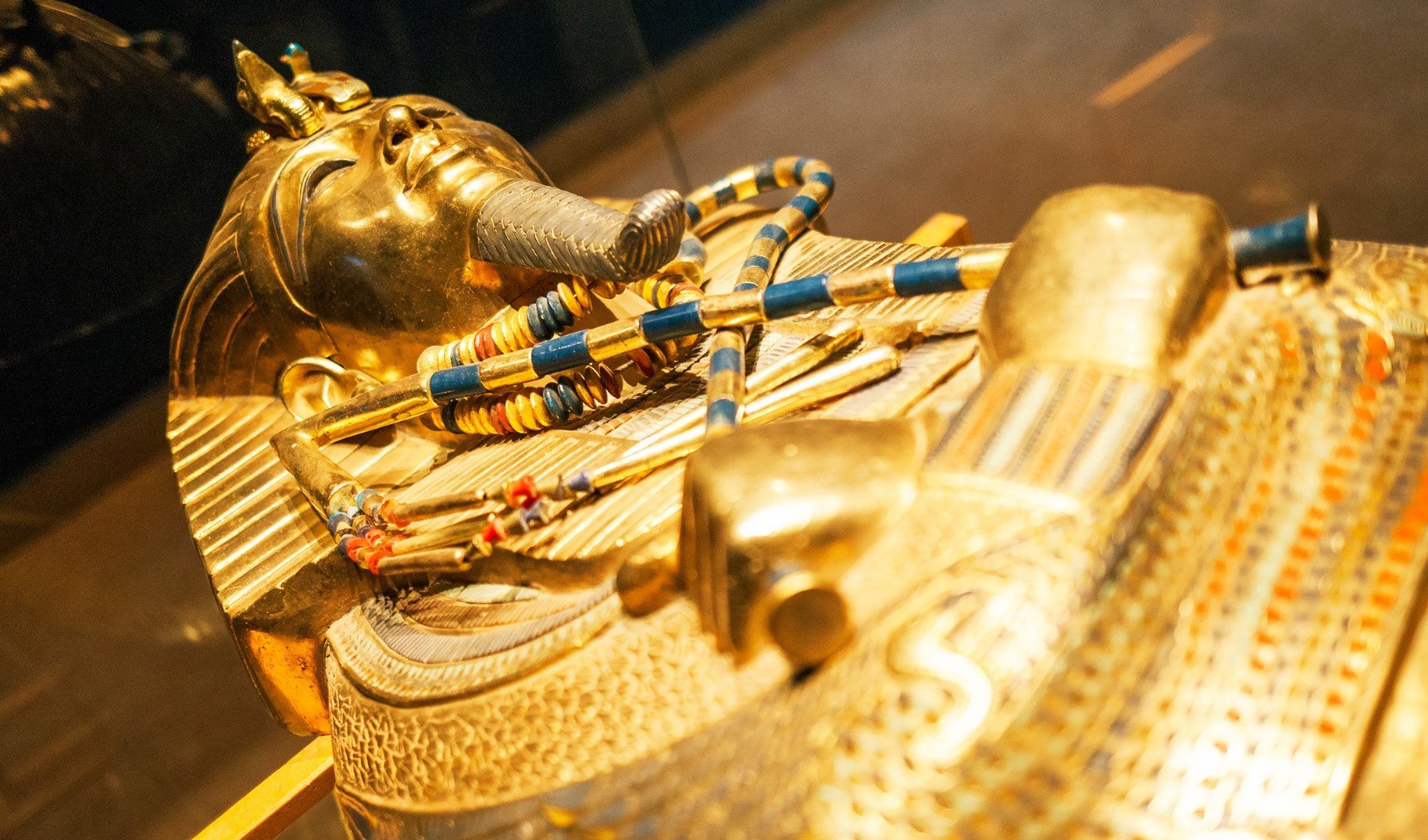
The mummification process took approximately 70 days. As a first step, the corpse was left to rest for 3 days. Then, the body was soaked in potassium and left for a week. After a week, the removal of the organs began. The brain was drained by inserting a metal rod through the nostril. Other organs were removed through an incision made on the left side of the body. The heart was generally not removed, but if it was, it was mummified and placed back. The removed organs were placed in four jars. Each of these jars was dedicated to a specific god: Duamutef (jackal) held the stomach, Imsety (human) the liver, Qebehsenuef (falcon) the intestines, and Hapi (baboon) the lungs.
 3 / 7
3 / 7
WHERE WERE THE MUMMIFIED ORGANS PLACED?
The removed organs were placed in jars known in Egypt as "canopic" jars. These jars bore the symbols of the gods, and each housed a specific organ. The stomach was placed in jars featuring the Duamutef (jackal) figure, the liver in jars with the Imsety (human) figure, the intestines in jars with the Qebehsenuef (falcon) figure, and the lungs in jars with the Hapi (baboon) figure.
 4 / 7
4 / 7
WHY WAS THE CORPSE COVERED IN SALT?
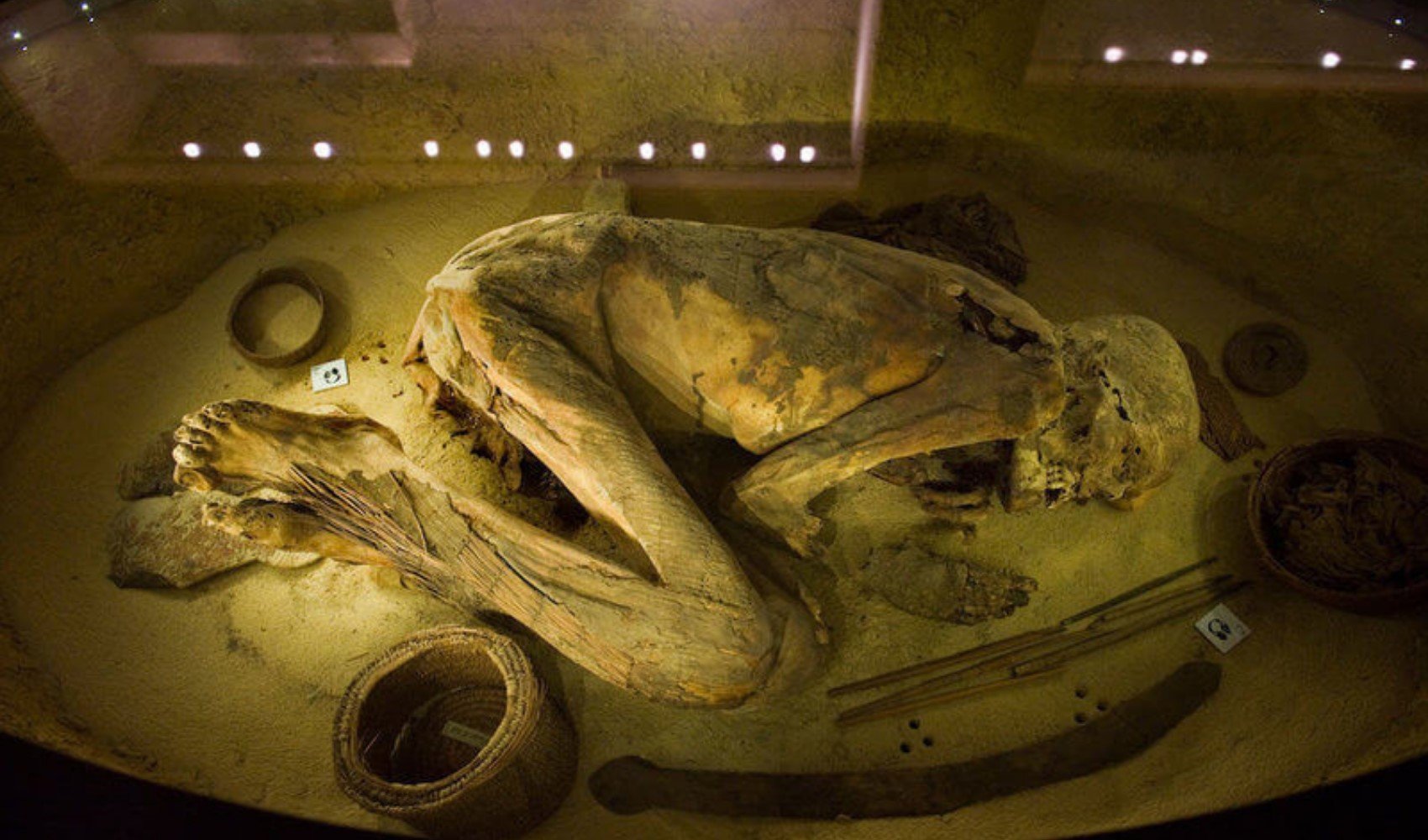
During the mummification process, the corpse was covered with a salt called natron. This salt absorbed the moisture from the body, allowing it to dry out. This process took 40 days. The salting process was a critical step to ensure the corpse would last for a long time without decaying. After salting, the body was treated with special oils to keep it flexible.
 5 / 7
5 / 7
HOW WAS THE WRAPPING PROCESS DONE AND WHAT WAS ITS PURPOSE?
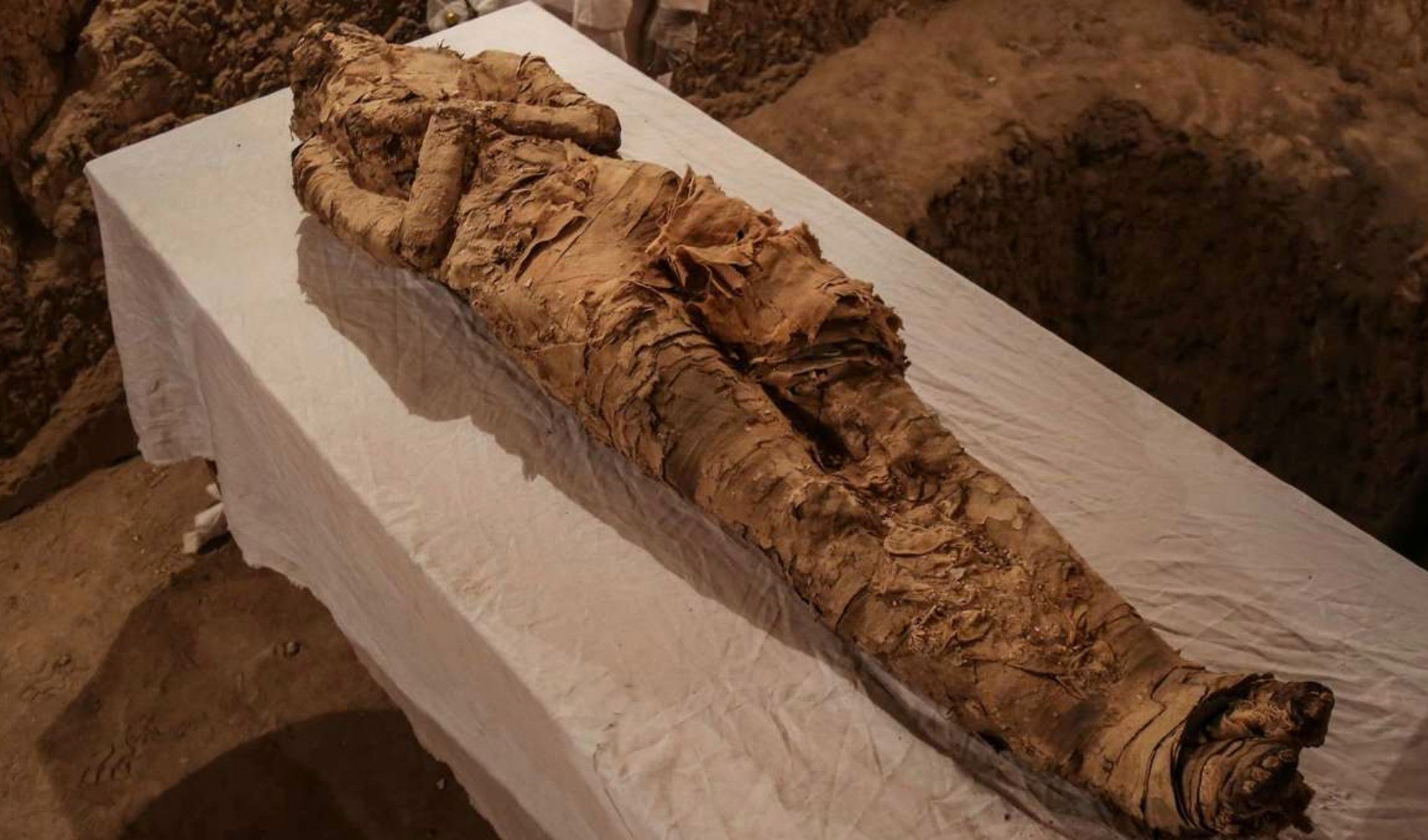
The mummified body was filled with materials such as sawdust and straw soaked in oil and resin to maintain its body shape. Once these materials were inserted, the openings in the body were stitched with palm thread, and the wrapping process began. In each layer, valuable jewelry and items were added to protect the person in the afterlife. Additionally, in each layer, pleasant scents and resins were applied to the body. These procedures were performed to ensure the mummy was protected in the afterlife.
 6 / 7
6 / 7
WHAT IS A MUMMY MASK AND WHAT DOES IT SIGNIFY?
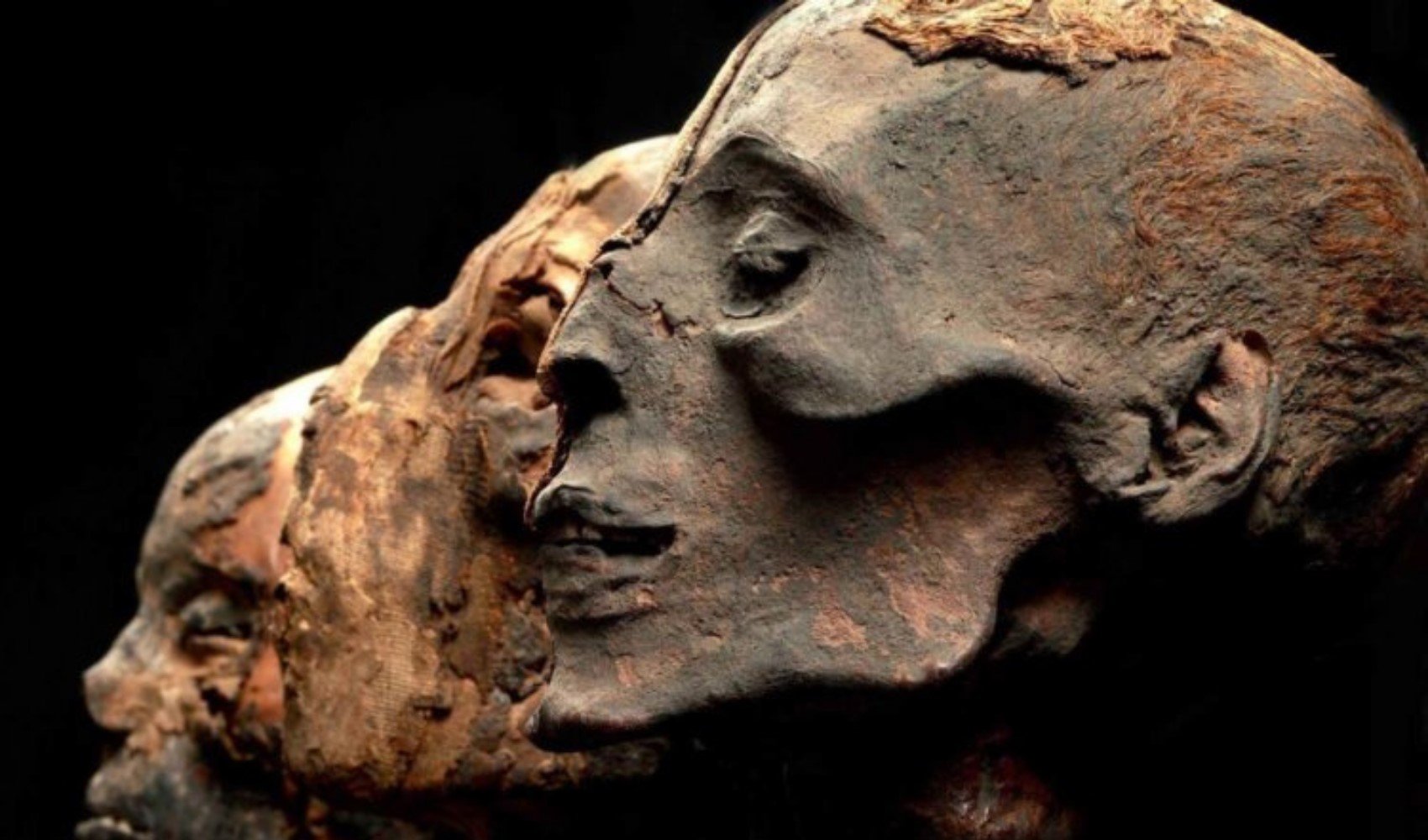
After the wrapping process was completed, the head embalmer would place the mask of Anubis on the head. Anubis is the god of mummification in Egyptian mythology, and it was believed that this mask would protect the soul of the deceased in the afterlife. Finally, the head embalmer would recite prayers for the dead, and the mummy would be ready to be placed in the coffin.
 7 / 7
7 / 7
COFFINS AND TOMBS: WHAT HAPPENED AFTER MUMMIFICATION?
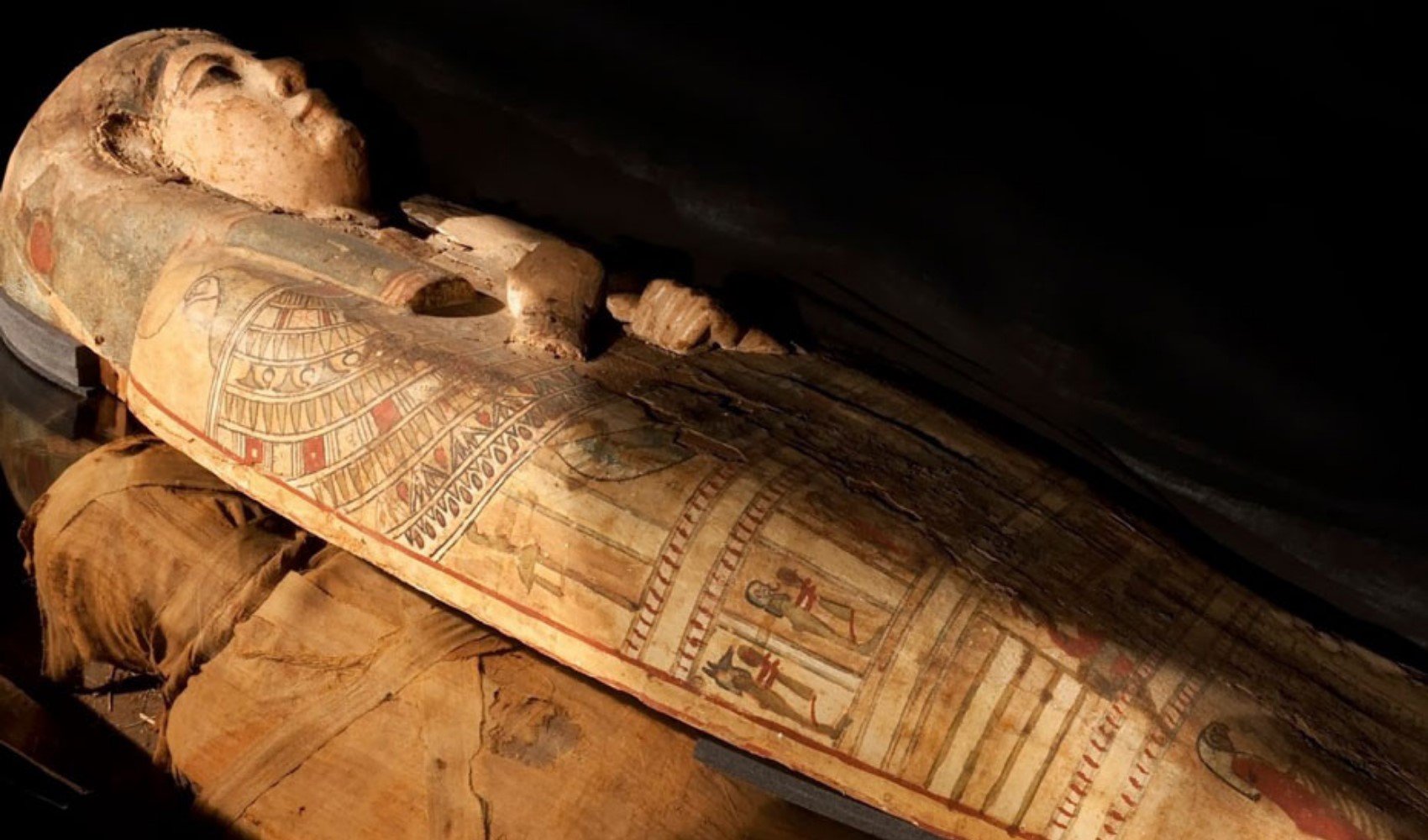
The wealthy could have their mummies placed in coffins. These coffins were rectangular in the Old and Middle Kingdom periods and were painted with bright colors. An eye known as the "udjat" was placed on the head side of the deceased, with the thought that the deceased would be able to see their surroundings in the afterlife. After the Middle Kingdom, this eye was no longer placed; instead, an idealized portrait of the deceased was painted on the coffin. While members of the royal family used multi-layered coffins, the poor were buried with a simple burial process.
News Source : 12punto









