 1 / 5
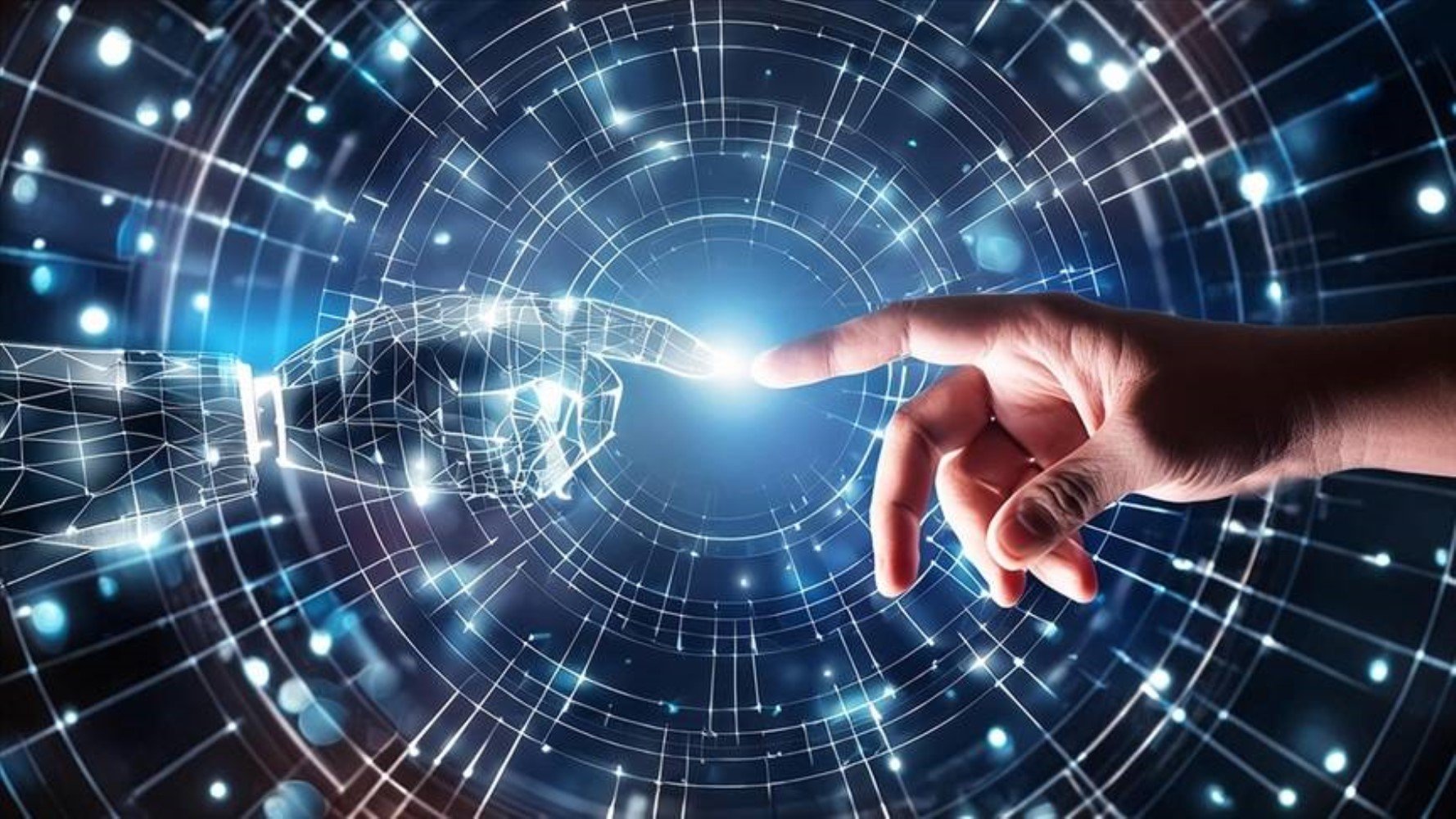
Although artificial intelligence applications make life easier, they cannot fully replace human communication.
EXCESSIVE USE LEADS TO FEELINGS OF LONELINESS
According to experts, the spread of artificial intelligence also brings some psychological risks. Specialist Clinical Psychologist Merve Umay Candaş Demir stated that artificial intelligence should not interfere with private spaces and that it is essential to consider ethical boundaries.
Specialist Clinical Psychologist Merve Umay Candaş Demir from Üsküdar University NP Feneryolu Medical Center drew attention to the effects of artificial intelligence on human psychology.
Emphasizing that artificial intelligence applications commonly used in daily life are insufficient in terms of emotional interaction, Demir pointed out that this situation could increase feelings of social isolation, loneliness, and worthlessness.
"ARTIFICIAL INTELLIGENCE CANNOT REPLACE HUMAN COMMUNICATION"
 2 / 5
Reminding that artificial intelligence is used in homes, phones, search engines, and smart systems, Demir said, "Tools such as voice-command applications and robot vacuums provide significant convenience in daily life. However, human communication is still indispensable."
Stating that it is not possible to share emotions with artificial intelligence, Demir assessed, "People want to see individuals with natural intelligence who can empathize in front of them. Automated voice response systems often make individuals feel misunderstood."
EMPHASIS ON ETHICAL BOUNDARIES AND PRIVATE SPACE
Stating that artificial intelligence should not push ethical boundaries, Demir said, "This technology should not be used to direct people's behavior or influence their consumption habits. Furthermore, it is unacceptable for it to interfere with people's private spaces. Control of artificial intelligence must remain with humans."
"EMOTIONAL FACTORS SHOULD NOT BE IGNORED"
 3 / 5
Demir said that scientific studies on artificial intelligence psychology focus more on decision-making processes in the human brain and that emotional factors are mostly neglected. "However, emotions form the basis of human decisions. Without emotional interaction, it is not possible for artificial intelligence to fully imitate human intelligence," she said.
RISK OF LONELINESS, ADDICTION, AND ATTENTION DEFICIT
Stating that excessive use of artificial intelligence can have negative effects on human psychology, Demir said the following:
 4 / 5
"Excessive use of artificial intelligence can dull a person's creativity. Furthermore, social media and other AI-supported technologies can pave the way for psychological problems such as attention deficit, addiction, and impulse control disorders. The weakening of social bonds can increase feelings of worthlessness, loneliness, and isolation in individuals."
Demir added that the benefits of technology should not be ignored, but that protecting human relationships should always be the priority.
 5 / 5
News Source : 12punto