 1 / 8
1 / 8
HOW DOES PERFECTIONIST PARENTING AFFECT CHILDREN?
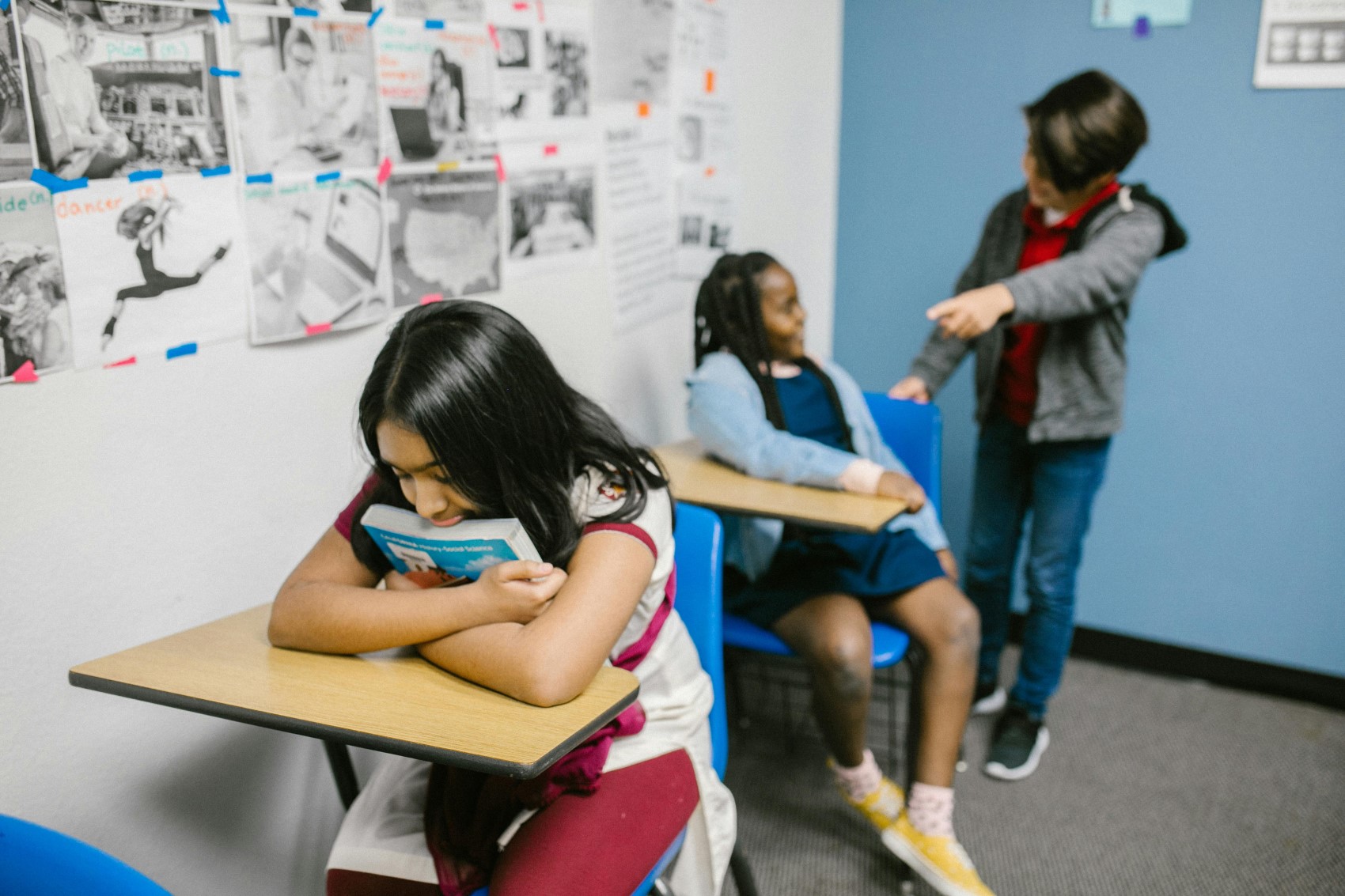
Pointing out that perfectionist parenting can lead to anxiety, lack of self-confidence, and fear of failure in children, Specialist Clinical Psychologist İnci Nur Ülkü said, "Individuals who are constantly criticized or made to feel they are not good enough in childhood may show symptoms of intense anxiety, fear of failure, and depression in their adulthood."
 2 / 8
2 / 8
THEY NEED TO FEEL VALUED
Stating that evaluating success only through grades can stifle curiosity and turn learning into a chore, Ülkü emphasized that parents should make their children feel valued for who they are, not just for their achievements.
 3 / 8
3 / 8
PRESSURE TO SUCCEED
Noting that many parents want their children to be successful, disciplined, and exemplary individuals, Ülkü said, "However, some parents exaggerate these expectations and expect their children to be perfect in every field. This manifests itself especially in areas such as academic success, sports, arts, or social skills. Families who always want the best from their children can unintentionally create pressure on them and create a psychologically damaging environment."
 4 / 8
4 / 8
PROJECT CHILD SYNDROME
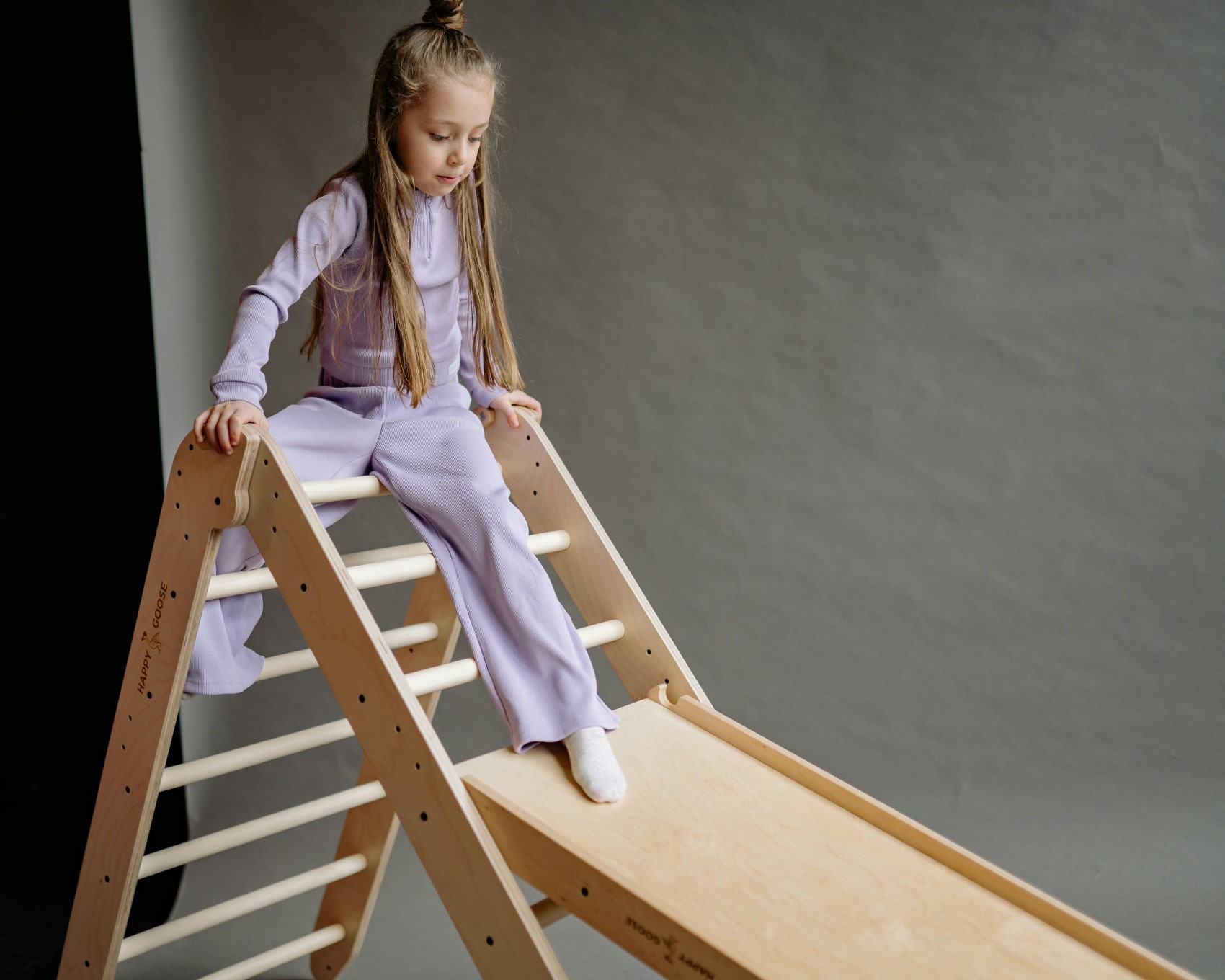
Emphasizing that when parents want to raise a perfect child, what are called 'project children' emerge, Ülkü said, "Of course, parents want their children to do what they could not do when they were young and to have the best of every condition. However, children who are taken to piano, ballet, and theater courses at the same time and are expected to achieve high success in all their classes may have difficulty leading a life according to their own wishes in the future. At the same time, a lack of self-confidence is quite frequently observed in children who cannot fulfill their parents' high expectations."
 5 / 8
5 / 8
WHAT ARE THE REASONS FOR PERFECTIONIST PRESSURE?
Parents who did not receive enough appreciation from their own families, who experience a fear of failure, or who were exposed to high expectations in the past can unconsciously project this situation onto their own children. Some parents see their children's success as a source of security. They may act with the thought, 'If my child is successful, their future will be guaranteed.' They see their children's achievements as an indicator of their own parenting and therefore may adopt a perfectionist attitude. Modern education systems generally evaluate success through exam grades and academic performance. This can cause families to constantly force their children to be better.
Today, social media creates great pressure on parents. Seeing the achievements of other families' children can lead parents to push their own children even harder. While great value is placed on success in the business world and the education system, individuals' personal happiness and emotional balance can be pushed into the background."
 6 / 8
6 / 8
BEING EXPOSED TO HIGH EXPECTATIONS IN CHILDHOOD
Emphasizing that individuals who are constantly told they must be the best in childhood tend to measure their own worth by their achievements in adulthood, Ülkü said, "When they fail, they may feel inadequate and worthless."
Adding that individuals who are constantly criticized or made to feel they are not good enough in childhood may show symptoms of intense anxiety, fear of failure, and depression in their adulthood, Ülkü stated, "Individuals who feel they must always be the best may avoid trying new things due to the fear of making mistakes. This can create limitations in their careers and personal development. Therefore, being exposed to excessively high expectations during childhood can lead to many negative outcomes in an individual's later life, such as lack of self-confidence, intense stress, fear of failure, and emotional problems."
 7 / 8
7 / 8
CHILDREN MAY LOSE THEIR SENSE OF CURIOSITY
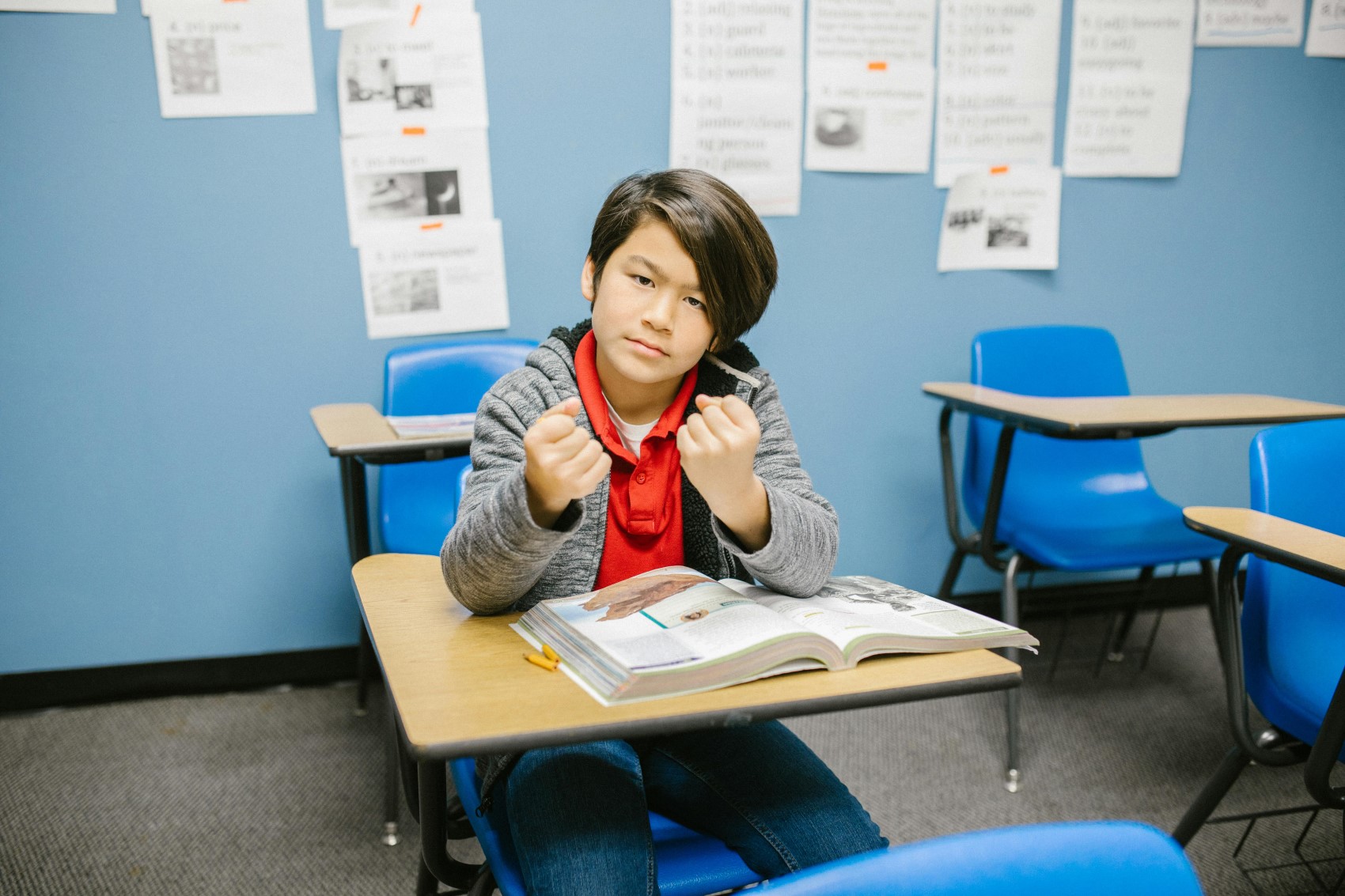
Underlining that there is an important distinction in the education process between intrinsic motivation (wanting to truly learn something) and extrinsic motivation (working due to rewards, punishments, or the expectations of others), Ülkü said, "A child focused only on getting high grades perceives the learning process as a necessity rather than seeing it as an opportunity for discovery and development. This can lead to a decrease in the sense of curiosity."
Highlighting that children thinking their families will be disappointed if they do not get the best grades can be a source of intense stress, Ülkü warned, "A child focused only on grades may have difficulty developing creative thinking and critical analysis skills. Therefore, when evaluating children's success in the education process, it is necessary to focus not only on the results but also on the process and the effort."
 8 / 8
8 / 8
RECOMMENDATIONS FOR FAMILIES
"Accept your child's strengths and weaknesses. Avoid comparing them to other children. Guide them toward activities aimed at understanding and developing their interests. Review your own anxieties. Evaluate success from a broad perspective. Give your child confidence and instill a process-oriented perspective. Appreciate the effort and progress shown by children. For example, use expressions such as, 'You put a lot of effort into completing this project, your hard work is worth appreciating!' When they make a mistake, instead of criticizing them, explain that this is part of the learning process. Show that making mistakes is normal by sharing your own mistakes. Adopt an approach like, 'I also make mistakes in my work sometimes, but this teaches me new things.'
Give your child the opportunity to express themselves and do not belittle their feelings. Try to understand the stress, anxiety, or fears of failure they are experiencing. Ensure your child feels valued not just for their achievements, but for who they are. If your child is constantly having thoughts like 'I am not good enough' or 'I won't be loved if I fail,' this can create a serious self-confidence problem. Therefore, it is very important to offer your child unconditional love and acceptance."
News Source : 12punto