 1 / 5
1 / 5
Children can be more vulnerable to illnesses like the flu and may not always be able to take the necessary care of their health. For this reason, it is very important for families to closely monitor their children's health.
Especially if a child's condition worsens, they should be taken to a doctor immediately, and medications such as antibiotics should not be given without a doctor's recommendation. Flu symptoms should be noticed in the early stages.
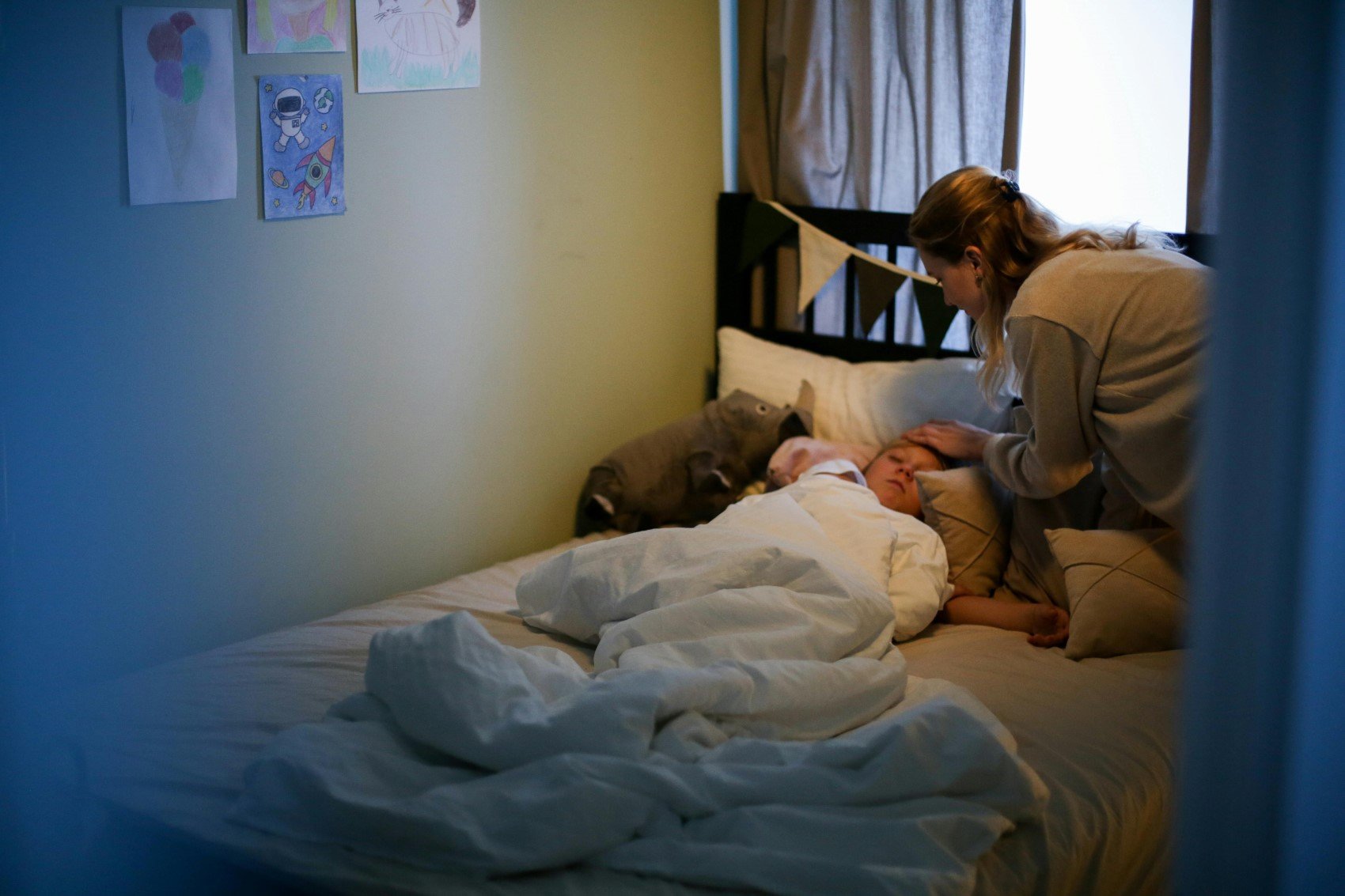
Pay Attention to Flu Symptoms:
-High fever that does not subside for a long time
-Fatigue and exhaustion
-Abdominal pain and vomiting
-Persistent cough
 2 / 5
2 / 5
When children have the flu, not only medication but also a healthy and balanced diet is very important. Otherwise, such infections can lead to complications, especially middle ear infections and lower respiratory tract infections.
Additionally, fluid loss can occur during the flu due to fever and lack of nutrition, so attention should be paid to fluid intake.
VITAMIN D SUPPLEMENTATION SHOULD BE TAKEN
In winter months, children and adults who have less contact with sunlight may experience Vitamin D deficiency. This can weaken the immune system and create a susceptibility to illnesses.
Vitamin D supplementation must be done strictly with a doctor's recommendation. Families should not give their children Vitamin D on their own initiative.
 3 / 5
3 / 5
DO NOT SEND THEM TO SCHOOL WHILE THEY HAVE THE FLU
Children with the flu usually struggle with a high fever for 5 days. During this period, children should not be sent to school. An infected child can also affect other children in their class.
Therefore, children diagnosed with the flu should rest and attention should be paid to their treatment.
MEASURES TO PREVENT THE SPREAD OF FLU AT HOME
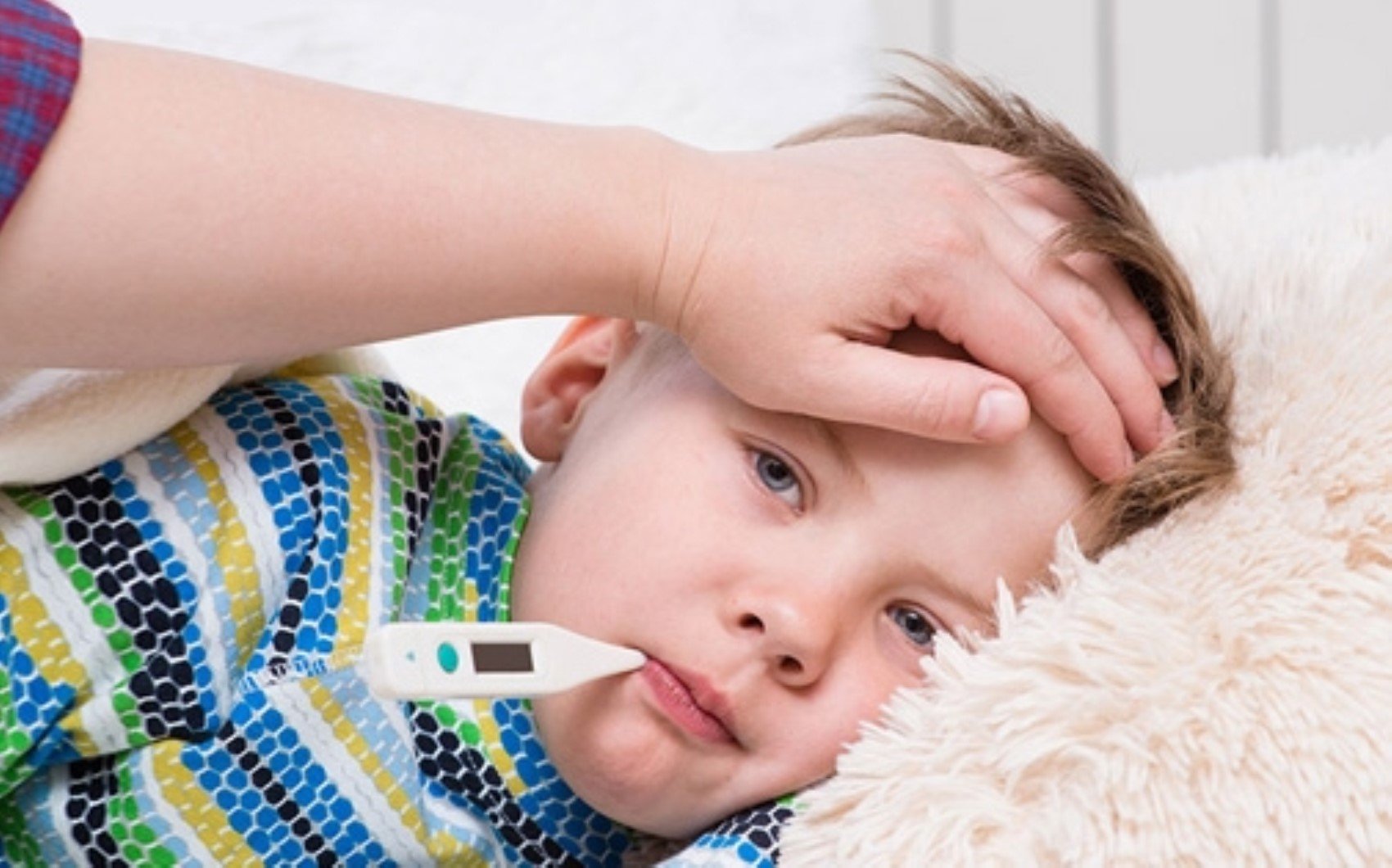
The flu can affect the entire family by spreading to one of the family members. If there is a person with the flu at home, the sick person should stay away from healthy individuals, the house should be ventilated regularly, and hygiene rules should be followed.
Not sharing personal items and washing hands frequently can reduce contagiousness.
 4 / 5
4 / 5
WHAT TO DO FOR CHILDREN WHO FREQUENTLY GET THE FLU?
A child who has had the flu may get sick less often the next time because they have gained immunity. However, when their friends at school get sick, the child may catch the flu again.
For this reason, comprehensive tests should be performed for children who frequently get the flu, and immune-boosting treatments should be started with a doctor's recommendation.
BEWARE OF PROLONGED FEVER!
When a child is diagnosed with the flu, it is not normal for the fever to last more than 5 days. If the fever persists and symptoms such as general fatigue, respiratory problems, coughing, shortness of breath, or severe ear pain are observed in the child, a complication may have developed.
In this case, the child should be taken to the doctor again and additional tests should be performed if necessary.
 5 / 5
5 / 5
News Source : 12punto