 1 / 8
1 / 8
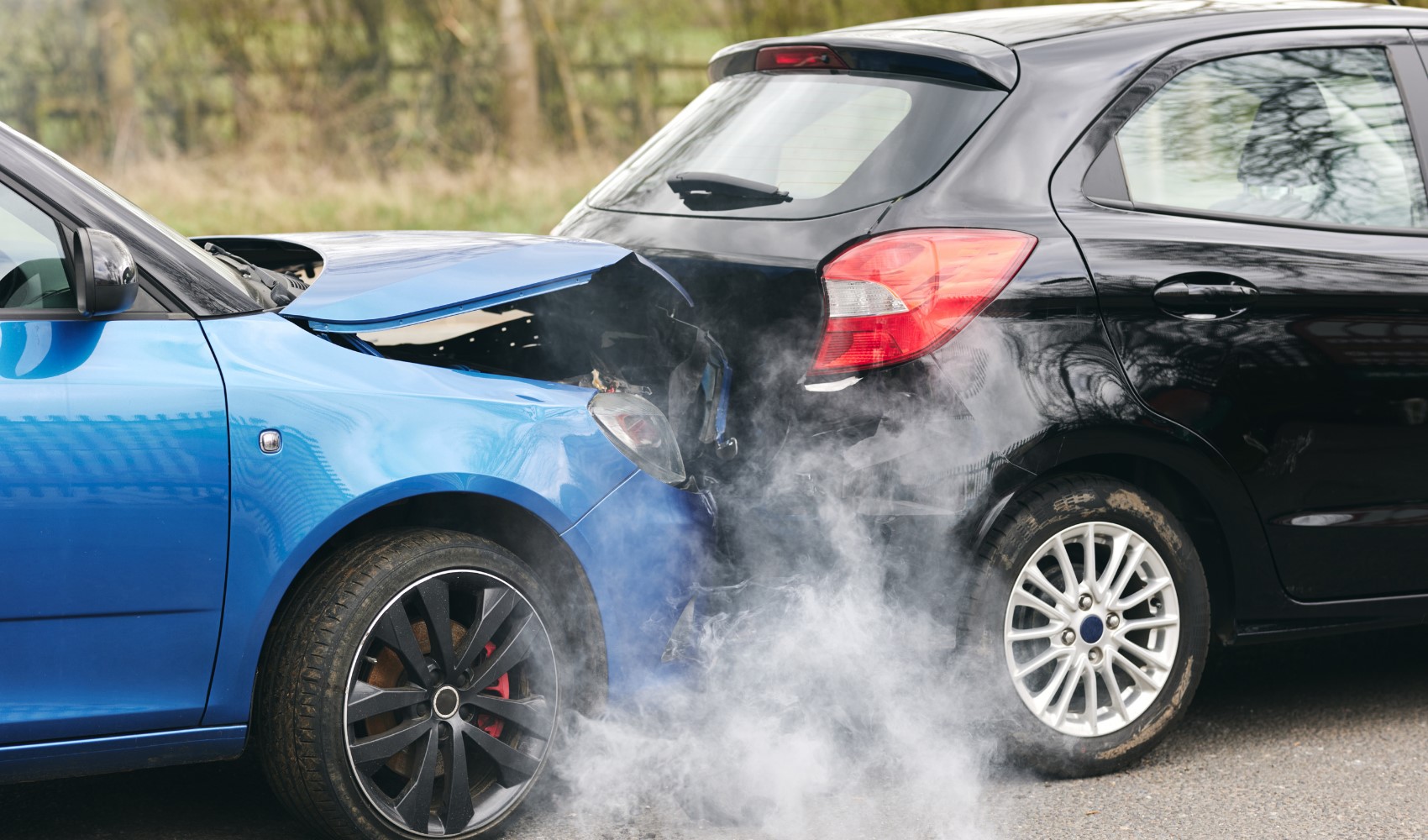
As of 2024, there are more than 30 million vehicles registered in traffic in the country. Article 3 of the Highway Traffic Law defines a traffic accident as follows: “An event involving one or more vehicles in motion on a highway, resulting in death, injury, or damage.”
So, how are fault rates determined in traffic accidents? What are the concepts of primary and secondary fault? What steps does the fault determination process consist of? Here are all the details...
 2 / 8
2 / 8
WHAT IS FAULT IN TRAFFIC ACCIDENTS?
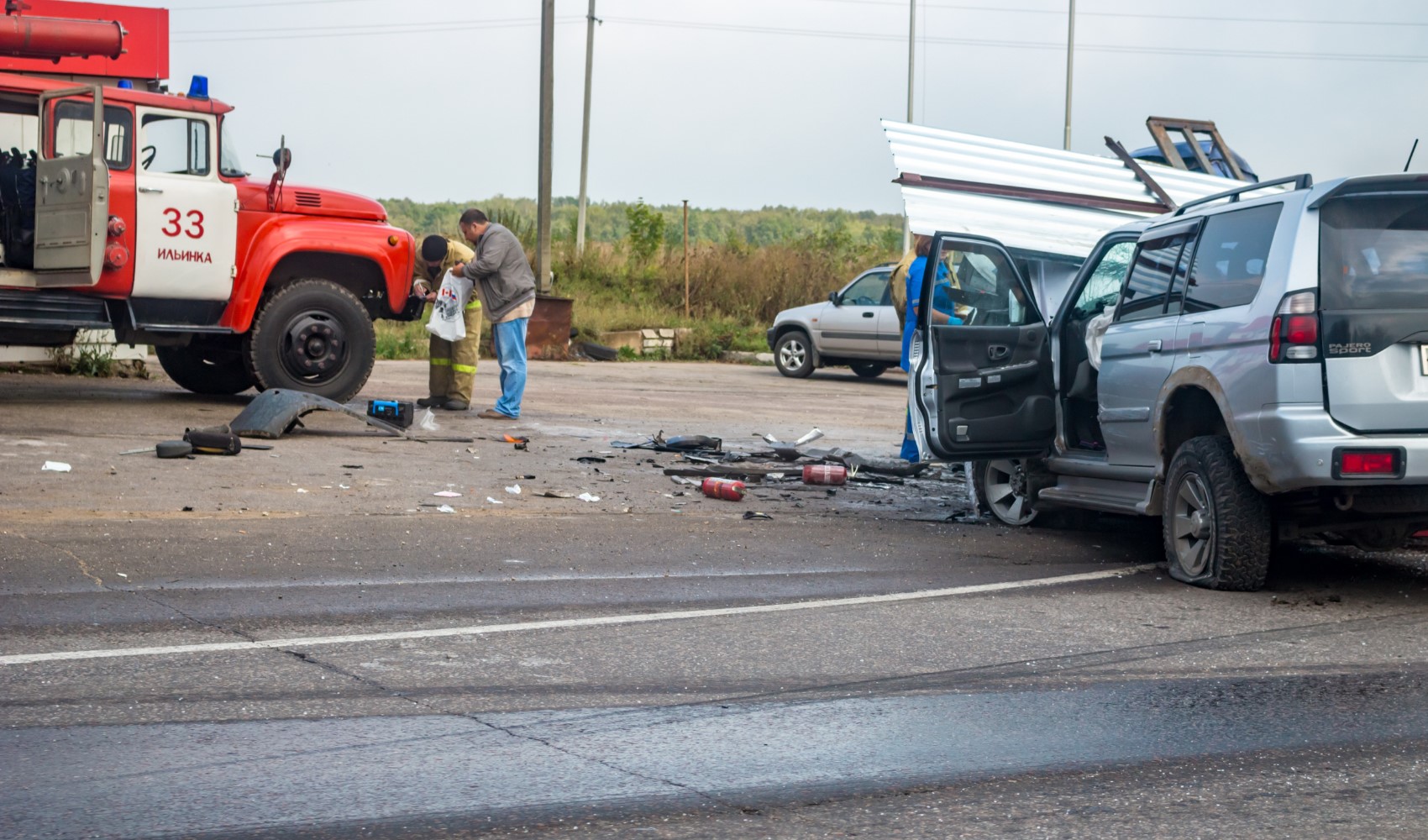
Although the concept of fault is not explicitly defined in the law, forms of behavior not approved by the legal order are considered as fault. Fault is the fundamental criterion in determining the responsibility for damages of the party that caused the accident. Fault rates are determined according to the Highway Traffic Law and Regulation.
 3 / 8
3 / 8
WHAT ARE THE TYPES OF FAULT AND THEIR RATES?
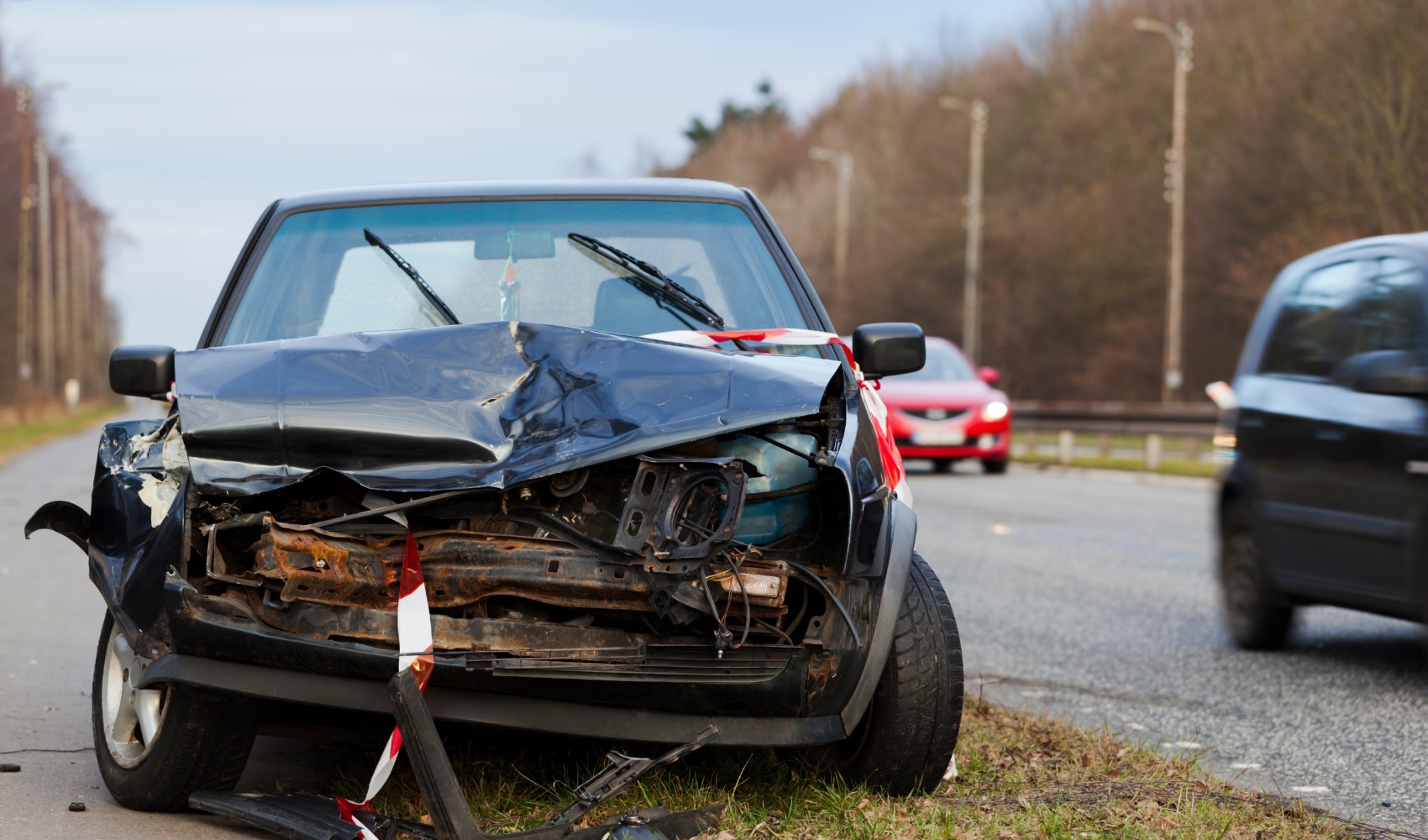
Fault rates in traffic accidents are generally expressed as follows:
0% Fault: Determined when no traffic rules are violated. This party is completely faultless and is not held responsible for financial damages.
25% Fault: Applied if a violation considered a secondary fault has an impact on the accident.
50% Fault: Distributed equally when both parties are at primary or secondary fault.
75% Fault: Applied when one party is at primary fault and the other is at secondary fault.
100% Fault: Determined when one party causes the accident in a way that constitutes a primary fault.
 4 / 8
4 / 8
WHAT IS PRIMARY FAULT?
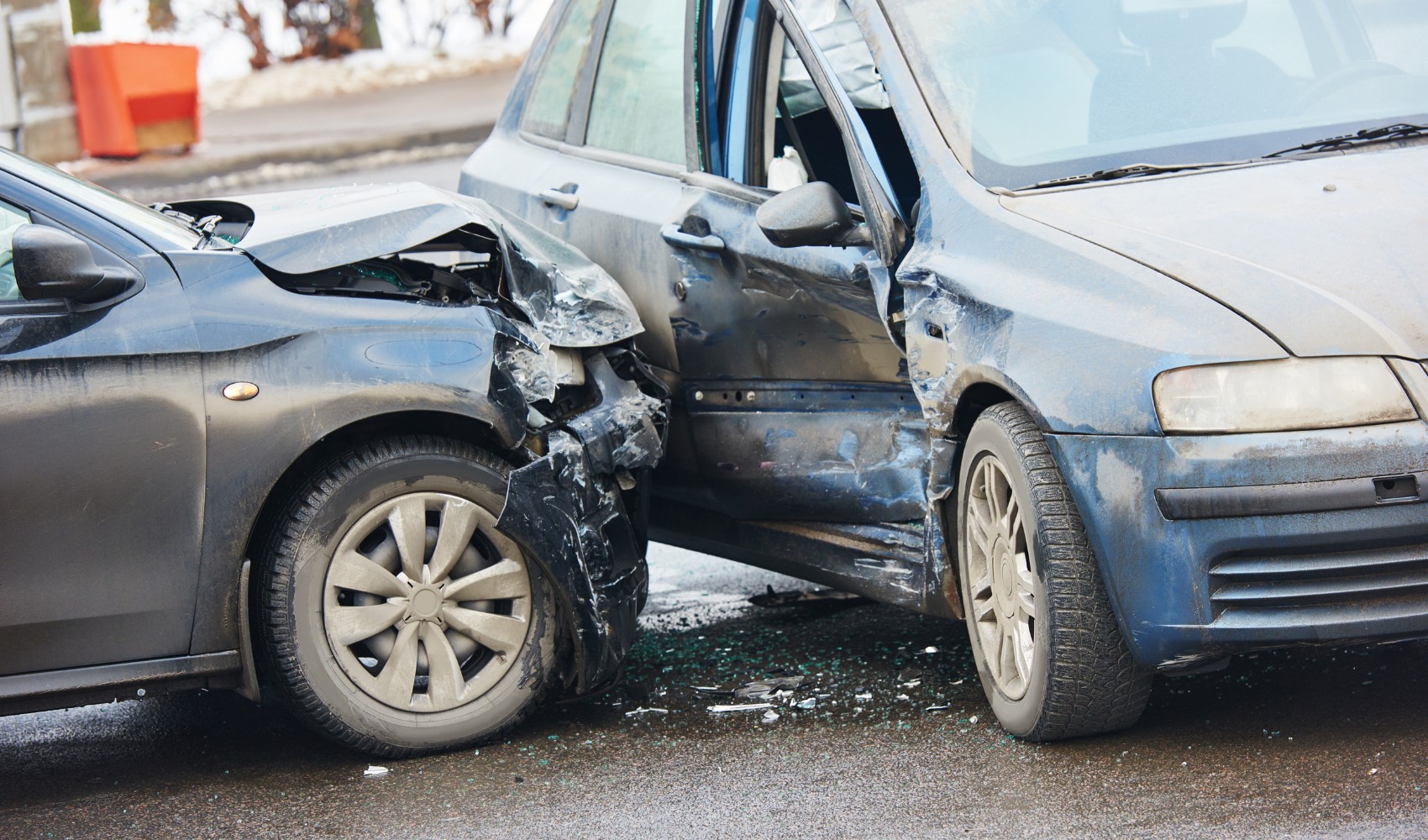
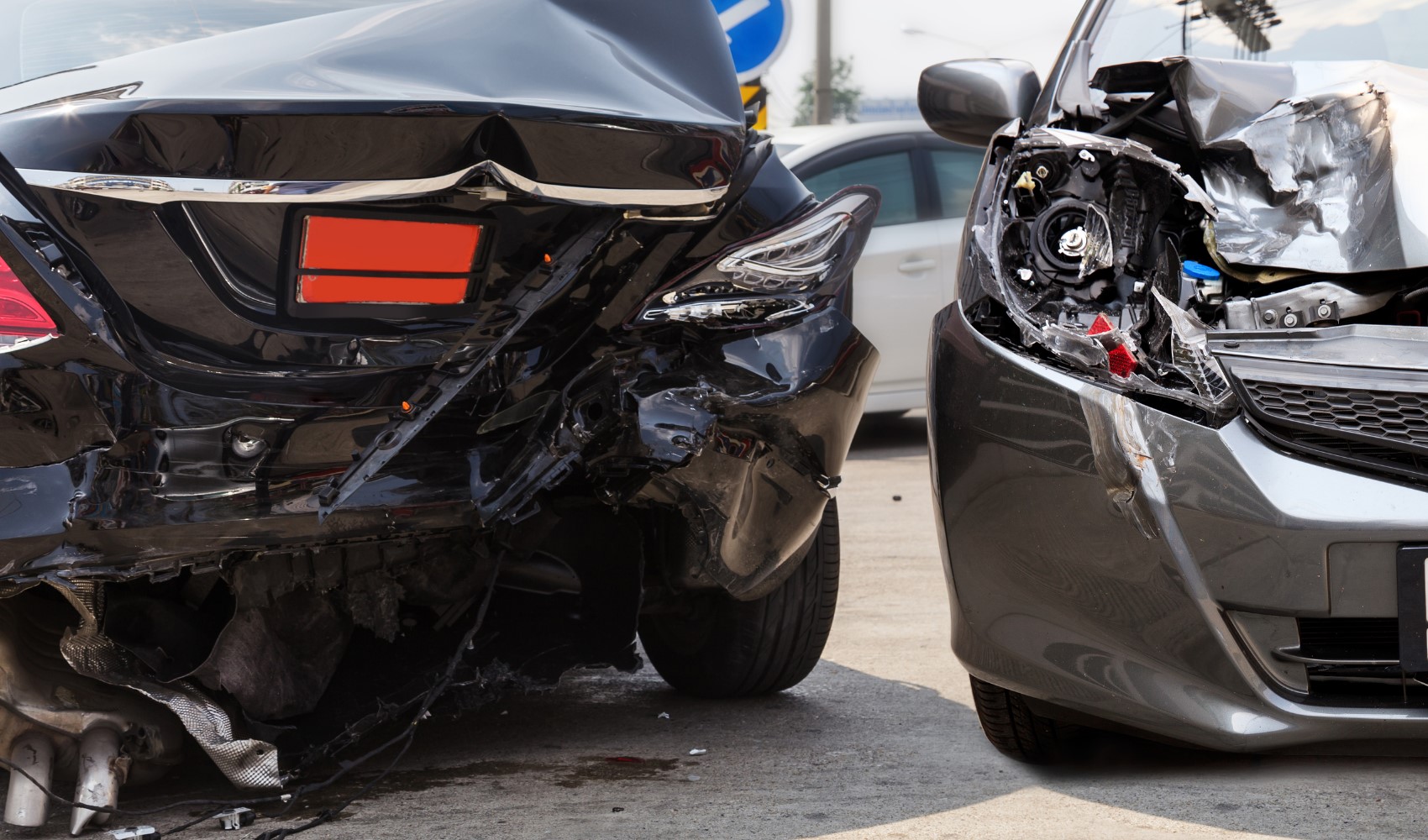
According to Article 84 of the Highway Traffic Law, serious rule violations that cause a traffic accident are considered primary faults. For example; in cases such as running a red light, entering the opposite lane, rear-ending, or failing to yield to right-of-way, the fault rate is 100% and the responsibility belongs entirely to the party at primary fault.
 5 / 8
5 / 8
WHAT IS SECONDARY FAULT?
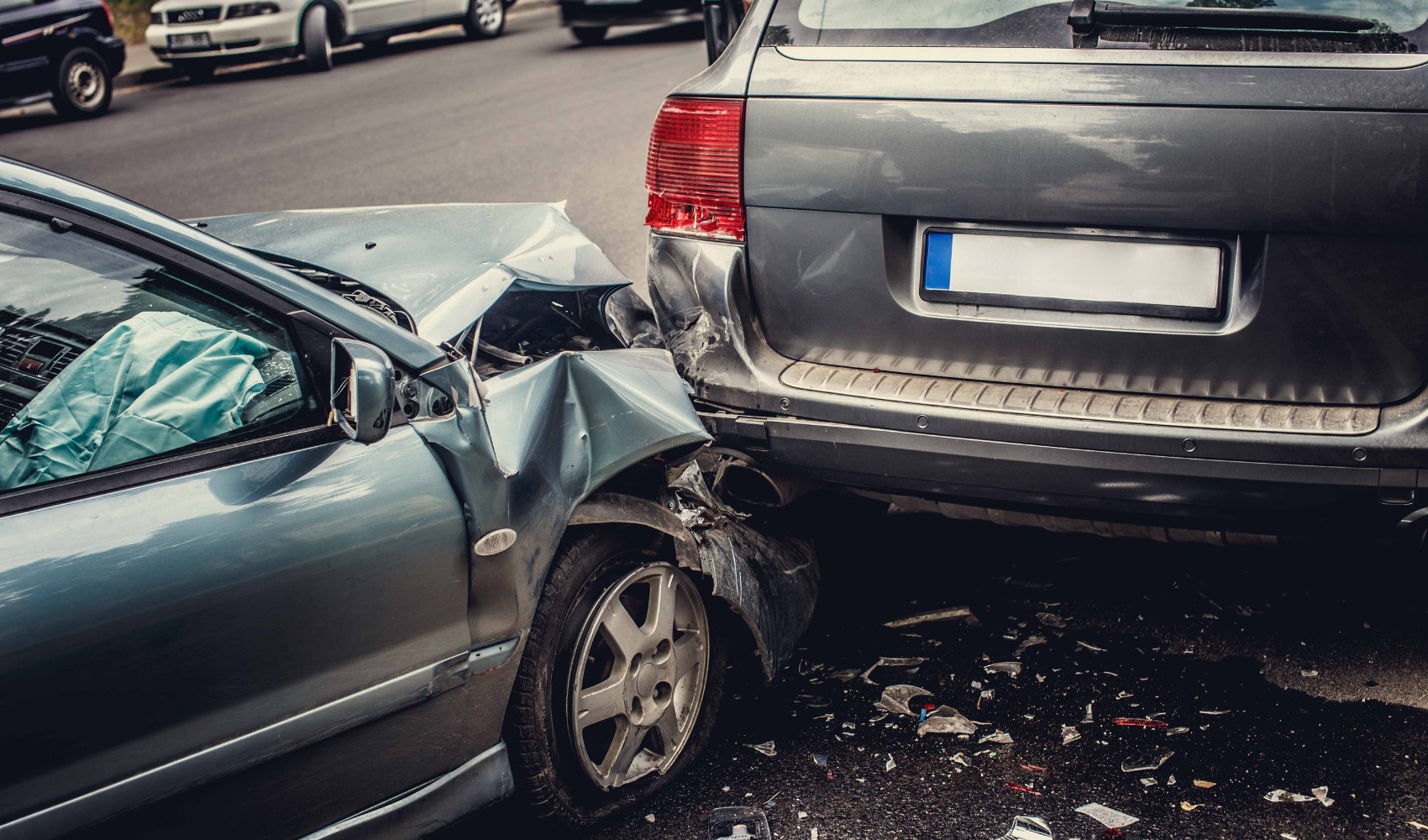
Rule violations that are less influential compared to primary faults are considered secondary faults. For example; driving under the influence of alcohol, exceeding the speed limit, or driving without a license fall under the scope of secondary fault. The rate is generally determined as 25%. In this case, the party at primary fault is held 75% responsible.
 6 / 8
6 / 8
HOW DOES THE ACCIDENT REPORT AND FAULT DETERMINATION PROCESS WORK?
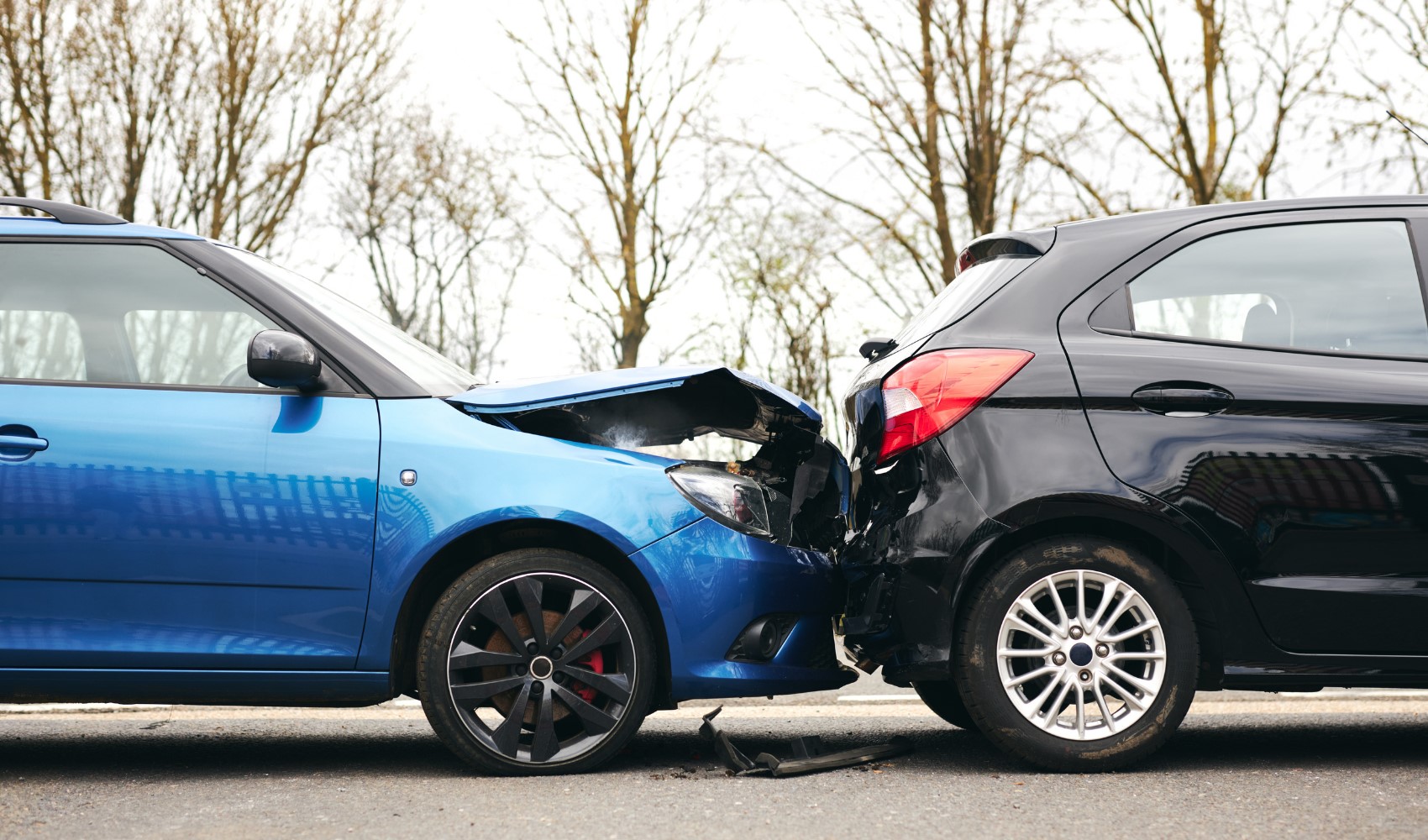
The first step to take after a traffic accident is to check for injuries. If there is an injury, 112 must be called. If there is no injury, in the event of material damage, the drivers involved in the accident can prepare a material damage traffic accident report or call the traffic police.
Things to Consider When Preparing an Accident Report:
- Photos should be taken before the vehicles are moved,
- Photos of driver's licenses, vehicle registrations, and insurance policies should be taken,
- A sketch of the accident should be drawn,
- The statements of both parties should be written and the report should be completed with wet signatures.
The report and photos are forwarded to the insurance company. Fault rates are determined by the Insurance Information and Monitoring Center (TRAMER) within 3 days. These rates can be appealed within 5 business days.
 7 / 8
7 / 8
HOW DOES THE COMPLAINT AND JUDICIAL PROCESS PROCEED IN A TRAFFIC ACCIDENT?
If a traffic accident has resulted in injury, the person who caused the accident can be held responsible for the crime of "negligent injury" under Article 89 of the Turkish Penal Code (TCK). If the injury occurred due to conscious negligence, an investigation is initiated without the need for a complaint. However, if there is no conscious negligence, the victim's complaint is required.
 8 / 8
8 / 8
HOW IS THE INQUIRY FOR FAULT RATES MADE?
Fault rates regarding the accident can be queried from the official website of the Insurance Information and Monitoring Center (SBM). By logging into the “Accident Report Inquiry” section of SBM, transactions can be performed with the relevant vehicle information.
The most important point to consider in this process is that all details regarding the moment of the accident are documented completely. This contributes to the accurate determination of fault and prevents the loss of rights for the parties.
News Source : 12punto