 1 / 10
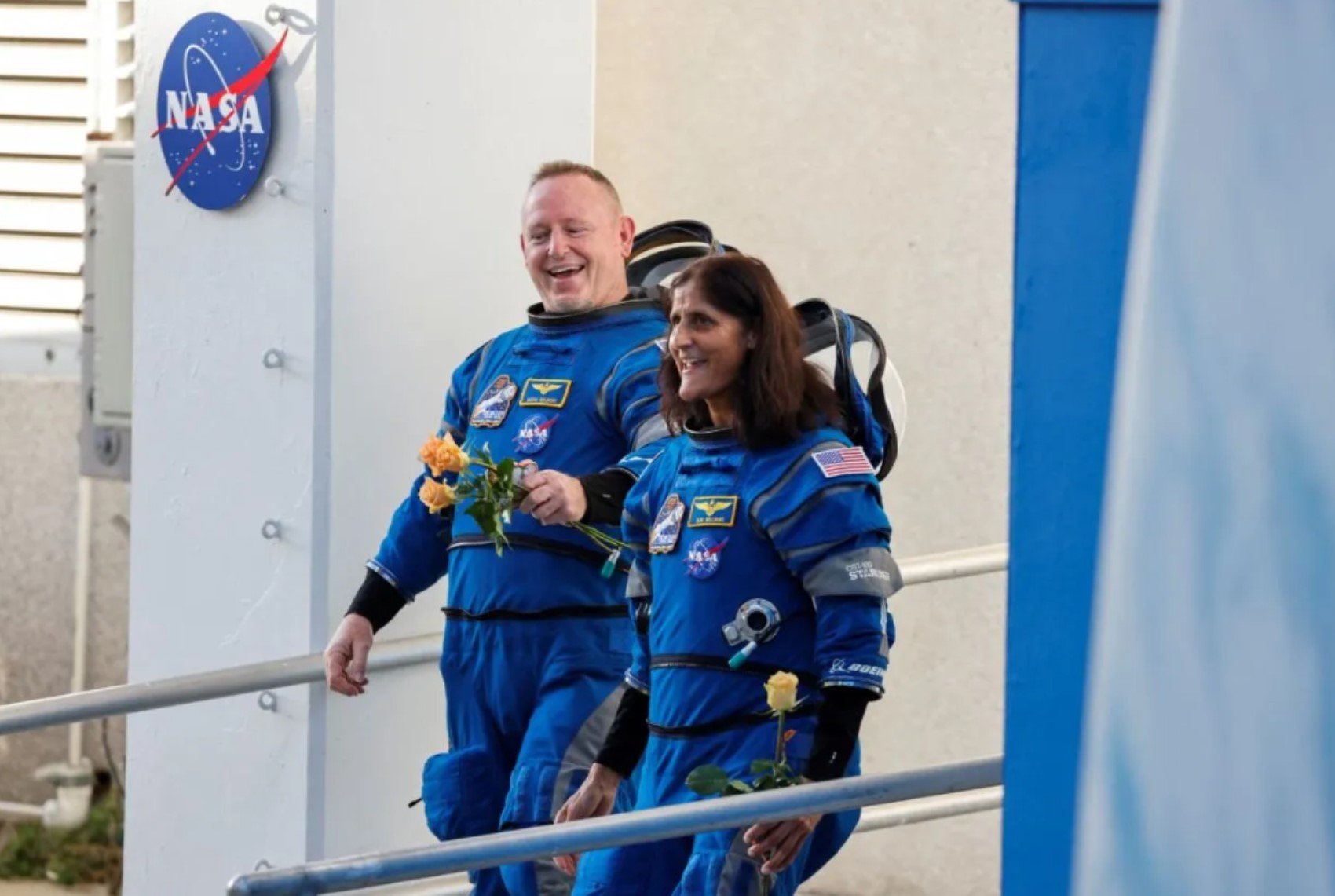
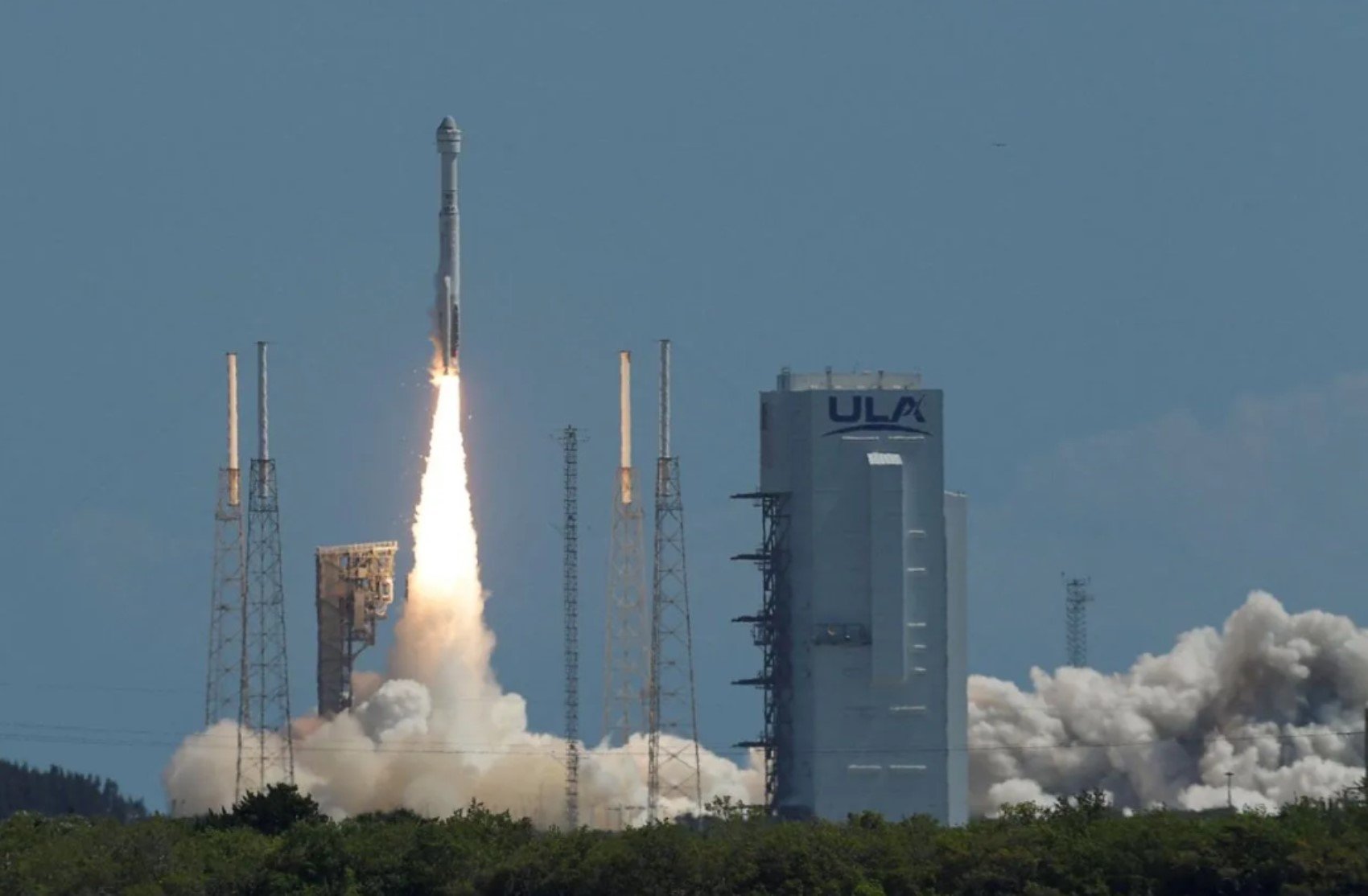
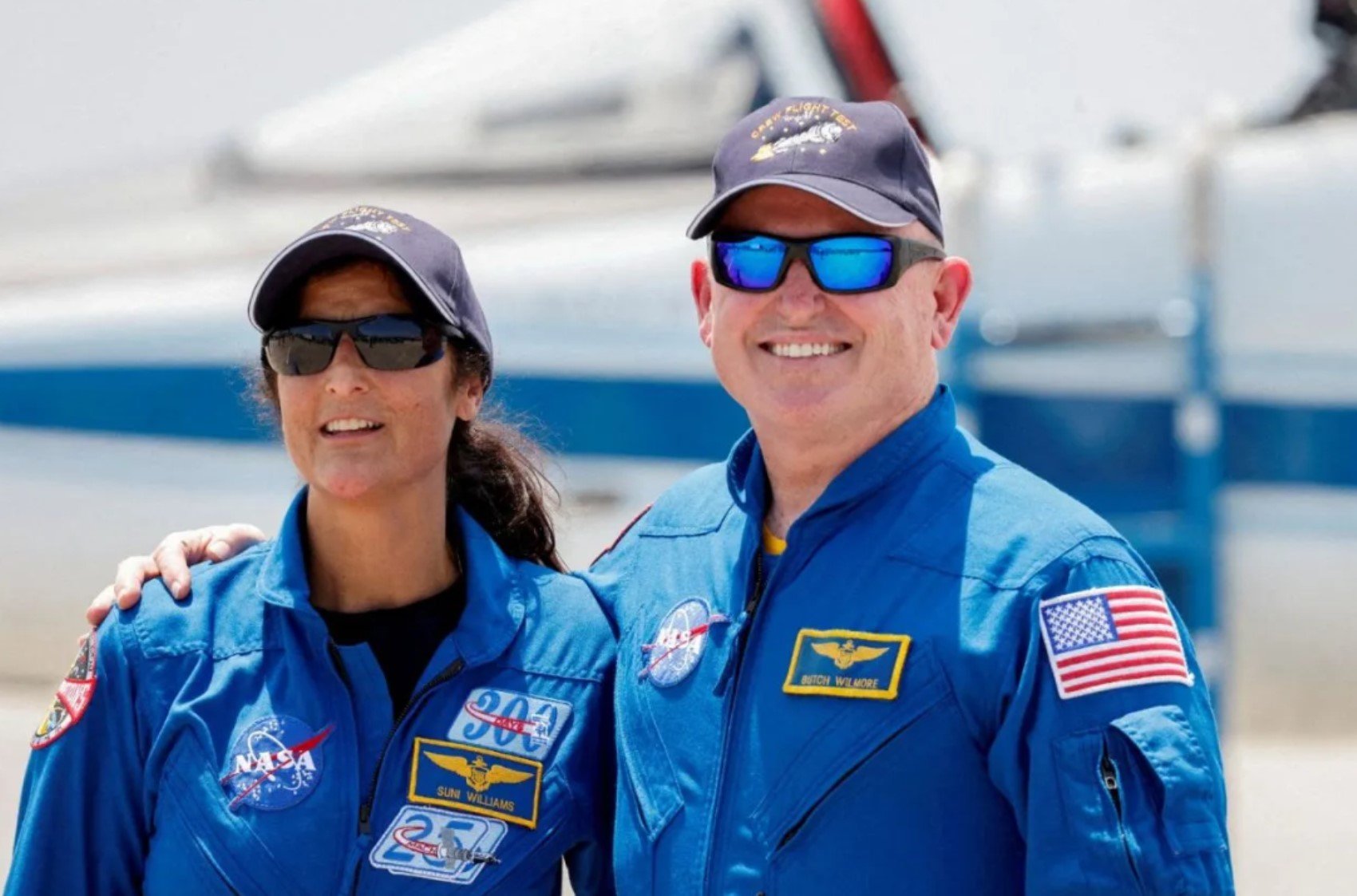
Two American astronauts left Earth in June to spend eight days on the International Space Station (ISS). However, due to concerns that the Boeing Starliner spacecraft was not safe enough to bring them back to Earth, NASA has postponed the return of Suni Williams and Butch Wilmore to 2025. They are now sharing a space the size of a six-bedroom house with nine other people.
Williams calls it her "happy place," while Wilmore says he is "grateful" to be there.
But what is it really like to be 400 km above Earth? How do you deal with potential issues with your crewmates? How do you exercise, and how do you wash your clothes? What do you eat, and more importantly, what is the "smell of space"? Three former astronauts shared the secrets of surviving in orbit with the BBC.
Astronauts wake up early. They emerge around 8:30 a.m. from their phone-booth-sized sleeping quarters in the Harmony module of the ISS. NASA astronaut Nicole Stott, who spent 104 days in space across two missions in 2009 and 2011, says this place has "the best sleeping bag in the world."
The compartments are equipped with laptops so the crew can stay in touch with their families, and there is also a corner for them to keep personal items such as photos or books.
 3 / 10
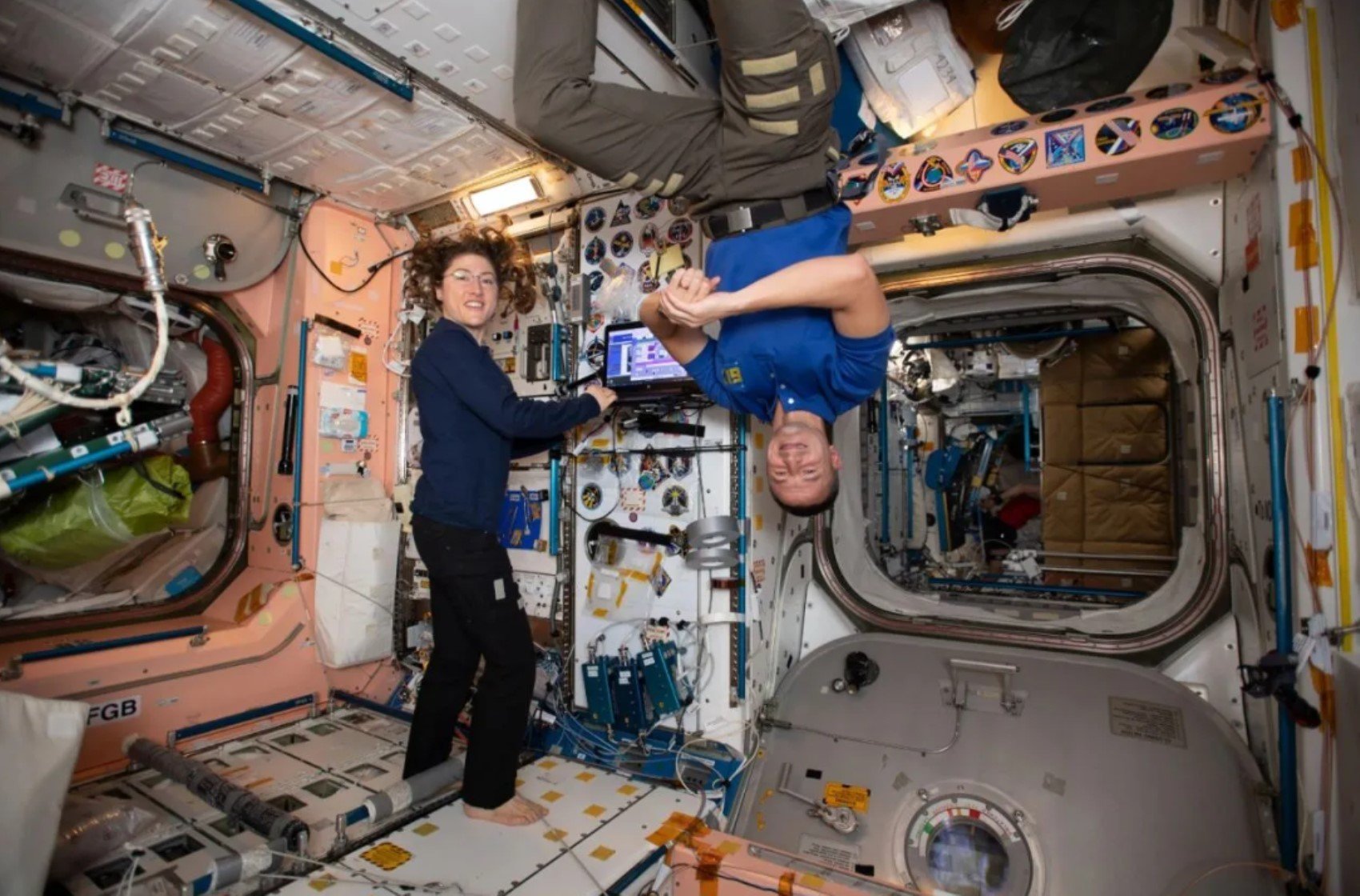
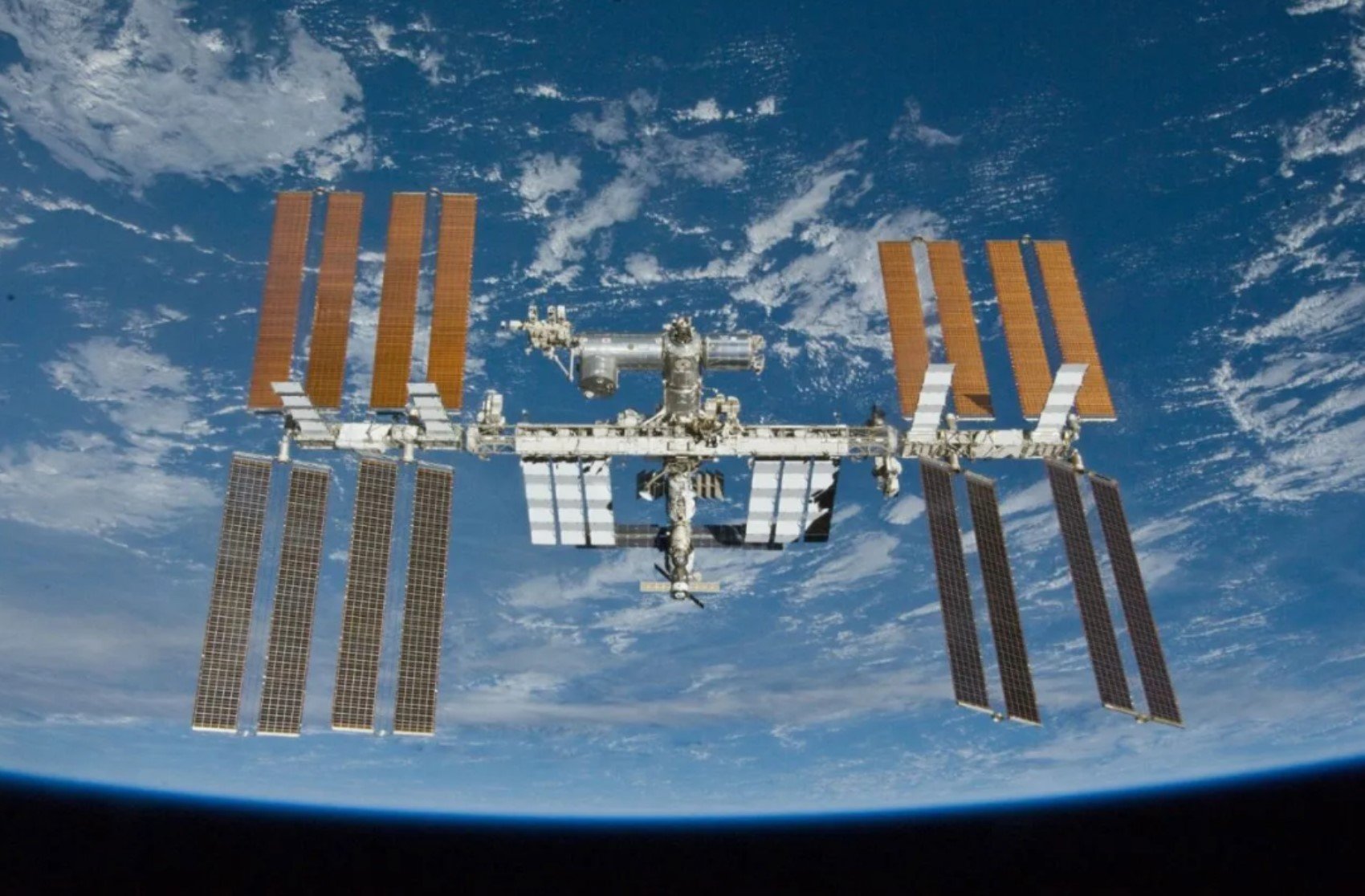
Astronauts can then use a toilet in the form of a small compartment equipped with a suction system. Normally, sweat and urine are recycled into drinking water in space, but due to a malfunction on the ISS, the crew is currently storing urine instead. Afterward, the astronauts get to work. Maintenance or scientific experiments take up most of the time on the ISS, which is the size of Buckingham Palace.
 4 / 10
Canadian astronaut Chris Hadfield, commander of the Expedition 35 mission in 2012-13, explains, “It’s like a bunch of buses connected together. You could spend half a day and not see another human being.” He adds, “People don’t move quickly inside the station. It’s big and peaceful.”
 5 / 10
There are six specialized laboratories for experiments on the ISS. Astronauts wear heart, brain, and blood monitors to measure how their bodies react to the harsh physical conditions. "We are the guinea pigs," Stott says, adding: "Space puts your bones and muscles through an accelerated aging process, and scientists can learn from that."
"Your goal is to find five minutes of free time," Hadfield says. "I would float over to the window and watch things go by. Or I would compose music, take photos, or write things for my children."
 6 / 10
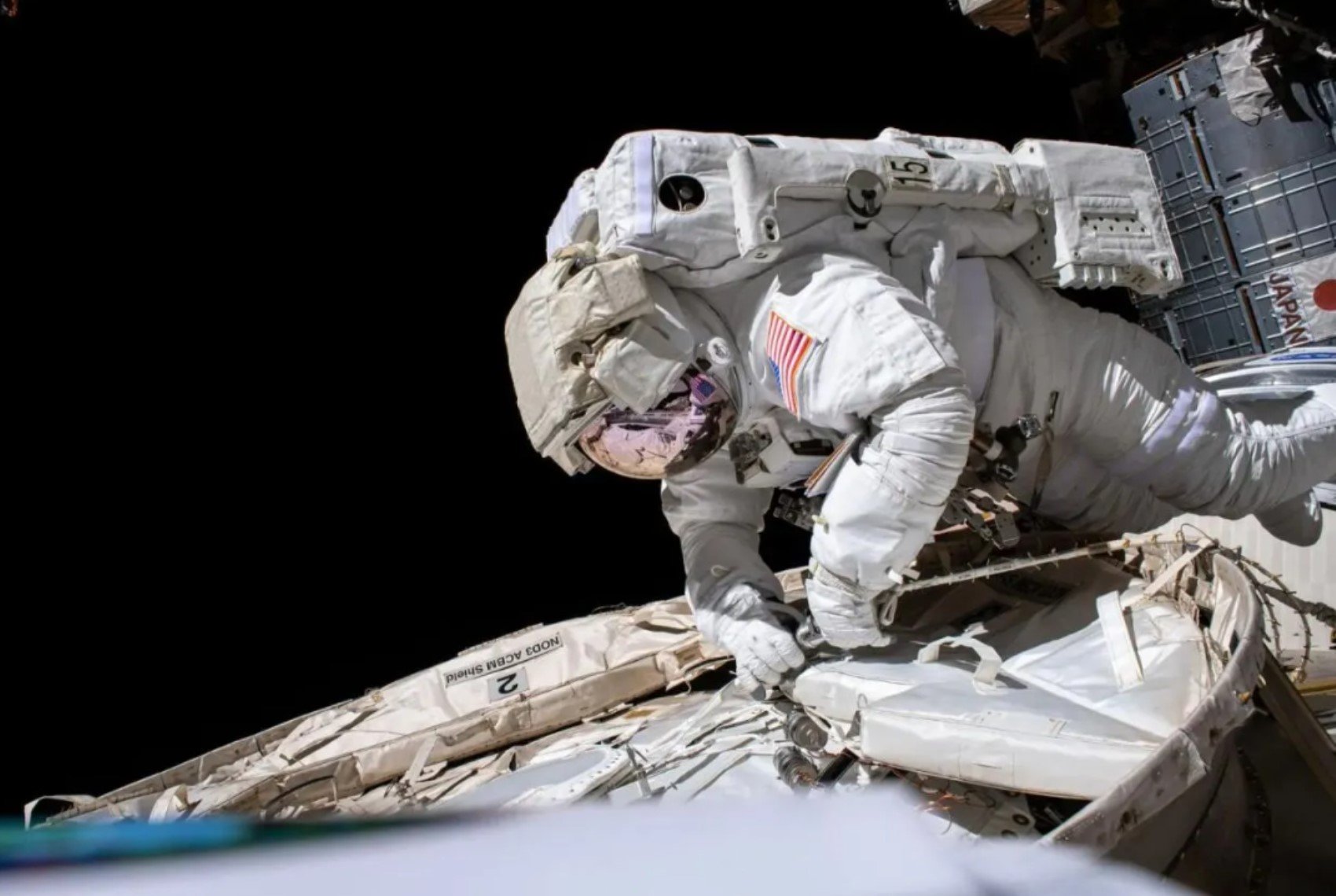
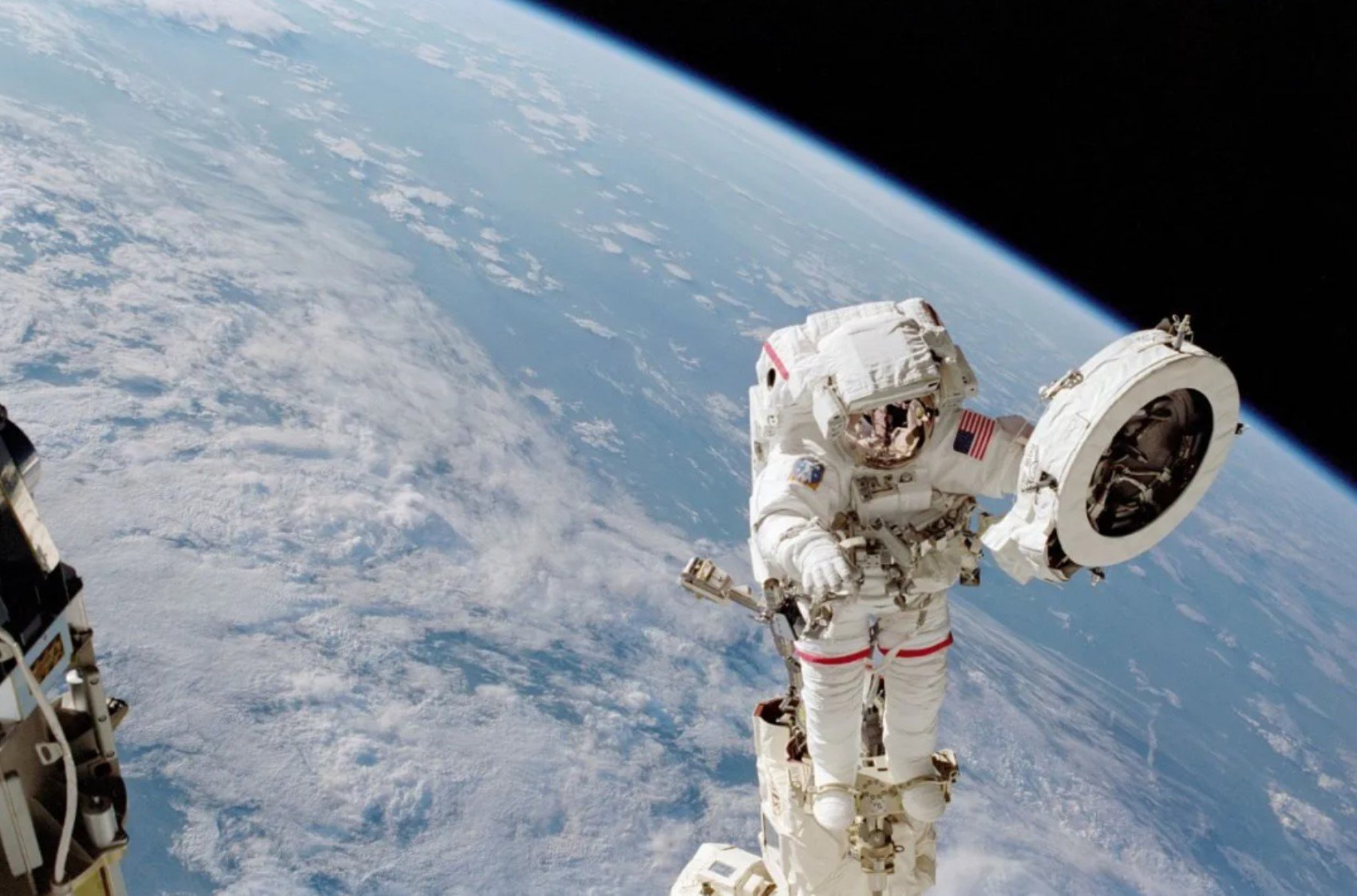
A lucky few are asked to leave the ISS and perform a spacewalk. Hadfield, who has performed two spacewalks, says, "Those 15 hours I spent with nothing between me and the universe but my plastic visor were as exciting and otherworldly as any 15 hours of my life." However, this spacewalk can bring a metallic "space smell" into the space station.
 7 / 10
Helen Sharman, the first British astronaut who spent eight days on the Soviet space station Mir in 1991, explains it by saying, "On Earth, we have many different smells, like laundry washed in a washing machine or fresh air. But in space, there is only one smell, and we get used to it quickly."
 8 / 10
Objects that go outside, such as clothing or scientific kits, are affected by the intense radiation of space. Sharman says, "Radiation creates free radicals on the surface, and these react with the oxygen inside the space station to create a metallic smell." Recounting her return to Earth 33 years ago, she explains that she values sensory experiences much more: "There is no weather in space—you don't feel rain on your face or wind in your hair. Even today, I appreciate these things much more."
 9 / 10
Astronauts are required to exercise for two hours a day during breaks in their work during long-term stays. Three different pieces of equipment help counteract the effects of zero gravity, which reduces bone density. Stott says one of the machines is good for squats, weights, and rowing, working all muscle groups. The crew uses two treadmills, to which they strap themselves to avoid floating away, and a stationary bike for endurance training.
 10 / 10
Stott says all this work leads to a lot of sweating, which causes a very significant problem: washing clothes. "We can't wash clothes; there's only water in droplets and a bit of soapy stuff," she explains.
Because gravity does not pull sweat away from the body, astronauts become covered in a layer of perspiration. Stott says this is much more than on Earth. "I could feel the sweat accumulating on my scalp and I had to wipe my head. You wouldn't want to shake your head because it would fly off and scatter everywhere," she adds.
News Source : 12punto