



 1 / 7
1 / 7
WHAT CAUSES ANEMIA?
There are four main reasons for the emergence of anemia:
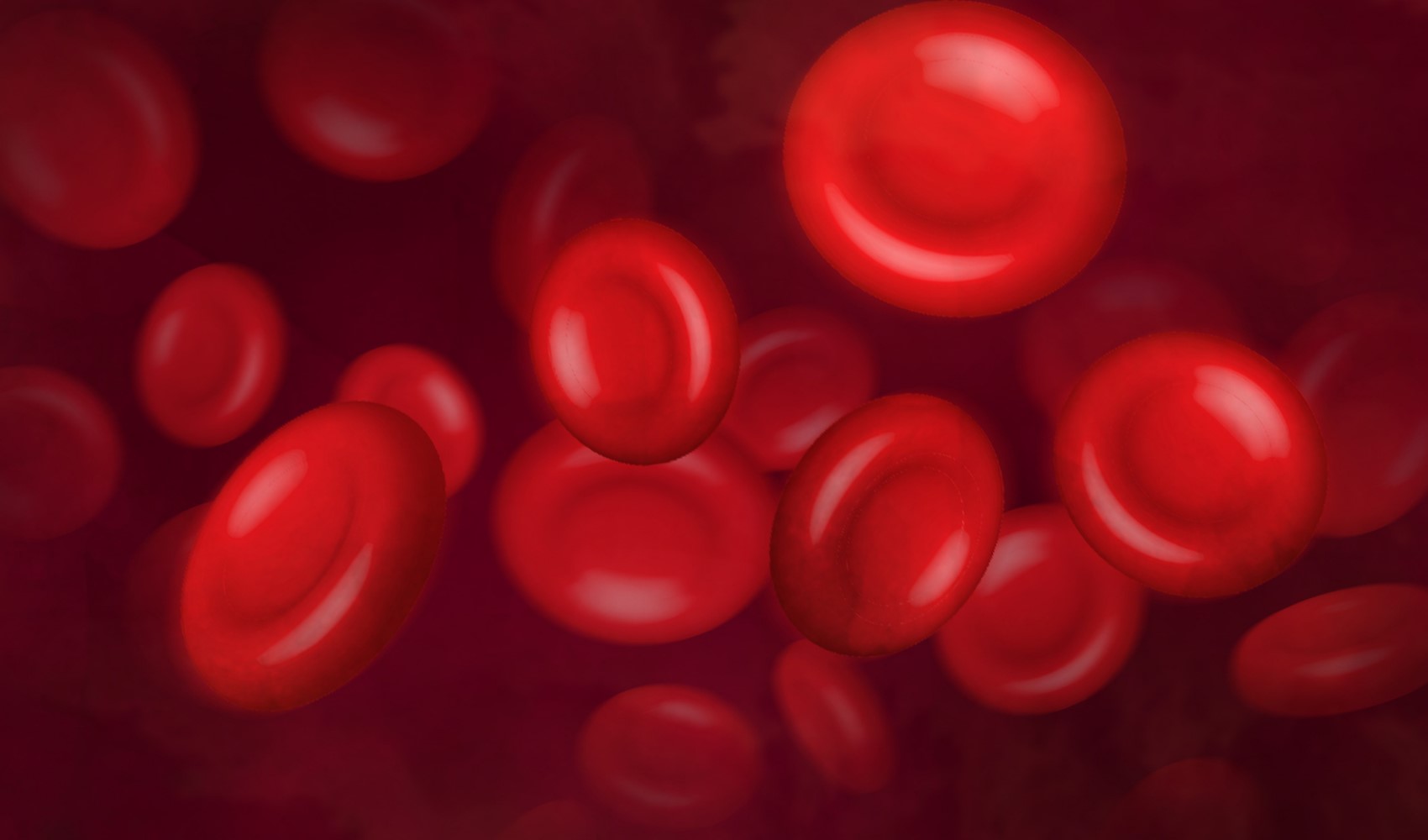
Blood loss: Excessive bleeding during menstrual periods in women, bleeding in the gastrointestinal system, or blood loss resulting from injuries can lead to anemia.
Lack of red blood cell production: This can occur due to the bone marrow not producing enough red blood cells, chronic diseases, bone marrow cancers, or vitamin-mineral deficiencies.
Rapid destruction of red blood cells: Certain hereditary diseases or autoimmune disorders can cause red blood cells to be destroyed faster than normal.
Vitamin and mineral deficiencies: Insufficient intake or absorption disorders of nutrients such as iron, vitamin B12, and folic acid can lead to anemia. Iron deficiency anemia, in particular, is more common in women.
 2 / 7
2 / 7
WHAT ARE THE TYPES OF ANEMIA?
Anemia is divided into various types depending on different causes:
Iron Deficiency Anemia: This is the most common type of anemia. Iron deficiency reduces hemoglobin production, preventing sufficient oxygen from being carried to tissues.
Aplastic Anemia: This occurs as a result of the bone marrow not being able to produce enough blood cells.
Hemolytic Anemia: This occurs when red blood cells are destroyed faster than normal.
Megaloblastic Anemia: This is when red blood cells are abnormally large due to a deficiency of vitamin B12 or folic acid.
Pernicious Anemia: This is an autoimmune type of anemia that occurs as a result of impaired absorption of vitamin B12.
 3 / 7
3 / 7
WHAT ARE THE SYMPTOMS OF ANEMIA?
The symptoms of anemia arise due to the decrease in oxygen transport in the body. Common symptoms include:
Weakness and fatigue
Shortness of breath
Dizziness and headache
Paleness of the skin
Coldness in hands and feet
Palpitations and chest pain
Brittle nails and hair loss
Difficulty concentrating
Craving for non-food items (pica syndrome)
 4 / 7
4 / 7
HOW IS ANEMIA DIAGNOSED?
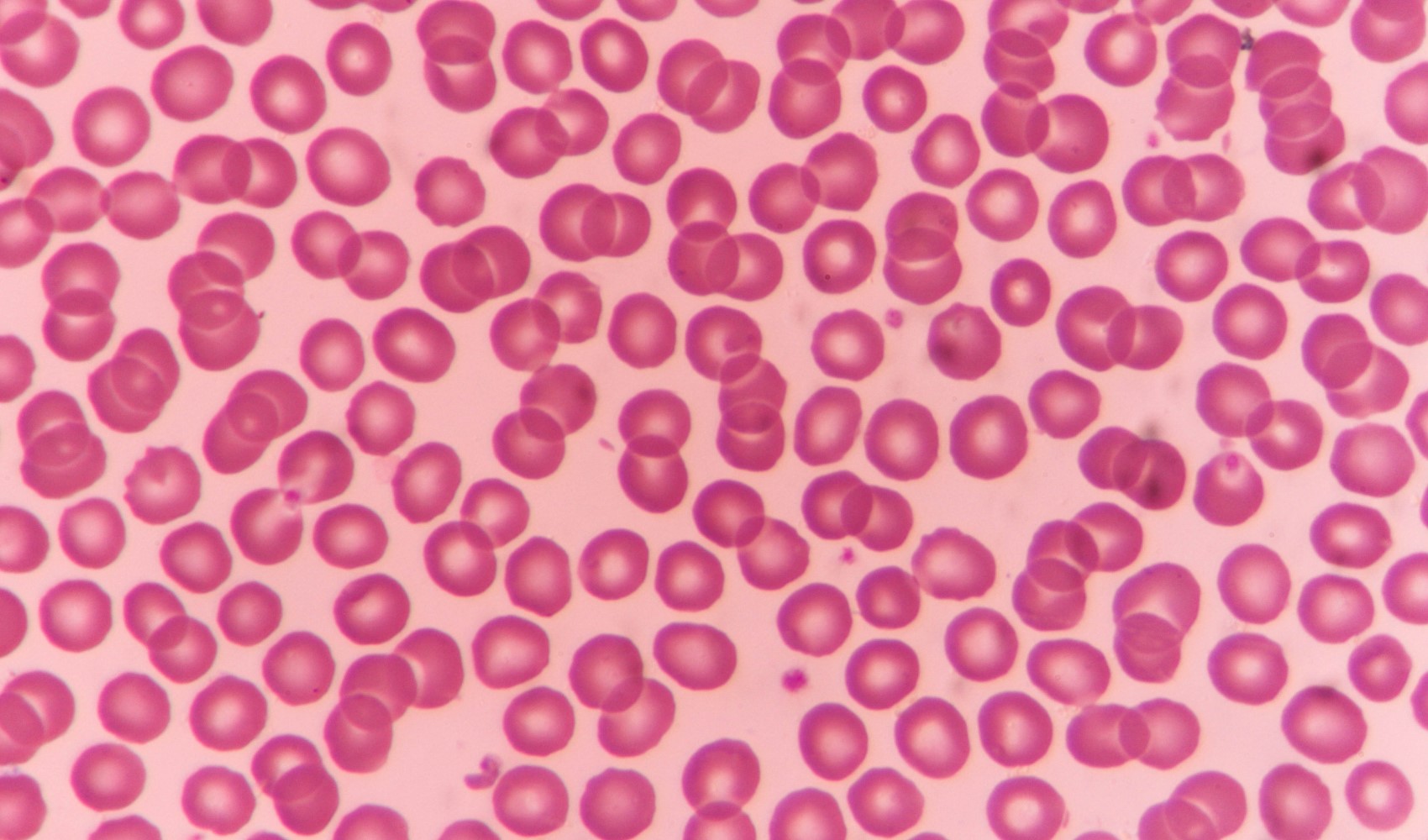
Anemia is diagnosed with a complete blood count (hemogram) test. In this test, hemoglobin and hematocrit levels are measured. If the values are below normal, a diagnosis of anemia is made. If necessary, additional tests such as a peripheral smear, stool, and urine tests may also be performed.
 5 / 7
5 / 7
HOW IS ANEMIA TREATED?
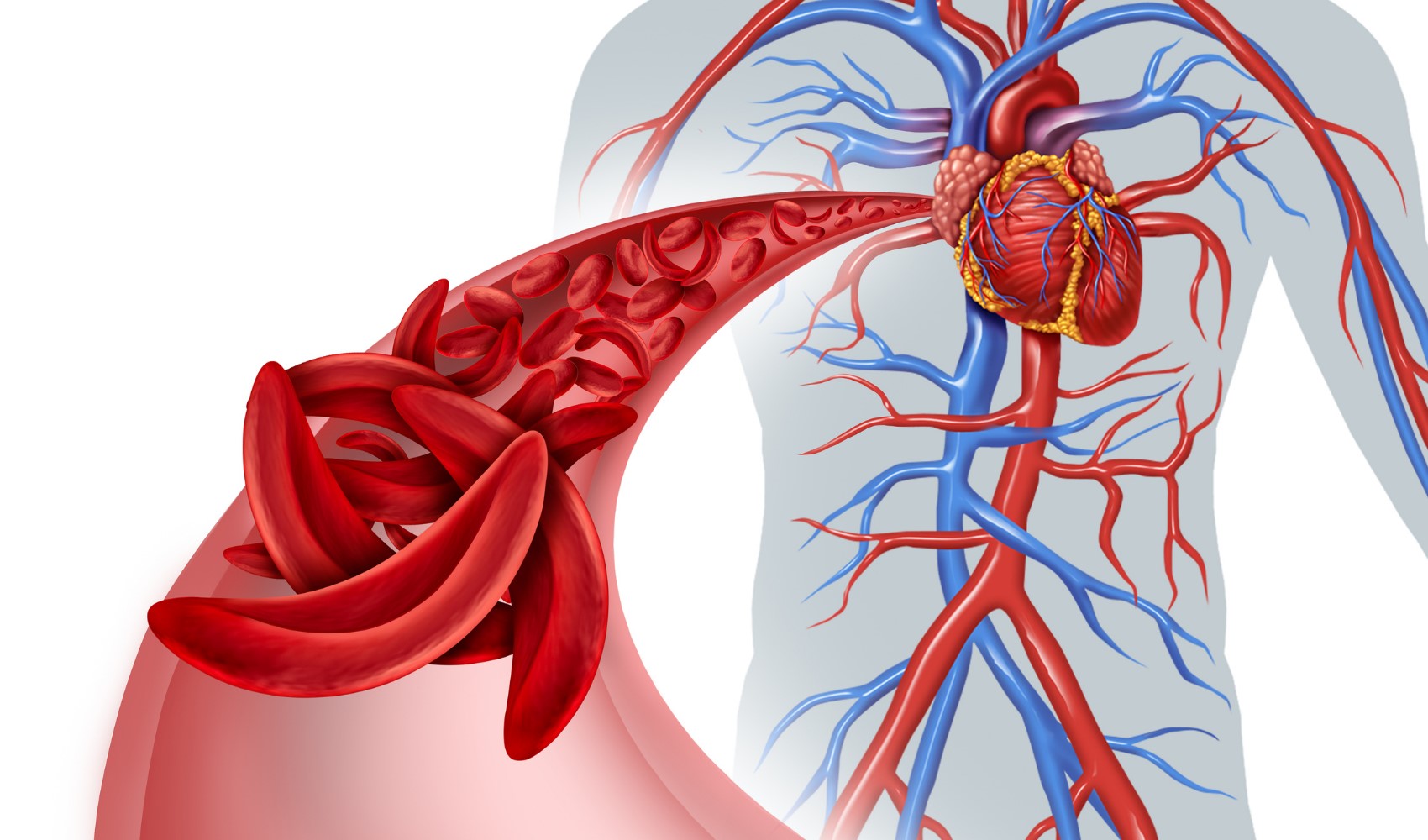
Anemia treatment is planned according to the underlying cause of the disease. If the anemia is caused by iron deficiency, iron supplements recommended by a doctor and iron-rich foods (such as red meat, liver, molasses, raisins) form the basis of the treatment. In cases of anemia due to vitamin B12 or folic acid deficiency, attempts are made to eliminate the deficiencies through vitamin supplements and dietary adjustments. In anemias related to chronic diseases, the underlying disease must first be treated. In severe cases of anemia, especially when hemoglobin levels in the blood drop to critical levels, a blood transfusion may be required. Medical supervision is of great importance during the treatment process, as incorrect or incomplete treatment can cause the anemia to worsen. Therefore, the treatment plan must be determined by a specialist physician and implemented under regular follow-up.
 6 / 7
6 / 7
FOODS THAT ARE GOOD FOR ANEMIA
Nutrition plays an important role in the treatment of anemia. Consuming foods rich in iron, vitamin B12, and folic acid is good for anemia. These foods include red meat, chicken, fish, eggs, legumes, green leafy vegetables, molasses, dried fruits, and shellfish.
 7 / 7
7 / 7
FREQUENTLY ASKED QUESTIONS ABOUT ANEMIA
Does drinking tea cause anemia?
Yes, the tannin substance in tea can reduce iron absorption. Therefore, drinking tea with meals should be avoided.
Does anemia cause weight loss?
Anemia can slow down the metabolism and lead to weight gain. However, in some cases, loss of appetite and weight loss can also be seen.
Does anemia cause heart palpitations?
Yes, anemia can cause the heart to work faster and lead to palpitations.
News Source : 12punto









