



 1 / 6
1 / 6
Philosophy is known as a discipline that investigates fundamental questions, knowledge, truth, existence, moral values, and the universe by using human's ability to think, question, and understand. Philosophical thought enables humans to try to understand themselves and their surroundings more deeply. Philosophy develops logical and critical thinking skills and makes people more intellectually conscious. Furthermore, it is a field that encompasses many different areas such as ethics, politics, science, aesthetics, and metaphysics, seeking answers to universal questions that question the meaning of life and the place of humans.
 2 / 6
2 / 6
What is philosophy? A brief definition and meaning of philosophy
The word philosophy is formed from the combination of the Greek words philos (love) and sophia (wisdom) and means "love of wisdom." From the past to the present, it has allowed humanity to think, question, and research fundamental topics such as reaching knowledge, grasping the meaning of life, and understanding the universe.
Philosophy develops logic, reasoning, and critical thinking skills. It helps people express their thoughts clearly and convey their thoughts to others.
 3 / 6
3 / 6
Why is philosophy important?
Philosophy is not just a discipline of theoretical knowledge. At the same time, it provides a guide for humans to better understand themselves and their surroundings. Philosophy allows individuals to develop their thinking ability, possess a critical perspective, and evaluate events from different angles.
 4 / 6
4 / 6
Historical origins of philosophy
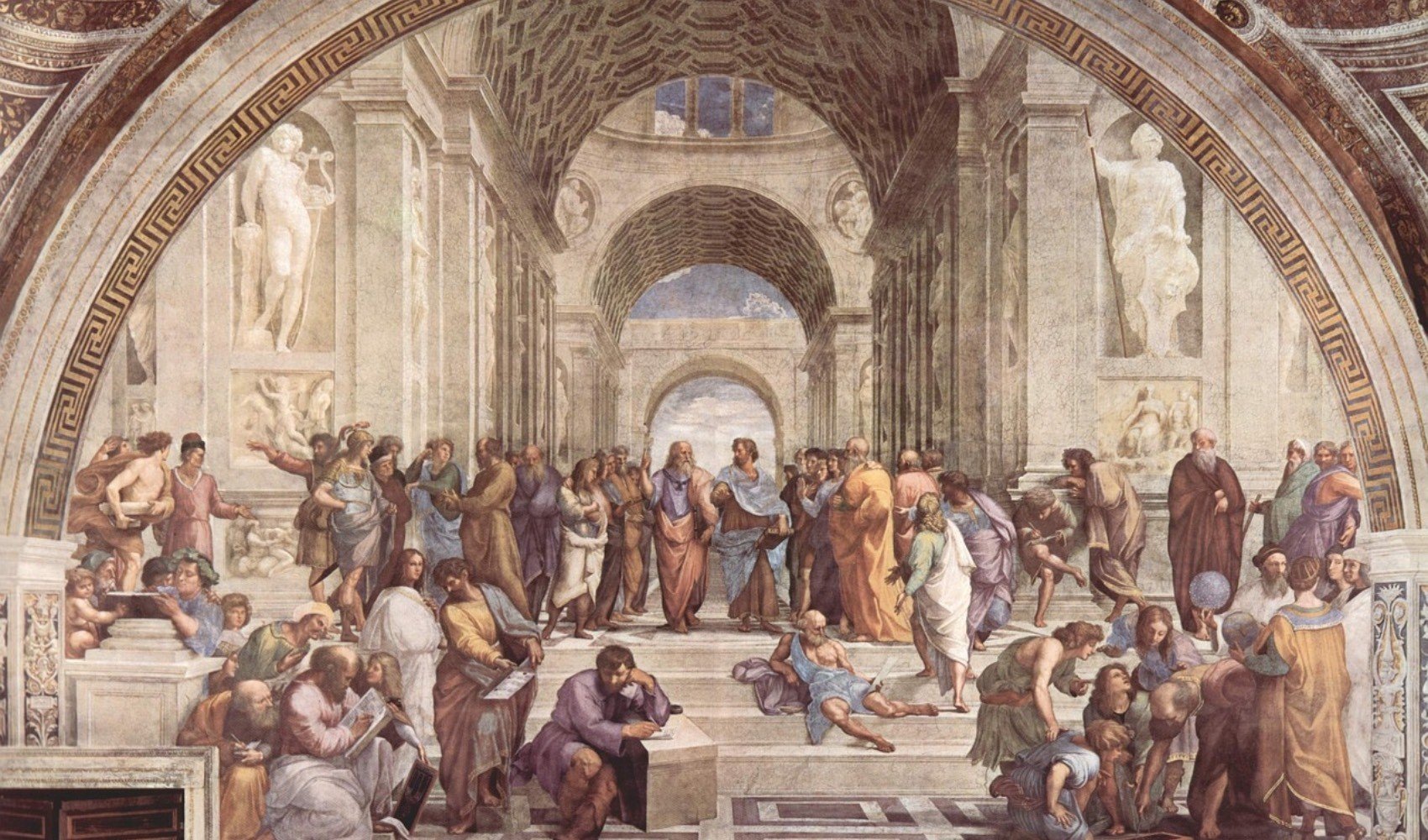
The history of philosophy dates back to the 6th century BC. It is identified with Ancient Greece, which is accepted as the birthplace of Western philosophy. The first philosophers, who are the founders of philosophy, are names such as Thales, Anaximander, and Anaximenes. The first philosophers also contributed to science by trying to explain the origin and nature of the universe.
When we look at the Middle Ages, philosophy merged with Christian thought. The philosophical views of medieval philosophers focused on the existence of God, the attributes of God, human free will, and moral issues.
Modern philosophy began in the 17th century. The pioneering philosophers of modern philosophy are Descartes, Leibniz, and Spinoza. Modern philosophers focused on topics such as knowledge, reality, and the philosophy of nature.
 5 / 6
5 / 6
Fundamental fields of philosophy
Philosophy is divided into many different fields. Each of the fields focuses on a specific aspect of philosophy. The fundamental fields of philosophy are as follows:
-
Metaphysics
-
Epistemology
-
Moral Philosophy
The field of metaphysics addresses questions about the nature of the universe and existence. In the field of philosophy, metaphysics discusses topics such as what existence, the universe, and reality are, or how the universe works.
The field of epistemology addresses questions about knowledge and the nature of knowledge. In the field of philosophy, epistemology discusses topics such as how knowledge is obtained, what it is, and the truths of knowledge.
Moral philosophy addresses the difference between right and wrong and the moral responsibilities of humans. Moral philosophy discusses topics such as ethical values, justice, human rights, and social issues.
 6 / 6
6 / 6
Fundamental purpose and goals of philosophy
The fundamental purpose of philosophy is to investigate questions regarding the universe, human existence, and moral values, and it aims to think deeply about these topics. Having a specific purpose for philosophy distinguishes it from scientific studies. While science progresses with concrete data and experiments, philosophy is generally built upon abstract concepts and logical reasoning.
-
Reaching Reality
-
Reaching Accurate Knowledge
-
Discovering Moral Values
-
Developing the Ability to Think
-
Questioning the Meaning of Life
The most fundamental characteristic of philosophy is understanding reality. To reach the truth, they have sought a different perspective on reality by questioning the structure of existence and the universe. Philosophy enables humans to understand not only the outside world but also their own inner world. The philosophy of knowledge questions the methods of reaching accurate knowledge. Answers are sought to various questions to reach knowledge. The answers found in reaching knowledge allow philosophy to form the basis for science. Ethics helps the individual understand the concepts of "right" and "wrong" by examining human behavior and moral values. It is important in terms of questioning the fundamental values of society and developing moral consciousness. Philosophy also develops analytical thinking skills. One of the most comprehensive goals of philosophy is to question the existence of life. Philosophy contributes to a person's deeper understanding of themselves and their life.
News Source : 12punto









