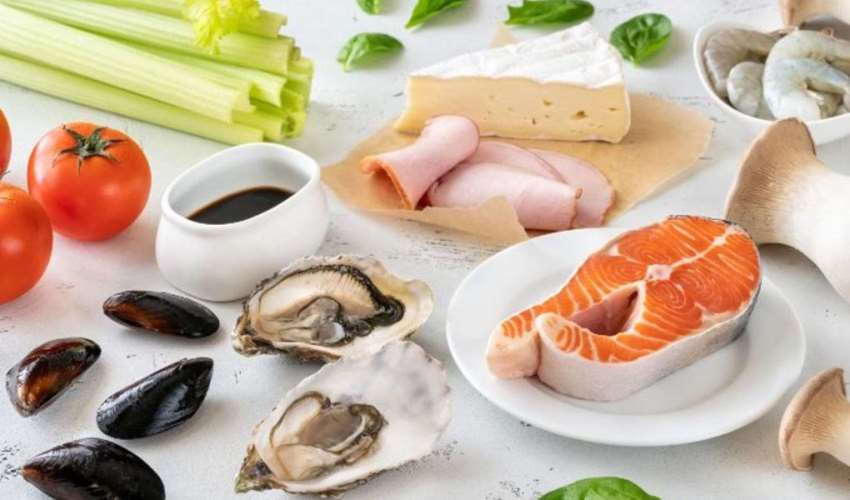
Umami is a type of amino acid. It emerges thanks to an amino acid called L-glutamate. When L-glutamate is exposed to heat, the acid is released. This makes the food being eaten delicious. It is a Japanese word. It means 'pleasant savory taste.' For years, it was thought that there were four basic tastes in human anatomy. As a result of discoveries and experiments in the world of gastronomy, the fifth taste, umami, emerged.
THE DISCOVERY OF THE FIFTH TASTE: UMAMI!
Umami, the fifth taste, was discovered in 1908 by chemistry professor Prof. Kikunae Ikeda. In Asian cuisine, it is common to prepare dishes that contain sauces instead of oil. The professor made an interesting discovery during an experiment in which he wanted to find the composition of traditional Japanese Dashi broth, a type of vegetable stock: even though the vegetable stock was neither salty, nor bitter, nor sour, it still tasted good. He saw this as an opportunity to define a new flavor. Afterward, scientists researched for many years whether umami was a real taste. In 1985, the first Umami International Symposium was held in Hawaii. This fifth taste, which could not be clearly defined, is known to be a sensation that makes the mouth water, lingers in the mouth for a long time, and coats the tongue.
WHAT KIND OF TASTE IS UMAMI?
There are 3 types of taste buds on the surface of the tongue. These buds allow humans to perceive taste. Depending on the food and drink consumed, these objects transmit sweet, salty, bitter, sour, and umami to the brain. Since there are different taste nerves that allow the umami taste to be distinguished, umami is also accepted as a taste. Umami, which leaves a fuzzy feeling on the tongue and lingers in the mouth, is also known as a pleasant taste.?
WHICH FOODS CONTAIN UMAMI?
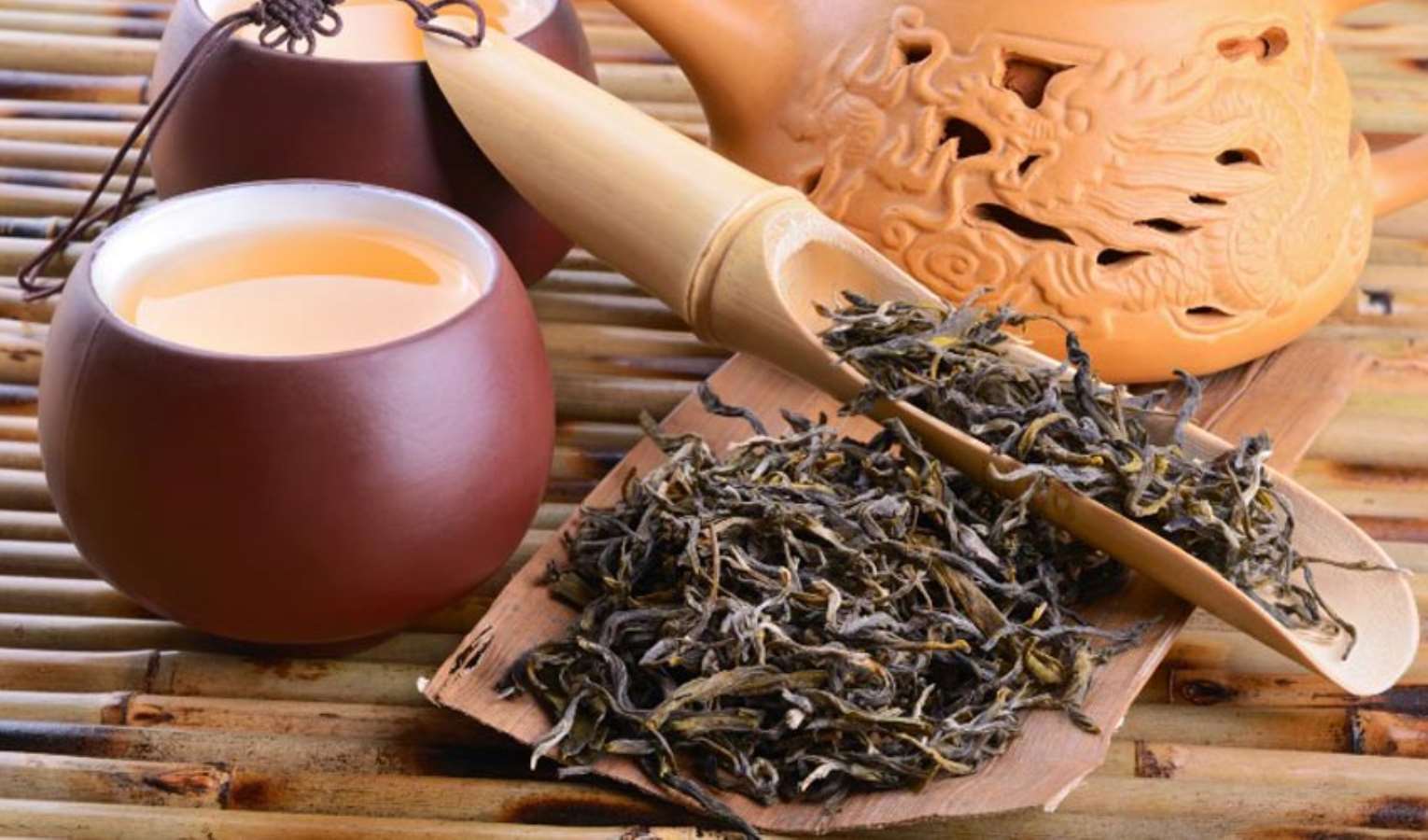
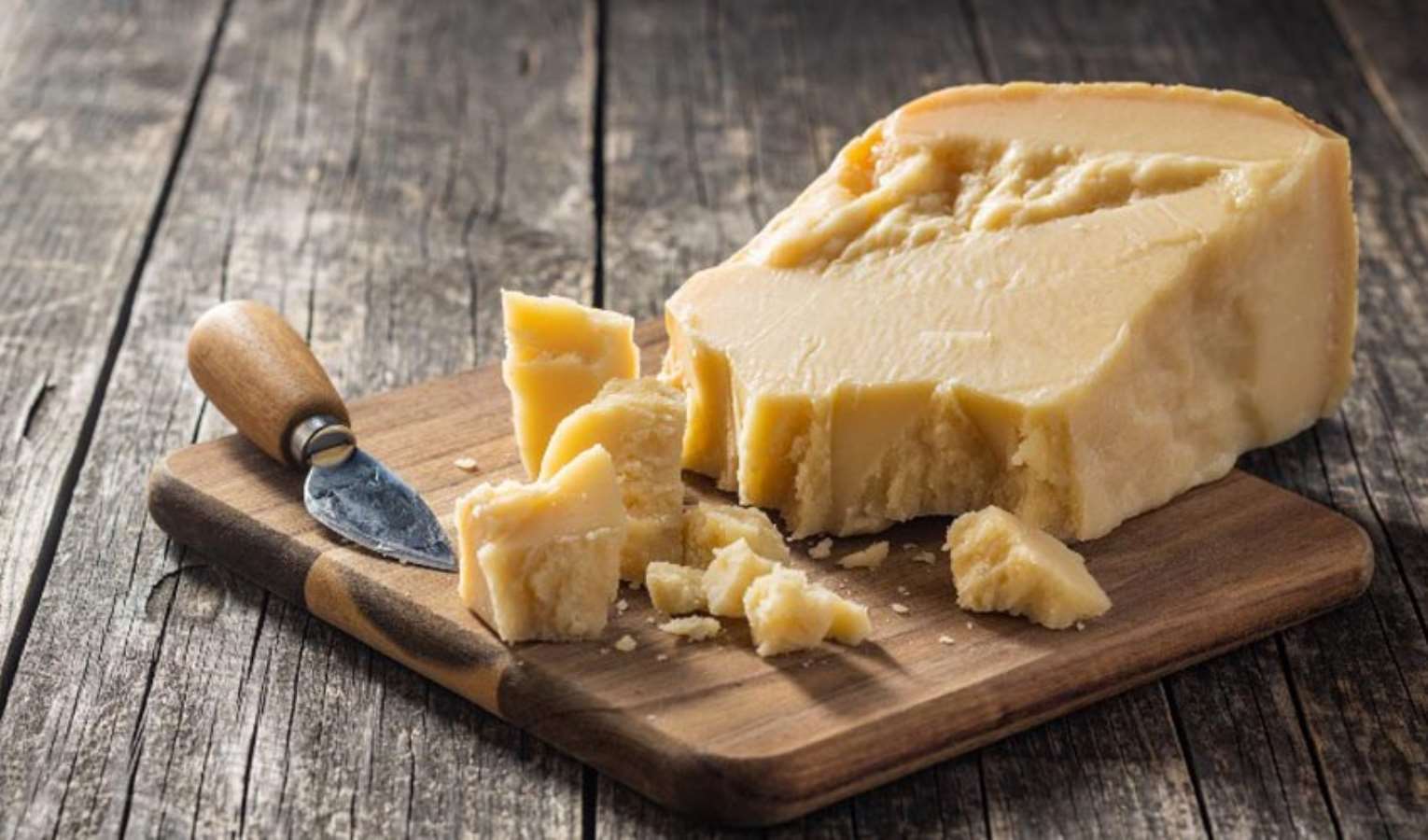
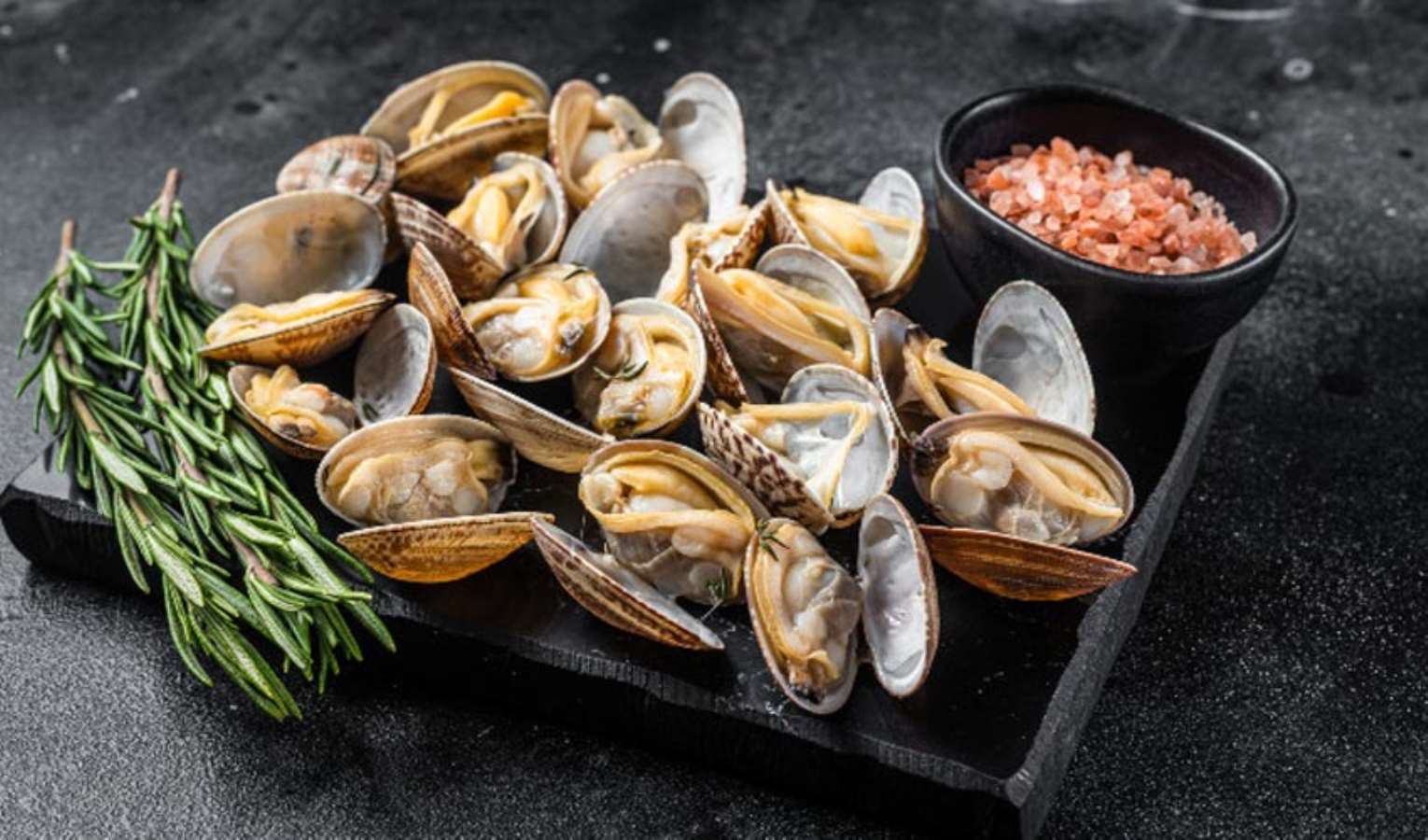
Green tea, which leaves a light taste in both the mouth and the throat, is at the top of the list of foods that provide the umami taste. Soy sauce and sun-dried tomatoes are also among the foods that provide the umami taste. In particular, fish, shellfish, fermented foods, potatoes, asparagus, marinated meat, anchovies, samphire, seaweed, parmesan cheese, and aged products, which are frequently consumed in daily life, have the umami taste. The first food we encounter with the umami taste is breast milk. You now know that foods that are neither bitter, nor sweet, nor salty, nor sour, but which you enjoy the taste of, have the umami taste.
News Source: 12punto