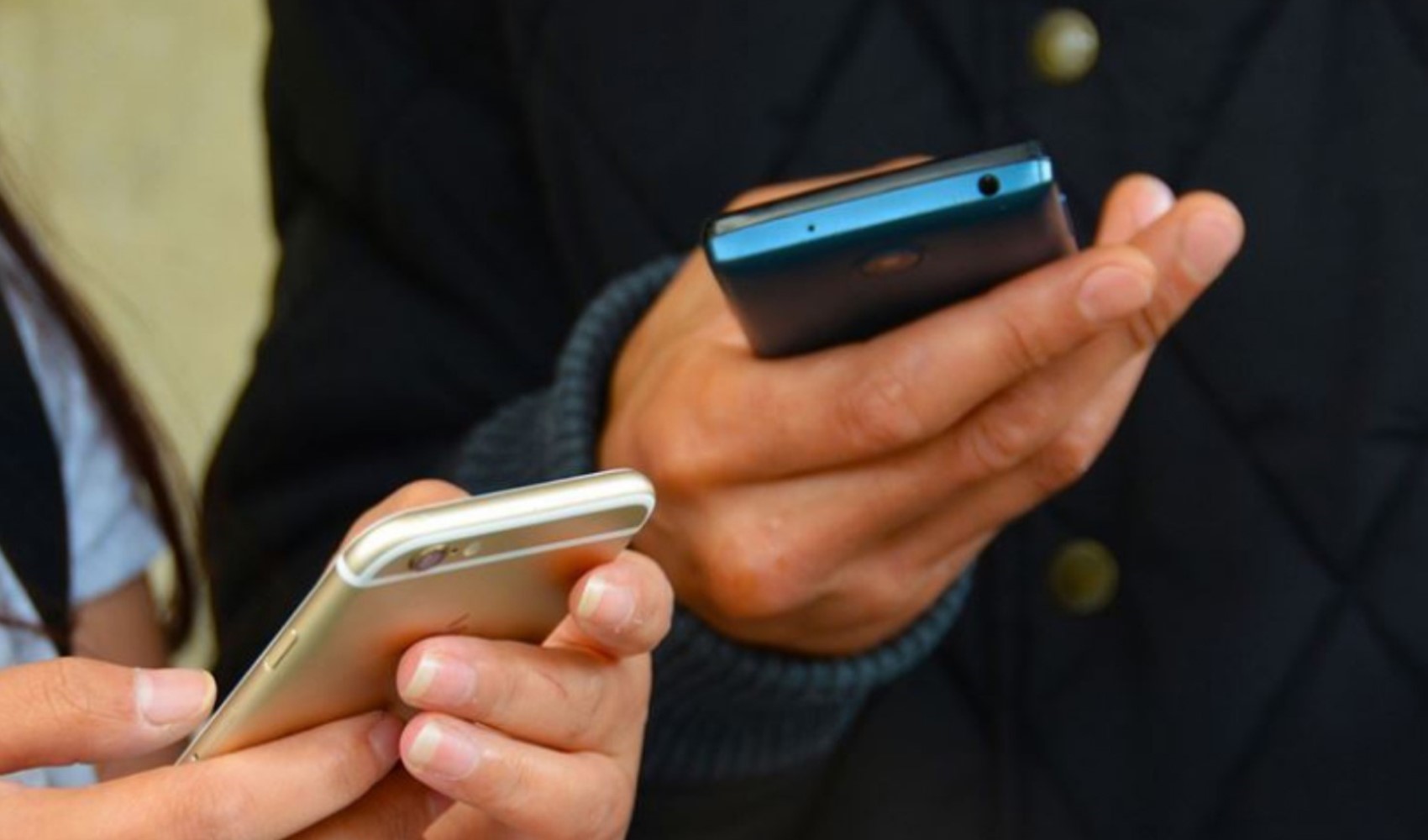
Two out of every 3 people check their phones every 15 minutes. Mobile phones have now become an inseparable part of our lives, and many of us don't even remember how to live without them. However, is this an addiction?
According to a report by Gazete Oksijen, mobile phones are described as a gateway to a vast ocean consisting of social connections, entertainment, world news, travel, and personalized digital content in our personal lives. However, more scientific studies emphasize that the constant presence of these devices with us creates health, relationship, and productivity problems; bringing with it the risk of behavioral disorders, addiction, and overuse.
Experts at Harvard University are shedding light on this issue by compiling symptoms and offering recommendations. According to research, more than half of the world's population owns a smartphone, and these devices have become a necessity rather than a luxury. In the professional sphere, they are vital in many areas ranging from communication to business management.
However, more scientific studies show that the constant presence of these devices with us can lead to health, relationship, and productivity problems. Including the risk of behavioral disorders, addiction, and overuse.
The symptoms of addiction compiled by Harvard University are as follows:
Are you using your phone obsessively?
Do you check it frequently without a purpose?
Do you feel that you cannot control your usage despite your good intentions?
If you pick up your phone frequently, automatically, and randomly even during short pauses or moments of boredom, your phone usage tends toward addiction.
If you feel a deep and irresistible urge to check your phone even when you know there is no new communication or important message, this could be a warning sign.
Do you feel lost without your phone?
Do you feel anxious, stressed, or irritable when you have to turn off your phone for a certain period?
Is your phone preventing you from doing your important work?
Does it constantly distract you?
Does it limit your ability to think clearly?
Does using your phone prevent you from listening, understanding, and having face-to-face conversations?
Do the important people around you feel neglected because you are paying attention to your phone instead of them?
If you are experiencing most of the symptoms above, you are not alone. According to recent research conducted by Harvard, most of us are interrupted by our phones every 15 minutes while we are awake.
Harvard University emphasizes the importance of making a commitment to change and offers the following recommendations:
Pay attention to how you think, feel, and behave when you are away from your phone.
Setting clear boundaries is a critical step in reducing problematic mobile phone use. This can include designated phone-free times, such as during meals, at family gatherings, or before bedtime.
Remove your phone from your desk, dining table, or bedside, and reduce notifications while working.
You can decide to check emails only at certain times of the day or limit social media usage by setting a specific end time.
News Source: 12punto